16 November 2026
Free culture courses
Music
Learning to listen 11Courts, churches and opera 8Beethoven and the Romantics 7Modern times 8Jazz, blues and world music 8
Learning to listen
23 video lectures · 2008
Listening to Music
Craig Wright · Yale University
Yale's introduction to listening for students who read no music: rhythm, melody, harmony and form, then chant, Bach, Mozart, Verdi, the symphony from Beethoven to Shostakovich, and Debussy.
Gone from Open Yale Courses and sold on Coursera; the original recordings stay free on Yale's YouTube channel
53 programmesUnofficial upload
Young People's Concerts
Leonard Bernstein · CBS and the New York Philharmonic, 1958–72
Bernstein conducts and explains to a young audience what melody, orchestration, sonata form and modes are, with programmes on Beethoven, Mahler, Sibelius, Stravinsky and jazz.
6 programmesUnofficial upload
Howard Goodall's Story of Music
Howard Goodall · BBC, 2013
Western music from prehistoric flutes and notation through polyphony, opera, the symphony and Romanticism to the twentieth century, film music and pop.
Episode 1 has Spanish subtitles
15 weeks of listening and reading, no video · 2024
Introduction to Western Music
Teresa M. Neff and Michael Goetjen · MIT OpenCourseWare
Western music from the Middle Ages to the twenty-first century, week by week, with listening lists, readings, repertoire lists and assignments, but no recorded lectures.
4-week written course with 28 activities and interactive listening examples, 9 hours · ongoing
Discovering music through listening
The Open University, OpenLearn
A listening course on the building blocks of music: pulse, tempo, metre, rhythm, melody, harmony and structure.
4-week written course with 3 activities, 20 videos, 23 audio recordings and weekly quizzes, 12 hours · ongoing
Understanding musical scores
The Open University, OpenLearn
What musicians do when they turn notation into performance, and how to follow a score.
6 video lectures · 2018–19
History of Listening
Tom Service · Gresham College
The story of music told from the side of its listeners: sacred listening, noisy concert halls, the audiences of string quartet, jazz band and orchestra, quiet music and digital listening.
6 video lectures · 2022–23
The Life of Chords
Marina Frolova-Walker · Gresham College
What chords mean rather than how they are built: major and minor, the dominant seventh, diminished and augmented chords, cadences, famous chords and music that does without them.
4 video lectures · 2021–22
Music and Emotion
Jeremy Summerly · Gresham College
How composers work on the feelings of listeners, from Bach to the Beatles: nostalgia, love and humour in music, and why Christmas carols sound the way they do.
2 series, 12 video lectures · 2023–26
The Nature of Music
Milton Mermikides · Gresham College
Why vibrations in the air move us so much: rhythm and groove, tuning, scales, consonance and dissonance, and then the music of animals, the body, sleep and dreams, light and colour, and the planets.
open textbook, 8 chapters · 2016
Understanding Music: Past and Present
N. Alan Clark, Thomas Heflin, Jeffrey Kluball and Elizabeth Kramer · University of West Georgia
The basics of how music works, then Western music from the Middle Ages through the Renaissance, Baroque, Classical and Romantic periods to the twentieth century, with a chapter on American popular music and an appendix on music of the world.

Courts, churches and opera
3 programmesUnofficial upload
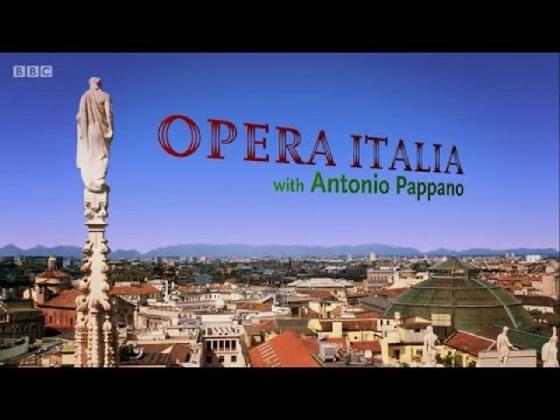
Opera Italia
Antonio Pappano · BBC Four, 2010
Italian opera from Monteverdi through Verdi to Puccini, with performances.
4 programmesUnofficial upload
The Birth of British Music
Charles Hazlewood · BBC Two, 2009
Purcell, Handel, Haydn and Mendelssohn, one composer per programme.
6 video lectures with live music · 2012–13
European Capitals of Music
Christopher Hogwood · Gresham College
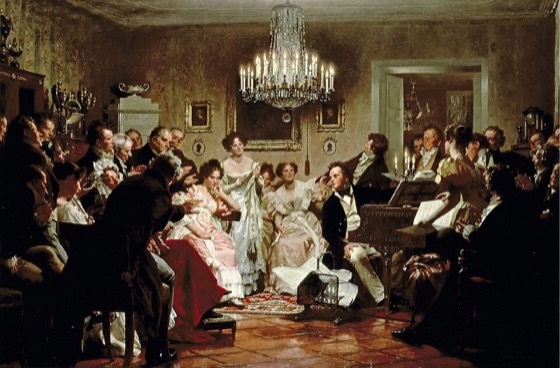
Three lectures on Schubert in Vienna, then Paris (Debussy and Ravel), London under Handel and Rome (Corelli and Geminiani), each work played in the hall by members of the Royal Academy of Music.
4 programmesUnofficial upload
David Starkey's Music & Monarchy
David Starkey · BBC Two, 2013
How the crown shaped British music from Henry V to the present.
2 series, 12 video lectures · 2015–17
Music in the Medieval World
Christopher Page · Gresham College
Music in the medieval imagination: chant as cure and miracle, bells, song and dance, and the Christian singer from the first churches through Charlemagne to the cathedral schools.
SeriesMusic, Imagination and Experience in the Medieval WorldThe Christian Singer from the Gospels to the Gothic Cathedrals
2 series, 12 video lectures · 2014–18
The Guitar in England
Christopher Page · Gresham College
A forgotten history of the guitar in England: in Tudor London, at the courts of Charles I and Charles II and in Samuel Pepys's diary, and in the guitar craze of the age of Byron and Shelley, among both the fashionable and the labouring poor.
SeriesFor Courtesan, Queen and Gallant: The Guitar in England from Henry VIII to Samuel PepysMen, Women and Guitars in Romantic England
6 video lectures · 2006–07
Opera and the City
Roger Parker · Gresham College
Italian opera from its beginnings to its height, one composer and one city at a time: Monteverdi and Venice, Handel and London, Mozart and Vienna, Donizetti and Paris, Verdi and Milan, and Puccini and New York.
6 video lectures · 2010–11
Aspects of Authenticity
Christopher Hogwood · Gresham College
The early-music conductor on what makes a performance authentic: St Cecilia, the past as a foreign country, the road from composer to printed page to concert, and fakes, completions and borrowing.
Beethoven and the Romantics
33 audio lecture-recitals, the Hammerklavier in two · 2004–06
Beethoven Lecture-Recitals
András Schiff · Wigmore Hall
All 32 piano sonatas in order, from Op. 2 to Op. 111, with Schiff talking through each one at the piano and playing the passages he discusses.
4 programmesUnofficial upload
Symphony
Simon Russell Beale · BBC, 2011
The symphony from Haydn's Esterházy court through Mozart, Beethoven, Brahms, Tchaikovsky and Mahler to Shostakovich, Sibelius and the twentieth century.
3 programmesUnofficial upload
Revolution and Romance: Musical Masters of the 19th Century
Suzy Klein · BBC Four, 2016
Beethoven, Schubert, Berlioz, Chopin, Wagner, Verdi, Liszt and the century that made the composer a hero.
3 programmesUnofficial upload
Being Beethoven
BBC Four, 2020
Beethoven's life and music, told from his letters and his contemporaries.
written course with 8 activities and 10 audio recordings, 16 hours · ongoing
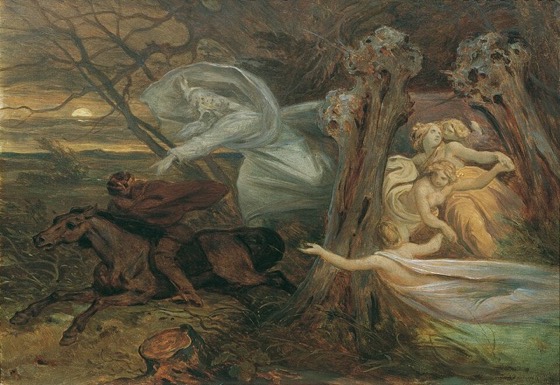
Schubert's Lieder: Settings of Goethe's poems
The Open University, OpenLearn
Schubert's songs for voice and piano on short poems by Goethe, listening to how the music reads and reshapes the poetry.
12 video lectures · 2007–10
Major Works in the String Repertory
Roger Parker · Gresham College
Twelve string quartets, each discussed and then played in full by the Badke Quartet: Haydn's Op. 20 and Op. 76, Mozart's Dissonance and two more, Beethoven's Rasumovsky and Op. 95, Mendelssohn, Debussy and Bartók.
6 video lectures · 2011–12
The Making of a Masterpiece
Christopher Hogwood · Gresham College
What makes a musical masterpiece, from the opening gesture to the solo, the set of six and the virtue of brevity, with performances by musicians from the Royal Academy of Music.
Modern times
6 lecturesUnofficial upload
The Unanswered Question
Leonard Bernstein · Harvard University, 1973
Bernstein's Norton Lectures apply Chomsky's linguistics to music, from the harmonic series and Mozart through Berlioz, Wagner and Debussy to Stravinsky and Schoenberg.
3 programmesUnofficial upload
Tunes for Tyrants: Music and Power
Suzy Klein · BBC Four, 2017
Music in revolution, dictatorship and world war in the 20th century.
3 programmesUnofficial upload
Sound of Cinema: The Music that Made the Movies
Neil Brand · BBC Four, 2013
Film music explained at the piano: the orchestral score, the pop soundtrack, electronics.
written course with 14 activities, 16 hours · ongoing
Music and its media
The Open University, OpenLearn
How music is transmitted, from manuscript and print to recording, and how the medium changes the music.
6 hours, text with interviews · 2025
Women transforming classical music
The Open University, OpenLearn
A practical course for performers and concert organisers on programming more music by women: why the repertoire is male-dominated, finding scores by historical women composers, working with and commissioning living ones, and building audiences, with interviews with people who champion this music.
4 series, 22 video lectures · 2018–22
Russian Music
Marina Frolova-Walker · Gresham College
Russian music from Glinka to the Soviet state: four operas and the power that shaped them, Diaghilev's Ballets Russes from its Paris beginnings to The Rite of Spring, the piano works of Musorgsky to Prokofiev with Peter Donohoe playing, and composers under Stalin from Lady Macbeth to 1948.
SeriesRussian Opera and the StateDiaghilev and the Ballets RussesRussian Piano MasterpiecesMusic Under Stalin
4 video lectures · 2023–24
Twentieth-Century Divas
Dominic Broomfield-McHugh · Gresham College
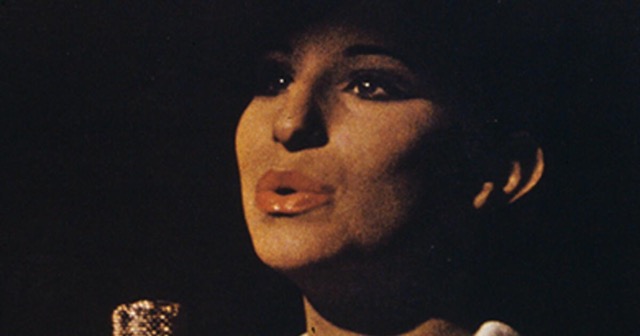
How the word for opera's leading women came to cover the stars of film and popular song, and what it did to their voices: Barbra Streisand, Julie Andrews and Shirley Bassey.
6 video lectures · 2024–25
Worlds of Music
Milton Mermikides · Gresham College
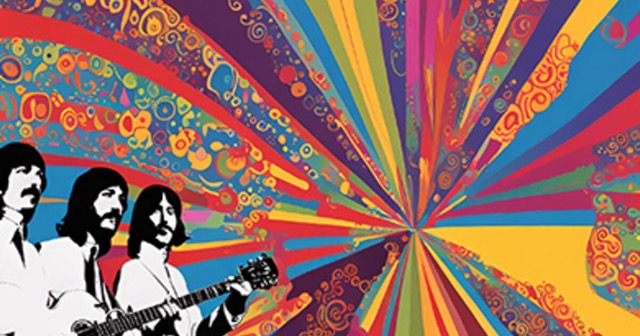
Six turning points in music taken apart: the Beatles, Bach's invention, minimalism from African drumming to Arvo Pärt, Pink Floyd's Dark Side of the Moon, screen music and Jimi Hendrix.
Jazz, blues and world music
6 video lectures · 2014
The Ethics of Jazz (Norton Lectures)
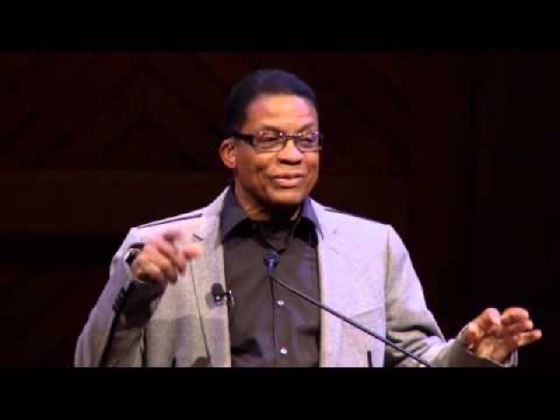
Herbie Hancock · Harvard University
The jazz pianist's six Norton lectures at Harvard on breaking rules, music as cultural diplomacy, new technology, Buddhism and creativity, and his own life in music.
The videos are on Harvard's own YouTube channel; a viewer put the playlist together
53 video lectures with performed examples
Appreciating Hindustani Music
Lakshmi Sreeram with Srijan Deshpande · IIT Madras / NPTEL
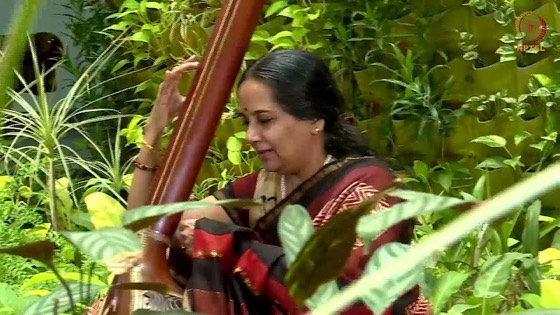
North Indian classical music from the inside: raga, tala, the gharanas and forms such as dhrupad and khayal, demonstrated by singers as well as explained.
35 video lectures · 2013
Introduction to World Music
John Prescott · Missouri State University
Music traditions region by region: Native American, Ozark, African and African-American music, then China, Indonesia, India, Central and Eastern Europe, Latin America and the Arab world.
12 video programmes · 1999Unofficial copy
Exploring the World of Music
Annenberg
How music works across cultures: sound, rhythm, melody, harmony, timbre, texture and form, with examples from many traditions.
written course with 5 activities, 4 videos and 5 audio recordings, 6 hours · ongoing
Discovering music: the blues
The Open University, OpenLearn
The blues as a musical tradition, from its nineteenth-century roots to its forms and influence today.
short written unit with 2 activities and 2 videos, 15 hours · ongoing
Reception of music in cross-cultural perspective
The Open University, OpenLearn
How listeners in different cultures and settings receive music, from concert halls to street fairs and radio.
40 radio programmes · 1953–54
The Evolution of Jazz
Nat Hentoff · WGBH Boston
A weekly hour of jazz history on Boston radio, from West African roots, the blues, ragtime and New Orleans through Chicago, Ellington and Basie to bop, cool jazz and Brubeck, told through the records by the critic Nat Hentoff.
11 of 12 television programmes · 1960
Ragtime Era
Max Morath · KRMA-TV Denver
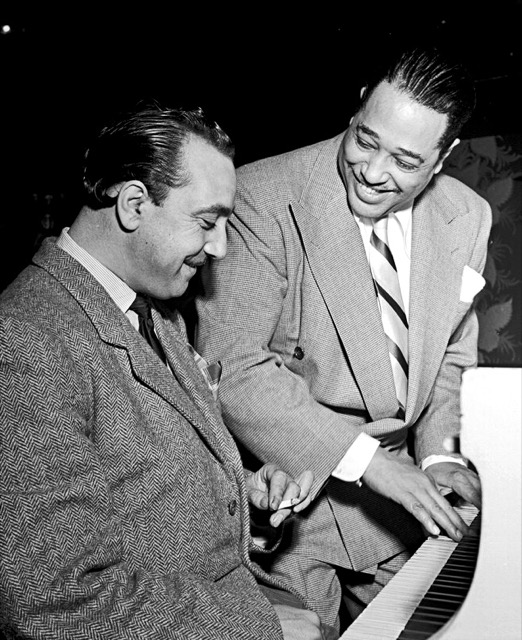
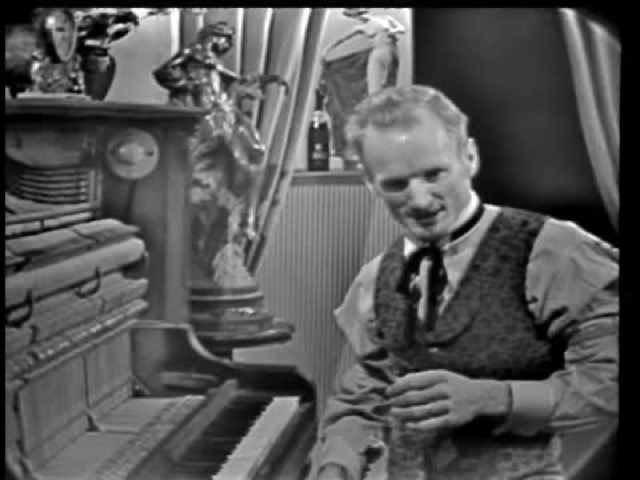
Max Morath at an old upright piano tells the story of American popular song from the 1890s to the First World War: the rags, the songs everyone sang, vaudeville, George M. Cohan, Tin Pan Alley and its hopefuls, the dance crazes and the Great War, singing and playing as he goes.
Literature and language
Saylor: 18 courses in literature →
World literature 11Homer, Virgil and Ovid 8Dante to Milton 6The novel 15Poetry 10Language and theory 6
World literature
131 podcast episodes of 1–2 hours, ongoing · since 2016
Literature and History
Doug Metzger
World literature in chronological order, from Mesopotamian cuneiform through Greek, Roman, Hebrew and early Christian writing to early Islamic literature, each work set in its history.
14 video programmes with transcripts · 2010Unofficial copy
Invitation to World Literature
Annenberg / WGBH
Thirteen works from Gilgamesh and the Odyssey to The Tale of Genji, Candide and One Hundred Years of Solitude, each with scholars and writers.
47 video episodes of about 11 minutes, in four seasons · 2012–18
Crash Course Literature
John Green · Crash Course
One book or poet per episode or pair of episodes, from Romeo and Juliet, Dickinson and Gatsby to Frankenstein, Things Fall Apart, One Hundred Years of Solitude, To the Lighthouse and Pride and Prejudice.
13 video episodes of about 11 minutes · 2025–26
Crash Course Latin American Literature
Curly Velasquez · Crash Course
Latin American literature by theme, from pre-colonial texts to the present: magical realism and the Boom, the dictator novel, horror, borders and identity, and the links between literature and film.
26 audio lectures of about 70 minutes · 2008
Man, God, and Society in Western Literature
Hubert Dreyfus · UC Berkeley, on the Internet Archive
The Western canon read by a philosopher as a history of how people understood gods, themselves and society, from Homer and the Bible through Dante to Melville.
11 video lessons, about 10 hours, with readings and quizzesFree account
Great Books 101: Ancient to Medieval
Hillsdale College
Short lectures on Homer, Sophocles, Virgil, Samuel and Job, Augustine, Dante, Chaucer and Sir Gawain and the Green Knight; Great Books 102 continues from the Renaissance.
Hillsdale is a conservative Christian college
30 talks, audio and video · 2012
Great Writers Inspire
University of Oxford
Short talks, mostly by Oxford scholars and mostly on a single writer, from Beowulf and Chaucer through Milton, Swift, Austen and Dickens to Pound, Mansfield and Coetzee, with panels on what makes a classic.
12 programmesUnofficial upload
The Secret Life of Books
BBC Four, 2014–2015
One book per programme, studied through its manuscript: Great Expectations, the First Folio, Mrs Dalloway, Jane Eyre, Frankenstein and more.
16 video programmes · 2003Unofficial copy
American Passages: A Literary Survey
Annenberg
American literature from Native oral traditions and the colonial era to the present, organised as sixteen literary movements.
3-week course with discussion, 3 hours a week · ongoingFree account
Comparative Literatures and Cultures
Shuangyi Li · University of Bristol, on FutureLearn
How texts and images travel across languages and borders: world literature, literary multilingualism, cultural encounters and visual culture, with six Bristol scholars.
Free FutureLearn account. The course's maker pays for permanent free access, and each step has a discussion thread with learners from around the world.
open anthology in six parts, with an introduction to every text · 2015–17
Compact Anthology of World Literature
Laura Getty, Kyounghye Kwon, Anita Turlington and others · University of North Georgia Press
The texts themselves: Genesis, Gilgamesh, Homer and Greek tragedy, China, India and Rome, then the Middle Ages and the Renaissance, and in the second volume from the seventeenth century to the present.
Homer, Virgil and Ovid
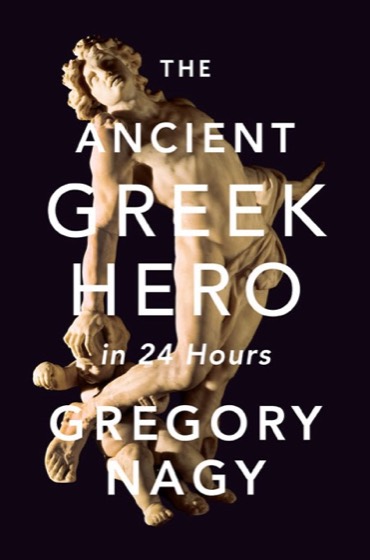
the Harvard course as a book in 24 “hours”, online or EPUB · 2013
The Ancient Greek Hero in 24 Hours
Gregory Nagy · Harvard Center for Hellenic Studies
The hero in Greek song and cult, read through the Iliad and Odyssey, Hesiod, Pindar, Athenian tragedy and Plato's dialogues on the death of Socrates.
20 programmesARTE until 28 February 2027
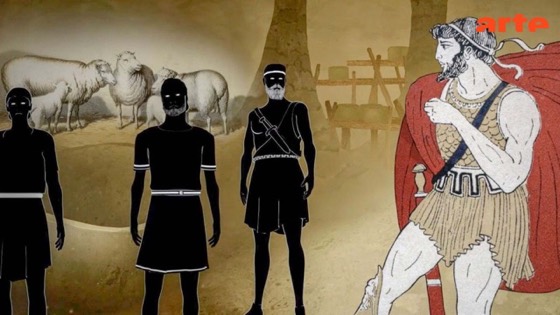
Great Myths: The Iliad and The Odyssey
ARTE, 2018–20
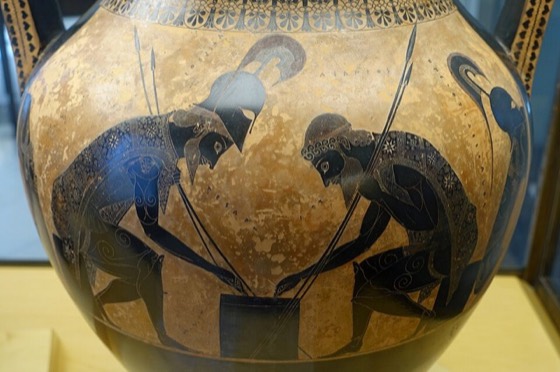
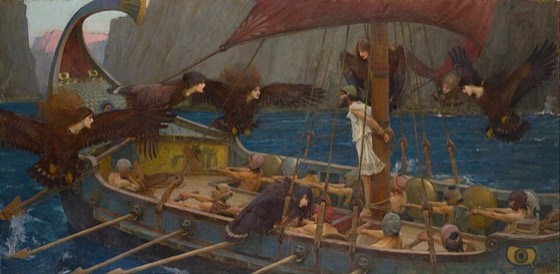
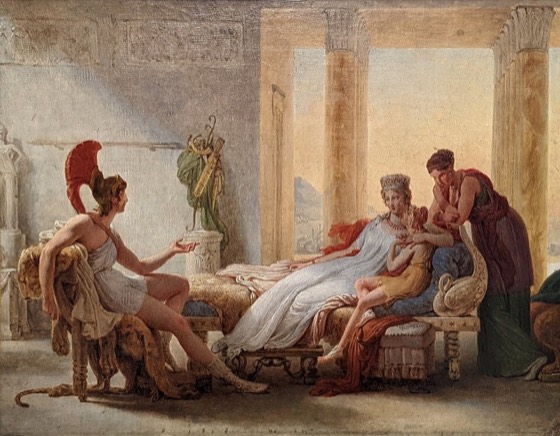
Twenty short films retelling the Trojan War and Odysseus's voyage home, illustrated with Greek vases, sculpture and paintings from antiquity to the nineteenth century.
13 audio lectures, most with a PDF handout · 2014
Epics of Rome
Rhiannon Evans · La Trobe University
Roman epic from the early fragments through Virgil's Aeneid to Ovid's Metamorphoses, read closely, and how both poems lived on into the Renaissance and the novel.
WorksAeneid
written course with 16 activities, 2 videos and 4 audio recordings, 6 hours · ongoing
Introducing Homer's Iliad
The Open University, OpenLearn
The Iliad in the context of the wider cycle of Trojan War myths, with a close look at its heroes, gods and themes.
written course with 10 activities, 1 video and spoken pronunciation guide, 6 hours · ongoing
Exploring Homer's Odyssey
The Open University, OpenLearn
An introduction to the Odyssey: Odysseus' long journey home from Troy, his cunning, and his reunion with Penelope.
short written unit with 3 activities, 7 hours · ongoing
Introducing Virgil's Aeneid
The Open University, OpenLearn
An introduction to Virgil's Latin epic of the Trojan hero Aeneas and his journey to Italy, where his descendants would found Rome.
6 hours, text
Exploring Ovid's big ideas
The Open University, OpenLearn
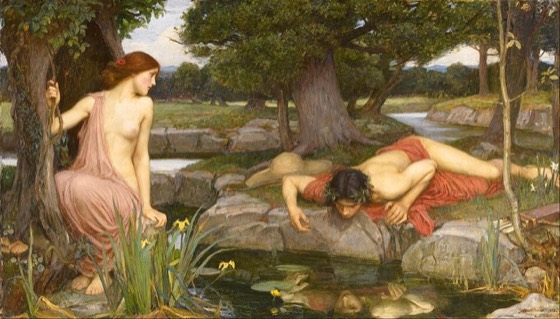
Ovid's Metamorphoses through the questions it raises: how the world began, what makes a human, monsters and transformation, and whether we should eat animals.
8 television lectures · 1958
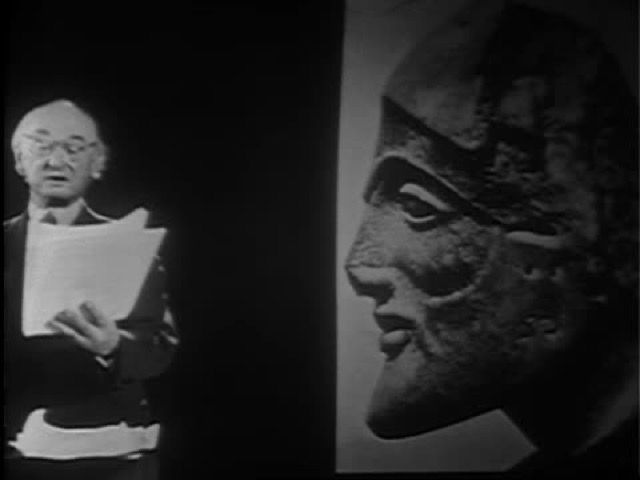
The Wrath of Achilles
I. A. Richards · WGBH Boston
The Iliad read aloud by the critic who pioneered close reading, from his own abridged translation: the quarrel of Achilles and Agamemnon, Hector and Andromache, the death of Patroclus and Priam's visit to Achilles, with Greek sculpture as pictures for the imagination.
Dante to Milton
24 video lectures with transcripts · 2008
Dante in Translation
Giuseppe Mazzotta · Open Yale Courses
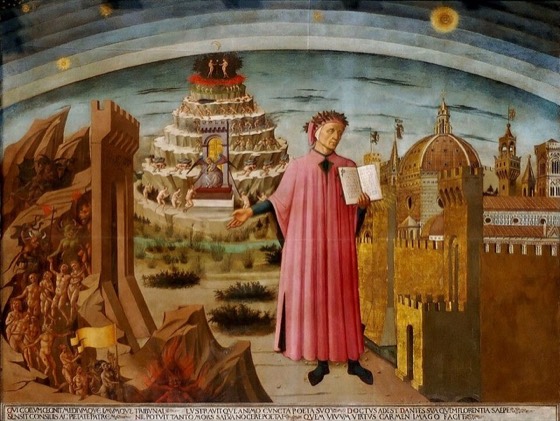
The Divine Comedy read in English through selected cantos of all three parts, after a lecture on the Vita nuova, by one of the leading Dante scholars of his generation.
WorksThe Divine Comedy
54 video lectures of about two hours · 2015–16
The Dante Course
Teodolinda Barolini · Columbia University (Digital Dante)
The whole Commedia read canto by canto over a year, about an hour per canto, taught in English with the text in Italian and an online commentary alongside.
WorksThe Divine Comedy
24 video lectures with transcripts · 2009
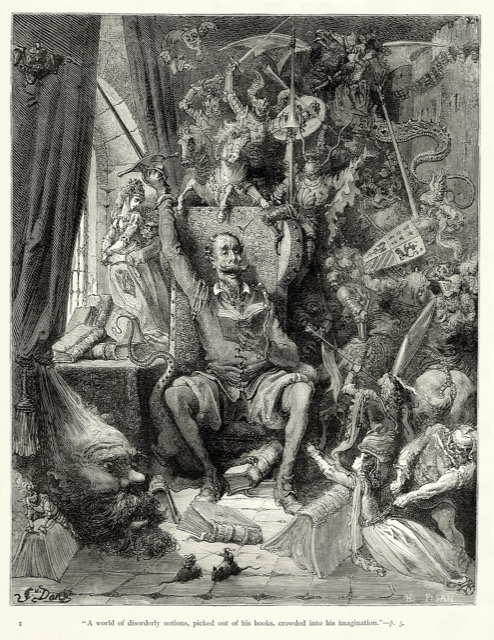
Cervantes' Don Quixote
Roberto González Echevarría · Open Yale Courses
Both parts of the novel read closely in English, with Cervantes' Spain and the book's long influence on the novel.
WorksDon Quixote
6 online modules of 5 weeks, with videos, podcasts, readings and a forum · 2019–21Free account
Discover Don Quijote de la Mancha
Eric Clifford Graf · Universidad Francisco Marroquín
The whole novel in six modules of about 20 chapters each, taught by a Cervantes scholar and set up as a game in which you earn the badges of the knights Don Quixote read about.
Self-paced; requires a free account at UFM. The link goes to the first module; the other five are in the same catalogue. Optional certificate for US$40
24 video lectures · 2007
Milton
John Rogers · Yale University
Milton's poetry and prose, from the early poems and Areopagitica to Paradise Lost, Paradise Regained and Samson Agonistes.
WorksParadise Lost
3 programmesUnofficial upload
The Century That Wrote Itself
Adam Nicolson · BBC Four, 2013
The 17th century, when ordinary people began writing diaries, letters and science.
The novel
25 video lectures with transcripts · 2011
Hemingway, Fitzgerald, Faulkner
Wai Chee Dimock · Open Yale Courses
Novels and stories by the three writers read side by side, among them In Our Time, The Great Gatsby, The Sound and the Fury and For Whom the Bell Tolls.
26 video lectures with transcripts · 2008
The American Novel Since 1945
Amy Hungerford · Open Yale Courses
Post-war American fiction from Richard Wright and Flannery O'Connor through Nabokov, Kerouac, Salinger and Pynchon to Morrison, Marilynne Robinson, Cormac McCarthy and Philip Roth.
3 programmesUnofficial upload
Novels That Shaped Our World
BBC Two, 2019
The novel through women, empire and class.
26 audio lectures · 2008
Existentialism in Literature and Film
Hubert Dreyfus · UC Berkeley, on the Internet Archive
Kierkegaard's Fear and Trembling and Sickness unto Death, Dostoevsky's Brothers Karamazov and Nietzsche, with discussions of Hiroshima Mon Amour, The Third Man and Breathless.
written course with 9 activities, 15 hours · ongoing
Approaching literature: reading Great Expectations
The Open University, OpenLearn
Different ways of reading Dickens's Great Expectations, depending on which genre you take the novel to belong to.
short written unit with 2 activities and 2 videos, 6 hours · ongoing
Exploring Thomas Hardy's Far From the Madding Crowd
The Open University, OpenLearn
Hardy's background and the pleasures of reading his nineteenth-century novel of rural Wessex.
written course with 7 activities and 4 audio recordings, 6 hours · ongoing
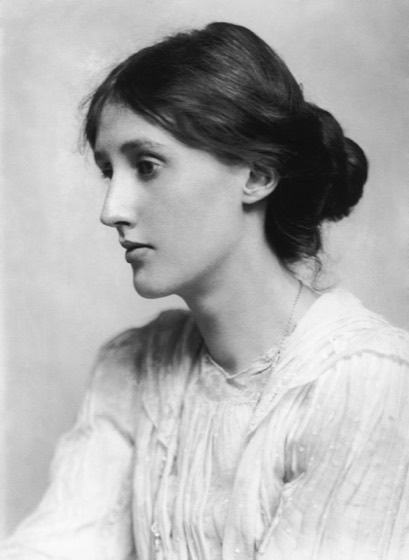
Exploring Virginia Woolf's Between the Acts
The Open University, OpenLearn
Woolf's last novel (1941) and how it writes about time, memory and identity.
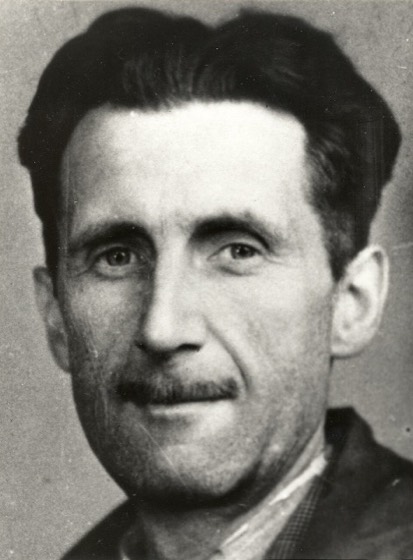
written course with 11 activities and 3 audio recordings, 10 hours · ongoing
George Orwell and Nineteen Eighty-Four
The Open University, OpenLearn
Orwell's life and writing approached through a study of Nineteen Eighty-Four and its picture of totalitarian power.
written course with 2 activities and 1 video, 8 hours · ongoing
Agatha Christie and the golden age of detective fiction
The Open University, OpenLearn
Agatha Christie and interwar detective fiction as a popular literary form, and what the genre says about its time.
written course with 7 activities, 10 hours · ongoing
Sam Selvon, The Lonely Londoners
The Open University, OpenLearn
Selvon's novel of Caribbean migrants in 1950s London, its picture of migration and its use of memory.
written course with 8 activities, 20 hours · ongoing
Approaching prose fiction
The Open University, OpenLearn
The tools for reading novels and short stories in depth: narrative voice, point of view, character, setting and plot.
9 video lectures · 2020–23
The Powers of the Novel
John Mullan · Gresham College
How novels hold their readers, from Defoe and Austen to Ishiguro and Sally Rooney: convincing fiction, the supernatural, crime, plotting, coincidence, villains, adultery, historical fiction and endings.
4 video lectures · 2021–22
How Not To Be Human: Exploring Humanity Through Science Fiction
Jim Endersby · Gresham College
What science fiction says about being human, told through the figures it has set against us: apes, women, robots and aliens.
4-week course with discussion, 2 hours a week · ongoingFree account
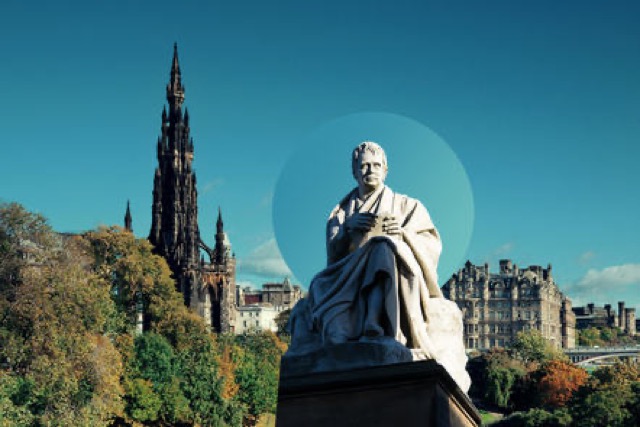
Walter Scott: The Man Behind the Monument
Alison Lumsden · University of Aberdeen and the Abbotsford Trust, on FutureLearn
Scott as poet, novelist and collector, read through Waverley, The Heart of Mid-Lothian and his house at Abbotsford, with the director of Aberdeen's Walter Scott Research Centre.
Free FutureLearn account. The course's maker pays for permanent free access, and each step has a discussion thread with learners from around the world.
6-week course with discussion, 4 hours a week · ongoingFree account
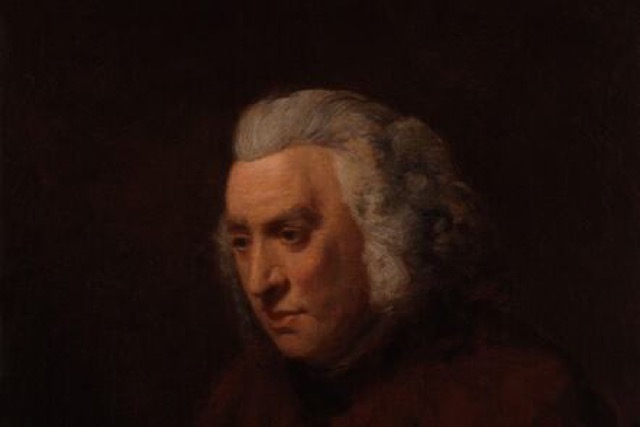
What Makes a Happy Life? Samuel Johnson's Rasselas
Theodore Dalrymple · Ralston College, on FutureLearn
A slow reading of Johnson's only novel, the prince who leaves the Happy Valley to find out how to live, led by the essayist Theodore Dalrymple.
Free FutureLearn account. The course's maker pays for permanent free access, and each step has a discussion thread with learners from around the world.

Poetry
15 modules, about 140 videos · since 2012Free account
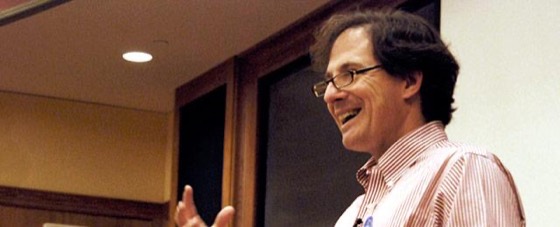
Modern & Contemporary American Poetry (ModPo)
Al Filreis · University of Pennsylvania, on Coursera
American poetry from Dickinson and Whitman to the present, taught as close-reading conversations between Filreis and a small group of students around a table.
One of the few Coursera courses that is still entirely free; open all year, with a live run each autumn
25 video lectures with transcripts · 2007
Modern Poetry
Langdon Hammer · Open Yale Courses
Poets in English from Frost and Yeats through the poets of the First World War, Imagism, Pound and Eliot to Hart Crane, Langston Hughes, Williams, Moore, Stevens, Auden and Elizabeth Bishop.
13 video programmes · 1988Unofficial copy
Voices & Visions
Annenberg / NYCVH
Thirteen American poets, among them Whitman, Dickinson, Frost, Eliot, Hughes, Bishop and Plath, through readings, interviews and film.
2 programmesUnofficial upload
Great Poets in Their Own Words
BBC Four, 2014
British and Irish poets from 1908 to 1982 in BBC archive recordings.
written course with 18 activities, 20 hours · ongoing
Approaching poetry
The Open University, OpenLearn
How to read poems closely: form, metre, imagery and voice, practised on poems from several centuries.
written course with 1 activity and 4 audio recordings, 10 hours · ongoing
The poetry of Sorley MacLean
The Open University, OpenLearn
An introduction to Sorley MacLean, one of the great Scottish poets of the twentieth century, who wrote in Gaelic.
8 television lectures · 1957
The Sense of Poetry
I. A. Richards · WGBH Boston
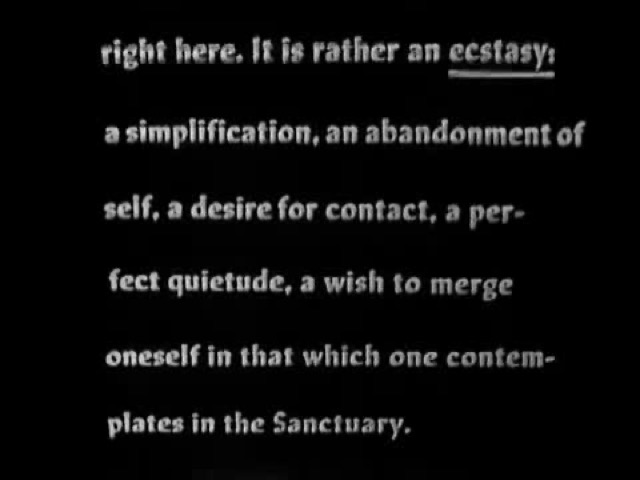
Poems read line by line on the screen while Richards reads them aloud: Donne's “The Ecstasy”, “The Garden”, Keats's Grecian urn, the jilting of Troilus, Shakespeare's “The Phoenix and the Turtle” and old ballads, with Plato and Plotinus behind them.
44 radio recordings · 1966
Poetry Discovered
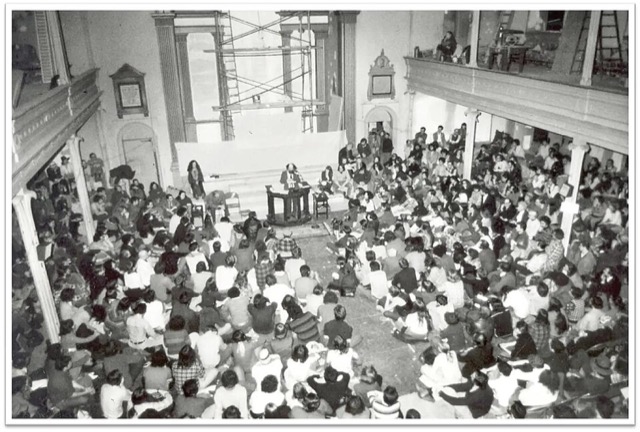
Allen Ginsberg, Ted Berrigan, Diane Wakoski and others · WRVR New York
Live readings recorded for New York radio in the year the downtown poetry scene took off: Allen Ginsberg reading with his father Louis, Ted Berrigan, Diane Wakoski, Galway Kinnell, Paul Blackburn, Joel Oppenheimer and many others.
6 video lectures · 2018–19
Wordsworth and the Romantics
Jonathan Bate · Gresham College
The movement Isaiah Berlin called the greatest shift in Western consciousness: its origins, Wordsworth and Coleridge, the Romantic child, Byron, Keats and his friends, and the Lake District from Wordsworth to Beatrix Potter.
4-week course with discussion, 3 hours a week · ongoingFree account
Robert Frost: The American Voice
Jay Parini · Ralston College, on FutureLearn
Frost's poems and life, taught by his biographer, the poet and novelist Jay Parini.
Free FutureLearn account. The course's maker pays for permanent free access, and each step has a discussion thread with learners from around the world.
Language and theory
8 programmesUnofficial upload
The Adventure of English
Melvyn Bragg · ITV, 2003
English from its Frisian roots through Viking and Norman influence, Chaucer, Tyndale's Bible and Shakespeare to American, Indian and Caribbean English.
9 programmesUnofficial upload
The Story of English
Robert MacNeil · BBC and PBS, 1986
How English spread from Anglo-Saxon England to Scotland, Ireland, America, Australia and the Caribbean, with Black English, pidgins and Creole along the way.
Missing from the playlistEpisode 3
192 podcast episodes, ongoing · since 2012
The History of English Podcast
Kevin Stroud
The English language from its Indo-European roots through Old English, the Vikings and the Norman Conquest to late Middle English, told through words, texts and history.
26 video lectures with transcripts · 2009
Introduction to Theory of Literature
Paul H. Fry · Open Yale Courses
Literary theory from hermeneutics and the New Criticism through structuralism, deconstruction, psychoanalysis and Marxism to gender and postcolonial theory, each tried on examples.
4 series, 23 video lectures · 2013–17
The Mysteries of Reading and Writing
Belinda Jack · Gresham College
Close reading over four years: what reading is, then single works read in depth, from Rasselas, Stendhal, Keats, Gray and Edith Wharton to Four Quartets, Plath, Ibsen, Chekhov, Beckett and Stoppard, and the rhetoric of Austen, Dickens, Coleridge, Frost and Shakespeare's sonnets.
SeriesThe Mysteries of Reading and WritingThe Mysteries of Writing Novels and PoemsThe Mysteries of Writing Poems and PlaysRhetoric and the Life of Literature
Art
Saylor: 19 courses in art history →
The great surveys 10Ways of seeing 9Antiquity to Renaissance 7Baroque to modernism 10British art 5Beyond Europe 7
The great surveys
13 programmesUnofficial upload
Civilisation
Kenneth Clark · BBC, 1969
European art and ideas from the fall of Rome to the industrial age: Romanesque abbeys, Chartres, Florence, Michelangelo, Rembrandt, the Enlightenment and the Romantics.
10 programmesUnofficial upload
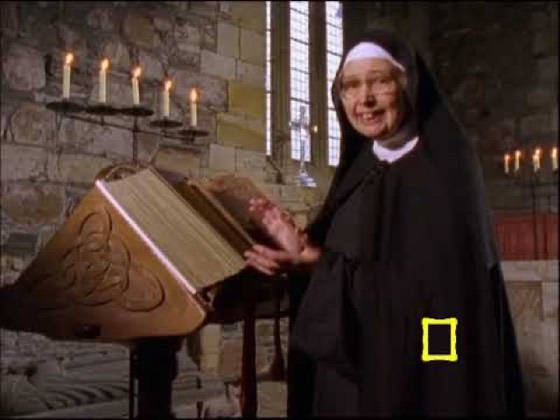
Sister Wendy's Story of Painting
Sister Wendy Beckett · BBC, 1996
Western painting from cave art and Giotto to the twentieth century, explained picture by picture in front of the works in European and American museums.
10 video programmes · 1989Unofficial copy
Art of the Western World
Michael Wood (host) · Annenberg / WNET
European art and architecture from classical Greece through the Middle Ages, Renaissance and Baroque to modernism, filmed at the works themselves.
11 full series
Waldemar Januszczak's art series
Waldemar Januszczak · ZCZ Films for BBC, Channel 4 and Sky Arts, 2004–16
Each series as one long video: the art of the Dark Ages, the Renaissance, Baroque, Rococo, the Impressionists, sculpture, Van Gogh and American art.
The Renaissance Unchained needs a signed-in YouTube account
one-semester syllabus in 13 units of short videos and essays · ongoing
Smarthistory
Beth Harris and Steven Zucker · Smarthistory
World art history across continents from the earliest art to today, as a sequence of short videos and essays; the videos are often unscripted conversations between Harris and Zucker in front of the work.
two one-semester syllabi of short videos and essays · ongoing
Smarthistory survey: Prehistory to the Modern Era
Beth Harris and Steven Zucker · Smarthistory
The classic two-semester survey: prehistory to the Middle Ages around the Mediterranean, then the Renaissance to the modern era in Europe.
one-semester syllabi of short videos and essays · ongoing
Smarthistory syllabi by period and region
Smarthistory
Ready-made syllabi for single periods and traditions, each a sequence of Smarthistory's videos and essays.
SyllabiGreekRomanMedieval and Byzantine1400–180019th centuryModernIslamicLatin AmericanAfrican AmericanArchitecturePhotography
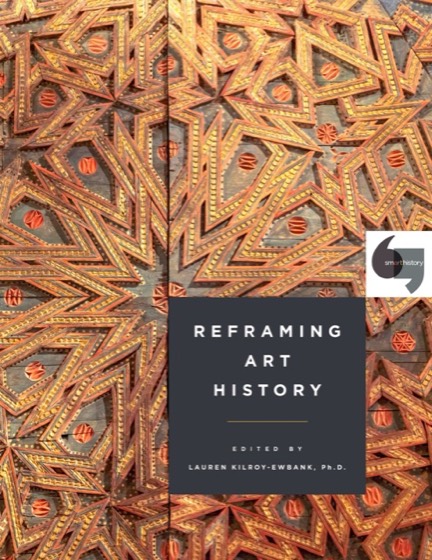
free online textbook, 62 chapters · ongoing
Reframing Art History
Smarthistory
Smarthistory's own textbook, written by specialists: world art in chapters on single regions and periods, from Islamic art and the Roman empire to the colonial Andes and the Northwest Coast.
13 video programmes with guides · 2009Unofficial copy
Art Through Time: A Global View
Annenberg
Art from many cultures and periods grouped by theme, such as the body, death, power, ritual and writing, rather than by period.
written course with many illustrations, 10 hours · ongoing
Art and visual culture: medieval to modern
The Open University, OpenLearn
What art and visual culture are and how they have changed from the Middle Ages to the present, with examples across the centuries.
Ways of seeing
4 programmesUnofficial upload
Ways of Seeing
John Berger · BBC, 1972
How reproduction changes paintings, how the female nude was painted for male owners, how oil painting displayed property, and how advertising borrows from it.
10 programmesARTE until 15 January 2030
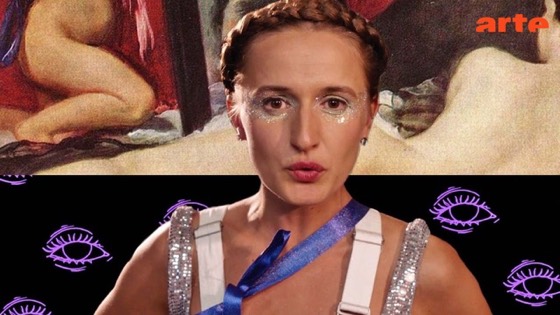
Look but Don't Touch
ARTE
Ten short programmes, each on a single painting, by Manet, Vermeer, Titian, Caravaggio and others: what it shows, how it was made and received.
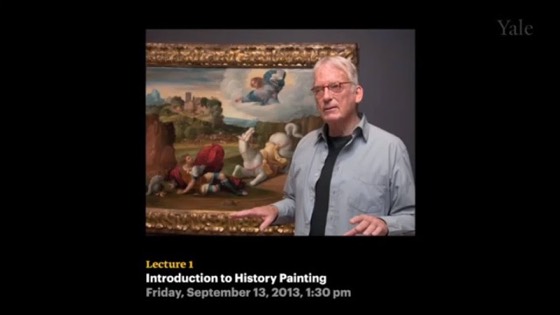
12 video lectures · 2013
Let This Be a Lesson: Heroes, Heroines and Narrative in Paintings at Yale
John Walsh · Yale University Art Gallery
Eleven narrative paintings in Yale's collections, one per lecture, from Pollaiuolo's Hercules and Rubens's Hero and Leander to John Martin's Belshazzar's Feast and Anselm Kiefer.
5 programmesUnofficial upload
Landscape and Memory
Simon Schama · BBC, 1995
How forests, rivers and mountains shaped European and American myth, painting and national identity, from Polish forests to the Thames and Mount Rushmore.
3 programmesUnofficial upload
A History of Art in Three Colours
James Fox · BBC Four, 2012
Gold, blue and white as threads through world art, and the meanings societies gave them.
5 hours, text with images
Making sense of art history
The Open University, OpenLearn
How a work of art produces its effects: colour, medium, composition, and the step from technique to meaning and interpretation.
written course with 6 activities, 10 hours · ongoing
Artists and authorship: the case of Raphael
The Open University, OpenLearn
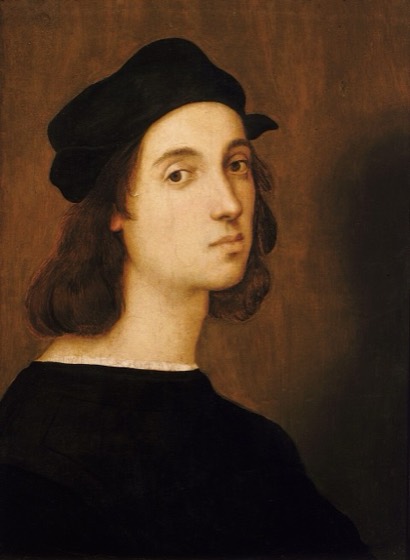
How art history judges the figure of the artist, using Raphael and his workshop as the test case.
2 series, 12 video lectures · 2010–12
Christian Themes in Art
Richard Harries · Gresham College
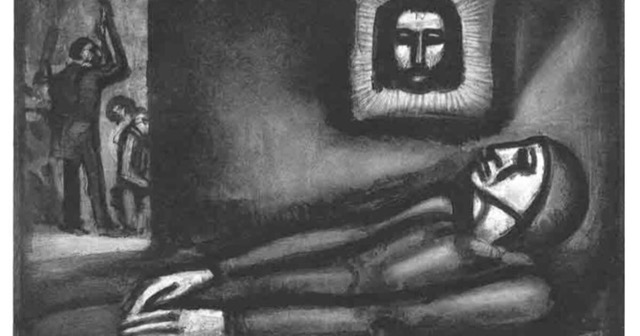
How artists have painted the Christian story, from the first Christian art through the Nativity, the Passion and the Resurrection to Stanley Spencer, and how modern artists kept faith with it through the shocks of modernism.
22 video episodes of about 11 minutes · 2024
Crash Course Art History
Sarah Urist Green · Crash Course
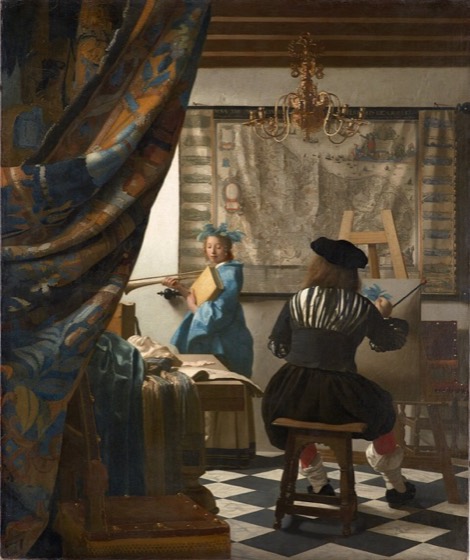
Questions about art rather than a timeline: how to look at a work, what museums are for, what makes an artist great, how religions use art, and why art is so expensive.
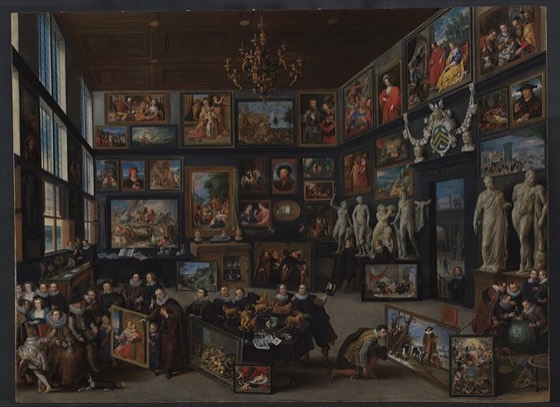
Antiquity to Renaissance
45 video lectures · 2013
Italian Renaissance
Vida Hull · East Tennessee State University
Italian art from Brunelleschi, Ghiberti and Masaccio through Botticelli, Mantegna and the Bellinis to Leonardo, Michelangelo, Raphael, Titian, Tintoretto and Mannerism, one artist at a time.
The playlist is not in teaching order: the survey lectures marked ARTH 2020/4037 give the overview, and the others take one artist each
3 programmesUnofficial upload
A Very British Renaissance
James Fox · BBC Two, 2014
Argues that Tudor and Stuart Britain had a Renaissance in painting, poetry and building to match Italy's.
24 video lectures · 2009
Roman Architecture
Diana E. E. Kleiner · Yale University
Roman building from the founding of the city through Pompeii and Herculaneum, Augustus' marble Rome, the Colosseum and Trajan's forum to the provinces of North Africa and the Near East.
The Open Yale Courses page now keeps 15 of the 24 lectures; the full series is on Yale's YouTube channel
5-week written course with 34 activities and 16 videos, 30 hours · ongoing
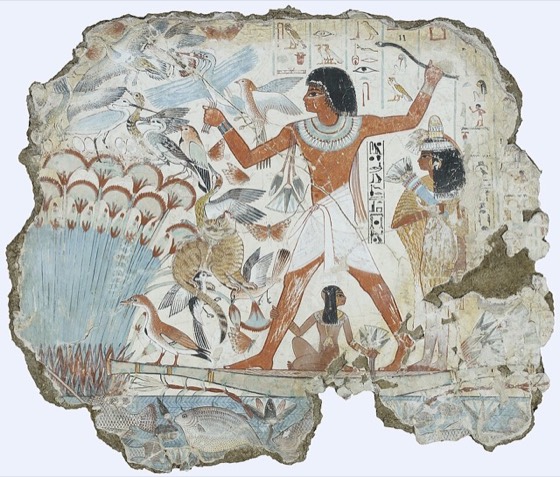
Art and life in ancient Egypt
The Open University, OpenLearn
Egyptian art and society seen through the painted tomb-chapel of Nebamun, a grain accountant of around 1350 BC, and the world his walls depict.
written course with 1 activity and many illustrations, 6 hours · ongoing
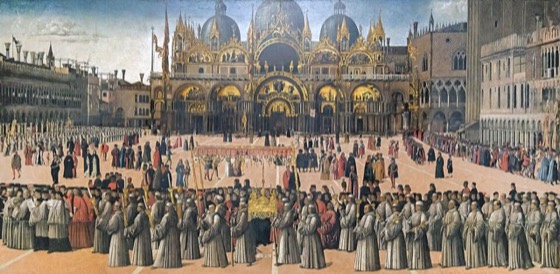
Art in Renaissance Venice
The Open University, OpenLearn
How the art of Renaissance Venice was shaped by the city's lagoon setting, trade and ethnically diverse population.
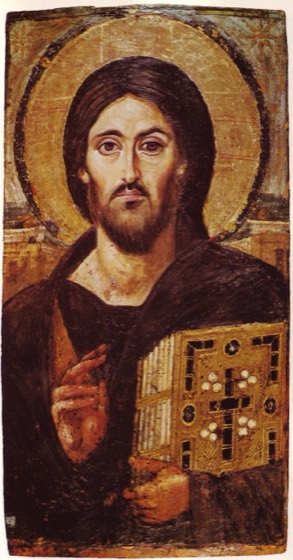
2-week written course with 9 activities and 1 video, 8 hours · ongoing
The Byzantine icon
The Open University, OpenLearn
The Byzantine icon: what it was for, the spaces it occupied and the subjects it depicts.
4 series, 19 video lectures · 2014–21
Art and Power
Simon Thurley · Gresham College
Art, architecture and power in Tudor and Stuart England: why monarchs and aristocrats collected and built as they did, the royal palaces from the Saxons to the last Stuarts, the great houses of the Cecils, Boleyns and Marlboroughs, and the makeshift courts of the century of revolution.
SeriesArt and PowerThe Royal Palaces of EnglandGreat Tudor and Stuart HousesTheatres of Revolution: The Stuart Kings and the Architecture of Disruption
Baroque to modernism
3 programmesUnofficial upload
Looking for Rembrandt
Toby Jones (voice of Rembrandt) · BBC Four, 2019
A dramatised biography: the rise, The Night Watch and bankruptcy, the last years.
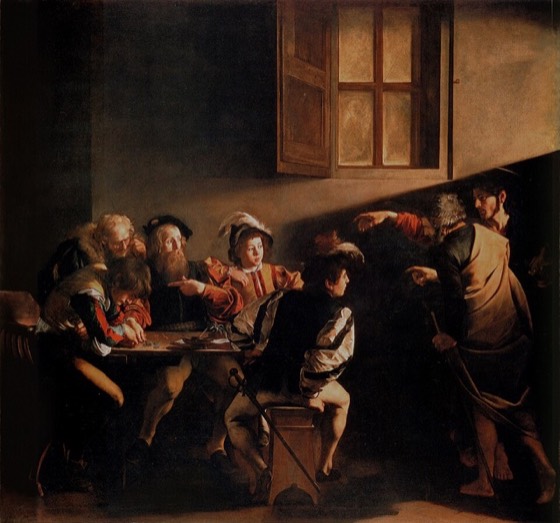
written course with 17 activities, 20 hours · ongoing
Helen Langdon's 'Caravaggio'
The Open University, OpenLearn
Whether knowing Caravaggio's turbulent life helps us interpret his paintings, through a reading of Helen Langdon's biography.
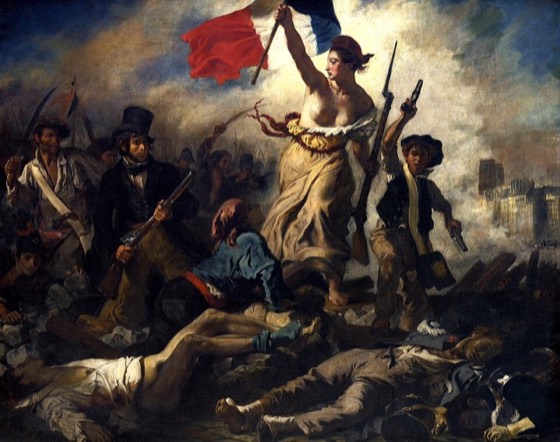
written course with 5 activities and 4 videos, 16 hours · ongoing
Delacroix
The Open University, OpenLearn
A range of Delacroix's paintings and how they reflect the cultural shift from the Enlightenment to Romanticism.
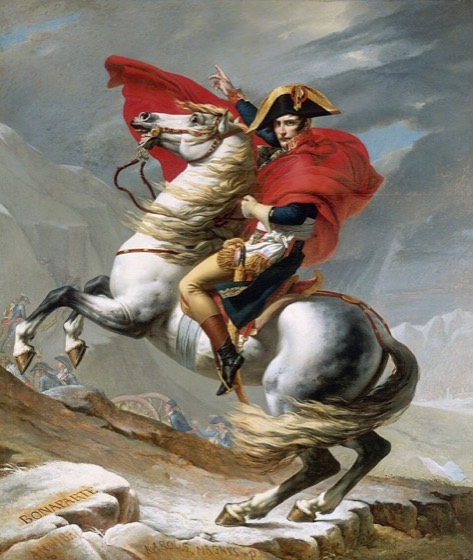
written course with 11 activities and 3 videos, 16 hours · ongoing
Napoleonic paintings
The Open University, OpenLearn
Images of Napoleon by David, Gros and others, read as art and as political propaganda.
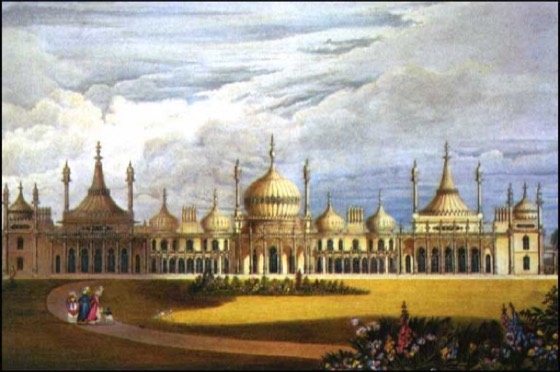
written course with 14 activities, 10 videos and 37 PDF sources, 16 hours · ongoing
Brighton Pavilion
The Open University, OpenLearn
The Royal Pavilion at Brighton and its place in nineteenth-century Romanticism and exoticism.
8 programmesUnofficial upload
The Shock of the New
Robert Hughes · BBC, 1980
Modern art from the Impressionists to the 1970s: Cubism, Futurism, Dada, Surrealism, modernist architecture, Abstract Expressionism and Pop Art.
3 programmesUnofficial upload
British Art at War: Bomberg, Sickert and Nash
Andrew Graham-Dixon · BBC Four, 2014
Three painters who set out to paint a new world and ended up painting the First World War.
4 programmesUnofficial upload
Age of the Image
James Fox · BBC Four, 2020
How photography, film, television and screens remade seeing in the 20th century.
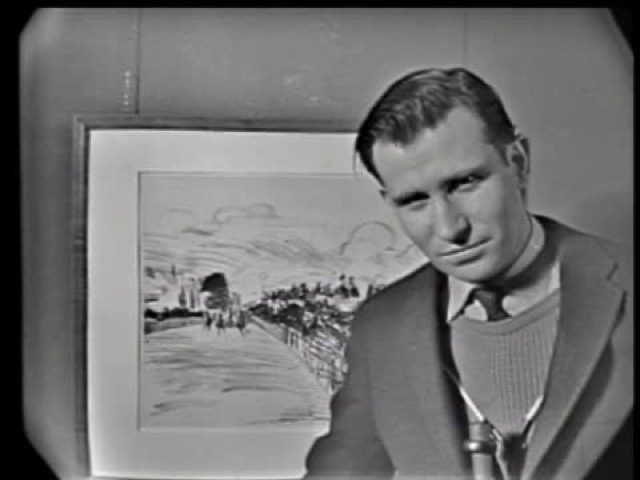
25 television programmes · 1959–62
Invitation to Art
Brian O'Doherty · WGBH Boston
An Irish painter and critic in front of the pictures at Boston's Museum of Fine Arts: themes such as childhood, love and the gods, then Manet, Monet, Degas, Renoir, Van Gogh, Gauguin, Munch, Klee and Rubens, and conversations with Edward Hopper and Jack Levine.
4 video lectures · 2013–14
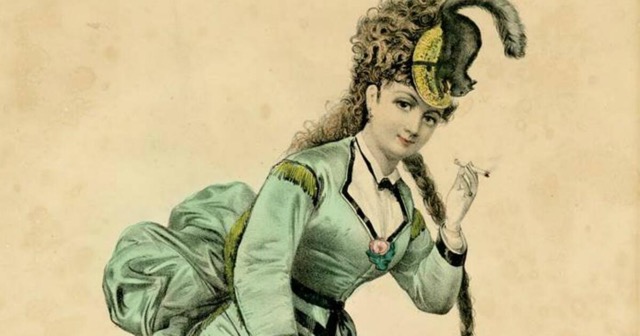
Men in Black and Women in Red: Fashion, Art and Modernity in the 19th Century
Lynda Nead · Gresham College
Fashion as a picture of modern life in nineteenth-century art and fiction: the black suit, the crinoline, the girl of the period and the woman in red.
British art
8 programmesUnofficial upload
Art That Made Us
BBC Two, 2022
Ten centuries of British and Irish art told through moments of crisis, from the Lindisfarne Gospels to the present.
4 programmesUnofficial upload
The Story of Scottish Art
Lachlan Goudie · BBC Two, 2015
Scottish art from Pictish stones to the present, told by a painter.
3 programmesUnofficial upload
Romancing the Stone: The Golden Ages of British Sculpture
Alastair Sooke · BBC Four, 2011
British sculpture from medieval masons through empire to modernism.
13 video lectures · 2010–13
A History of English Architecture: 410 - 2013
Simon Thurley · Gresham College
English architecture from the end of Roman Britain to the present, in thirteen lectures by the head of English Heritage: the Saxons and Normans, the great churches, the Tudors, Georgian consensus, the Victorian city, the world wars and the post-war years.
2 series, 9 video lectures · 2015–18
Great London Buildings and their Creators
Simon Thurley · Gresham College
London's buildings and the people who made them: the medieval Guildhall, the doctors' buildings, Wren, the five catastrophes that shaped the city, merchants' houses, the Thames, St James's and the birth of the West End and Covent Garden's theatres.
SeriesPower, Medicine, Genius and Destruction: Great London Buildings and their Creators, 1200 to 2000Merchants, Money and Megalomania and Buildings in the West End of London
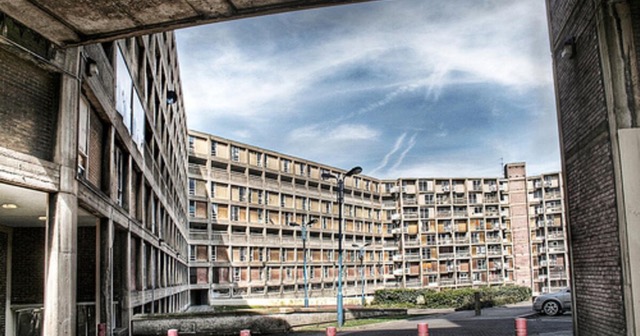
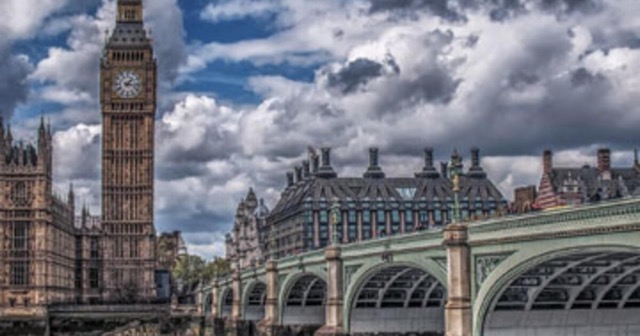
Beyond Europe
3 programmesUnofficial upload
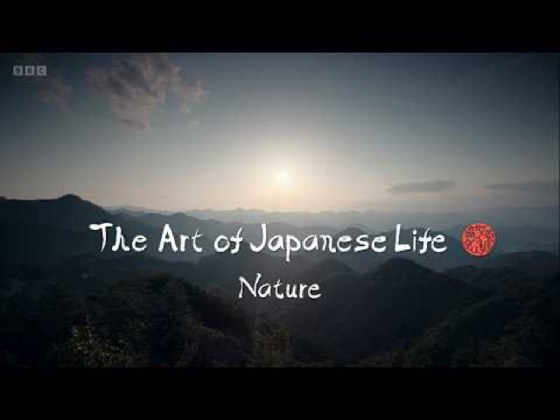
The Art of Japanese Life
James Fox · BBC Four, 2017
Japanese art through nature, the city and the home.
6 programmesUnofficial upload
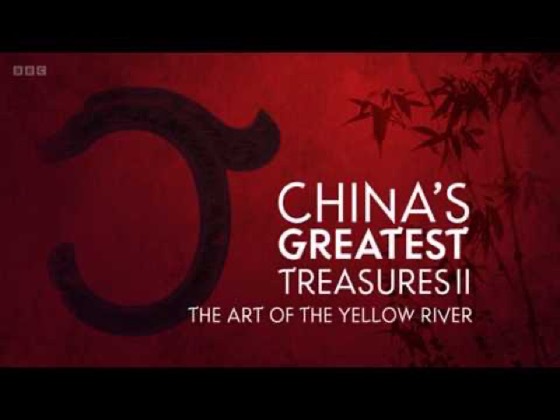
China's Greatest Treasures II
Alastair Sooke · BBC News, 2025
Chinese art through six themes: the Yellow River, fashion, tea, music and dance, the dragon and the garden.
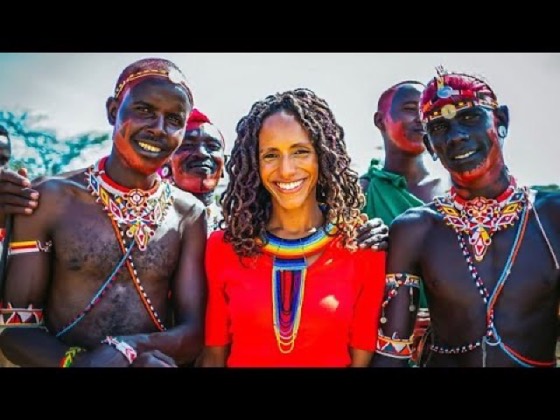
3 programmesUnofficial upload
African Renaissance: When Art Meets Power
Afua Hirsch · BBC Four, 2020
Art and politics in Ethiopia, Senegal and Kenya.
3 programmesUnofficial upload
Oceans Apart: Art and the Pacific
James Fox · BBC Four, 2018
The art of Australia, Polynesia and New Zealand, and the encounter with Europe.
3 programmesUnofficial upload
The Art That Made Mexico: Paradise, Power and Prayers
Alinka Echeverría · BBC Four, 2017
Mexican art from pre-Hispanic sources through landscape painting to the muralists.
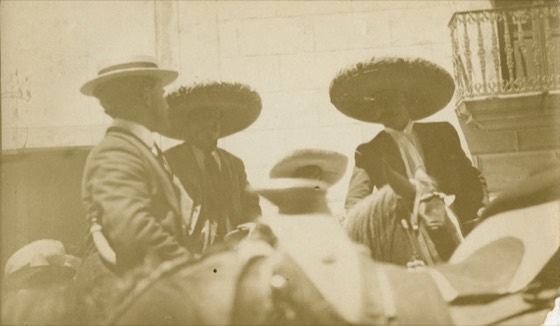
written course with 8 activities and 2 videos, 7 hours · ongoing
Art and the Mexican Revolution
The Open University, OpenLearn
One of Diego Rivera's government-commissioned murals and the politics of art after the Mexican Revolution.
5-week course with discussion, 1 hours a week · ongoingFree account
Art and the Environment in Southeast Asia: Landscape as Ideology
Teo Hui Min · National Gallery Singapore, on FutureLearn
Landscape painting in Southeast Asia in the late 19th and early 20th centuries, and the colonial and national ideas behind what artists chose to show.
Free FutureLearn account. The course's maker pays for permanent free access, and each step has a discussion thread with learners from around the world.
Theatre and dance
Theatre through the ages 5Shakespeare and his age 8
Theatre through the ages
51 video episodes of about 12 minutes · 2018–19
Crash Course Theater and Drama
Mike Rugnetta · Crash Course / PBS Digital Studios
World theatre in short episodes, from Greek tragedy and Roman comedy through Sanskrit drama, Noh, Shakespeare and Ibsen to the Broadway musical.
3 programmesUnofficial upload
Ancient Greece: The Greatest Show on Earth
Michael Scott · BBC Four, 2013
Greek drama from Athenian democracy through the Hellenistic kings to Rome.
30 video lectures, many of them interviews · 2013
Introduction to Theatre and Drama Arts
Robert Bradley · Missouri State University
How theatre is made and watched: the audience, the structure of a play, the American musical, directing, design and producing, with interviews with actors and playwrights.
6 programmesUnofficial upload
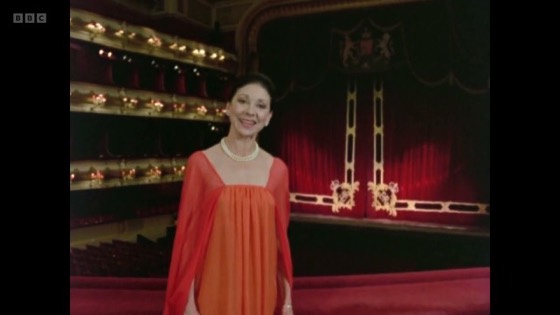
The Magic of Dance
Margot Fonteyn · BBC Two, 1979
Margot Fonteyn's history of dance and ballet, with archive performances.
written course with 17 activities, 15 hours · ongoing
Approaching plays
The Open University, OpenLearn
How to read and analyse plays as literature and as works written for performance.
Shakespeare and his age
32 audio lectures, one per play · 2010–2024
Approaching Shakespeare
Emma Smith · University of Oxford
Each lecture takes one play, from Love's Labour's Lost and Richard III to Twelfth Night, Hamlet, Othello, Macbeth and King Lear, and opens it through a single question.
4 programmesUnofficial upload
In Search of Shakespeare
Michael Wood · BBC, 2003
Shakespeare's life from Stratford to the London playhouses, read from documents of the time: religious persecution, the plague, patrons and the plays as they appeared.
6 video lectures · 2017–18
Classic Shakespeare
Jonathan Bate · Gresham College
Shakespeare and the classical world he read at school: his heroes, lovers, politics, ghosts and spirits, his London and ancient Rome, and how he became famous.
3 programmesUnofficial upload
The King and the Playwright: A Jacobean History
James Shapiro · BBC Four, 2012
Shakespeare's plays under James I: plague, plot and a new dynasty.
12 audio lectures, one per play · 2009–15
Not Shakespeare: Elizabethan and Jacobean Popular Theatre
Emma Smith · University of Oxford
Twelve plays by Shakespeare's contemporaries, among them Doctor Faustus, The Spanish Tragedy, The Duchess of Malfi, The Alchemist, 'Tis Pity She's a Whore and Arden of Faversham.
written course with 6 activities, 15 hours · ongoing
Christopher Marlowe, Doctor Faustus
The Open University, OpenLearn
Marlowe's Doctor Faustus read for what it tells us about its author and Elizabethan England.
written course with 6 activities, 12 hours · ongoing
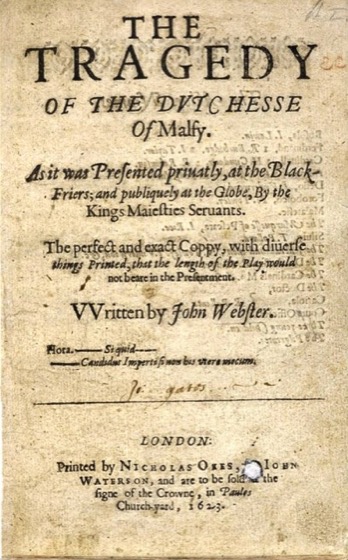
John Webster, The Duchess of Malfi
The Open University, OpenLearn
Acts 1 and 2 of Webster's Jacobean tragedy, focusing on how it represents marriage and power.
6 hours, text
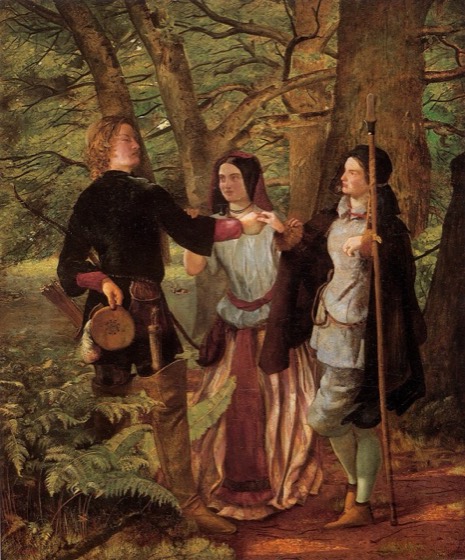
Reading Shakespeare's As You Like It
The Open University, OpenLearn
A guided reading of the main speeches and scenes, the role-play between Rosalind and Orlando, the play's many kinds of language, and the play in performance.
WorksAs You Like It
Film
23 video lectures · 2013 (some lectures recorded 2007)
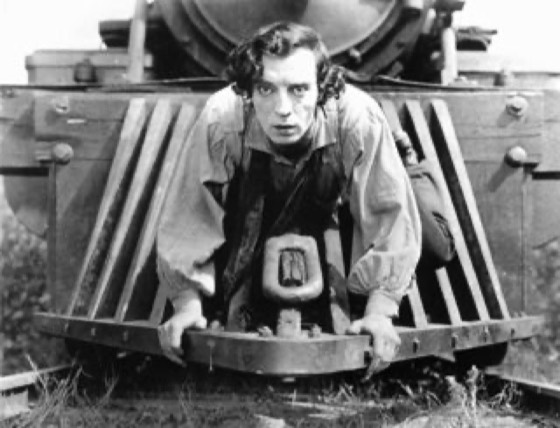
The Film Experience
David Thorburn · MIT OpenCourseWare
Film from Griffith, Chaplin and Keaton through Hollywood genres, Capra, Hawks and Hitchcock to Renoir, De Sica, Kurosawa and Altman.
18 video lectures · 2010
Holocaust in Film and Literature
Todd Presner · UCLA
The history of the Holocaust and how it has been remembered, through the problems writers and filmmakers meet when they try to represent it.
Some film clips are blurred or cut for copyright reasons
6 video lectures · 2008–09
Film Music
Roger Parker · Gresham College
How film music is made and what it does to the film, with Hitchcock's Psycho, the Western, opera on screen and a famous railway station.
16 video episodes of about 10 minutes · 2017
Crash Course Film History
Craig Benzine · Crash Course / PBS Digital Studios
Film from the Lumière brothers and Méliès through German Expressionism, Soviet montage and the coming of sound to classical Hollywood, independent cinema, world cinema and documentary.
4-week course with discussion, 4 hours a week · ongoingFree account
Critical Approaches to Film
Ian Wall · Film Distributors' Association, on FutureLearn
How films are judged and argued about: criticism and film theory, from star ratings to reading a film as art and as a cultural product.
Free FutureLearn account. The course's maker pays for permanent free access, and each step has a discussion thread with learners from around the world.
History
Saylor: 30 courses in history →
The long view 15Greece and Egypt 10Rome 9The Middle Ages 6Reformation to Enlightenment 9Revolutions and world wars 12
The long view
52 video lectures · 1989Unofficial copy
The Western Tradition
Eugen Weber · Annenberg / WGBH
Western civilisation from the first cities and Egypt to the twentieth century, in half-hour lectures by the UCLA historian Eugen Weber.
26 video sessions of about 75 minutes · 2010
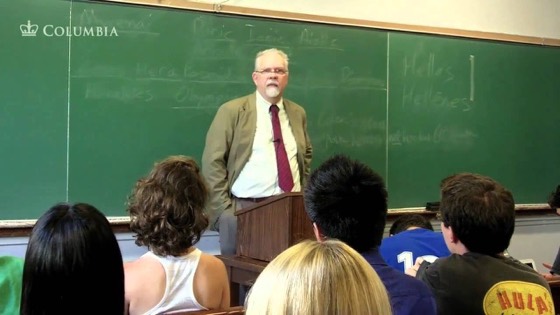
History of the World to 1500 CE
Richard Bulliet · Columbia University
World history from human origins to 1500, with Asia, Africa and the Islamic world at the centre rather than Europe alone; a second course continues from 1500.
26 video programmes with course materials · 2004Unofficial copy
Bridging World History
Annenberg
World history told through connections rather than nations: trade, migration, faith, empire and environment, with the full course guides.
42 video episodes of about 13 minutes · 2012
Crash Course World History
John Green · Crash Course
Human history in short episodes, from the agricultural revolution and the first cities through the Silk Road, the Mongols and the Atlantic world to globalisation, with Asia, Africa and the Americas given as much room as Europe.
13 programmesUnofficial upload
The Age of Uncertainty
John Kenneth Galbraith · BBC, 1977
The history of economic ideas and their consequences: Adam Smith, Malthus, Marx, colonialism, Keynes, the corporation, money, inflation and the arms race.
4 programmesUnofficial upload
The Ascent of Woman
Amanda Foreman · BBC Two, 2015
Ten thousand years of world history from women's point of view.
26 video lectures with transcripts · 2010
Epidemics in Western Society Since 1600
Frank Snowden · Open Yale Courses
Plague, smallpox, cholera, tuberculosis, malaria and AIDS, and what each did to societies, from quarantine and public health to germ theory, panic and plague literature.
26 audio lectures · 2006
European Civilization from the Renaissance to the Present
Thomas Laqueur · UC Berkeley
Europe from the Renaissance through the Reformations, the Enlightenment and the revolutions to the world wars and genocide, by a leading cultural historian.
50 video episodes of about 15 minutes · 2019–20
Crash Course European History
John Green · Crash Course
Europe from the late Middle Ages to the present in short episodes: Renaissance Florence, the Reformation, witchcraft, the Dutch Golden Age, the Enlightenment, 1848, the world wars, decolonisation and the fall of communism.
24 video lectures with transcripts · 2008
European Civilization, 1648–1945
John Merriman · Open Yale Courses
Europe from absolutism and the French Revolution through industrialisation, nationalism and empire to the two world wars, told with many stories of ordinary people.
4-session written course with 13 activities and 1 video, 8 hours · ongoing
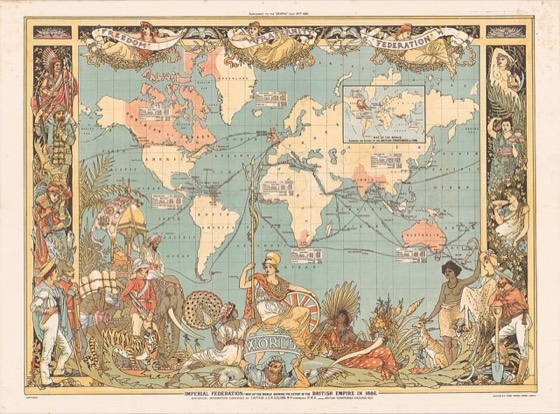
Empires: power, resistance, legacies
The Open University, OpenLearn
Empires across history: how they ruled, how people resisted them, and what they left behind.
4 programmesUnofficial upload
Lost Kingdoms of Central America
Jago Cooper · BBC Four, 2014
Forgotten pre-Columbian civilisations of Central America and the Caribbean.
3-week written course with 32 activities, 7 videos, interactive material and weekly quizzes, 12 hours · ongoing
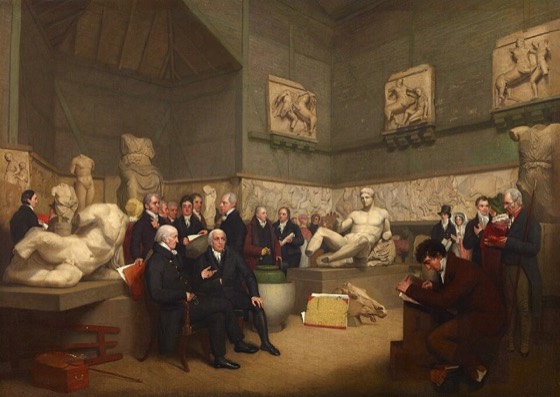
The ethics of cultural heritage
The Open University, OpenLearn
The theory behind protecting cultural property in war zones, its looting and its return.
4 video lectures · 2014
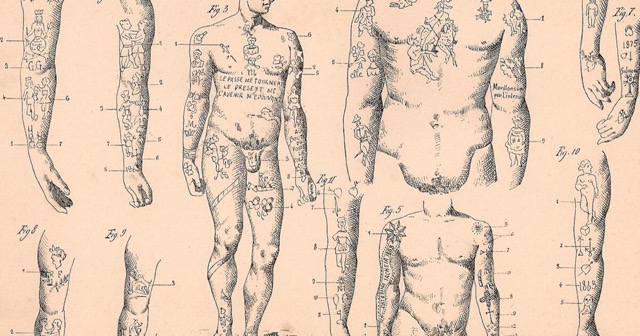
How Do I Know Who You Are? Proving Identity in English and European History
Jane Caplan · Gresham College
A history of proving who you are, through three marks of identity: the personal name, handwriting and the signature, and the tattoo.
open textbook in two volumes, 32 chapters · 2022–23
World History
Ann Kordas, Ryan J. Lynch, Brooke Nelson, Julie Tatlock and others · OpenStax (Rice University)
From the first humans to the present, with the same weight on Africa, Asia and the Americas as on Europe; the first volume runs to 1500, the second from 1400.
Greece and Egypt
24 video lectures with transcripts · 2007
Introduction to Ancient Greek History
Donald Kagan · Open Yale Courses
Greece from the Bronze Age through the polis, Sparta and Athens and the Persian Wars to the Peloponnesian War, by a historian of that war.
6 programmesUnofficial upload
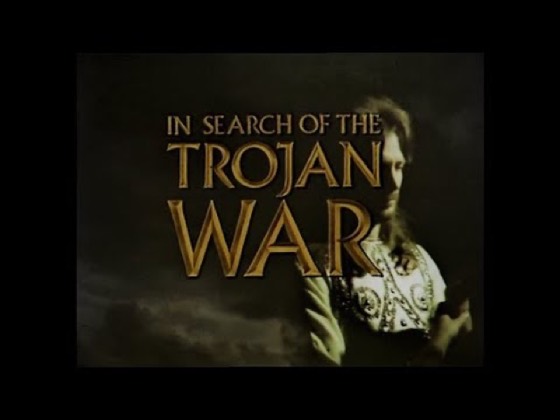
In Search of the Trojan War
Michael Wood · BBC, 1985
Whether Homer's Troy existed: Schliemann's excavations at Hisarlik, Mycenae, Hittite archives and Linear B tablets, set against the Iliad.
WorksIliad
112 podcast episodes · 2016–24
The History of Ancient Greece
Ryan Stitt
Greece from the Bronze Age palaces through the archaic and classical periods to Sparta's hegemony after the Peloponnesian War, with episodes on literature, religion and art.
27 audio lectures, most with a PDF handout · 2012–13
Ancient Greece: Myth, Art, War
Chris Mackie and Gillian Shepherd · La Trobe University
The Iliad and the Trojan War, the Persian and Peloponnesian wars, Athenian drama and vase painting, and how the same myths appear in epic, tragedy and art.
27 audio lectures, most with a PDF handout · 2013–14
Ancient Greece: City and Society
Gillian Shepherd · La Trobe University
Greek cities from the Archaic period to the fourth century BCE through texts and archaeology: Athenian democracy, festivals and drama, women, Sappho, sexuality, slavery, death and money.
4 programmesUnofficial upload
Immortal Egypt
Joann Fletcher · BBC Two, 2016
Ancient Egyptian civilisation from the pyramids to foreign conquest.
6 hours, text
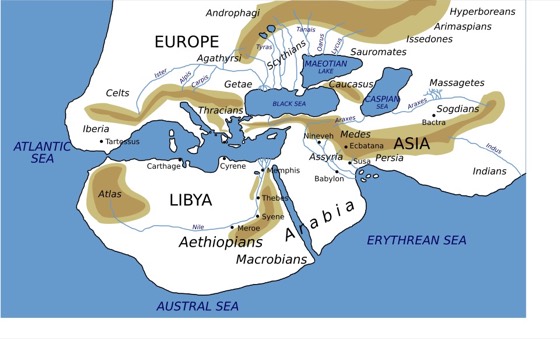
Herodotus and the invention of history
The Open University, OpenLearn
How Herodotus researched and wrote his account of the wars between Greeks and Persians, read through the story of Croesus.
WorksHistories
20 hours, text with sources
Introducing the Classical World
The Open University, OpenLearn
How classicists study ancient Greece and Rome, working directly with literary texts, inscriptions, images and archaeological remains.
written course with 5 activities, 7 hours · ongoing
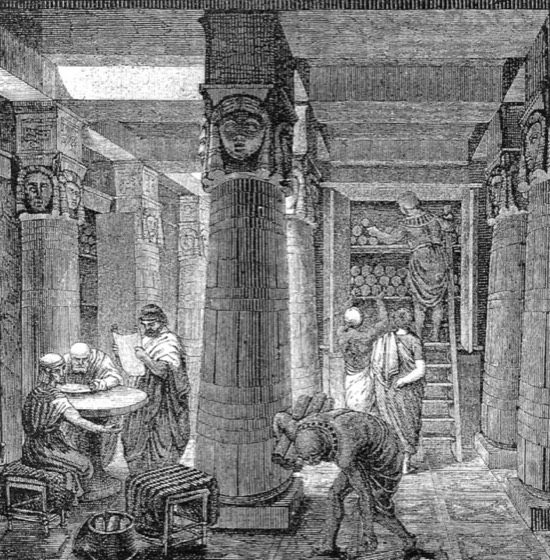
Library of Alexandria
The Open University, OpenLearn
The Library of Alexandria as a way into the question of how we know what we know about antiquity.
6-week course with discussion, 3 hours a week · ongoingFree account
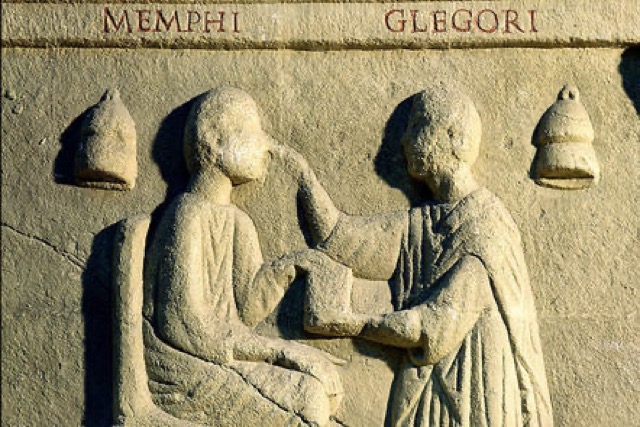
Health and Wellbeing in the Ancient World
Helen King · The Open University, on FutureLearn
What being healthy meant in Greece and Rome, worked out from medical writers, inscriptions and archaeological finds.
Free FutureLearn account. The course's maker pays for permanent free access, and each step has a discussion thread with learners from around the world.
Rome
179 podcast episodes · 2007–12
The History of Rome
Mike Duncan
Rome from its legendary founding through the kings, the Republic, Caesar and Augustus and the emperors to the fall of the Western Empire in 476.
4 programmesUnofficial upload
Mary Beard's Ultimate Rome: Empire Without Limit
Mary Beard · BBC, 2016
How a small Italian town built an empire stretching from Scotland to Syria, and what Roman citizenship, frontiers and provincial life meant over a thousand years.
The playlist also contains Meet the Romans and Pompeii
3 programmesUnofficial upload
Meet the Romans
Mary Beard · BBC, 2012
Ordinary inhabitants of imperial Rome read from tombstones, graffiti and inscriptions: shopkeepers, freed slaves, immigrants and the city's crowded streets.
The playlist continues with extras after the three episodes
26 audio lectures, most with a PDF handout · 2012–13
The Roman World
Rhiannon Evans · La Trobe University
Roman society, literature and art from the Republic and Plautus through Caesar, Augustus, Virgil and Ovid to Nero, Petronius, the arena and Pompeii.
3 programmesUnofficial upload
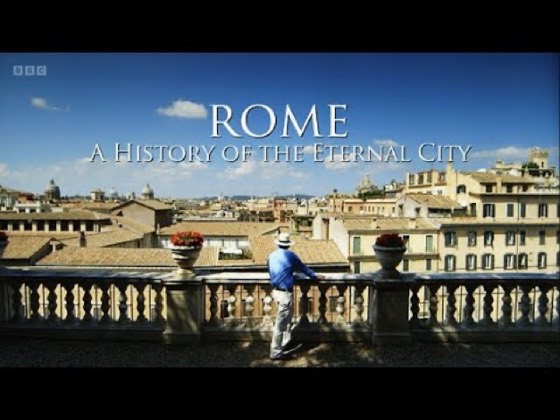
Rome: A History of the Eternal City
Simon Sebag Montefiore · BBC Four, 2012
Rome as a sacred city: pagan, papal and Renaissance.
written course with 8 activities, 1 video and spoken pronunciation guide, 6 hours · ongoing
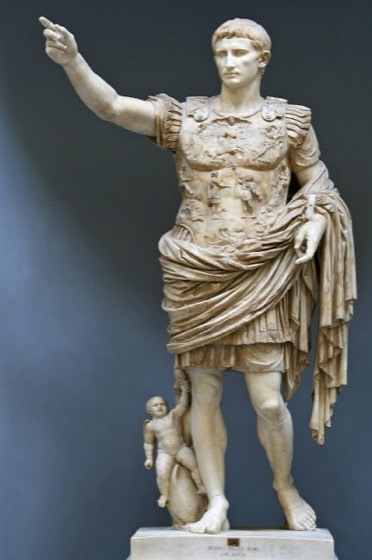
The many guises of the emperor Augustus
The Open University, OpenLearn
Rome's first emperor and his masterful use of visual propaganda to secure a fragile hold on power.
written course with 13 activities and 1 audio recording, 10 hours · ongoing
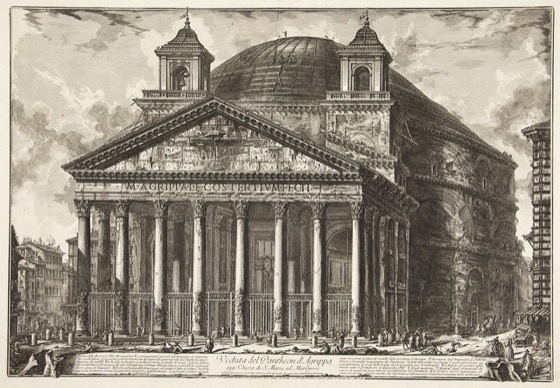
Hadrian's Rome
The Open University, OpenLearn
The city of Rome under the emperor Hadrian (117–38 CE) and how he changed its buildings and appearance.
short written unit with 4 activities and 3 videos, 15 hours · ongoing
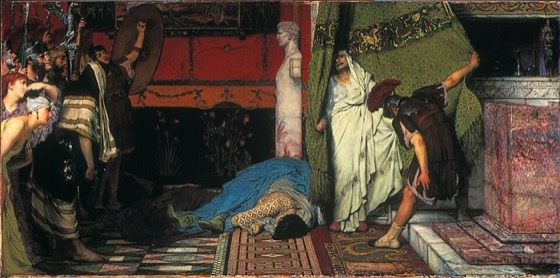
The repute and reality of being a Roman emperor
The Open University, OpenLearn
The Roman emperor's relations with the senate, the people of Rome, the army and the provinces, and how emperors were judged.
written course with 5 activities and 14 videos, 14 hours · ongoing
Exploring a Romano-African city: Thugga
The Open University, OpenLearn
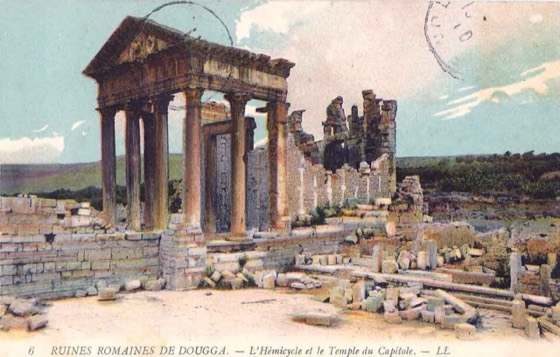
The Roman remains of Thugga (Dougga) in Tunisia and what they reveal about Roman Africa.
The Middle Ages
22 video lectures with transcripts · 2011
The Early Middle Ages, 284–1000
Paul Freedman · Open Yale Courses
Europe and the Mediterranean from the late Roman Empire through Byzantium, the barbarian kingdoms, Islam and Charlemagne to the Vikings and the year 1000.
8 programmesUnofficial upload
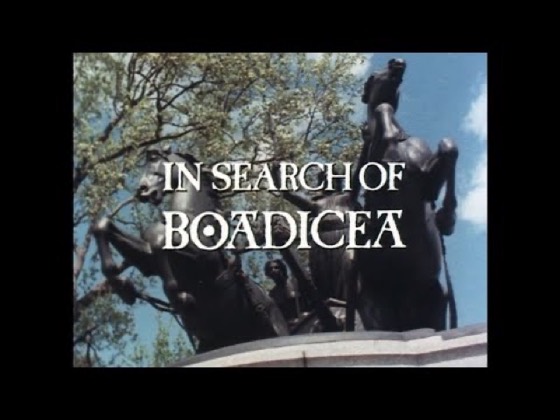
In Search of the Dark Ages
Michael Wood · BBC, 1979–81
England between the Romans and the Normans through eight figures, among them Boudicca, Arthur, Offa, Alfred the Great and William the Conqueror.
over 400 podcast episodes, ongoing · since 2012
The History of Byzantium
Robin Pierson
The Eastern Roman Empire after 476, picking up where Mike Duncan's The History of Rome ends and following it reign by reign.
28 video lectures in 14 sessions · 2009
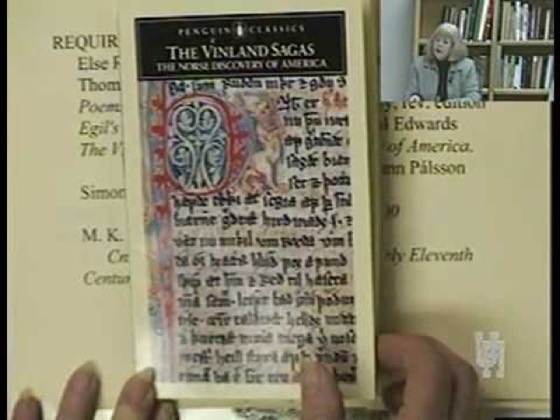
The Vikings
Sally N. Vaughn · University of Houston
Viking culture and religion, the raids on Europe, the voyages to North America, trade with Byzantium and the Islamic world, and the first Scandinavian kingdoms.
3 programmesUnofficial upload
Science and Islam
Jim Al-Khalili · BBC Four, 2009
Science in the Islamic world from the 8th to the 14th century.
6 programmesUnofficial upload
Michael Wood's Story of England
Michael Wood · BBC, 2010
English history from the Romans to the present, traced through the records, buildings and inhabitants of one Leicestershire village, Kibworth.
Reformation to Enlightenment
25 video lectures with transcripts · 2009
Early Modern England
Keith E. Wrightson · Open Yale Courses
Politics, religion and society under the Tudors and Stuarts, from households and villages, witchcraft and popular protest to the Reformation, the civil wars and the state after 1688.
numbered audio lectures, in three series · c. 1969–82
European Cultural History, 1500–1815
George L. Mosse · University of Wisconsin–Madison
Ideas, religion and popular culture in Europe from humanism and the Reformation to Napoleon, continued in two further series that run to 1870 and 1920.
4 programmesUnofficial upload
Conquistadors
Michael Wood · BBC Two, 2000
The Spanish conquest of the Aztecs and the Incas, and the search for El Dorado.
25 video lectures with transcripts · 2010
The American Revolution
Joanne B. Freeman · Open Yale Courses
How British colonists became American revolutionaries, from the imperial crisis of the 1760s through independence and the war to the Constitution of 1787.
written course with 16 activities, 10 hours · ongoing
Early modern Europe: an introduction
The Open University, OpenLearn
Europe from 1500 to 1780, from the upheavals of the Reformation to the Enlightenment.
written course with 10 activities and 5 videos, 16 hours · ongoing
The Enlightenment
The Open University, OpenLearn
The ideas and cultural changes of the eighteenth-century Enlightenment, mapped through its key concepts, thinkers, art and institutions.
written course with 11 activities and 1 audio recording, 8 hours · ongoing
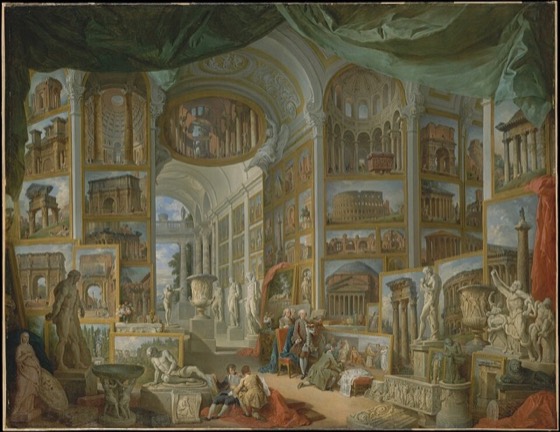
Travelling for culture: the Grand Tour
The Open University, OpenLearn
The eighteenth-century Grand Tour, when young aristocrats travelled across Europe to see its art, antiquities and cities.
20 video lectures · 2009
Science, Magic and Religion
Courtenay Raia · UCLA
How science, magic and religion were sorted apart in the West, from the pre-1700 world of natural magic through disenchantment to modern occultism and Cold War science.
6 video lectures · 2019–20
Atrocity and Religion in European Memory
Alec Ryrie · Gresham College
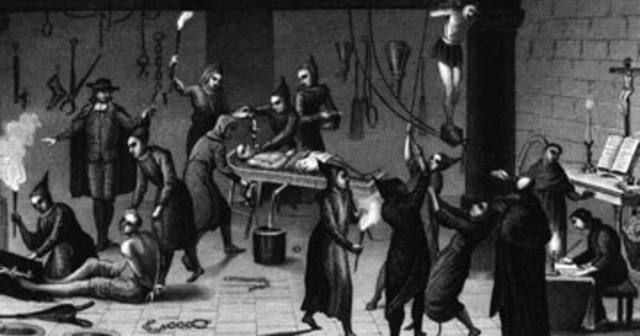
How deaths become atrocities in Europe's wars of religion: Bloody Mary, the Spanish Inquisition, St Bartholomew's Day, Drogheda and Wexford, and the forgotten Japanese martyrs.
Revolutions and world wars
about 400 podcast episodes in seasons · 2013–25
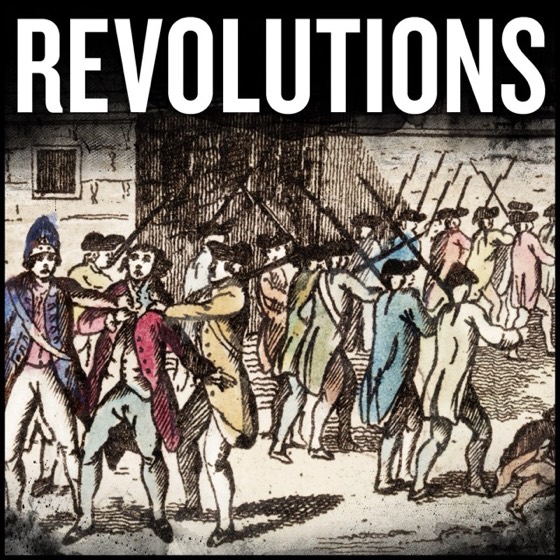
Revolutions
Mike Duncan
Nine revolutions in turn, from the English Civil War through the American, French and Haitian revolutions, 1830, 1848 and the Paris Commune to Mexico and Russia.
26 programmesUnofficial upload
The Great War
Michael Redgrave · BBC, 1964
The First World War from the Sarajevo assassination to the armistice, told through archive film and interviews with soldiers and civilians who lived through it.
Episodes 3, 13, 17, 24 and 26 need a signed-in YouTube account
27 video lectures with transcripts · 2008
The Civil War and Reconstruction Era, 1845–1877
David W. Blight · Open Yale Courses
The American Civil War from the slavery crisis of the 1840s and 1850s through the war itself to Reconstruction and how the war was remembered.
24 video lectures with transcripts · 2007
France Since 1871
John Merriman · Open Yale Courses
Modern France from the Paris Commune and the Third Republic through the Dreyfus Affair, the two world wars and Vichy to May 1968.
23 video lectures · 2022
The Making of Modern Ukraine
Timothy Snyder · Yale University
Ukraine from ancient history and the Kyivan state through Lithuania, Poland, the Cossacks and the empires to famine, war, independence and the Maidan, recorded during the Russian invasion.
69 videos over 14 weeks, lectures and interviews · 2015
Ireland in Rebellion, 1782–1916
Trinity College Dublin
Irish history from Grattan, Wolfe Tone and 1798 through O'Connell, the Famine, the Fenians and Parnell to the Easter Rising, the Treaty and the Civil War.
5 programmesUnofficial upload
The Story of Ireland
Fergal Keane · BBC One Northern Ireland / RTÉ, 2011
Irish history from the first invaders to the present.
3 programmesUnofficial upload
Empire of the Tsars: Romanov Russia
Lucy Worsley · BBC Four, 2016
The Romanov dynasty from Peter the Great to the revolution.
3-week written course with 9 videos and 1 audio recording, 9 hours · ongoing
The First World War: trauma and memory
The Open University, OpenLearn
The trauma of the First World War and how it has been remembered and commemorated since.
written course with 10 activities and 5 videos, 14 hours · ongoing
Roaring Twenties? Europe in the interwar period
The Open University, OpenLearn
European society and culture in the 1920s and 1930s, between the shadows of one world war and the next.
6 video lectures · 2010–11
The Victorians: Culture and Experience in Britain, Europe and the World 1815-1914
Richard J. Evans · Gresham College
The nineteenth century as a shared experience from Russia to America: art and culture, life and death, time and space, empire and race, gender and sexuality, and religion and science.
Religion
Religions of the world 6The Bible 4Christian thought and history 3Faith and doubt 4
Religions of the world
16 of 17 television lectures · 1955
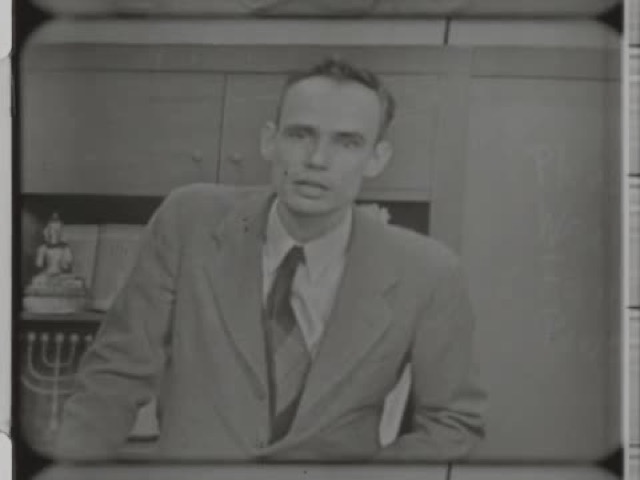
The Religions of Man
Huston Smith · KETC St. Louis
The college course that became Smith's classic book: Hinduism and the four yogas, the Buddha and Zen, Confucianism, Taoism, Islam, Judaism and Christianity, each presented from the inside, ending with a final examination.
24 video episodes of about 12 minutes · 2024–25
Crash Course Religions
John Green · Crash Course
What counts as a religion, then Hinduism, Buddhism, Judaism, Christianity, Islam, Indigenous and African diaspora traditions and Chinese religion, followed by themes such as ritual, scripture, death and the afterlife.
41 video episodes of about 12 minutes · 2017–18
Crash Course World Mythology
Mike Rugnetta · Crash Course / PBS Digital Studios
Myths compared across cultures, by type: creation stories, pantheons from Greece to India, Scandinavia and West Africa, floods, tricksters, the end of the world, and heroes from Gilgamesh and Rama to Maui.
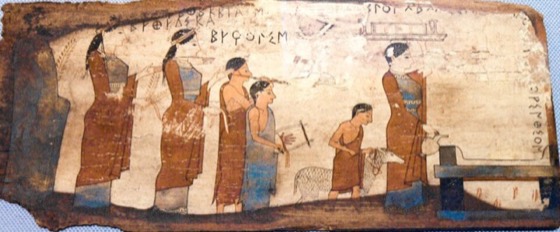
written course with 12 activities, 1 video and spoken pronunciation guide, 6 hours · ongoing
Exploring ancient Greek religion
The Open University, OpenLearn
How the ancient Greeks worshipped their divinities, explored through the healing hero-god Amphiaraos and his sanctuary.
written course with 11 activities, 4 videos, 1 audio recording and a quiz, 12 hours · ongoing
Religious diversity: rethinking religion
The Open University, OpenLearn
A selection of the world's varied religious beliefs and practices, and what 'religion' covers.
4 series, 24 video lectures · 2022–26
Finding Britain's Lost Gods
Ronald Hutton · Gresham College
The pagan side of Europe's history: the gods of prehistoric, Roman, Anglo-Saxon and Viking Britain, goddesses, witch-hunts, dragons and magic, Pan, Hecate and Dionysus, and the modern pagan religions Britain gave the world.
SeriesFinding Britain’s Lost GodsMagic, the Supernatural, and the Lost Gods of EuropeModern Paganism and WitchcraftDodgy Deities: Problematic Pagan Goddesses and Gods
The Bible
25 video lectures and 30 half-hour programmes, with transcripts · 1981–82
The Bible and English Literature
Northrop Frye · Victoria College, University of Toronto
How the Bible's myths, metaphors and typology shaped English poetry and prose, taught by the critic who went on to write The Great Code.
WorksBible
24 video lectures with transcripts · 2006
Introduction to the Old Testament (Hebrew Bible)
Christine Hayes · Open Yale Courses
The Hebrew Bible in its ancient Near Eastern setting, from Genesis and the law codes through the prophets, Psalms and wisdom literature to Daniel and Jonah.
WorksBible
26 video lectures with transcripts · 2009
Introduction to New Testament History and Literature
Dale B. Martin · Open Yale Courses
The New Testament as first-century writing: the Greco-Roman and Jewish world, the four gospels and Thomas, Acts, Paul and his followers, Revelation, and later interpretation.
WorksBible
9 of 10 television lectures · 1960
Archaeology and the Bible
Nelson Glueck · WCET Cincinnati
The archaeologist who surveyed the Negev and Jordan on what digging can tell about the world of the Bible: dating by pottery, King Solomon's copper mines and seaports, Edom, Moab and Gilead, and the Nabataeans.
Christian thought and history
5 radio lectures · 1962
Lectures on Evangelical Theology
Karl Barth · WRVR New York
The Swiss theologian on his only visit to America: what theology is, where it stands and how it should be done, the lectures behind his book Evangelical Theology: An Introduction, broadcast by Riverside Church radio in New York.
3 series, 16 video lectures · 2015–22
Protestant Christianity
Alec Ryrie · Gresham College
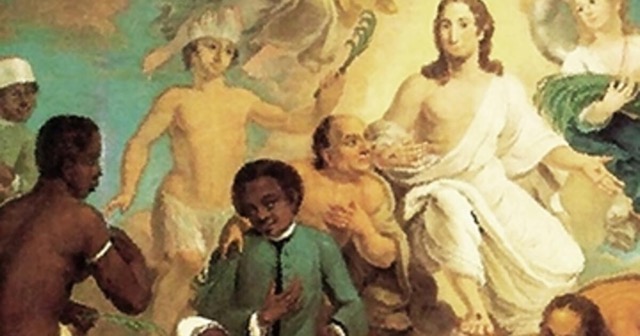
Protestant Christianity and how it shaped the modern world: England's six competing Reformations, the early missionaries to Jews, Muslims, the Americas and Asia, slavery, liberalism and the culture wars.
SeriesThe History and Legacy of Protestant ChristianityEngland's Reformations and their LegaciesThe Hidden History of How Protestantism Went Global
4 video lectures · 2016–17
Extreme Christianity
Alec Ryrie · Gresham College
Four cases of Christians who went to extremes: the Republic of King Jesus, the churches of the Third Reich, America's prophets of the end and the gospel of apartheid.
Faith and doubt
written course with 16 activities and 2 audio recordings, 12 hours · ongoing
Introducing the philosophy of religion
The Open University, OpenLearn
Philosopher Timothy Chappell asks what the words 'God' and 'religion' mean, and what it means to ask whether God exists.
6 video lectures · 2018–19
The Origins of Atheism
Alec Ryrie · Gresham College
Unbelief as an emotional history rather than a story of science and reason: atheists in medieval Europe, Puritan and Shakespearean atheists, and how the Reformation trained Europeans to doubt.
3 series, 18 video lectures · 2015–18
Science, Faith and God
Alister McGrath · Gresham College
Eighteen lectures on science and religion: wonder and understanding, proof and evidence, Darwin, cosmology and creation, Newton's clockwork universe, whether science robs nature of mystery and whether reality is only what science can find.
SeriesScience, Faith and God: The Big QuestionsReligion, Science and Culture: Six Big QuestionsAre Science and Faith at War?
4 video lectures · 2015
Religion and Experience: A Philosophical Exploration
Keith Ward · Gresham College
A philosopher's case for the evidence for God, with a hard look at what evidence means and at the supposed contrast between reason and faith.
Philosophy and ideas
Saylor: 6 courses in philosophy →
Histories of philosophy 7Big questions 8Politics and modern thought 10
Histories of philosophy
15 programmesUnofficial upload
The Great Philosophers
Bryan Magee · BBC, 1987
Fifteen conversations with philosophers, each on one thinker or school, from Plato and Aristotle through Descartes, Hume, Kant and Hegel to Wittgenstein.
over 500 podcast episodes of about 20 minutes, ongoing · since 2010
History of Philosophy without any gaps
Peter Adamson · LMU Munich and King's College London
Philosophy in order from the Presocratics through late antiquity, the Islamic world, Byzantium and the Middle Ages to the Renaissance and early modern Europe, with separate series on India, Africana philosophy and China.
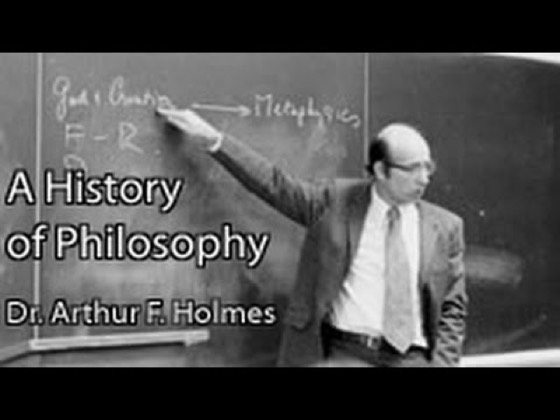
81 video lectures
A History of Philosophy
Arthur Holmes · Wheaton College
Western philosophy in order from the Presocratics, Plato and Aristotle through Augustine, Aquinas, Descartes, Hume and Kant to Hegel, pragmatism, existentialism and Wittgenstein.
Taught at a Christian college, with attention to what each philosopher says about God
about 250 podcast episodes, ongoing · since 2013
Philosophize This!
Stephen West
Philosophy for newcomers: the first hundred or so episodes run in order from the Presocratics, and later ones take up single thinkers and themes.
5 long lectures and a reading list, audio and video · 2008–09
Philosophy for Beginners
Marianne Talbot · University of Oxford
Five introductory lectures: the history of philosophy from the Presocratics, logic and argument, metaphysics and knowledge, ethics and politics, and language and mind.
3 programmesUnofficial upload
Genius of the Ancient World
Bettany Hughes · BBC Four, 2015
Buddha, Socrates and Confucius, one per programme, in their own landscapes.
30 television lectures · 1978
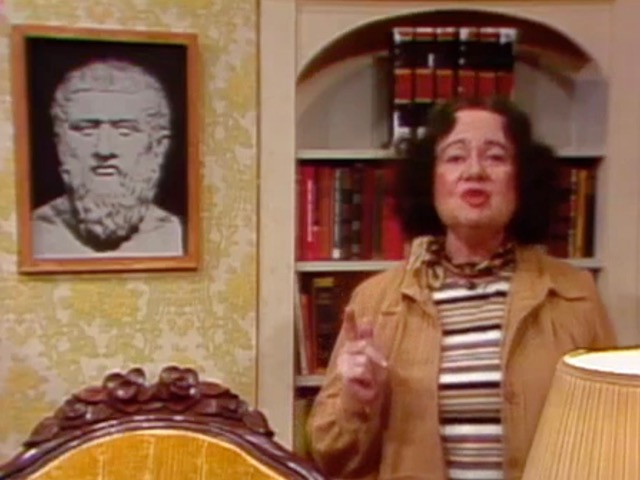
From Socrates to Sartre
Thelma Z. Lavine · Maryland Public Television
Western philosophy through six thinkers, several programmes each: Socrates and Plato, Descartes, Hume, Hegel, Marx and Sartre, ending with “No Exit” and a review. The book of the same title grew out of the series.
Big questions
26 video lectures with transcripts · 2007
Death
Shelly Kagan · Open Yale Courses
Whether we survive death, what makes death bad, whether immortality would be desirable, and whether suicide can be rational.
26 video lectures with transcripts · 2011
Philosophy and the Science of Human Nature
Tamar Gendler · Open Yale Courses
Plato, Aristotle, Epictetus, Hobbes, Kant, Mill, Rawls and Nozick read alongside recent psychology, on happiness, morality and justice, and political legitimacy.
46 video episodes of about 10 minutes · 2016–17
Crash Course Philosophy
Hank Green · Crash Course / PBS Digital Studios
An introduction in short episodes: how to argue, Descartes and the empiricists, arguments for God and the problem of evil, personal identity, free will, aesthetics, and the main ethical theories from Kant and Mill to Aristotle.
8 lectures in 41 parts, audio and video with slides · 2010
General Philosophy
Peter Millican · University of Oxford
Oxford's first-year course: the rise of modern science from Aristotle to Newton, then Hume on induction, scepticism, mind and body, knowledge, perception, free will and personal identity.
8 audio lectures · 2011
Aesthetics and Philosophy of Art
James Grant · University of Oxford
Plato, Aristotle, Hume and Kant on art and beauty, then how we interpret literature, how music expresses emotion and whether art can be defined.
written course with 18 activities, 16 hours · ongoing
David Hume
The Open University, OpenLearn
Hume's suppressed 1755 essay 'Of the immortality of the soul' and his reasons for facing death calmly.
42 of 52 television programmes · 1953–57
The Great Ideas
Mortimer J. Adler · KGO-TV San Francisco
The editor of the Great Books at the blackboard on government, law, work and leisure, love, opinion and knowledge, learning and the nature of man, answering viewers' letters at the end of each programme.
open textbook, 12 chapters · 2022
Introduction to Philosophy
Nathan Smith and others · OpenStax (Rice University)
What philosophy is and how to argue, then metaphysics, knowledge, mind, ethics and political philosophy, with chapters on African, Indian and Chinese traditions alongside the Western one.
Politics and modern thought
24 lectures in 12 one-hour video episodes · 2009
Justice
Michael Sandel · Harvard University
Moral and political philosophy through cases put to a full lecture hall, with Bentham and Mill, Locke, Kant, Rawls and Aristotle.
24 video lectures with transcripts · 2006
Introduction to Political Philosophy
Steven B. Smith · Open Yale Courses
Close reading of the classic texts, Plato, Aristotle, Machiavelli, Hobbes, Locke, Rousseau and Tocqueville.
25 video lectures, with syllabus and handouts · 2024
European Intellectual History since Nietzsche
Marci Shore · Yale University
Modern European thought from the Enlightenment and Hegel through Marx, Nietzsche, Freud, phenomenology and existentialism to Arendt, Foucault, Derrida and Havel's philosophy of dissent.
47 seminar courses, 30 with audio, nearly all with transcripts · 1954–73
Courses: Audio and Transcripts
Leo Strauss · Leo Strauss Center, University of Chicago
Strauss's seminars, each a slow reading of one text: Plato's Gorgias and Laws, Aristotle's Politics, Thucydides, Xenophon, Hobbes, Montesquieu, Vico, Kant and Nietzsche.
Published by the Strauss Center for non-commercial use; Strauss's own political views remain disputed
3 programmesUnofficial upload
Genius of the Modern World
Bettany Hughes · BBC Four, 2016
Marx, Nietzsche and Freud, their lives and ideas.
4 programmesUnofficial upload
The Century of the Self
Adam Curtis · BBC Two, 2002
How Freud's ideas fed public relations and consumer psychology in the 20th century.
3 programmesUnofficial upload
Utopia: In Search of the Dream
Richard Clay · BBC Four, 2017
The history of the idea of utopia, from blueprints to communes to states of mind.
written course with 7 activities, 20 hours · ongoing
Two concepts of freedom
The Open University, OpenLearn
What individual freedom means in a society, through the distinction between negative and positive liberty.
12 video lectures · 2012–14
Religion and Values in a Liberal State
Raymond Plant · Gresham College
What theology brings to the ideas of a liberal democracy and its market economy: freedom, justice, rights, the limits of markets, the body as property, and religious freedom of expression.
3 series, 18 video lectures · 2023–26
The Political Imagination
Melissa Lane · Gresham College
Ancient political thought for present use: Greek ideas of office, justice, equal law, democracy and expertise, lawgivers from Hammurabi, Solon and Moses to Machiavelli and Nietzsche, and the great crises of Athens and Rome.
SeriesThe Political Imagination: Ancient Greek IdeasLawgivers in Political ImaginationsPolitical Crises in Athens and Rome
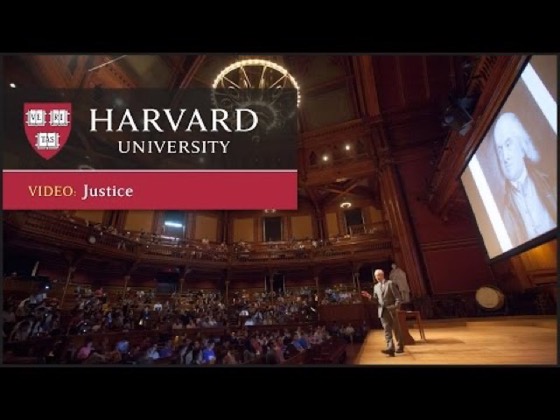
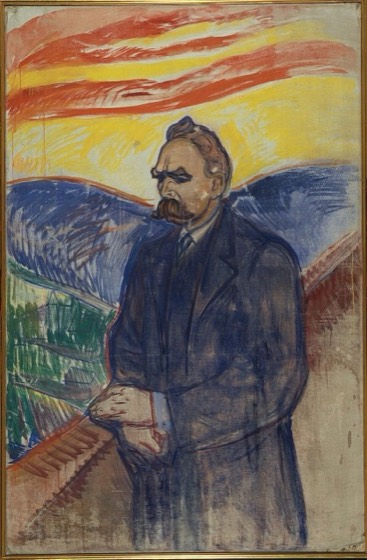
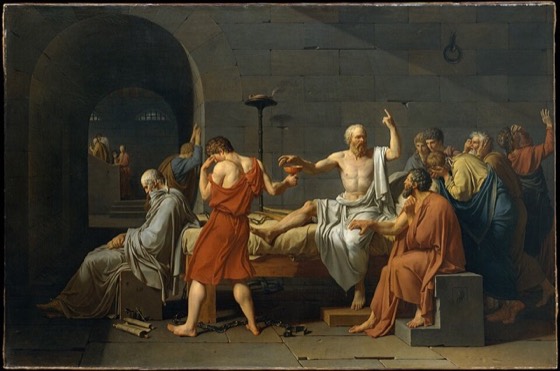
In French
lecture courses on video, audio and podcast, in French · ongoing
Collège de France: Audios & vidéos
Collège de France, Paris
Each professor gives a new lecture course every year, free and open to all; current chairs include comparative literature (William Marx), philosophy of language and mind (François Recanati) and the sociology of creative work (Pierre-Michel Menger, who ends his chair in June 2027).

Nothing matches.