Art history · Saylor ARTH201
Art of Ancient Egypt and the Ancient Near East
This course serves as an introduction to the major artistic and architectural traditions of Ancient Egypt and the Ancient Near East. This course will explore how artifacts and monuments can be used to study the history and culture of the ancient world.
More about this course
It is divided into two units that chronologically focus on the art, architecture, and archaeology of each region. The first unit examines Ancient Egyptian tombs, monuments, and art from the Early Dynastic (c. 3100-2650 BCE) through the Roman (30 BCE- 4thcentury CE) periods. The second unit focuses on Ancient Near Eastern artistic and architectural traditions from the late Neolithic (c. 9500-4500 BCE) through the conquest of the Achaemenid Persian Empire (550-330 BCE) by Alexander the Great. After completing this course, you will be able to identify the major characteristics of Egyptian and Near Eastern art and architecture, more specifically what types of objects and buildings were made and used by Egyptians and Ancient Near Eastern peoples. You will also learn how ancient artifacts and monuments in particular, as well as art objects in general, can be used to understand larger political, cultural, religious, and economic structures.
Upon successful completion of this course, the student will be able to:
In order to take this course, you must:
Chapter I
The Art of Ancient Egypt
This unit focuses on the art, architecture, and archaeology of ancient Egypt from the Early Dynastic (c. 3100-2650 BCE)**through the Roman (30 BCE- 4th century CE) periods. It begins with an overview of the major characteristics of Egyptian art, mythology, and beliefs about the afterlife, and ancient Egyptian conceptions of kingship all of which remained amazingly stable for three millennia. The unit then focuses on major Egyptian monuments, tombs, and artistic developments, following the chronology established by the reign of Egyptian kings.
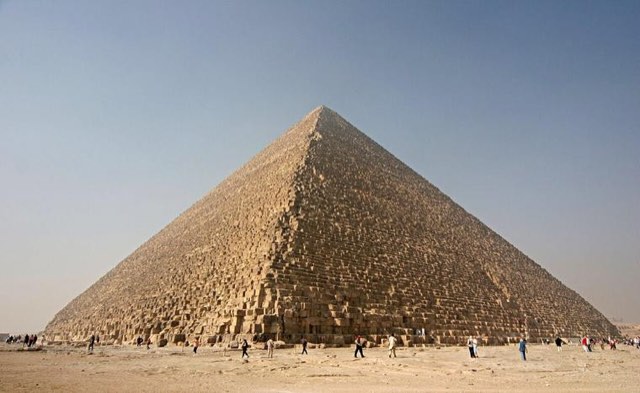

Major Themes in Egyptian Art
- A Resource for Educators (PDF)The Metropolitan Museum of Art’s The Arts of Ancient Egypt · read · archived copy
Basic Characteristics of Egyptian Art
- Striking PosesBrooklyn Museum of Art · Signs of the Afterlife · read · archived copy
Egyptian Mythology
- Gods and Goddesses of Ancient Egypt and Picture ListThe British Museum · watch
Egyptian View of the Afterlife
- The Mummy MakerBBC · Ancient History-in-Depth · watch
Egyptology
- EgyptologyThe Saylor Foundation · read · archived copy
- Becoming an EgyptologistTheban Mapping Project · read · archived copy
Overview of the Early Dynastic Period
- The Early Dynastic PeriodJacques Kinnaer’s The Ancient Egypt Site · read
- Early Dynastic EgyptiTunes U · Pennsylvania State University · College of Art and Architecture · Art History 111 · Heather C. McCune Bruhn · watch · archived copy
Hierakonpolis
- Narmer’s Temple: Introduction, Narmer’s Temple: Week 1, Narmer’s Temple: Week 2, Narmer’s Temple: Week 3, and Narmer’s Temple: Week 4Archaeology’s Interactive Dig · Excavating Hierakonpolis · Renée Friedman · read · archived copy
Overview of the Old Kingdom Period
- Egypt in the Old KingdomThe British Museum · Explore/Online Tours · read
- Old Kingdom Art and ArchitectureYouTube · The Saylor Foundation · watch · archived copy
The Pyramids
- Mastaba, Saqarra, Meidum, Dashar and GizaJacques Kinnaer’s The Ancient Egypt Site · read · archived copy
- ARTH201: Image Guide for Subunit 1.3.2The Saylor Foundation · watch · archived copy
Pyramids at Giza and the Sphinx
- Building the Great Pyramid and Dr. Aidan Dodson’s “The Great Pyramid: Gateway to EternityBBC · Ancient History-in-Depth · Dr. Ian Shaw · read
- Explore the Pyramids: Khufu: Enter HerePBS · Nova · The Pyramids · watch
- Pyramid ChallengeBBC · Ancient History-in-Depth · watch
The First Intermediate Period (c.2150-2030 BCE)
- The First Intermediate PeriodJacques Kinnaer’s The Ancient Egypt Site · read
- Stela of Inheretnakht and Limestone Stela of TjetjiThe British Museum · read
- Back in Time, Big Picture, and Behind the ScenesBrooklyn Museum of Art · Signs of the Afterlife · read · archived copy
- Art and Architecture of the First Intermediate PeriodYouTube · The Saylor Foundation · watch · archived copy
Overview of the Middle Kingdom
- Egypt in the Middle Kingdom (2030–1640 B.C.), Quartzite statue of Senebtyfy, called Ptahemsaf, Model showing brewing, baking and butchery, and Wooden model of a granary with figureThe British Museum · read
- Wooden model of a man ploughing with oxen, Painted wooden model boat, Model of a female servant, Inner coffin of Gua, Outer coffin of Gua, Scarab pendant, and Gold shell amulet in with the name of Senwosret IThe British Museum · read
- Early shabti figure in a model coffin, Limestone statue of the steward Mery, Quartzite statue of Ankhrekhu, Granite head of Amenemhat III, and Fragment of painted limestone relief from the tomb of KemsitThe British Museum · read
- Middle Kingdom Art and ArchitectureYouTube · The Saylor Foundation · watch · archived copy
Mentuhotep II’s Mortuary Complex and Related Tombs
- The Mortuary Temple of Mentuhotep II on the West Bank at LuxorTour Egypt · Mark Andrews’ · read
- Model from the Tomb of Nebhepetre Mentuhotep II, Fragment of Painted Limestone Relief from the Tomb of Kemsit, and Limestone Relief Showing Mentuhotep II Embraced by MontuThe British Museum · Explore/Highlight · read
- Tomb of MeketreThe Saylor Foundation · read · archived copy
Art and Architecture of the Twelfth Dynasty (1991-1783)
- The Twelfth Dynasty, El-Lisht, Hawara, and IllahunJacques Kinnaer’s The Ancient Egypt Site · read
Art and Architecture of the Second Intermediate Period (c.1640-1550 BCE)
- Ancient Egypt: 2nd Intermediate Period, Red Granite Statue of Sobekemzafl, Coffin of King Nubkheperra Intef, Green Jasper Heart Scarab of King Sobekemsaf, Limestone Shabti of the Official Escort Renseneb, and Limestone Shabti Figure of King AhmoseThe British Museum · read
- Art and Architecture of the Second Intermediate PeriodYouTube · The Saylor Foundation · watch · archived copy
Overview of the New Kingdom
- Ancient Egypt: The New Kingdom, Scene from the Great Harris Papyrus: Ramesses III before the gods of Memphis, and Magic bricks of HenutmehytThe British Museum · read
- Canopic chest and jars of Henutmehyt, Mummy board of Henutmehyt, Inner coffin of Henutmehyt, Shabti of Qeniherkhepeshef, and Limestone headrest of QeniherkhepeshefThe British Museum · read
- Head of a figure of the cow of Hathor, Black granite statues of Sekhmet, Block statue of Sennefer, and Offerings for Nebamun, fragment of a scene from the tomb-chapel of NebamunThe British Museum · read
- New Kingdom Art and ArchitectureYouTube · The Saylor Foundation · watch · archived copy
New Kingdom Temples
- New Kingdom TemplesThe Saylor Foundation · read · archived copy
Luxor Temple
Karnak
- KarnakTour Egypt · Marie Parsons’ · read
- Historical Background, Dimensions, and Function and Meaning of the Hypostyle HallUniversity of Memphis, Tennessee · Institute of Egyptian Art and Archaeology · The Karnak Hypostyle Hall Project · read · archived copy
- A Historical Tour of the Hypostyle HallUniversity of Memphis, Tennessee · Institute of Egyptian Art and Archaeology · The Karnak Hypostyle Hall Project · watch · archived copy
Hatshepsut’s (1508–1458 BC) Mortuary Temple
- Deir-el BahriTour Egypt · Marie Parsons’ · read
- Deir el-Bahri, Mortuary Temple of HatshepsutMarie Parson · read · archived copy
The Memorial Temple of Seti I (1290/1294-1279 BCE) at Abydos
- The Temple of Seti I and the Osireion at AbydosPeter Rome · read
The Valley of the Kings
- The Valley of the Kings, Faience shabti of Sety I, Gold earring of Tawosret, and Wooden statue from the tomb of Ramesses IThe British Museum · read
- Atlas of the Valley of the KingsTheban Mapping Project · watch · archived copy
The Tomb of Tutankhamun (Ruled c.1333 BC – 1323 BC)
- Tutankhamun, King of Egypt (1336-1327 BC) and Granite statue of Tutankhamun as a priest of HapyThe British Museum · read
- Tutankhamun: The MummyJacques Kinnaer’s The Ancient Egypt Site · read · archived copy
- ARTH201: Image Guide for Subunit 1.7.3.2The Saylor Foundation · watch · archived copy
- Tutankhamun’s Tomb (Valley of the Kings KV62) and Its ContentsThe Saylor Foundation · watch · archived copy
Deir-el-Medina
- An Artisan’s Tomb in New Kingdom EgyptMetropolitan Museum of Art · Heilbrunn Timeline of Art History · Catharine H. Roehrig · read · archived copy
Art and Architecture of the Amarna Period (1353-1336 BCE)
- Ancient Egypt: Amarna Period, Tell el-Amarna (ancient Akhetaten, Egypt), Limestone stela with a seated figure of Akhenaten, and Shrine stela of Amenhotep III and Queen TiyeThe British Museum · read
- Amarna Period Art and ArchitectureYouTube · The Saylor Foundation · watch · archived copy
- Guided Observation 1: Ancient Egyptian Royal PortraitureThe Saylor Foundation · write · archived copy
Art and Architecture of the Third Intermediate and Late Periods (1070 BCE- 4th century BCE)
- Ancient Egypt: 3rd Intermediate Period, Ancient Egypt: The Libyan Period, Ancient Egypt: The Kushite Period, Piye, Kushite king of Egypt (747-716 BC) and “Shabako, Kushite king of Egypt (716-702 BC)“The British Museum · read
- Mud Shabti Figures, Textiles with the Name of King Piye, Granite Shabti of King Taharqa, Bronze Door Hinge Bearing Names of God’s Wives of Amun, and Wooden Stela of TjenetdiashakhetThe British Museum · read
- Granite Statue of Amun in the Form of a Ram Protecting King Taharqa, Painted Wooden Canopic Jars, Quartzite Statue of Peshuper, The Shabako Stone, and Sphinx of TaharqoThe British Museum · read
- Ancient Egypt: The Late Period, Ancient Egypt: The Persian Period, Stela fragment of Horiraa, Bronze statue of Khonsuirdis, Kneeling statue of Wahibre offering a shrine, Funerary chest of Irthorru, Aegis of Isis, Bronze figure of Harpokrates, and Black siltstone obelisks of Nectanebo IIThe British Museum · read
- Art and Architecture of the Third Intermediate and Late PeriodsYouTube · The Saylor Foundation · watch · archived copy
Art and Architecture of the Ptolemaic and Roman Periods (332 BCE- 4th Century CE)
- Ptolemaic and Roman Period Art and ArchitectureYouTube · The Saylor Foundation · watch · archived copy
Ptolemaic (332-30 BCE) and Roman Period (303BCE-4th Century CE) Art
- Ancient Egypt: The Ptolemaic Period, A ‘Queen’s Vase,’ Limestone Statue of a Female Worshipper Playing a Lyre, Gold Octadrachm of Ptolemy II, Marble Portrait of Alexander, Outer Coffin of the Priest Hornedjitef, Hypocephalus of the Temple Musician Neshorpakhered, Granite Head of a Bald Man, Stela of Taimhotep, Stela of Neswy, The Rosetta Stone and “MummyThe British Museum · read
- Ancient Egypt: The Roman Period, The family of Soter, Archon of Thebes, Lid of the coffin of Soter, Coffin of Cleopatra, Mummy of Cleopatra from Thebes, Mask of a woman, Mummy Portrait of a Man, Limestone head of a woman resembling Cleopatra VII, and Textile with Erotes figures in a boatThe British Museum · read
Fayum Portraits
- Proportion and Personality in the Fayum PortraitsThe British Museum · A.J.N.W Prag · read
Temple of Hathor at Dendera
- Dendera and the Temple of HathorTour Egypt · Mark Andrews · read
Temple of Horus at Edfu
- Façade of the Temple of Horus at EdfuUniversity of Memphis · Institute of Egyptian Art and Archaeology · read · archived copy
- Temple of Horus at EdfuBluffton College · Egypt Index · Mary Ann Sullivan · read
Temple Complex at Philae
- The Temples of Philae at Agilika Island, Part I: Before the High Dam, Jimmy Dunn’s The Temple of Philae in Egypt, Part II: The Approach to the Temple of Isis, Philae Temples Part III: The First Great Pylon and the Forecourt of the Temple of Isis, Marie Parsons’ Philae Temples Part IV: Temple of Isis Inner Chambers and Structures to the West andTour Egypt · Marie Parsons’ and Jimmy Dunn · read
Chapter II
The Art of the Ancient Near East
This unit focuses on the art, architecture, and archaeology of the Ancient Near East, from the late Neolithic (c. 9500-4500 BCE) until the defeat of the Achaemenid Persian Empire (550–330 BCE) by Alexander the Great. It begins by examining the art and architecture associated with the urban revolution in Mesopotamia and then focuses on the art and architecture of the various empires and military powers based in Mesopotamia and Anatolia in the third-first millennium BCE.
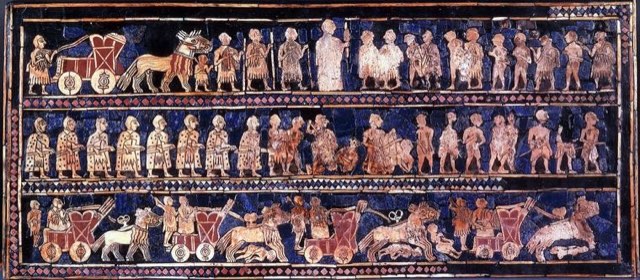

Overview of the Neolithic Period
- The Neolithic Ancient Near EastYouTube · The Saylor Foundation · watch · archived copy
Göbekli Tepe
- Göbekli Tepe: The World’s First Temple?Smithsonian.com · Andrew Curry · read
- Gobekli Tepe: The World’s First Temple?Smithsonian.com Berthold Steinhilber’s Photos from · watch
Nevali Çori
- Nevali ÇoriAncient Wisdom · read
‘Ain Ghazal
- Introduction to the Statues, Discovering the Statues, Making the Statues, Preserving the Statues, and Investigating Art and RitualThe Arthur M. Sackler Gallery and Freer Gallery of Art, Smithsonian Institution · Preserving Ancient Statues from Jordan · read · archived copy
Çatalhöyük
- Welcome to the Çatalhöyük Project and Life Histories of Peoples, Places, and ThingsUniversity of California, Berkeley · Remixing Çatalhöyük · read · archived copy
Art and Architecture of the Uruk and Early Dynastic (c. 4000-2350 BCE) Periods
- Uruk and Sumer: Art and Architecture of the First Cities and the Early Dynastic PeriodYouTube · The Saylor Foundation · watch · archived copy
Uruk: The First City
- MesopotamiaEdukalife · read
- SumerBoundless · read · no longer online
- Archaeological Site Photographs: Mesopotamia: UrukThe Oriental Institute of the University of Chicago · watch · no longer online
Cuneiform
- Cuneiform and the Invention of WritingSmarthistory · Dr. Senta German · read
- Treasures of the UCLA Library: Cuneiform Tablets (Part 3 of 5)YouTube · UCLA · Erin Flannery‘s · watch
Art and Architecture of Early Dynastic Period (c. 2900-2350 BCE)
Nippur
- Nippur: Sacred City of Enlil, Supreme God of Sumer and AkkadThe Oriental Institute of the University of Chicago · Professor McGuire Gibson · read
Royal Tombs of Ur
- The Royal Graves of Ur and Related Content for the Article ‘The Royal Graves of Ur’The British Museum · Explore/Highlights’ · read
- Royal Tombs of Ur: ExploreThe British Museum · watch · archived copy
- The Royal Tombs of Ur: ChallengeThe British Museum · watch · archived copy
- Royal Tombs of UrYouTube · Penn Museum · watch
- Great Lyre’Smarthistory · Ancient Near East · Monica Hahn’s and Brian Seymour · watch
Early Dynastic Sculpture
- Early Dynastic Sculpture, 2900–2350 B.CMetropolitan Museum of Art · Heilbrunn Timeline of Art History · The Department of Ancient Near Eastern Art · read · archived copy
Ziggurats
- Mesopotamia: Sumer: ZigguratsThe British Museum · read · archived copy
- Mesopotamia: Sumer: Ziggurats: ExploreThe British Museum · watch · archived copy
- Guided Observation 2: Pyramids vs. ZigguratsThe Saylor Foundation · write · archived copy
Art and Architecture of the Akkadian and Neo-Sumerian Periods (c. 2340 BC - 1932 BCE)
- Akkadian, Gudean, and Old Babylonian Art and ArchitectureYouTube · The Saylor Foundation · watch · archived copy
Historical Overview
- Agade/ Akkadian Dynasty, Sargon, king of Agade (about 2334-2279 BC), Greenstone Seal, Serpentinite Cylinder Seal, Stone mace head, Greenstone seal of Adda, and Fragments of a carved stone boxThe British Museum · read
Bronze Head of an Akkadian Ruler
- Royal Portrait Head (‘Head of Sargon the Great’)Learner.org · Art Through Time · Global Perspectives’ · read · archived copy
Naram-Sin Stele
- Victory Stele of Naram-SinSmarthistory · Dr. Beth Harris and Dr. Steven Zucker · watch
Gudean Sculptures (2150-2100 BCE)
- Seated Statue of Gudea, 2150–2100 B.C.The Metropolitan Museum of Art · Heilbrunn Timeline of Art History · read · archived copy
Art and Architecture of the Old Babylonian Period (c. 2000-1600 BCE)
- Old Babylonian Period and Related Content for the Article ‘Old Babylonian Period’The British Museum · Explore/Highlights’ · read
- Law Code of Hammurabi, King of BabylonLouvre · Near Eastern Antiquities · Mesopotamia · read · archived copy
Historical Overview
- Hittites, Gold figures of deities, Gold figurine of a god, Gold necklace, Gold ornament, Haematite seal, Ivory figurine, Limestone cylinder seal, and Limestone tripod bowlThe British Museum · read
The Hittite Capital of Hattusha
- A Brief History of Hattusha/Bo?azköy, The Lower City, Temple 1 and Storerooms, The Lion Gate, The Temple District in the Upper City, and The Royal Citadel of BüyükkaleGerman Archaeological Institute · The Excavations at Hattusha · read
Rock-cut Sanctuary at Yazilikaya
- The Hittite Rock Sanctuary of YazilikayaGerman Archaeological Institute · The Excavations of Hattusha · read
Assyrian Art and Architecture (1365–609 BCE)
- Neo-Assyrian Art and ArchitectureYouTube · The Saylor Foundation · watch · archived copy
Historical Overview
Neo-Assyrian (934-608 BCE) Cities and Palace Architecture
- Room 7-8: Assyria: NimrudThe British Museum · Explore · Related Content for the Gallery · read
Nimrud and Ashurnasirpal II’s Northwest Palace (883–859 BCE)
- Ashurnasirpal II’s Northwest PalaceThe Saylor Foundation · read · archived copy
- ExploreThe British Museum · Mesopotamia · Palaces of Assyria · watch · archived copy
- Treasures from Assyria in the British Museum at the MFAYouTube · metrowestvideos · watch
- Neo-Assyrian Art: Human Headed Winged Lion and Bull (Lamassu)Smarthistory · Ancient Near East · Monica Hahn and Brian Seymour · watch
Sargon II’s Khorsabad (721–705 BCE)
- Excavations at Khorsabad and Highlights from the Collection: AssyriaThe Oriental Institute of the University of Chicago · read
- Colossal Winged Bull from the Palace of Sargon IIThe British Museum · Explore/Highlight · read
Nineveh and Sennacherib’s “Palace without Rival” (704–681 B.C.)
- The Archaeology of Mesopotamia: Sennacherib and Nineveh Lecture NotesBrown University · Joukowsky Institute for Archaeology and the Ancient World · Ömür Harmansah · read · archived copy
- Room 9: Assyria: NinevehThe British Museum · Explore · Related Content for the Gallery · read
Art and Architecture of the Neo-Babylonian Empire (626-539 BCE)
- Neo-Babylonian Art and ArchitectureYouTube · The Saylor Foundation · watch · archived copy
- Neo-Babylonian EmpireThe Saylor Foundation · read · archived copy
- Two Panels with Striding LionsThe Metropolitan Museum of Art · read · no longer online
- Picture GalleryStaatliche Museen zu Berlin · Collections/Institutes · Museum of the Ancient Near East · watch · archived copy
- Guided Observation 3: Ancient Near Eastern Depictions of PowerThe Saylor Foundation · write · archived copy
Art and Architecture of the Achaemenid Persian Empire (550–330 BCE)
- Achaemenid Art and ArchitectureYouTube · The Saylor Foundation · watch · archived copy
Historical Overview
- The Achaemenid Persian Empire (550–330 B.C.)Metropolitan Museum of Art · Heilbrunn Timeline of Art History · The Department of Ancient Near Eastern Art · read · archived copy
Pasargadae
- Pasargadae and Antigoni Zournatzi’s The Tomb of Cyrus the GreatThe Circle of Ancient Iranian Studies · David Stronach · read
Persepolis
- Persepolis Recreated-Part 1 of 5 English Version, Persepolis Recreated-Part 2 of 5 English Version, Persepolis Recreated-Part 3 of 5 English Version, and Persepolis Recreated-Part 4 of 5 English VersionYou Tube · Omidir · watch · archived copy
- Persepolis and Ancient Iran: Introduction and Persepolis Terrace: Architecture, Reliefs, and FindsThe Oriental Institute of the University of Chicago · read · archived copy
About this course
This course is Saylor Academy's ARTH201, Art of Ancient Egypt and the Ancient Near East, one of the complete university courses the Saylor Foundation made free from 2008 and retired in 2015. Saylor licensed its course text under CC BY 3.0; the original is on GitHub. Here it is laid out as chapters, links that have died go to an archived copy from the Internet Archive where one exists, assessments that needed a Saylor login are left out, and people and works are linked to Kulturbase. The readings and lectures belong to their publishers and are linked, not copied. Pictures: Wikimedia Commons, credited under each picture.
All Saylor courses · Free culture courses · The Chautauqua Reading Course