Art history · Saylor ARTH208
Modern Art
In this course, you will study the various artistic movements that comprise 19th- and 20th-century modern art. You will examine several dozen artists, all of whom helped define their respective artistic styles and eras through their innovative approaches to representation, artistic space, and the role of the artist in society.
More about this course
Each unit will cover a significant period in the history of modern art and explore the ways in which both the principal figures from each period and the corresponding movements challenged the limits of art through the incorporation of modern life, as each artist addresses the political, philosophical, and personal implications of “modernity” and how it relates to the production of artwork. This course will begin with a brief review of the artists and movements that immediately preceded French Impressionism and will then take an in-depth look at the key artists and characteristics of Impressionism, widely considered the first “modern” art movement. You will then spend time reading about and examining various other major movements including Post-Impressionism, Art Nouveau, Expressionism, Cubism, Surrealism, Abstract Expressionism, and Pop Art, among others. As part of our study of these movements and the artists associated with them, you will be expected to learn a number of artistic terms and ideas, along with the people and institutions that were influential in the development of modern art. As an example, you will be able to look at Pablo Picasso’s Les Demoiselles d’ Avignon and explain why this can be considered the first Cubist artwork, and what makes it one of the greatest achievements in modern art. You will view Jackson Pollock’s Abstract Expressionist drip paintings and be able to elaborate on what makes these works a revolutionary achievement that opened up artistic possibilities for many future artists. These examples and many others involving artists, their work, media, and styles will be explored in great detail throughout this course.
Upon successful completion of the course, you will be able to:
In order to take this course, you must:
Chapter I
A New Perspective in Art: Impressionism
In this unit, you will begin by learning about the visual arts that were popular in mid-19th-century France and the role that the Academy of Art played in the eventual emergence of the first modern art movement, Impressionism. Along with Impressionism, you will study the movement that immediately preceded it, Realism, analyze important artworks by key artists in both movements, and learn what was accomplished via new or rediscovered methods and ideas, such as the newfound embrace of plein air painting; the use of quick, gestural brushstrokes; and the abandonment of traditional one-point perspective.
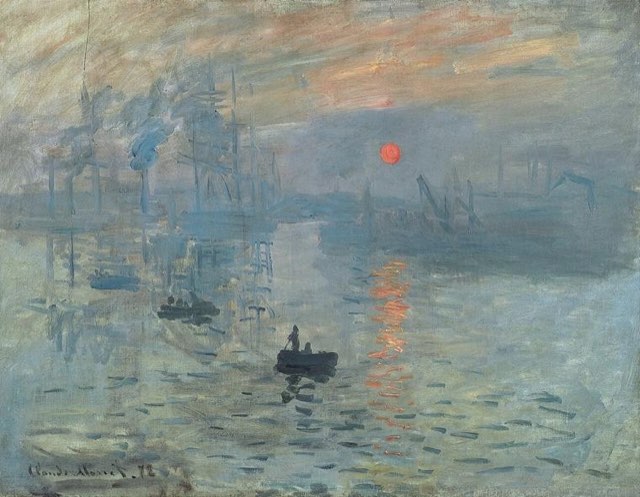

The Academy of Art
- The Academy of ArtThe Art Story Foundation’s Terms and Concepts · read
Gustave Courbet and Realism
- Gustave CourbetThe Art Story Foundation’s Artists · read
Edgar Degas: From Realism to Impressionism
- Edgar DegasThe Art Story Foundation’s Artists · read
Impressionism
- ImpressionismThe Art Story Foundation’s Movements · read
Édouard Manet: The “First Modern Artist”
- Édouard ManetThe Art Story Foundation’s Artists · read
Claude Monet
- Claude MonetThe Art Story Foundation’s Artists · read
- Unit 1 QuizThe Saylor Foundation · write
Chapter II
Turn of the Century Art: Post-Impressionism, Symbolism and Art Nouveau
In this unit, you will learn about the European art movements that emerged in the late 19th and early 20th centuries in the immediate aftermath of Impressionism. Perhaps most notable among these are Post-Impressionism, whose artists reacted against Impressionism’s focus on the external, observed world and sought to replace Impressionism as the leading avant-garde movement. You will look at seminal artworks by the Post-Impressionists and other important modern masters, including the Symbolists and Art Nouveau artists. You will also learn about the Bauhaus, an influential school for modern artists-in-training, and will discover how this institution and its instructors promoted radical ideas about artistic production while bridging the worlds of art, design, and industry.
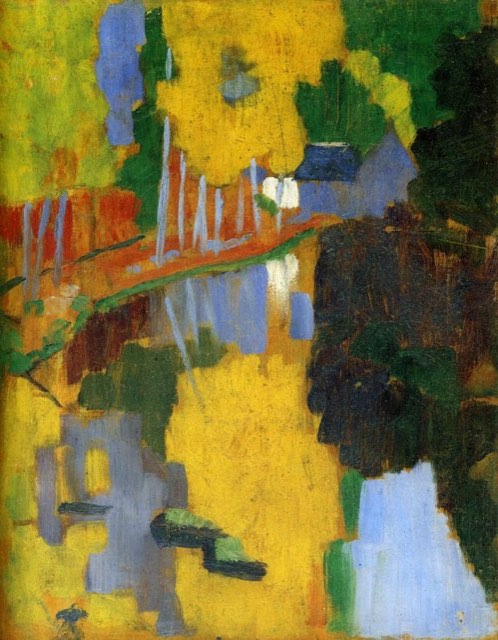

Post-Impressionism
- Post-ImpressionismThe Art Story Foundation’s Movements · read
Georges Seurat
- Georges SeuratThe Art Story Foundation’s Artists · read
Vincent van Gogh
- Vincent van GoghThe Art Story Foundation’s Artists · read
Paul Gauguin
- Paul GauguinThe Art Story Foundation’s Artists · read
Paul Cézanne
- Paul CézanneThe Art Story Foundation’s Artists · read
François-Auguste-René Rodin
- François-Auguste-René RodinThe Art Story Foundation’s Artists · read
Edvard Munch
- Edvard MunchThe Art Story Foundation’s Artists · read
Marc Chagall
- Marc ChagallThe Art Story Foundation’s Artists · read
Art Nouveau: Modern Decoration
- Art NouveauThe Art Story Foundation’s Movements · read
Gustav Klimt
- Gustav KlimtThe Art Story Foundation’s Artists · read
- Unit 2 QuizThe Saylor Foundation · write
Chapter III
Freedom in Pre-War Europe: Fauvism, Futurism, Expressionism and Cubism
In this unit, you will learn about the most important European art movements prior to the outbreak of World War I and how each one challenged society’s understanding of the category of “art.” You will also read and learn about how the idea of the modern man greatly informed movements of this era, including Fauvism, Futurism, Expressionism, and the most recognizable modern style of the early 20th century, Cubism. Most importantly, you will explore how political ideology and philosophical currents influenced artists and their work, and you will learn how this trend added a new dimension to the development of modern art.
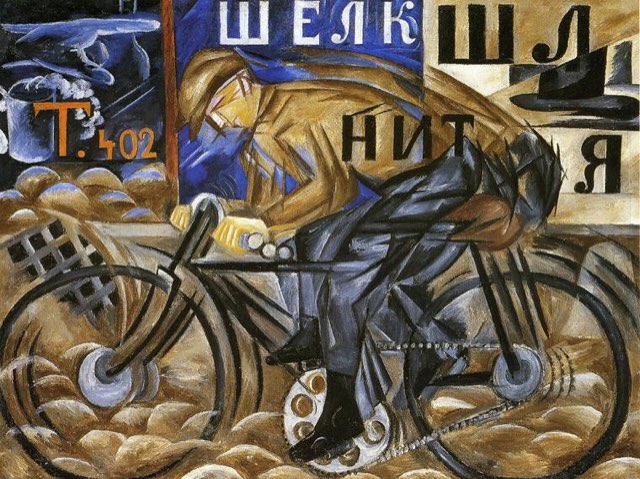

Fauvism
- FauvismThe Art Story Foundation’s Movements · read
Henri Matisse
- Henri MatisseThe Art Story Foundation’s Artists · read
Cubism
- CubismThe Art Story Foundation’s Movements · read
Pablo Picasso
- Pablo PicassoThe Art Story Foundation’s Artists · read
Georges Braque
- Georges BraqueThe Art Story Foundation’s Artists · read
Fernand Léger
- Fernand LégerThe Art Story Foundation’s Artists · read
Futurism
- FuturismThe Art Story Foundation’s Movements · read
- Founding and Manifesto of Futurismunknown.nu · F.T. Marinetti‘s · read
Umberto Boccioni
- Umberto BoccioniThe Art Story Foundation’s Artists · read
Expressionism
- ExpressionismThe Art Story Foundation’s Movements · read
Ernst Ludwig Kirchner
- Ernst Ludwig KirchnerThe Art Story Foundation’s Artists · read
Wassily Kandinsky
- Wassily KandinskyThe Art Story Foundation’s Artists · read
- Unit 3 QuizThe Saylor Foundation · write
Chapter IV
The Manifesto Era: Suprematism, Constructivism, Dada and Surrealism
In this unit, you will study Suprematism, Constructivism, Dada, and Surrealism: art movements of the early 20th century that attempted to shift perspectives on art and its place in society. For example, with the emergence of Surrealism in the 1920s, key artists such as André Breton and Max Ernst portrayed dream-like scenes from the unconscious, depicting a realistic world inhabited entirely by unreal entities. The depiction of the life of the mind was a major contribution to the history of art.
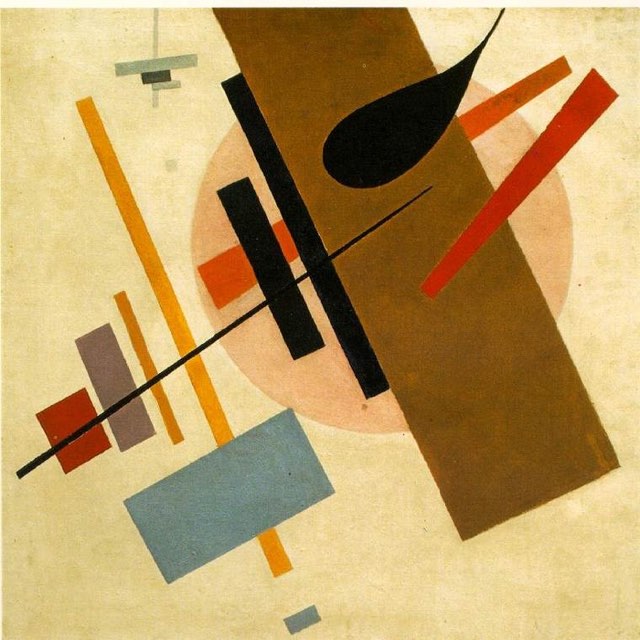

Suprematism
- SuprematismThe Art Story Foundation’s Movements · read
Kazimir Malevich
- Kazimir MalevichThe Art Story Foundation’s Artists · read
El Lissitzky
- El LissitzkyThe Art Story Foundation’s Artists · read
Constructivism: Building Something New
- ConstructivismThe Art Story Foundation’s Movements · read
Vladimir Tatlin
- Vladimir TatlinThe Art Story Foundation’s Artists · read
Alexander Rodchenko
- Alexander RodchenkoThe Art Story Foundation’s Artists · read
Dada
- DadaThe Art Story Foundation’s Movements · read
- Dada ManifestoUniversity of Pennsylvania · Tristan Tzara · read · archived copy
Marcel Duchamp
- Marcel DuchampThe Art Story Foundation’s Artists · read
Francis Picabia
- Francis PicabiaThe Art Story Foundation’s Artists · read
Man Ray
- Man RayThe Art Story Foundation’s Artists · read
Bauhaus
- BauhausThe Art Story Foundation’s Movements · read
Josef Albers
- Josef AlbersThe Art Story Foundation’s Artists · read
Paul Klee
- Paul KleeThe Art Story Foundation’s Artists · read
Laszlo Moholy-Nagy
- Laszlo Moholy-NagyThe Art Story Foundation’s Artists · read
Surrealism
- SurrealismThe Art Story Foundation’s Movements · read
André Breton
- André BretonReading · The Art Story Foundation’s Artists · read
- Surrealist ManifestoUniversity of Alabama · André Breton · read
Max Ernst
- Max ErnstThe Art Story Foundation’s Artists · read
René Magritte
- René MagritteThe Art Story Foundation’s Artists · read
Salvador Dalí
- Salvador DalíThe Art Story Foundation’s Artists · read
Joan Miró
- Joan MiróThe Art Story Foundation’s Artists · read
- Unit 4 EssayThe Saylor Foundation · write
Chapter V
The Fall of Paris and the Rise of the American Avant-Garde: Abstract Expressionism
In this unit, you will learn about the global shift that took place in modern art, both leading up to and following World War II, in which New York replaced Paris as the cultural capital of the world. This unit will focus on Abstract Expressionism, one of the most celebrated and important American art movements. You will learn about the American artists (native-born and naturalized) who constituted this new American avant-garde, and how they were influenced by key historical events and political philosophies from the World War II era. Finally, you will read examples of art criticism from the mid-20th century and become familiar with the important role criticism and theory played in the continuing development of modern art.
The Federal Art Project
- Federal Art Project of The Works Progress Administration (WPA)The Art Story Foundation’s Organizations · read
Thomas Hart Benton
- Thomas Hart BentonThe Art Story Foundation’s Artists · read
Hans Hofmann
- Hans HofmannThe Art Story Foundation’s Artists · read
Piet Mondrian
- Piet MondrianThe Art Story Foundation’s Artists · read
The Emergence of New York’s MoMA
- The Museum of Modern Art (MoMA)The Art Story Foundation’s Museums · read
- Alfred H. Barr, Jr.The Art Story Foundation’s Art Influencer · read
Abstract Expressionism
- Abstract ExpressionismThe Art Story Foundation’s Movements · read
- Abstract Expressionism Movement TimelineThe Art Story Foundation’s Timelines · read
Jackson Pollock
- Jackson PollockThe Art Story Foundation’s Artists · read
Mark Rothko
- Mark RothkoThe Art Story Foundation’s Artists · read
Barnett Newman
- Barnett NewmanThe Art Story Foundation’s Artists · read
Existentialism
- ExistentialismThe Art Story Foundation’s Modern Art Terms · read
- Cézanne’s DoubtUniversity of Massachusetts Lowell · Maurice Merleau-Ponty · read · archived copy
Willem de Kooning
- Willem de KooningThe Art Story Foundation’s Artists · read
- Abstract vs. Figurative ArtThe Art Story Foundation’s Modern Art Terms · read
Franz Kline
- Franz KlineThe Art Story Foundation’s Artists · read
- Action PaintingWikipedia · read
Clement Greenberg
- Clement GreenbergThe Art Story Foundation’s Art Theory and Art Critics · read
- ‘American-Type’ PaintingGoogle Books · Clement Greenberg · read · no longer online
- Avant-Garde and Kitschsharecom.ca · Clement Greenberg · read · archived copy
Harold Rosenberg
- Harold RosenbergThe Art Story Foundation’s Art Theory and Art Critics · read
- The American Action Painterspooter.net · Harold Rosenberg · read · archived copy
Greenberg vs. Rosenberg (“American-Type” vs. “Action” Painting)
- Clement Greenberg vs. Harold RosenbergReading · The Art Story Foundation’s Art Critics Comparison · read
Leo Steinberg and His Other Criteria
- Leo SteinbergThe Art Story Foundation’s Art Theory and Art Critics · read
Helen Frankenthaler
- Helen FrankenthalerThe Art Story Foundation’s Artists · read
- Color Field PaintingThe Art Story Foundation’s Movements · read
- Kenneth NolandThe Art Story Foundation’s Artists · read
- Post-Painterly AbstractionThe Art Story Foundation’s Movements · read
Ellsworth Kelly
- Ellsworth KellyThe Art Story Foundation’s Artists · read
Richard Diebenkorn
- Richard DiebenkornThe Art Story Foundation’s Artists · read
- Unit 5 Short-Answer QuestionsThe Saylor Foundation · write
Chapter VI
The New Avant-Garde After Abstract Expressionism: Neo-Dada, Pop Art and Minimalism
In this unit, you will study art movements of the 1950s and 1960s and observe the ways in which artists began to incorporate “non-art” media such as pop culture imagery, found objects, and industrial materials into their art. You will also examine the trends in popular art that led to the emergence of Neo-Dada, Pop Art, and Minimalism and you will learn why artists largely abandoned abstraction to focus their efforts on new forms of realism.
Robert Rauschenberg
- Robert RauschenbergThe Art Story Foundation’s Artists · read
Jasper Johns
- Jasper JohnsThe Art Story Foundation’s Artists · read
Pop Art
- Pop ArtThe Art Story Foundation’s Movements · read
Andy Warhol
- Andy WarholThe Art Story Foundation’s Artists · read
Roy Lichtenstein
- Roy LichtensteinThe Art Story Foundation’s Artists · read
Minimalism
- MinimalismThe Art Story Foundation’s Movements · read
Donald Judd
- Donald JuddThe Art Story Foundation’s Artists · read
Frank Stella
- Frank StellaThe Art Story Foundation’s Artists · read
Carl Andre
- Carl AndreThe Art Story Foundation’s Artists · read
- MinimalismSophia · Aleisha Olson · watch · no longer online
- Unit 6 QuizThe Saylor Foundation · write
Chapter VII
The Roots of Contemporary Art: Post-Minimalism, Conceptualism, Performance Art, Feminist Art, and Neo-Expressionism
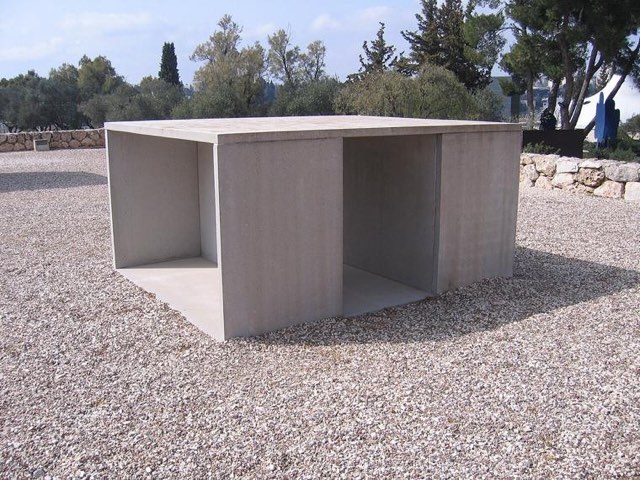
In this unit, you will learn about the disparate art movements that came about in the late 1960s and early 1970s and discover how these movements contributed to what is widely considered the end of modern art and the emergence of contemporary art. Artists at this time became increasingly fixated on the notion of art as life, which greatly informed ideas concerning environmental art, public installation, and social sculpture. These ideas, in turn, manifested themselves in the forms of Land Art, Fluxus, Post-Minimalism, and Conceptualism.

Post-Minimalism
- Post-MinimalismThe Art Story Foundation’s Movements · read
Richard Serra
- Richard SerraThe Art Story Foundation’s Artists · read
Eva Hesse
- Eva HesseThe Art Story Foundation’s Artists · read
Robert Smithson and Land Art
- Robert SmithsonThe Art Story Foundation’s Artists · read
Conceptual Art
- Conceptual ArtThe Art Story Foundation’s Movements · read
Sol LeWitt
- Sol LeWittThe Art Story Foundation’s Artists · read
- Paragraph on Conceptual Artddooss.org · Sol LeWitt · read · archived copy
Joseph Beuys
- Joseph BeuysThe Art Story Foundation’s Artists · read
John Baldessari
- John BaldessariThe Art Story Foundation’s Artists · read
- The Death of the AuthorConstant Association for Art and Media · Roland Barthe · read · archived copy
Performance Art
- Performance artThe Art Story Foundation’s Movements · read
Happenings
- HappeningsThe Art Story Foundation’s Movements · read
Allan Kaprow
- Allan KaprowThe Art Story Foundation’s Artists · read
Marina Abramovi?
- Marina Abramovi?The Art Story Foundation’s Artists · read
Feminist Art
- Feminist ArtThe Art Story Foundation’s Terms and Concepts · read
Judy Chicago
- Judy ChicagoThe Art Story Foundation’s Artists · read
Carolee Schneemann
- Carolee SchneemannThe Art Story Foundation’s Artists · read
Neo-Expressionism
- Neo-ExpressionismThe Art Story Foundation’s Movements · read
Georg Baselitz
- Georg BaselitzThe Art Story Foundation’s Artists · read
Julian Schnabel
- Julian SchnabelThe Art Story Foundation’s Artists · read
Jean-Michel Basquiat
- Jean-Michael BasquiatThe Art Story Foundation’s Artists · read
- Unit 7 QuizThe Saylor Foundation · write
About this course
This course is Saylor Academy's ARTH208, Modern Art, one of the complete university courses the Saylor Foundation made free from 2008 and retired in 2015. Saylor licensed its course text under CC BY 3.0; the original is on GitHub. Here it is laid out as chapters, links that have died go to an archived copy from the Internet Archive where one exists, assessments that needed a Saylor login are left out, and people and works are linked to Kulturbase. The readings and lectures belong to their publishers and are linked, not copied. Pictures: Wikimedia Commons, credited under each picture.
All Saylor courses · Free culture courses · The Chautauqua Reading Course