Art history · Saylor ARTH301
Art Historical Methodologies
This course is an introduction to the major methodologies that have been and are used by art historians. Although not a history of art history per se, it is organized in a roughly chronological order that traces major methodological developments within the discipline from the birth of art history in the nineteenth century through the late twentieth century.
More about this course
By focusing on several outstanding historical and critical readings, as well as secondary discussions of different types of art historical analysis, the student will be introduced to some of the major methodologies that have shaped the field: formalism, biographical analysis, connoisseurship, technical analysis, iconographical analysis, psychoanalysis, Marxism and the social history of art, feminism, post-colonialism, and semiotics. The course will also examine how artworks are displayed in modern art museums. After completing this course, you will be able to explain the strengths and weaknesses of different art historical methodologies and explain how they can be used to analyze works of art.
Upon successful completion of this course, you will be able to:
In order to take this course, you must:
Chapter I
What is Art? What is and Artist? What is Art History?
This unit first introduces the student to the discipline of art history and discusses how the conception of the discipline’s central focus—art—has changed over time. It then focuses on the aesthetic theories of Georg Wilhelm Friedrich Hegel (1770-1831), the most important of several nineteenth-century German philosophers whose theories are associated with the birth of modern art history. Although aesthetics, art history, and art criticism are technically separate areas of study, writers from all three fields, more often than not, have made contributions to the development of art historical methodologies. After completing this unit, you will be able to explain how the concept of art has changed overtime, the differences among aesthetics, art criticism, and art history, and Hegel’s aesthetic theories.
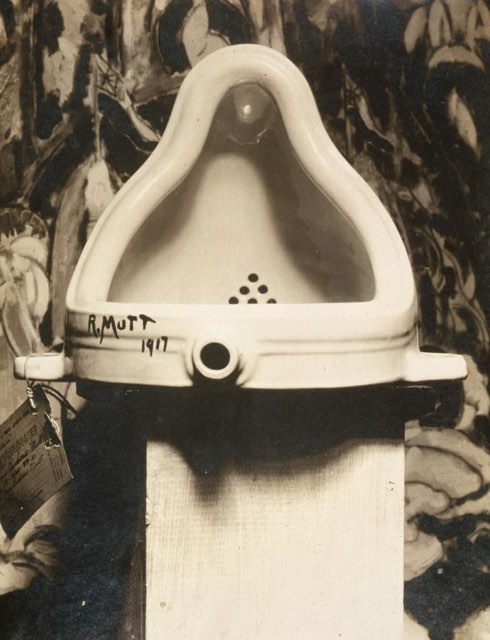

What Is Art? What Is an Artist?
- What Is Art? What Is an Artist?: IntroductionSweet Briar College · Professor L.C. Witcombe · read · archived copy
Art History vs. Art Criticism vs. Aesthetics
- Learning about Art: Exploring the Meaning of the Term ‘Aesthetics’California State University · Professor Ronald H. Silverman · read
- AestheticsThe University of Chicago · Theories of Media · Keyword Glossary · Lesley Martin · read
- Art History and Art CriticismWikipedia · read
Georg Wilhelm Friedrich Hegel (1770-1831)’s “Lectures on Aesthetics”
- The Development of Absolute IdealismThe Philosophy Pages · Garth Kemerling · read
- HegelRowan University · Dr. David Clowney · read · archived copy
- Hegel’s Lectures on Aesthetics: Introduction and Hegel’s Lectures on Aesthetics: On the Ideal of Classic ArtHegel by HyperText · read
- Arthur DantoRowan University · Dr. David Clowney · read · archived copy
Chapter II
Visual Description and Stylistic and Biographical Analysis
First, this unit explains how to write a visual description and stylistic analysis of an artwork. It then examines the methodology of Formalism by first focusing on Heinrich Wölfflin’s (1864-1945) work and then on later mid-twentieth century Formalists. Although Wölfflin was interested in the cultural context in which stylistic changes occurred, later twentieth-century Formalist art historians and critics combined his approach with certain elements of connoisseurship to create a methodology that focused solely on the artworks’ formal properties. The result was analysis containing highly nuanced formal descriptions of art and artistic movements detached from larger claims about the culture in which they were created. The unit concludes by looking at Giorgio Vasari’s (1511-1574)“Lives of Artists” and biographical analysis.

Visual Description
- Writing about Art: Visual Description, Writing about Art: Ekphrasis, and Writing about Art: Formal AnalysisMarjorie Munsterberg · read
- The Metropolitan Museum of Art: Collection DatabaseWriting a Visual Description · do · archived copy
Stylistic Analysis
- Writing about Art: Stylistic Analysis, Writing about Art: Personal Style, Writing about Art: Period Style, and Writing about Art: RealisticMarjorie Munsterberg · read
- The Metropolitan Museum of Art: Collection DatabaseWriting a Stylistic Description · do · archived copy
Heinrich Wölfflin (1864-1945) and Formalism
- Lecture 5 - The Idea of the Autonomous ArtworkYale University · Paul Fry’s ENGL 300 · Introduction to Theory of Literature · watch
- Heinrich Wölfflin (1864-1945)Books and Writers · Petri Liukkonen · read · archived copy
- Podcast 8: Formalism and Romanticismarthistoryunstuffed.com · Dr. Jeanne S. M. Willette · watch
- Clement Greenberg: Face to FaceiTunes U · Smithsonian National Portrait Gallery · David Ward · watch · no longer online
- Formalist Art Criticism and the Politics of MeaningDeniz Tekiner · read · no longer online
The Biography
- Writing about Art: The BiographyMarjorie Munsterberg · read
- Lives of the Artists: Leonardo da Vinci (1452-1519): Painter and Sculptor of FlorenceAdrienne DeAngelis’s version of Giorgio Vasari · read · archived copy
Chapter III
Connoisseurship and Technical Analysis
This unit looks at the development of connoisseurship and technical analysis. Connoisseurship focuses on establishing the authenticity and authorship of a work of art based on its size, condition, medium, and technique while also considering contemporary customs, fashion, and literature. Traditionally, this type of judgment was largely based on the connoisseur’s personal intuition. Technical analysis developed out of traditional connoisseurship, and it is an interdisciplinary field using modern scientific analysis to study, preserve, and conserve artworks.
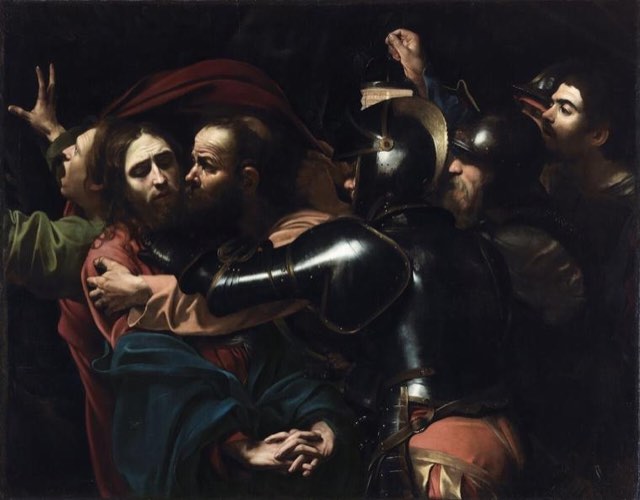

Connoisseurship
- Connoisseur and Giovanni MorelliWikipedia · read
- Bernard BerensonDictionary of Art Historians · Lee Sorenson · read · archived copy
- Connoisseurship Today and Connoisseurship and the Public EyeArt History Today · David Packwood · read · archived copy
Technical Analysis
- From Connoisseurship to Technical Art History: The Evolution of the Interdisciplinary Study of Art and A Matter of Teamwork: A Discussion about Technical Studies and Art HistoryThe Getty Conservation Institute · read
- Fakes, Mistakes, Discoveries, Secrets, Being Botticelli, and RedemptionThe National Gallery’s Close Examination · Revealing the Stories behind the Paintings · read · archived copy
- Lecture 1: The Department of Scientific ResearchiTunes U · The Metropolitan Museum of Art · Marco Leona · watch
Chapter IV
Psychoanalysis
This unit explores the use of psychoanalytic concepts in art historical scholarship. It begins by examining Freud and how some of his concepts—including his ideas of consciousness, the unconsciousness, and Object Relations Theory—be used to analyze artworks. It then turns to the Lacanian concepts of “the gaze” and “object petit a,” which art historians have used in their analyses. After completing this unit, you will be able to explain the major elements of psychoanalysis and how this methodology can be used to analyze a work of art.
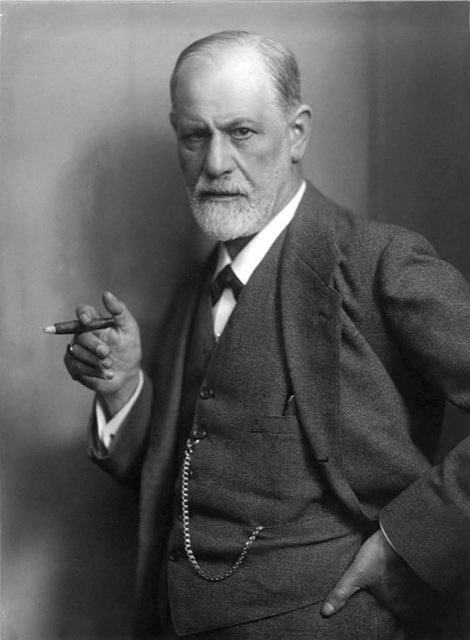

Freud and the Unconsciousness and Object Relations Theory
- The Methodologies of Art HistorySweet Briar College · Amanda Switzenberg · read · archived copy
- Unconscious, ConsciousThe University of Chicago · Theories of Media · Keyword Glossary · Kaitlin Pomerantz · read
- Object Relations TheoryThe Psychology Department at Sonoma State University · Victor Daniel · read · archived copy
- Psychoanalysis and ArtYouTube · NGATION · watch · no longer online
- The Failed and the Inadvertent: Art History and the Concept of the UnconsciousAcademy for the Study of the Psychoanalytic Arts · James Elkins · read · archived copy
- Lecture 12 - Freud and FictionYale University · Paul Fry’s ENGL 300 · Introduction to Theory of Literature · watch
Lacan and “the Gaze”
- Eye and Gaze and Kristi McGuire’s Object petit aThe University of Chicago · Theories of Media · Keyword Glossary · Phil Lee · read
- The Changing Concepts of the GazeDr. Allen Faber · read
Chapter V
Historical, Cultural, and Social Analysis
In the middle to late twentieth century, many art historians have focused on the historical, social, economic, and cultural context in which art is made. Within these frameworks, three major methodologies emerged that have also been espoused by scholars working in other disciplines: Marxism, Feminism, and post-colonialism. After completing this unit, you will be able to explain the major elements of these methodologies and how Marxism, Feminism, and post-colonialism can be used to analyze art.


Introduction to Historical, Cultural, and Social Methodologies
- Writing about Art: Historical AnalysisMarjorie Munsterberg · read
Marxism and the Social History of Art
- Lecture 17 - The Frankfurt School of Critical TheoryYale University · Paul Fry’s ENGL 300 · Introduction to Theory of Literature · watch
Marxist Art History
- Marxism, Art, and the Artistarthistoryunstuffed.com · Dr. Jeanne S. M. Willette · read
- Ideology and JeeHee Hong’s Material, MaterialityThe University of Chicago · Theories of Media · Keyword Glossary · Michael Czolacz · read · archived copy
- Avant-Garde and KitschClement Greenberg · read · archived copy
- Meyer SchapiroThe Art Story.org · read
The Social History of Art
- Clark, T[imothy] J[ames]Dictionary of Art Historians · Lee Sorenson · read · archived copy
Feminism and Gender Theory
- Lecture 20 - The Classical Feminist TraditionYale University · Paul Fry’s ENGL 300 · Introduction to Theory of Literature · watch
- Feminist ArtMuseum of Contemporary Art, Los Angeles · read
- The Methodologies of Art HistorySweet Briar College · Amanda Switzenberg · read · archived copy
- Linda Nochlin n?e WeinbergDictionary of Art Historians · Lee Sorensen · read · archived copy
- Why Have There Been No Great Women Artists?Baker University · Anne Daugherty’s version of Linda Nochlin · read · archived copy
- Why Have There Been No Great Women Artists? and Guide to the Critical Summary of Linda NicholinThe Saylor Foundation’s Critical Summary of Linda Nochlin · do · archived copy
- Griselda PollockDictionary of Art Historians · Lee Sorensen · read · archived copy
- Modernity and the Spaces of FemininitySUNY College at Oneonta · Dr. Allen Farber’s version of Griselda Pollock · read
Postcolonialism
- Lecture 22 - Post-Colonial CriticismYale University · Paul Fry’s ENGL 300 · Introduction to Theory of Literature · watch
- An Introduction to Edward Said, Orientalism, and Postcolonial Literary StudiesLehigh University · Amardeep Singh · read
- Orientalism in Nineteenth-Century ArtThe Metropolitan Museum of Art · Heilbrunn Timeline of Art History · watch · archived copy
- Rethinking Orientalism, AgainThe Getty · The Iris Views from the City · Susan Edwards · read · archived copy
About this course
This course is Saylor Academy's ARTH301, Art Historical Methodologies, one of the complete university courses the Saylor Foundation made free from 2008 and retired in 2015. Saylor licensed its course text under CC BY 3.0; the original is on GitHub. Here it is laid out as chapters, links that have died go to an archived copy from the Internet Archive where one exists, assessments that needed a Saylor login are left out, and people and works are linked to Kulturbase. The readings and lectures belong to their publishers and are linked, not copied. Pictures: Wikimedia Commons, credited under each picture.
All Saylor courses · Free culture courses · The Chautauqua Reading Course