Art history · Saylor ARTH303
Art of the Islamic World
This course serves as an introduction to the pre-modern Islamic artistic traditions of the Mediterranean, Near East, and Central and South Asia. This course is organized around the major dynasties under which Islamic art and architecture were produced.
More about this course
The first unit surveys core Islamic beliefs, the basic characteristics of Islamic art and architecture, and art and architecture created under the patronage of the Umayyads (632-750) and the Muslim rulers of Spain. The second unit focuses on the artistic and architectural innovations of the Abbasids (738-1250) and Seljuks (c.1040-1157), as well as the regional rulers of Anatolia and the Maghreb. The third unit looks at the art and architecture of three successive Islamic dynasties based in Egypt: the Fatimids (909-1171), Ayyubids (1171-1250), and Mamluks (1250-1517). Unit 4 examines the art and architecture of the Ilkhanid (1256-1353) and Timurid (c. 1370-1507) dynasties in Iran and Central Asia. The final unit presents the art and architecture of three later Islamic Empires: the Safavids (1501-1722), Ottomans (ca. 1299–1922), and Mughals (1526-1858). These three later Islamic empires shared diplomatic ties and participated in active trade and cultural exchange with each other as well as Europe and East Asia. After completing this course, the student will be familiar with the major tenets of Islam, general Islamic history, the relationship of both to major developments in Islamic art and architecture, and the exchange of artistic and architectural forms throughout the larger Islamic, Mediterranean, Asian, and African worlds.
Upon successful completion of this course, the student will be able to:
In order to take this course you must:
Chapter I
Early Islamic Art and Architecture of the Umayyad Period (632-750)
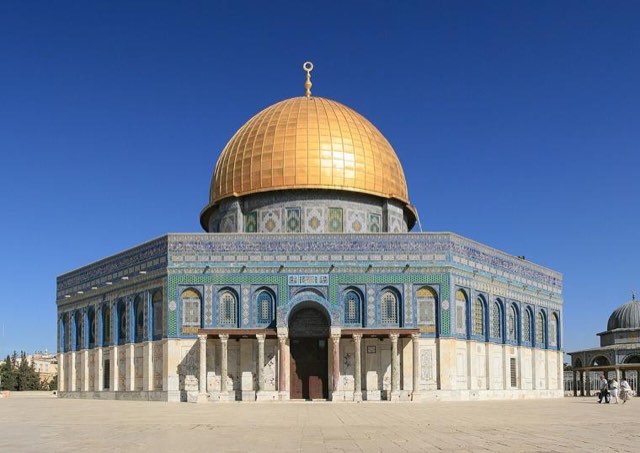
This unit focuses on the core beliefs of Islam and the early development of Islamic art and architecture during the Umayyad period and later in Spain. It begins with an overview of Islamic beliefs, early Islamic history, and the general characteristics of Islamic art and architecture. The unit then traces the development of Islamic art and architecture under Umayyad patronage and their adoption and adaptation of pre-Islamic artistic and architectural traditions. The unit concludes by looking at Islamic art and architecture in Spain after the last member of the Umayyad dynasty fled and established his capital at Córdoba. After completing this unit, you will have a comprehensive understanding of the central beliefs of Islam, the major characteristics of Islamic art and architecture, particularly under the Umayyads and later regional developments in Spain.

Overview of the Early History of Islam and Core Beliefs
- Arts of the Islamic World: A Teacher’s GuideFreer Gallery of Art and Arthur M. Sackler Gallery · read · archived copy
- Friday PrayersVictoria and Albert Museum · watch · archived copy
- Ka’baArchnet’s Digital Library · read · archived copy
- PilgrimageMuseum with No Frontiers’ · read
Overview of Islamic Art
- The Nature of Islamic ArtThe Metropolitan Museum of Art · Heilbrunn Timeline of Art History · The Department of Islamic Art · read · archived copy
Islamic Calligraphy
- Calligraphy in Islamic ArtThe Victoria and Albert Museum · read
Geometric and Vegetal Patterns in Islamic Art
- Geometric Patterns in Islamic ArtThe Metropolitan Museum of Art · Heilbrunn Timeline of Art History · The Department of Islamic Art · read · archived copy
- Plant Motifs in Islamic ArtThe Victoria and Albert Museum · read
Islamic Art and Figural Representation
- Figural Representation in Islamic ArtThe Metropolitan Museum of Art · Heilbrunn Timeline of Art History · The Department of Islamic Art · read · archived copy
The Mosque
- Arts of the Islamic World: A Teacher’s GuideFreer Gallery of Art and Arthur M. Sackler Gallery · read · archived copy
Umayyad Religious Architecture
- Building Style: UmayyadArchnet’s Digital Library · read · archived copy
The Al-Aqsa Mosque and the Dome of the Rock
- Haram al-Sharif and Al-Aqsa MosqueArchnet’s Digital Library · read · archived copy
- A Virtual Walking Tour: Al-Haram Al-SharifSaudi Aramco Magazine · watch · archived copy
The Umayyad Mosque at Damascus
- The Great Umayyad Mosque, DamascusOut Of Hadhramout · read
- Umayyad MosqueArchnet’s Digital Library · read · archived copy
- The Umayyad Mosque, Damascus, SyriaVictoria and Albert Museum · watch · archived copy
- Byzantine Elements in the Umayyad Mosque at DamascusYouTube · History Department, KSU · Professor Robert Hildenband · watch
Qusayr ’Amra (Jordan)
- Qusayr ’AmraArchnet’s Digital Library · read · archived copy
- Qasr’AmraSaudi Aramco World · read · archived copy
Qasr al-Mshatta (Jordan)
- Qasr al-MshattaArchnet’s Digital Library · read · archived copy
Khirbat al-Mafjar (Palestine)
- Khirbat al-MafjarArchnet’s Digital Library · read · archived copy
Qasr al-Hayr al-Gharbi and Qasr al-Hayr al-Sharqi (Syria)
- Qasr al-Hayr al-Gharbi and Qasr al-Hayr al-SharqiArchnet’s Digital Library · read · archived copy
Art of the Umayyad Caliphate
- The UmayyadsMuseums with No Frontiers’ · read
Art of the Umayyad Period in Spain (711-1031)
- The Art of the Umayyad Period in Spain (711–1031)The Metropolitan Museum of Art’s Heilbrunn Timeline of Art History · The Department of Islamic Art · read · archived copy
The Great Mosque of Córdoba
- Guided Observation 2: Umayyad Mosque and Great Mosque of CordobaThe Saylor Foundation · write
- Great Mosque of CórdobaArchnet’s Digital Library · read · archived copy
- Historic CordobaYouTube · UNESCO · watch
Later Islamic Art and Architecture in Spain
- A Virtual Walking Tour: The AlhambraSaudi Aramco Magazine · watch · archived copy
- Mud?jar ArtMuseum with No Frontiers’ · read
Chapter II
The Abbasid (750-1258) and Seljuk (C. 1040-1157) Dynasties and Islamic Art and Architecture in the Maghrib
This unit examines the art and architecture of the Abbasid and Seljuk dynasties and the regional rulers of Anatolia and the Maghreb. The unit begins by looking at the distinctive artistic and architectural style formulated under the Abbasid Caliphate that spread throughout the rest of the Muslim world. The unit then turns to the short-lived but influential Seljuk dynasty that had a lasting impact on the politics, culture, and artistic traditions of the Islamic world. Finally, the unit concludes by looking at Islamic art and architecture in the Maghreb or Northwestern Africa. After completing this unit, you will have a comprehensive understanding of major artistic and architectural innovations of the Abbasids and Seljuks and regional developments in Islamic architecture in Anatolia and the Maghreb.
Abbasid Art, Architecture and City Planning
- The Art of the cAbbasid Period (750–1258)The Metropolitan Museum of Art’s Heilbrunn Timeline of Art History · Suzan Yalman · read · archived copy
Abassid Architecture and City Planning
- Baghdad, Samarra and Building Style: AbbasidArchnet’s Digital Library · read · archived copy
Great Mosque of al-Mutawakkil
- Great Mosque of al-MutawakkilArchnet’s Digital Library · read · archived copy
Jawsaq al-Khaqani Palace
- Jawsaq al-Khaqani PalaceArchnet’s Digital Library · read · archived copy
Sulaybiya Mausoleum
- Sulaybiya MausoleumArchnet’s Digital Library · read · archived copy
Abbasid Calligraphy and Manuscripts
- Style in Islamic Art: Abbasid StyleThe Victoria and Albert Museum · read · archived copy
Abbasid Ceramics
- Abbasid CeramicsMuseum with No Frontiers’ · read
Seljuk Architecture
- Building Style: SeljukArchnet’s Digital Library · read · archived copy
Madrasa al-Nizamiyya
- Madrasa al-NizamiyyaArchnet’s Digital Library · read · archived copy
The Great Mosque at Isfahan/Friday Mosque of Isfahan
- Friday Mosque of IsfahanArchnet’s Digital Library · read · archived copy
Sultan Sanjar Mausoleum
- Sultan Sanjar MausoleumArchnet’s Digital Library · read · archived copy
- Oasis of Turquoise and RavensSaudi Aramco World · Jane Waldron Grutz · read · archived copy
- Sultan Sanjar’s MausoleumFlickr · read
Seljuk Caravanserais
- Seljuk CaravanseraisArchnet’s Digital Library · read · archived copy
Seljuk Art
- The Art of the Seljuqs of Iran (ca. 1040–1157)The Metropolitan Museum of Art’s Heilbrunn Timeline of Art History · Suzan Yalman · read · archived copy
Art and Architecture of the Seljuk Period in Anatolia
- The Art of the Seljuq Period in Anatolia (1081–1307)The Metropolitan Museum of Art’s Heilbrunn Timeline of Art History · Suzan Yalman · read · archived copy
Islamic Art of the Maghreb
- The Maghreb, Muslim North AfricaThe David Collection · read · archived copy
Islamic Architecture of the Maghrib
- Great Mosque of Kairouan, Zaytuna Mosque, Qarawiyyin Mosque, and Attarin MadrasaArchnet’s Digital Library · read · archived copy
- Fez: Preserving a CitySaudi Aramco World · Josh Martin · read · archived copy
Chapter III
Art and Architecture of the Fatimid (909-1171), Ayyubid (1171-1250), and Mamluk (1250-1517) Dynasties
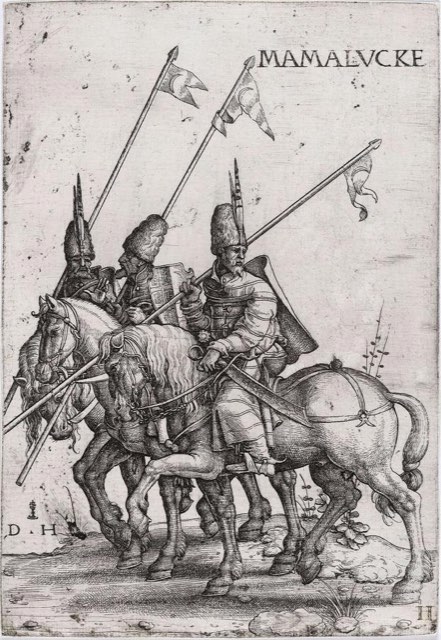
This unit focuses on the art and architecture of three successive Islamic dynasties whose empire was based in Egypt: the Fatimids, Ayyubids, and Mamluks. We will first learn about the building of Cairo by the Fatimid rulers, their patronage of the decorative arts, and the production of Tiraz textiles. We will then turn to the Ayyubid madrasas and other building projects as well as Ayyubid patronage of the decorative arts. This unit concludes by examining later Islamic art and architecture in Egypt under the Mamluk dynasty. After completing this unit, you should have a comprehensive understanding of the artistic and architectural traditions of these three Islamic Egyptian dynasties.

Fatimid Art and Architecture
- The FatimidsMuseums with No Frontiers’ · read
Fatimid Architecture
- Building Style: FatimidArchnet’s Digital Library · read · archived copy
The Al-Azhar Mosque
- Al-Azhar MosqueArchnet’s Digital Library · read · archived copy
The Al-Hakim Mosque
- Al-Hakim MosqueArchnet’s Digital Library · read · archived copy
Fatimid Art
- Style in Islamic Art: Fatimid StyleThe Victoria and Albert Museum · read · archived copy
Ayyubid Architecture
- Building Style: AyyubidArchnet’s Digital Library · read · archived copy
The Fortified Citadels of Cairo and Aleppo
- Cairo Citadel and Aleppo CitadelArchnet’s Digital Library · read · archived copy
Ayyubid Madrasas
- The Atabegs and Ayyubids: Madrasas and EducationMuseum with No Frontiers’ · read
Imam al-Shafi’i Mausoleum
- Imam al-Shafi’i MausoleumArchnet’s Digital Library · read · archived copy
Salih Najm al-Din Ayyub Funerary Complex
- Salih Najm al-Din Ayyub Funerary ComplexArchnet’s Digital Library · read · archived copy
Ayyubid Ceramics, Metalwork, Wood, and Glass
- Suzan Yalman’s “The Art of the Ayubbid Period (c. 1171-1260)“The Metropolitan Museum of Art’s Heilbrunn Timeline of Art History · read · archived copy
Mamluk Art and Architecture
- The Art of the Mamluk Period (1250-1517)The Metropolitan Museum of Art’s Heilbrunn Timeline of Art History · Suzan Yalman · read · archived copy
Mamluk Architecture
- Mamluks: MonumentsMuseum with No Frontiers · Mohammad Al-Asad · read
- Sultan al-Nasir Hasan Funerary ComplexArchnet’s Digital Library · read · archived copy
- A City AdornedSaudi Aramco World · John Feeney · read · archived copy
Mamluk Decorative Arts
- Style in Islamic Art: Mamluk StyleThe Victoria and Albert Museum · read · archived copy
- Enameled and Gilded Glass from Islamic LandsThe Metropolitan Museum of Art’s Heilbrunn Timeline of Art History · Stefano Carboni and Qamar Adamjee · read · archived copy
Chapter IV
Art and Architecture of the Ilkhanid (1256-1353) and Timurid (c.1370-1507) Dynasties
This unit examines the art and architecture of two Islamic dynasties established in the wake of the Mongols: the Ilkhanids and the Timurids. It begins by focusing on the Ilkhanid Summer Palace at Takht-i Sulayman, the Tomb of Oljetu, and the Ilkhanid patronage of manuscript illumination. The unit then discusses the art and architecture of the Timurid dynasty, surveying the major characteristics of Timurid art and architecture and the development of the Herat School of Painting. After completing this unit, you should have a comprehensive understanding of the artistic and architectural traditions of the Ilkhanid and Timurid dynasties.
Overview of Ilkhanid Art and Architecture
- The Art of the Ilkhanid Period (1256–1353)The Metropolitan Museum of Art’s Heilbrunn Timeline of Art History · Suzan Yalman · read · archived copy
Ilkhanid Architecture
- Building Style: Il-KhanidArchnet’s Digital Library · read · archived copy
The lkhanid Summer Palace at Takht-i Sulayman
- Takht-i Sulayman and Tile Work in the Ilkhanid PeriodThe Metropolitan Museum of Art’s Heilbrunn Timeline of Art History · Stefano Carboni and Qamar Adamjee · read · archived copy
- Takht-e SoleymanVoices Compassionate Education · watch · archived copy
The Tomb of Öljeitü
- Oljeitu TombArchnet’s Digital Library · read · archived copy
- Soltaniyeh Voices Compassionate Education’s SoltaniyehVoices Compassionate Education · watch · archived copy
Ilkhanid Art
- Courtly Art of the Ilkhanids, The Art of the Book in the Ilkhanid Period, and The Religious Arts under the IlkhanidsThe Metropolitan Museum of Art’s Heilbrunn Timeline of Art History · Stefano Carboni and Qamar Adamjee · read · archived copy
- Style in Islamic Art: Ilkhanid StyleThe Victoria and Albert Museum · read · archived copy
The Art of the Book
- The Metropolitan Museum of Art: Heilbrunn Timeline of Art History: Stefano Carboni and Qamar Adamjee’s “Folios from the Great Mongol Shahnama (Book of Kings)Reading · read · archived copy
Timurid Architecture
- Building Style: TimuridArchnet’s Digital Library · read · archived copy
- Memories of Samarkand and The Drums of TamerlaneSaudi Aramco World · John Feeney · read · archived copy
The Bibi Khanum Mosque
- Bibi Khanum MosqueArchnet’s Digital Library · read · archived copy
- Religious Architecture of the Timurids MIT Open Courseware: Nasser Rabbat’s Religious Architecture of the Timurids (PDF)MIT Open Courseware · Nasser Rabbat · read
Guri Amir
- Gur-i AmirArchnet’s Digital Library · read · archived copy
- Gure-e AmirWikipedia · read
Timurid Art
- The Art of the Timurid Period (ca. 1370–1507)The Metropolitan Museum of Art’s Heilbrunn Timeline of Art History · Suzan Yalman · read · archived copy
Timurid Metalwork and Jades
- Jade Dragon CupBBC · A History of the World in 100 Objects · read
- Jade Dragon CupiTunes U · BBC · A History of the World in 100 Objects · watch
The Herat School of Painting
- The Herat School of PaintingThe Saylor Foundation · read
Chapter V
The Art and Architecture of the Safavid (1501-1722), Ottoman (ca. 1299–1922), and Mughal (1526-1858) Empires
This unit focuses on the art and architecture of three later Islamic Empires: the Safavids, Ottomans, and Mughals. It begins by focusing on Safavid city planning and manuscript illumination and then outlines major developments in Ottoman art and architecture. Then, we will examine the art and architecture of the Mughal Empire, focusing on the construction of Fatehpur Sikri, Shahjahanabad, the Taj Mahal, and Mughal miniatures. The unit concludes by concentrating on the role that trade and diplomacy between these Empires and Europe, Russia and China played in the development of Safavid, Ottoman, and Mughal art and architecture. After completing this unit, you should have a comprehensive understanding of the artistic and architectural traditions of the Safavid, Ottoman, and Mughal Empires and the major cultural and visual exchanges that occurred between these three Islamic Empires, Europe, Russia, and China.
Safavid Architecture and City Planning
- Building Style: SafavidArchnet’s Digital Library · read · archived copy
- The Great Seljuqs, the Sunni Revival, and the Four-Iwan PlanMIT Open Courseware · Nasser Rabbat · read
Safavid Art
- The Art of the Safavids Before 1600; Marika Sarder’s The Arts of Iran, 1600–1800; and Francesca Leoni’s The Shahnama of Shah TahmaspThe Metropolitan Museum of Art’s Heilbrunn Timeline of Art History · Suzan Yalman · read · archived copy
- Shah ‘Abbas: The Remaking of IranThe British Museum · read · archived copy
- Two Portraits, Two ViewsThe British Museum · Sheila Canby · watch · archived copy
The Art of the Book
- The Arts of the Book in the Islamic World, 1600-1800The Metropolitan Museum of Art’s Heilbrunn Timeline of Art History · Marika Sardar · read · archived copy
- Guided Observation 3: Art of the Book: The Shahnama (Persian Book of Kings)The Saylor Foundation · write
Safavid Carpets and Textiles
- Carpets from the Islamic World, 1600-1800The Metropolitan Museum of Art’s Heilbrunn Timeline of Art History · Marika Sardar · read · archived copy
Ottoman Architecture
- Building Style: OttomanArchnet’s Digital Library · read · archived copy
Early Ottoman Architecture: Mehmed II’s Building Projects and the Topkapi Palace
- Fatih Complex and Topkapi PalaceArchnet’s Digital Library · read · archived copy
- The Topkapi Palace, Istanbul, TurkeyVictoria and Albert Museum · watch · archived copy
The Royal Architect Sinan
- The Royal Architect SinanThe Saylor Foundation · read
- A Virtual Walking Tour: The Suleymaniye MosqueSaudi Aramco Magazine · watch · archived copy
Later Ottoman Architecture
- The Later Ottomans and the Impact of EuropeThe Metropolitan Museum of Art’s Heilbrunn Timeline of Art History · Marika Sardar · read · archived copy
- Nusretiye Mosque and Dolmabahçe Palace ComplexArchnet’s Digital Library · read · archived copy
Ottoman Art: Calligraphy, Miniatures, Ceramics, Textiles, and Carpets
- Five Poems (Quintet)The Walters Art Museum’s W.624 · watch · no longer online
- The Art of the Ottomans before 1600 and The Age of Süleyman ‘The Magnificent’ (r. 1520–1566); Marika Sardar’s The Art of the Ottomans after 1600 and The Greater Ottoman Empire, 1600–1800The Metropolitan Museum of Art’s Heilbrunn Timeline of Art History · Suzan Yalman · read · archived copy
- Tughra of Suleiman the MagnificentBBC · A History of the World in 100 Objects · read
- Tughra of Suleiman the MagnificentiTunes U · BBC · A History of the World in 100 Objects · watch
Overview of Pre-Mughal Islamic Art and Architecture in India
- Art and Architecture of the Dehli Sultanate (1206-1526)The Saylor Foundation · read
- Islamic Arts of the DeccanThe Metropolitan Musuem of Art’s Heilbrunn Timeline of Art History · Marika Sardar · read · archived copy
Humayun’s Tomb
- Building Style: Mughal and Humayun’s TombArchnet’s Digital Library · read · archived copy
Fatehpur Sikri
- Fatehpur SikriPBS · The Story of India · read · archived copy
- Fatehpur SikriWriting Travellers · read
Shajahanabad’s Red Fort Complex
- Red Fort ComplexArchnet’s Digital Library · read · archived copy
Shajahanabad’s Jama Masjid
- Friday Mosque of Old DehliArchnet’s Digital Library · read · archived copy
The Taj Mahal
- Taj MahalPBS · The Story of India · read · archived copy
- ArchitectureBoundless · read · no longer online
- Visions of Paradise: The Tradition of the Taj Majal, Part I and IIiTunes U · Asian Art Museum of San Francisco · Professor Catherine Asher · watch · no longer online
Mughal Art
- Art of the Mughals before 1600 and Marika Sardar’s Art of the Mughals after 1600The Metropolitan Museum of Art’s Heilbrunn Timeline of Art History · The Department of Islamic Art · read · archived copy
Mughal Miniatures
- The Walters Art Museum’s W.658 Book on Navigationwatch · archived copy
- The Arts of the Book in the Islamic World, 1600-1800The Metropolitan Museum of Art’s Heilbrunn Timeline of Art History · Marika Sardar · read · archived copy
- Miniature of a Mughal PrinceBBC · A History of the World in 100 Objects · watch
Mughal Textiles
- Indian Textiles: Trade and ProductionThe Metropolitan Museum of Art’s Heilbrunn Timeline of Art History · Marika Sardar · read · archived copy
The Safavid, Ottoman, and Mughal Empires and Europe
- Europe and the Islamic World, 1600-1800 and Jennifer Meagher’s Orientalism in Nineteenth Century ArtThe Metropolitan Museum of Art’s Heilbrunn Timeline of Art History · Marika Sardar · read · archived copy
- Fanciful InlaySaudi Aramco World · Beth Houston · read · archived copy
- Europe & the Islamic Mediterranean AD 700–1600The Victoria and Albert Museum · read
The Safavid and Ottoman Empires and Russia
- Czar Treasures from the EastSmithsonian.com · Katy June-Freisen · read · archived copy
The Safavid, Ottoman, and Mughal Empires and China
- Beyond ChinaThe Asia Society · Imperial Elegance · Chinese Ceramics from the Asia Society’s Rockefeller Collection · read
- Safavid Ceramics and TilesThe Louvre · read · archived copy
- The Sadana Islands Shipwreck: The Red Sea in Global TradeSaudi Aramco World · Cheryl Ward · read · archived copy
About this course
This course is Saylor Academy's ARTH303, Art of the Islamic World, one of the complete university courses the Saylor Foundation made free from 2008 and retired in 2015. Saylor licensed its course text under CC BY 3.0; the original is on GitHub. Here it is laid out as chapters, links that have died go to an archived copy from the Internet Archive where one exists, assessments that needed a Saylor login are left out, and people and works are linked to Kulturbase. The readings and lectures belong to their publishers and are linked, not copied. Pictures: Wikimedia Commons, credited under each picture.
All Saylor courses · Free culture courses · The Chautauqua Reading Course