Art history · Saylor ARTH305
Arts of Asia
This course serves as an introduction to the major pre-Modern artistic traditions of India, China, and Japan. It is organized into three units that focus on the art and architecture of India, China, and Japan respectively.
More about this course
Each unit is structured chronologically. Unit 1 examines Indian Art from the Indus Valley Civilization (c. 2600-1900 BCE) through the art of the Mughal Empire (1526-1858), focusing on Buddhist, Hindu, and Islamic art and architecture. Unit 2 covers the arts of China from the Shang Dynasty (c.1600-1050 BCE) through the Qing Dynasty (1644-1911), detailing the interaction between art, politics, and culture throughout Chinese dynastic history. Unit 3 introduces Japanese Art from the Jomon Period (c.10,500-300 BCE) through the Edo Period (1615-1868), exploring the effects that various sub-traditions and sub-cultures (Tang Dynasty China, Buddhism, and the warrior class) had on the art of Japan. After completing this course, you will have a comprehensive understanding of the arts and architecture of pre-Modern India, China, and Japan and their relationship to the history and culture of their respective times and places.
Upon successful completion of this course, students will be able to:
In order to take this course you must:
Chapter I
The Art and Architecture of India
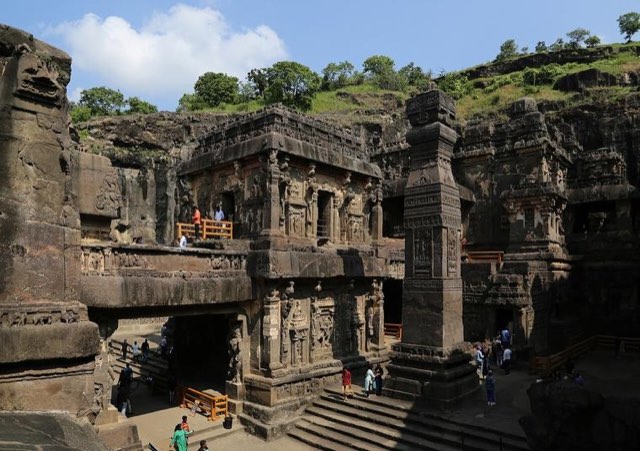
India has a long and rich tradition of art and architecture that dates back to the third millennium BCE. This unit will cover the arts of India from the Indus Valley Civilization (c. 2600-1900 BCE) through the Mughal Empire (1526-1858). Focusing on Buddhist, Hindu, and Islamic art, this unit examines the religious role of Indian art while also stressing the impact that political patronage had on the development of religious art and architecture. After completing this unit, you will have a comprehensive understanding of the major artistic traditions of India and how they have been shaped by Buddhism, Hinduism, and Islam.

The Indus Valley Civilization (c. 2600-1900 BCE)
- Mohenjo Daro: Ancient City of the Indus Valley CivilizationTesselar · read
- Indus ValleyPBS · The Story of India · watch · archived copy
Overview of Buddhism and Indian Buddhist Art and Architecture
- Buddhism and Buddhist ArtThe Metropolitan Museum of Art · Heilbrunn Timeline of Art History · read · archived copy
- Buddhist Art and ArchitectureB. Annapurna Sastri · read
- Buddhism and the Life of the BuddhaThe Victoria and Albert Museum · read
Emperor Ashoka (c.269-233 BCE) and Early Buddhist Art
- Edicts of AshokaPBS · The Story of India · read · archived copy
- The StupaYouTube · The Asian Art Museum of San Francisco · watch
- The Great Stupa at SanchiSophia · Aleisha Olson · watch · no longer online
The Kushan Empire (c. 2nd century BCE-3rd century CE)
- Art of the Silk Road: The Kushan EmpireUniversity of Washington · read
- The Art and Architecture of Gandhara: A Cultural History, Part I and IIiTunes U · Asian Art Museum of San Francisco · Kurt A. Behrendt · watch · no longer online
- Guided Observation 1: Buddhist Iconography and Kushan Buddhist SculptureThe Saylor Foundation · write
The Ajanta Caves
- Ajanta CavesArchaeological Survey of India · read · archived copy
- The Caves at AjantaSmarthistory · read
Overview of Hinduism and Hindu Art
- Hinduism and Hindu ArtThe Metropolitan Museum of Art · Heilbrunn Timeline of Art History · read · archived copy
Chola Bronzes (c. 9th-13th centuries CE)
- The Sensuous and the Sacred: Chola Bronzes from South IndiaThe Freer and Sackler Gallery · read · archived copy
- Beliefs Made Visible: Hindu Art in South Asia (Part I)YouTube · Asian Art Museum of San Francisco · watch
Ellora: Kailasanatha
- Beliefs Made Visible: Hindu Art in South Asia (Part I)YouTube · Asian Art Museum of San Francisco · watch
- Ellora Caves—Brahmanical Group: Cave 16 (Kailasa)Archaeological Survey of India · read · archived copy
- KailasaYouTube · Yadabaclandekrisnha · watch
Mahabalipuram
- Mahabalipuram and Mahabalipuram: The Monolithic TemplesArchaeological Survey of India · read · archived copy
- 1001 Wonders’s Interactive Map of Mahabalipuramwatch · no longer online
Dravidian/Southern Temple Architecture: The Chola Empire
- General Features of a Chola Temple and The Great Living Chola TemplesArchaeological Survey of India · read · archived copy
- Diwali Tour Part 3 - ThanjavurAnuradha Shankar · read · archived copy
Nagaran/Northern Temple Architecture
- KhajurahoArchaeological Survey of India · read · archived copy
- March 2012 - Part 3: Khajuraho, IndiaVimeo · Ggia · watch
- The Hindu Temple and Its Evolution in North and South India, Part I and IIiTunes U · Asian Art Museum of San Francisco · Professor Mary-Ann Milford · watch · no longer online
General Characteristics of Islamic Art
- The Birth of Islam, Figural Representation in Islamic Art, and Geometric Patterns in Islamic ArtThe Metropolitan Museum of Art · Heilbrunn Timeline of Art History · read · archived copy
- Calligraphy in Islamic Art, and Plant Motifs in Islamic ArtThe Victoria and Albert Museum · read
Mughal Art and Architecture
- The Age of the Mughals and Life and Art in the Mughal CourtThe Victoria and Albert Museum · read
- Fatehpur SikriPBS · The Story of India · read · archived copy
- ArchitectureBoundless · read · no longer online
- 5 - 6 March 2012 - Part 4: Mughals in Agra and Fatehpur SikriVimeo · Ggia · watch
- Fatehpur Sikri: Poetry in Red Sandstone and Blue SkiesThat and This in Mumbai · Sudhagee · read · archived copy
- Visions of Paradise: The Tradition of the Taj Majal, Part I and IIiTunes U · Asian Art Museum of San Francisco · Professor Catherine Asher · watch · no longer online
- Taj MahalPBS · The Story of India · read · archived copy
Chapter II
The Art and Architecture of China
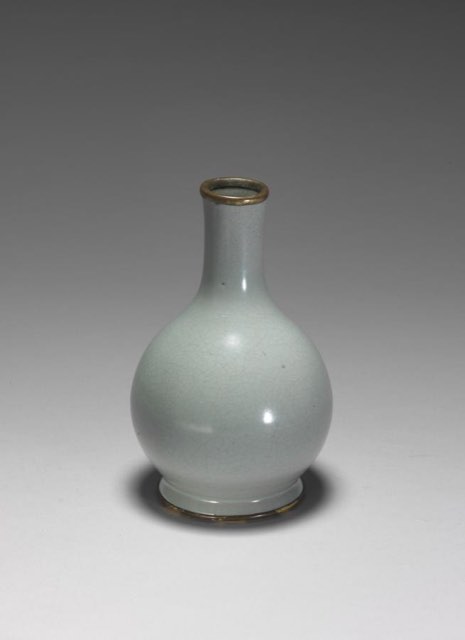
This unit introduces the art and architecture of China from the Shang (c.1600-1050 BCE) through the Qing (1644-1911) dynasties. Examining art from first millennium BCE through second century CE tombs, it begins by looking at the “Great Bronze Age of China” and the role that art played in the founding of the first Chinese Empires. We will then focus on the introduction of Buddhism to China and its role in Chinese art through the Tang Dynasty (618-907). The unit concludes by exploring the development of three artistic traditions—calligraphy, painting, and porcelain—in the Song (960-1279) through Qing Dynasties. After completing this unit, you will have a comprehensive understanding of the major artistic traditions of China and their relationship to contemporary political, social, and religious developments.

The Great Bronze Age of China: Shang and Zhou (1766-221 BCE)
- Bronze as a Symbol of Power During China’s Bronze AgeiTunes U · Asian Art Museum of San Francisco · Michael Knight · watch · no longer online
The Shang (c.1600-c.1050 BCE)
- Bronze Age ChinaThe National Gallery · Teaching the Golden Age of Chinese Archaeology · read · archived copy
- More on Bronze VesselsThe National Gallery · Teaching the Golden Age of Chinese Archaeology · read · archived copy
- Shang Tomb of Lady Fu Hao, Bronzes from Fu Hao’s Tomb, and Jade from Fu Hao’s TombPatricia Buckley Ebrey’s A Visual Sourcebook of Chinese Civilization · read
- More about the Finds at SanxingduiThe National Gallery · Teaching the Golden Age of Chinese Archaeology · read · archived copy
The Western Zhou (c. 1050-771-BCE)
- More on the Western Zhou and Object 10: Shi Qiang bronze vessel (pan)The National Gallery · Teaching the Golden Age of Chinese Archaeology · read · archived copy
- Zhou Tomb of the Count of Yu and Bronzes from Count Yu’s TombPatricia Buckley Ebrey’s A Visual Sourcebook of Chinese Civilization · read
Spring and Autumn and Warring States Periods (771-221 BCE)
- Chu and Other CulturesThe National Gallery · Teaching the Golden Age of Chinese Archaeology · read · archived copy
- More on the Tomb of Marquis Yi of ZengThe National Gallery · Teaching the Golden Age of Chinese Archaeology · read · archived copy
The Qin Dynasty (221-206 BCE)
- Qin DynastyThe Metropolitan Museum of Art · Heilbrunn Timeline of Art History · read · archived copy
- Terracotta WarriorsVimeo · Michael North · watch
- 1001 Wonders’s Interactive Panorama of the Main Pit of the Tomb of the First Emperorwatch · no longer online
- Archaeology of the First Emperor’s Tomb, Part I and IIiTunes U · Asian Art Museum of San Francisco · Professor Jeffrey Riegel · watch · no longer online
The Han Dynasty (206 BCE- 220 CE)
- Vibrant Role of Mingqi in Early Chinese BurialsThe Metropolitan Museum of Art · Heilbrunn Timeline of Art History · read · archived copy
- Photo Gallery: The Excavation of Lady Dai’s Tomb and Photo Gallery: A Selection of Artifacts from MawangduiArchaeology · read · archived copy
- Liu Sheng’s Tomb, Liu Sheng’s Bronzes, and Liu Sheng’s JadesPatricia Buckley Ebrey’s A Visual Sourcebook of Chinese Civilization · read
- The Journey: A Han Dynasty TombCornell University · watch · archived copy
- ’Wu Family Shrines’ Pictorial StonesPrinceton University Art Museum · read · archived copy
- Wu Family Shrines’ InteractivePrinceton University Art Museums · watch
- Wu Family Shrines Cemetery SiteProfessor Anthony J. Barbieri-Low’s Computer Reconstruction of the · watch
- Rethinking Han Dynasty Tombs, Part 1 and 2iTunes U · Asian Art Museum of San Francisco · Professor Patricia Berger · watch · no longer online
- China: Han Dynasty (206 BC–AD 220), Pilaster from a Tomb, Ceramic Liubo Players, Glazed Stoneware Jar, Glazed Pottery Pond with Figures, Chinese Han Lacquer Cup, Jade Eye Plaques, Jade Cicada, Lacquered Box, and Bronze Belt HookThe British Museum · read
The Period of Disunion and Chinese Buddhism
- Spiritual Traditions of China Internet Resources Site’s The Buddha and Buddhism: Chinaread · archived copy
- Northern and Southern DynastiesThe Metropolitan Museum of Art · Heilbrunn Timeline of Art History · read · archived copy
- Buddhist Cave TemplesPatricia Buckley Ebrey’s A Visual Sourcebook of Chinese Civilization · read
- 1001 Wonders’s Interactive Map of the Yungang Caveswatch · no longer online
- Chinese Buddhist Cave ShrinesYouTube - Asian Art Museum of San Francisco · watch
- Chinese Buddhism, Part I and IIiTunes U · Asian Art Museum of San Francisco · Professor Robert Sharf · watch · no longer online
The Tang Dynasty (618-907)
- Internationalism in the Tang DynastyThe Metropolitan Museum of Art · Heilbrunn Timeline of Art History · read · archived copy
- Art of Tang China, Part I and IIiTunes U · Asian Art Museum of San Francisco · Eugene Wang · watch · no longer online
- China: Tang Dynasty (AD 618–906), The Silk Route, Earthenware Tile with a Monster Mask, Chinese Tang Tomb Figures, Painted Clay and Wood Figure of a Horse, Silk Embroidery Panel with Flowers and Ducks, Silk Altar Valance, Paradise of Maitreya, Ink and Colours on Silk, Thousand-Armed, Thousand-Eyed Avalokiteshvara, Ink and Colours on Silk, and Agate Belt SetThe British Museum · read
The Song Dynasty (960-1279)
- Northern Song DynastyThe Metropolitan Museum of Art · Heilbrunn Timeline of Art History · read · archived copy
- Southern Song DynastyThe Metropolitan Museum of Art · Heilbrunn Timeline of Art History · read · archived copy
The Yuan Dynasty (1271-1368)
Calligraphy and Chinese Landscape and Literati Painting
- Landscape Painting in Chinese ArtThe Metropolitan Museum of Art · Heilbrunn Timeline of Art History · read · archived copy
- Chinese CalligraphyYouTube · Asian Art Museum of San Francisco · watch
- Scholar Officials of ChinaThe Metropolitan Museum of Art · Heilbrunn Timeline of Art History · read · archived copy
- Song and Yuan Dynasty Painting, Part I and IIiTunes U · Asian Art Museum of San Francisco · Melissa Abbe · watch · no longer online
- Guided Observation 2: Northern Song Monumental Landscape PaintingThe Saylor Foundation · write
- Chinese Painting and Calligraphy: Basic Materials and Chinese Painting and Calligraphy: FormatsThe British Museum · read
The Ming Dynasty (1368-1644)
- Late Ming and Early Qing Dynasty Painting, Part I and II Lectures (iTunes)Asian Art Museum of San Francisco · Professor Richard Vinograd · watch · no longer online
- The Forbidden CityAsian Historical Architecture · read
- The Forbidden CityYouTube · Asian Art Museum of San Francisco · watch
- Inside Beijing’s Forbidden CityYouTube · Sheila Scarborough · watch
- China: Ming Dynasty (AD 1368–1644), Cloisonné jar, Lacquer dish, Fahua vase, Doucai jar, Stoneware figure of Budhai (Laughing Buddha), Gilt-bronze figure of Shakyamuni, Wen Zhengming, Wintry Trees, a hanging scroll painting “Chen Shun, Zhoujintang (‘Hall of Daytime Elegance’), followed by the Zhoujintang ji (‘Record of the Hall of Daytime Elegance’The British Museum · read
The Qing Dynasty (1644-1911)
- The Qing Dynasty (1644-1911): PaintingThe Metropolitan Museum of Art · Heilbrunn Timeline of Art History · read · archived copy
- China: Qing Dynasty (1644–1911)The British Museum · read
Ming and Qing Porcelain
- Chinese Porcelain, Chinese Porcelain Decoration: Underglaze Blue and Red, and Chinese Porcelain Decoration: Overglaze EnamelsThe British Museum · read · archived copy
- Jar, Ming Dynasty, Cup, Ming Dynasty, Jar, Ming Dynasty, Vase, Qing Dynasty, and Vase with PeachesThe Metropolitan Museum of Art · Heilbrunn Timeline of Art History · read · archived copy
- Jingdezhen: Porcelain Capital of China and the World, Part I and IIiTunes U · Asian Art Museum of San Francisco · Professor Robert Mowry · watch · no longer online
Chapter III
The Art and Architecture of Japan
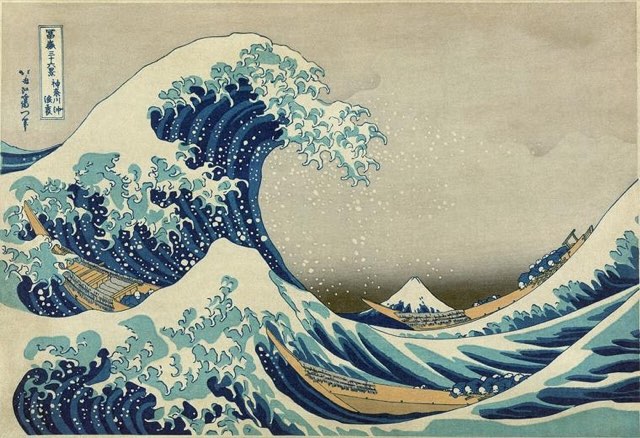
This unit serves as an introduction to the art and architecture of Japan from the Jomon (c.10,500-300BCE) through Edo (1615-1868) Periods. After looking at the art of prehistoric and proto-historic Japan, this unit examines seventh through twelfth century Japanese art and its adoption and adaptation of Buddhist and royal artistic traditions from Korea and China. This unit then focuses on Japanese art from the thirteenth through nineteenth centuries, when Japan was controlled by the warrior class, which was comprised of active patrons of the arts and Buddhism. After completing this unit, you will have a comprehensive understanding of the major artistic traditions of Japan and their relationship to contemporary political, social, and religious developments.

Jomon (c.10,500-300 BCE)
- Jomon CultureThe Metropolitan Museum of Art · Heilbrunn Timeline of Art History · read · archived copy
Yayoi Period (c. 4th century BCE-3rd century CE)
- Asian Art Museum of San Francisco: Professor Mary-Ann Milford’s Prehistoric Japan: Jomon to Yayoi: Early Ceramics, Part I and II LecturesiTunes U · watch · archived copy
- Japan: Yayoi Period (about 300 BC–AD 300), Pottery vessel, Trumpet-necked storage jar,Two d?taku (ritual bells), and D?hoko (ritual spear blade)The British Museum · read
Kofun Period (c. 3rd century -538CE)
- Japan: Kofun Period (about 3rd–7th century AD), Stemmed Haji ware bowl with handle, Sword, Bronze mirror, Haniwa, Sue ware coffin, and Long-necked Sue jarThe British Museum · read
Asuka and Nara Periods (538-794)
- Asuka and Nara PeriodsThe Metropolitan Museum of Art · Heilbrunn Timeline of Art History · read · archived copy
- H?ry?-jiAsian Historical Architecture · read
- T?dai-jiAsian Historical Architecture · read
- Ancient Temples of NaraYouTube · Asian Art Museum of San Francisco · watch
- Tang Culture at the Nara Court, Part I and IIiTunes U · Asian Art Museum of San Francisco · Professor Mary-Ann Milford · watch · archived copy
Heian Period (794-1185)
- Heian PeriodThe Metropolitan Museum of Art · Heilbrunn Timeline of Art History · read · archived copy
- Painting, Scroll of Genji 1 and Painting, Scroll of Genji 2George Mason University · Women in World History · read
- By?d?-inAsian Historical Architecture · read
- Heian and Kamakura Scroll Paintings, Part IiTunes U · Asian Art Museum of San Francisco · Professor Mary-Ann Milford · watch · archived copy
Kamakura and Nanbukuch? Periods (1185-1392)
- Kamakura and Nanbukucho PeriodsThe Metropolitan Museum of Art · Heilbrunn Timeline of Art History · read · archived copy
- Heian and Kamakura Scroll Paintings, Part IIiTunes U · Asian Art Museum of San Francisco · Professor Mary-Ann Milford · watch · archived copy
Muromachi Period (1392-1573)
- Muromachi PeriodThe Metropolitan Museum of Art · Heilbrunn Timeline of Art History · read · archived copy
Samurai and Shoguns
- SamuraiThe Metropolitan Museum of Art · Heilbrunn Timeline of Art History · read · archived copy
- Shoguns and ArtThe Metropolitan Museum of Art · Heilbrunn Timeline of Art History · read · archived copy
Zen Buddhism
- Zen BuddhismThe Metropolitan Museum of Art · Heilbrunn Timeline of Art History · read · archived copy
- Ry?an-jiAsian Historical Architecture · read
Momoyama Period (1573-1615)
- Momoyama PeriodThe Metropolitan Museum of Art · Heilbrunn Timeline of Art History · read · archived copy
- Taian Tearoom, Layout of Taian, Tearoom, Anteroom, Katte, Toko, Bamboo Grill, The Reconstruction of Taian, and Sen no RikyuColumbia University · read · archived copy
- The Kano School of PaintingThe Metropolitan Museum of Art · Heilbrunn Timeline of Art History · read · archived copy
- Momoyama: Castle Architecture (Kano School), Part I and IIiTunes U · Asian Art Museum of San Francisco · Professor Mary-Ann Milford · watch · archived copy
Edo Period (1615-1868)
- Art of the Edo PeriodThe Metropolitan Museum of Art · Heilbrunn Timeline of Art History · read · archived copy
- Katsura Imperial VillaAsian Historical Architecture · read
- Nij? CastleAsian Historical Architecture · read
- From Castle to Palace: Samurai ArchitectureYouTube · The Asian Art Museum of San Francisco · watch
- Rinpa Painting StyleThe Metropolitan Museum of Art · Heilbrunn Timeline of Art History · read · archived copy
- Ukiyo-e: Pictures of the Floating WorldThe Victoria and Albert Museum · read
- Hokusai and Hiroshige: Great Japanese Prints from the James A. Michener CollectionYouTube · Asian Art Museum of San Francisco · watch
- Guided Observation 3: Japanese Woodblock PrintsThe Saylor Foundation · write
About this course
This course is Saylor Academy's ARTH305, Arts of Asia, one of the complete university courses the Saylor Foundation made free from 2008 and retired in 2015. Saylor licensed its course text under CC BY 3.0; the original is on GitHub. Here it is laid out as chapters, links that have died go to an archived copy from the Internet Archive where one exists, assessments that needed a Saylor login are left out, and people and works are linked to Kulturbase. The readings and lectures belong to their publishers and are linked, not copied. Pictures: Wikimedia Commons, credited under each picture.
All Saylor courses · Free culture courses · The Chautauqua Reading Course