Art history · Saylor ARTH408
Contemporary Art
In common conversation, we often use the phrase “contemporary art” to refer to current artistic production—the art being produced today. However, in the art history field, the phrase denotes a specific period of art and artistic practice starting in the 1960s and continuing today.
More about this course
It is characterized by a break from the modernist artistic canon and a desire to move away from the dominant Western cultural model, looking for inspiration in everyday and popular culture. More specifically, many contemporary artworks reject traditional modernistic artistic media (such as painting or sculpture) in favor of a more collaborative, ephemeral, and multimedia approach that further blurs the boundaries between high and mass culture. In its subject matter, this art also tends to reflect a shift away from purely aesthetic issues to more socially oriented concerns. Finally, it is important to note that contemporary art should not be seen as a progression of different artistic styles but as series of different cultural, social, and political inquiries that occupied contemporary art practice over the course of the past 50 years or so. We will examine these important aesthetic and cultural changes within their historical and social context as we progress through this course. This course will survey contemporary art, starting with the 1960s and concluding in 2010. While the focus is on Western art and culture, we will also explore a selection of contemporary art and artistic practices around the globe, which have become increasingly influential in the definition of contemporary art today. Each of the units will examine a set of specific aesthetic and social issues and look at the different strategies contemporary artists proposed and used in their work. By the end of this course, you should be able to recognize and interpret most important aspects of contemporary art and contemporary visual culture while better understanding some of the cultural and social aspects of our daily life in today’s global world.
Upon successful completion of this course, the student will be able to:
In order to take this course, you must:
Chapter I
Modernism in the Sixties
In this unit, we will start by exploring the New York art scene and looking at why a majority of artists and the general public came to feel distanced from modernism in the 1960s, perceiving it as a reductive artistic style completely removed from life. In order to understand this change, we will examine broadly the context by looking into the way the Cold War’s ideological battle had come to use modernist art as a propaganda tool, why the term “white cube” was related to the Museum of Modern Art in New York, and what was happening with the art market at that time.
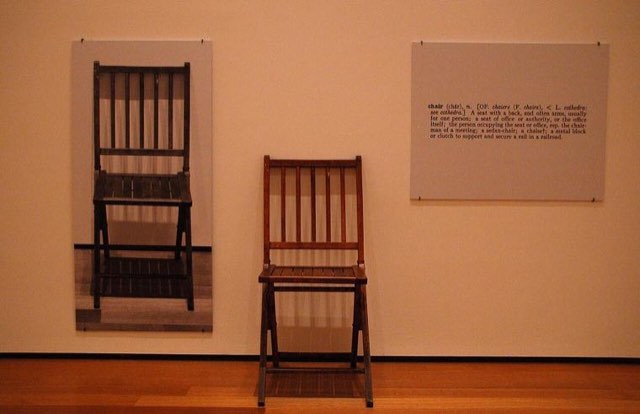

History: Art as a Propaganda Tool
- Unpopular Front and Boston University: Eva Cockcroft: Abstract Expressionism, Weapon of the Cold WarThe New Yorker · Dr. Louis Menand · read
The Museum of Modern Art (MoMA) – New York
- An Interview with Jay Levenson, Director, International Program, The Museum of Modern Art; Michigan State University: Christoph Grunenberg: The Modern Art Museum; and E-Flux: Simon Sheikh: Positively White Cube RevisitedMoMA · Amy Horschak · read
Leo Castelli and the Global Market for Art.
- Pride and Prejudice: French Art Dealers and American Artists in the Fifties and Sixties and the Smithsonian Institution: Archives of American Art: Barbara Rose: Oral History Interview with Leo Castelli, 1969 JulyDr. Julie Verlaine · read
- Leo Castelli: A Global Gallerist Anchored in Renaissance ItalyiTunes U · Stanford Institute for Creativity and the Arts · Dr. Annie Cohen-Solal · watch
- Cold War Art Propagandado · archived copy
Art Critic: Clement Greenberg’s Formalism (Greenbergian Formalism)
- Greenberg: ModernismSharecom · read · archived copy
- Clement Greenberg PortraitiTunes U · Smithsonian Institution · The National Portrait Gallery · watch · archived copy
- Formalism and The Art Story’s Art Critics Comparison: Clement Greenberg vs. Harold RosenbergThe Art Story · Justin Wolf’s Modern Art Concept · read
Art Movement: Post-Painterly Abstraction
- Post-Painterly AbstractionThe Art Story · Justin Wolf · read
- Greenberg: Post Painterly AbstractionSharecom · read · archived copy
Artist: Helen Frankenthaler and Post-Painterly Abstraction
- Helen FrankenthalerThe Art Story · Jessica Shaffer · read
Chapter II
Contesting Modernism: Art Beyond Painting and Sculpture
In this unit, we will focus on a series of mostly international and collective art practices that would trigger a powerful contestation of modernist canon and challenge of its most important principles as encapsulated by Greenberg’s writings and growing pressure of the art market. It was not an accident that most of the artists were very young, bringing a sense of intensity and irreverence to the artistic practice. We will start this unit by examining the ideas of the Parisian collective known as the Situationist International (Situationists), whose work addressed the nature and function of art and culture in contemporary society, thus moving away from purely artistic issues.
Who Were the Situationists and What Exactly They Were Interested In?
- ChronologySituationist International Online · read · archived copy
- Situationist InternationalEagainst.com · watch
- Report on the Construction of the Situations and on the International Situationist Tendency’s Conditions of Organization and ActionGuy Debord · read · archived copy
Situationist Art Tactics
- Definitions; Guy Debord and Gil J. Wolman: A User’s Guide to Détournement; and Guy Debord: Theory of the DériveGuy Debord · read · archived copy
Asger Jorn and Guy Debord: Mémoires
- Uneasy Arrangements: Looking at Guy Debord’s MemoiresDr. Richard L. Edwards · read · archived copy
Asger Jorn and Modified (Disfigured) Paintings
- Détourned PaintingAsger Jorn · read · archived copy
What Was Fluxus All About?
- A Child’s History of FluxusDick Higgins · read
- George Maciunas’s Seattle InterviewUbuWeb · William Woods · watch · archived copy
- 37 Short Fluxus FilmsUbuWeb · watch
Nam June Paik
- Nam June Paik and the Museum of Broadcast Communications: Paik, Nam JuneMoMA · read · archived copy
Yoko Ono
- Cut Piece – Carnegie Recital Hall NYC 1965YouTube · Yoko Ono · watchYoko Ono on Kulturbase
- Yoko Ono ‘Grapefruit’ at Stendhal GalleryGeorge Maciunas Foundation · readYoko Ono on Kulturbase
Joseph Beuys: We Are the Revolution
- Joseph Beuys and Flash Art: Giancarlo Politi: Joseph Beuys: We Are the RevolutionThe Art Story · read · no longer online
Lucy Lippard: Art Critic as an Activist
- Lippard, Lucy; Tate Papers: Lucy R. Lippard: Curating by Numbers; and Smithsonian Institution: Lucy R. Lippard Papers, 1940s-2006, Bulk, 1968-1990Dictionary of Art Historians · read · archived copy
Other Dematerialized Artworks
- Conceptual ArtThe Art Story · Justin Wolf · read
Hanne Darboven
- Hanne DarbovenUbuWeb · read
- Hanne Darboven. Quartett >88<. 1990; Hanne Darboven. Untitled for the Journal Studio International. vol. 180, no. 924. July-August, 1970MoMA · watch · archived copy
Daniel Buren
- Beware! (1970) and Tate Papers: Koen Brams: Two Exhibition-Related Films by Jef CornelisDaniel Buren · read
- Daniel BurenLisson Gallery · watch
Robert Smithson
- Robert Smithson and Robert Smithson: Cultural ConfinementThe Art Story · Justin Wolf · read
- EarthworksRobert Smithson · watch · archived copy
Giovanni Anselmo
- Notes for a Guerrilla War; Tate Collection: Giovanni Anselmo; and MoMA: Giovanni AnselmoFlash Art · Germano Celant · read · archived copy
John Baldessari
- Pure Beauty and Talking ArtTate Channel · John Baldessari · read · archived copy
Cildo Meireles
- Eye on Europe: Prints, Books & Multiples/1960 to NowThe Museum of Modern Art · do · archived copy
- Cildo MeirelesTate Channel · watch · archived copy
Chapter III
Expanding Fields and Contesting Stereotypes
Following the women’s liberation movement (second-wave feminism) coming on the heels of the civil rights movement and many other liberation and antiwar movements across the globe, many contemporary artists engaged more openly with social issues. In this unit, we will discuss and examine the ways in which contemporary artists associated with feminism used their art as a tool to protest cultural myths and stereotypes. Some of these works challenged preconceived notions of femininity and/or race; the others were focusing on what artists perceived to be isolation and disconnectedness in contemporary world. However, all of them were interested in creating a thought-provoking situation that challenged the viewer. Finally, we will explore how the use of loosely structured, theater-like events—collectively called “performance art”—offered an opportunity to create an interactive, socially responsive work of art, thus making it, in the 1970s, a preferred form of expression for feminists—and not only just them.
Feminist Intervention
- Why Have There Been No Great Women Artists?Linda Nochlin · read · archived copy
- Feminism & Feminist ArtThe Art History Archive · read
Betye Saar
- Feminism and Contemporary Art and CultureThe Museum of Contemporary Art · Angela Davis · watch
- Life Is a Collage for Artist Betye SaarNational Public Radio · Renee Montagne · watch · archived copy
Judy Chicago
- A Conversation with Judy Chicago and Suzanne LacyYouTube · Otis College of Art and Design · watch
- The Dinner PartyBrooklyn Museum · Elizabeth A. Sackler Center for Feminist Art · read · archived copy
Louise Bourgeois
- Louise BourgeoisThe Art Story · read · no longer online
- IdentityPBS · Art21 · watch · archived copy
Eva Hesse
- Eva Hesse’s UntitledSmarthistory · watch
- Briony Fer on Eva HesseiTunes U · Art Institute of Chicago · watch · archived copy
Martha Rosler
- Semiotics of the KitchenYouTube · Martha Rosler · watch
- Martha Rosler: Talking ArtTate Channel · watch · archived copy
Mary Kelly and Post-Partum Document
- Mary Kelly’s Postpartum DocumentSmarthistory · Rachel Warriner · read · archived copy
- Four Works in Dialogue (1973–2010)YouTube · Mary Kelly · watch
Ana Mendieta
- Ana MendietaHirshhorn Museum and Sculpture Garden · read · archived copy
- Ana Mendieta: Selected Film WorksUbuWeb · read · archived copy
Performance Art
- Performance Art: An IntroductionSmarthistory · Dr. Virginia B. Spivey · read
Chris Burden
- Chris BurdenArtforum · Robert Horvitz · read · archived copy
- The TV Commercials 1973-1977 and Documentation of Selected Works (1971-1974)UbuWeb · Chris Burden · watch
Carolee Schneemann
- Interior Scroll by Carolee SchneemannTate Gallery · Elizabeth Manchester · watch · no longer online
Vito Acconci
- Vito Acconci’s Following PieceSmarthistory · JP McMahon · read · archived copy
- Willoughby Sharp Videoviews Vito AcconciUbuWeb · watch
- Betye SaarSan Francisco Museum of Modern Art (SFMoMA) · do · archived copy
Chapter IV
Postmodernist Rhetoric: Return to Painting and Object or Further Questioning?
With an increasing presence of technology and shifting global borders—promising and threatening—the 1980s were complex period in the history of the 20th century, which for many in the West announced the arrival of the postmodern, where many aspects of Modern art and theory—such as the idea of linear progression together with the concepts of originality and authenticity—were obsolete. However, for many cultural theoreticians and artists alike working at that time, this fascination with the alleged end of modernism only proved its ongoing pertinence. As a result, a vivid debate ensued—often referred to as a “postmodernist rhetoric” in order to emphasize its polemical character. This debate divided the art world roughly into two camps: On one hand were the artists who engaged in irreverent and often ironical appropriation of past artistic styles, bringing back the dominance of painting and sculpture, and on the other hand were those who used new media and photography to question some of the basic assumptions of modernist orthodoxy, such as the issues of originality and authenticity. In this unit, we will examine both camps, hoping to get a clearer understanding of the main characteristics of this debate.
Postmodernism (Po-Mo)
- Approaches to Po-MoGeorgetown University · Dr. Martin Irvine · read · archived copy
Neo-Expressionism
- Neo-ExpressionismThe Art Story · Justin Wolf · read
Julian Schnabel
- Your History Is Not Our HistoryFlash Art · Helena Kontova · read · archived copy
- Corine Near Armenia, Untitled, and OwlMuseum of Contemporary Art, Los Angeles · Julian Schnabel · watch · no longer online
Anselm Kiefer
- Anselm Kiefer and BBC Collective: Anselm KieferTate Channel · watch · archived copy
Georg Baselitz
- Georg BaselitzThe Art Story · read
Russian Irony: The Most Wanted Paintings
- The Most Wanted Paintings on the WebDia Art Foundation · Komar & Melamid · watch · archived copy
Jeff Koons
- Jeff Koons: BiographyPBS · Art21 · read · archived copy
- Fantasy and Tate Channel: In the Studio: Jeff KoonsPBS · Art21 · watch · archived copy
Ashley Bickerton
- Ashley Bickerton Talks to Steve Lafreniere – ’80s Then – InterviewArtforum · read · archived copy
- Tormented Self-Portrait (Susie at Arles)MoMA · Ashley Bickerton · watch · archived copy
Allan McCollum
- Allan McCollum: BiographyPBS · Art21 · read · archived copy
- Systems: Allan McCollumPBS · Art21 · watch · archived copy
- Allan McCollumAllan McCollum · watch
Sherrie Levine
- The Anxiety of Influence – Head On: A Conversation between Sherrie Levine and Jeanne SiegelAfterSherrieLevine · read
- Sherrie Levine’s Untitled (After Edward Weston, ca. 1925)Smarthistory · Dr. Shana Gallagher-Lindsay and Dr. Beth Harris · watch · archived copy
- Sherrie LevineUbuWeb · read
Cindy Sherman
- Sherman’s Untitled Film Still #21Smarthistory · Dr. Shana Gallagher-Lindsay and Dr. Beth Harris · watch · archived copy
- TransformationPBS · Art21 · watch · archived copy
Barbara Kruger
- Barbara Kruger: Biography and Installation at Mary Boone GalleryPBS · Art21 · read · archived copy
- ConsumptionPBS · Art21 · Barbara Kruger and John McEnroe · watch · archived copy
- Eye on Europe: Prints, Books & Multiples/1960 to NowThe Museum of Modern Art · do · archived copy
Chapter V
Art and the Public Sphere
The term “public sphere” is used to describe different public spaces, not necessarily physical spaces, where people can congregate freely to discuss and form their opinions. Art museums, galleries, cities, and city plazas but also the media are some examples of the public sphere. In the late 1980s, many artists became increasingly concerned with the commercialization of the public sphere, which they felt threatened the arts and impeded people to think freely and make their own decisions.

Richard Serra and Tilted Arc (1981–1989)
- Richard Serra’s Tilted Arc and Arizona University: Richard Serra: The Case of Tilted ArcPBS · Culture Shock · read · archived copy
- The Trial of Tilted ArcSan Francisco Museum of Modern Art (SFMOMA) · watch · archived copy
Robert Mapplethorpe and The Perfect Moment (1988–1989)
- The Perfect Moment, Janet Kardon: Robert Mapplethorpe Interview, and David Joselit: Robert Mapplethorpe’s Poses; MIT: The Tech: Deborah A. Levinson: Robert Mapplethorpe’s Extraordinary Vision; and the Cincinnati Enquirer: Jackie Demaline: Mapplethorpe Battle Changed the Art WorldInstitute of Contemporary Art (ICA) Philadelphia · Janet Kardon · read · archived copy
Public Art: The City for People and Creative Consumption
- Formulary for a New UrbanismGilles Ivain [Ivan Chtcheglov] · read · archived copy
Jenny Holzer
- Jenny Holzer: BiographyPBS · Art21 · read · archived copy
- Jenny Holzer: TruismsMoMA · Jennifer Roberts · read · archived copy
- ProtestPBS · Art21 · watch · archived copy
Krzystof Wodiczko
- Krzystof Wodiczko: Biography and Architecture & TherapyPBS · Art21 · read · archived copy
- PowerPBS · Art21 · watch · archived copy
Alfredo Jaar
- Alfredo Jaar: BiographyPBS · Art21 · read · archived copy
- Strategies of RepresentationiTunes U · Columbia University · Alfredo Jaar · watch · archived copy
Art and the Museum: The Institutional Critique
- Extradisciplinary Investigations: Towards a New Critique of InstitutionsMayflyBooks · Brian Holmes · read
Hans Haacke
- Hans Haacke: BiographyTate Gallery · Eva Meyer-Hermann · read · archived copy
- Hans Haacke: Talking ArtTate Channel · watch · archived copy
Andrea Fraser
- Andrea FraserUCLA · Department of Art · read · archived copy
- Andrea FraseriTunes U · Carnegie Mellon School of Art · watch · no longer online
Fred Wilson
- A Day with Fred WilsoniTunes U · Seton Hall University · watch · no longer online
- StructuresPBS · Art21 · watch · archived copy
- Richard Serra’s Tilted Arcdo · archived copy
- I Am a ManSan Francisco Museum of Modern Art (SFMoMA) · Jenny Holzer · do · archived copy
Chapter VI
Narrating Identity
1989 was a watershed year. For many, the fall of the Berlin Wall symbolized the end of the Cold War and a final victory of capitalism, which had global consequences and created a big change in the way we live and think about ourselves. Therefore, in the 1990s, contemporary artists increasingly moved away from big social issues and turned their focus to questions of identity, memory, and sexuality. Working as anthropologists would do, the artists explored what it means to be a man or a woman in a global world today: What is the role of memory and sexuality in construction of identity? Furthermore, what does race mean in today’s postcolonial world? Finally, what does it mean to be a human in a world saturated by technology?
Mike Kelley
- Mike Kelley: Biography and Language & PsychologyPBS · Art21 · read · archived copy
- MemoryPBS · Art21 · watch · archived copy
Paul McCarthy
- Paul McCarthy: BiographyPBS · Art21 · read · archived copy
- TransformationPBS · Art21 · watch · archived copy
Annette Messager
- Natasha Leoff Interview with Annette MessagerJournal of Contemporary Art · read
- The Hayward Gallery: ‘The Messengers’YouTube · watch · no longer online
Kiki Smith
- Kiki Smith: Biography and Family History & the History of ObjectsPBS · Art21 · read · archived copy
- StoriesPBS · Art21 · watch · archived copy
Robert Gober
- UntitledMoMA · Robert Gober · watch · archived copy
- Robert Gober: Sculptures and DrawingsSan Francisco Museum of Modern Art · read
- Carrie Mae Weemswatch
- Episode 21iTunes U · Duke University · Left of Black · Marc Anthony Neal · watch · archived copy
Kara Walker
- Kara Walker: Biography and Projecting Fictions: ‘Insurrection! Our Tools Were Rudimentary, Yet We Pressed On’PBS · Art21 · read · archived copy
- StoriesPBS · Art21 · watch · archived copy
Glenn Ligon
- Talking Art: Glenn LigoniTunes U · Tate Gallery · watch · archived copy
- Glenn LigonMoMA · watch · archived copy
Yinka Shonibare
- Yinka Shonibare: BiographyPBS · Art21 · read · archived copy
- TransformationPBS · Art21 · watch · archived copy
Orlan
- OrlaniTunes U · The University of Michigan · watch · no longer online
Stelarc
- Extended-Body: Interview with Stelarc and NeMe: From Zombie to Cyborg Bodies – Extra Ear, Exoskeleton and Avatars by StelarcCTheory · read · archived copy
Mona Hatoum
- Mona HatoumiTunes U · Emily Carr University · watch · archived copy
Nan Goldin
- A Discussion on the Photography of Nan GoldinCharlie Rose · watch · archived copy
- Nan GoldinWhitney Museum of American Art · watch · archived copy
Larry Clark
- Larry ClarkInternational Center for Photography · Brian Wallis · read · archived copy
Rineke Dijkstra
- Rineke Dijkstra: Artist’s TalkTate Channel · watch · archived copy
- Rineke DijsktraMoMA · watch · archived copy
- No Mere Words . . .San Francisco Museum of Modern Art (SFMoMA) · Kara Walker · do · archived copy
Chapter VII
Contemporary Art in the Global World
The 21st century ushered the world of art into the global arena, where there is no single specific art center or one specific art technique to speak about. However, there are some pressing issues that are common and that most artists around the world are sharing, and this is what we will examine in this final unit.
Contemporary Art, Artists, and the Global World: An Introduction.
- Biennials without Borders?; Jean Fisher: The Other Story and the Past Imperfect; Gilane Tawadros: Reading and (Curating) from Right to Left; and Nada Shabout: Are Images Global?Tate Papers · Chin-tao Wu · read · archived copy
The Yes Men
- Performance ArtThe Art Story · Anne Marie Butler · read
- DowThe Yes Men · read · archived copy
- Bhopal LegacyYouTube · The Yes Men · watch
Reverend Billy (Bill Talen)
- Reverend Billy’s Revelation: A Role for MoneyThe New York Times · Melena Ryzik · read
- The Church of Earthalujah: Weekly MessageReverend Billy · watch · archived copy
Gabriel Orozco
- Gabriel Orozco: BiographyPBS · Art21 · read · archived copy
- Gabriel Orozco: In ConversationTate Channel · watch · archived copy
Doris Salcedo
- Doris Salcedo: BiographyPBS · Art21 · read · archived copy
- CompassionPBS · Art21 · watch · archived copy
William Kentridge
- William KentridgeUbuWeb · read
- William Kentridge: ‘Stereoscope’UbuWeb · watch · archived copy
- William KentridgeSan Francisco Museum of Modern Art (SFMoMA) · do · archived copy
About this course
This course is Saylor Academy's ARTH408, Contemporary Art, one of the complete university courses the Saylor Foundation made free from 2008 and retired in 2015. Saylor licensed its course text under CC BY 3.0; the original is on GitHub. Here it is laid out as chapters, links that have died go to an archived copy from the Internet Archive where one exists, assessments that needed a Saylor login are left out, and people and works are linked to Kulturbase. The readings and lectures belong to their publishers and are linked, not copied. Pictures: Wikimedia Commons, credited under each picture.
All Saylor courses · Free culture courses · The Chautauqua Reading Course