Literature · Saylor ENGL101
Introduction to Literary Studies
This course will introduce you to the history and practice of English as a scholarly discipline with the goal of preparing you for your future endeavors as an English major. It has been designed to familiarize you with the various tools that scholars have devised in order to facilitate the study of literary expression in English, from critical frameworks to close reading techniques.
More about this course
After an introductory unit outlining basic approaches to literary analysis, we will embark upon a genre study, devoting each of the four remaining units to a different genre of writing: poetry, the novel, drama, the rhetorical essay, and the critical essay. In each of these units, we will review a general history of the genre, read a representative sample or set of samples, learn genre-specific critical terms and theories, and apply what you have learned to essays of your own. By the end of this course, you will have developed strategies that will enable you to understand, analyze, and critically respond to works in any genre at an advanced level.
Upon successful completion of this course, you will be able to:
In order to take this course, you must:
Chapter I
Text and Discourse
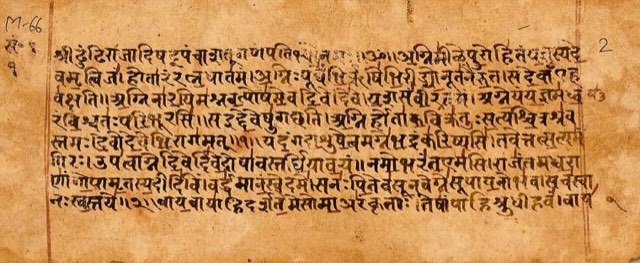
If you read regularly, you probably have a good sense of what kind of literature you like and what you don’t like. However, if you are like most readers, you may not know why you react in the ways you do or how, exactly, writing works to elicit these reactions from you. Many forms of literature, from novels to poems to plays, create a world and draw readers into this world. When we like what we are reading, we can get lost in this world. We may lose track of time, lose track of where we are, and lose control of our emotions. When this happens, our critical faculties are turned off. By contrast, when we analyze literature and try to understand our reactions to it, we must turn our critical faculties on. In order to do this, we have to take a step back from the story we are reading to look at how it is constructed and for what purpose. In the following unit, you will learn about several styles of literary criticism that are all designed to give readers a critical perspective on what they read. Each critical style is designed to help readers adopt a new critical perspective, so that they can gain a deeper understanding of how the piece is created, what it means, and why readers react to it in the ways they do.

Introduction to Literary Theory
- Literary TheoryUniversity of Tennessee at Martin’s Internet Encyclopedia of Philosophy · Vince Brewton · read
- Introduction to Theory of LiteratureOpen Yale Courses · Paul H. Fry · watch · 30 min
Text-Oriented Approaches: Formalism and New Criticism
- Definition of the New CriticismBedford/St. Martin · read · archived copy
- The Idea of the Autonomous ArtworkThe Open Academy · Yale University · Paul H. Fry · watch · 30 min
Text-Oriented Approaches: Deconstruction
- Definition of DeconstructionBedford/St. Martin · read · archived copy
Author-Oriented Approaches: Psychoanalytic
- Definition of Psychoanalytic Criticism and San Diego State University: Professor Laurel Amtower’s version of Sigmund Freud’s Essay on The UncannyBedford/St. Martin · read · archived copy
Reader-Oriented Approaches: Reader Response
- Definition of Reader-Response Criticism and University of California at Irvine’s Anthropoetics: Wolfgang Iser’s The Significance of FictionalizingBedford/St. Martin · read · archived copy
Context-Oriented Approaches: Feminism, Gender Studies, and Queer Theory
- Queer Theory and Gender PerformativityOpen Yale Courses · Paul H. Fry · watch
- Definition of Feminist CriticismBedford/St. Martin · read · archived copy
Context-Oriented Approaches: Marxism and Critical Theory
- The Frankfurt School and Critical TheoryOpen Yale Courses · Paul H. Fry’s Lecture on · watch
- Definition of Marxist CriticismBedford/St. Martin · read · archived copy
Context-Oriented Approaches: New Historicist
- Definition of the New HistoricismBedford/St. Martin · read · archived copy
- The New HistoricismOpen Yale Courses · Paul Fry · watch · 1 h
Context-Oriented Approaches: Postcolonial Theory
- Definition of Postcolonial CriticismBedford/St. Martin · read · archived copy
Try Your Own Literary Analysis
- Cask of AmontilladoEdgar Allan Poe · read · archived copyEdgar Allan Poe on Kulturbase
Chapter II
Poetics
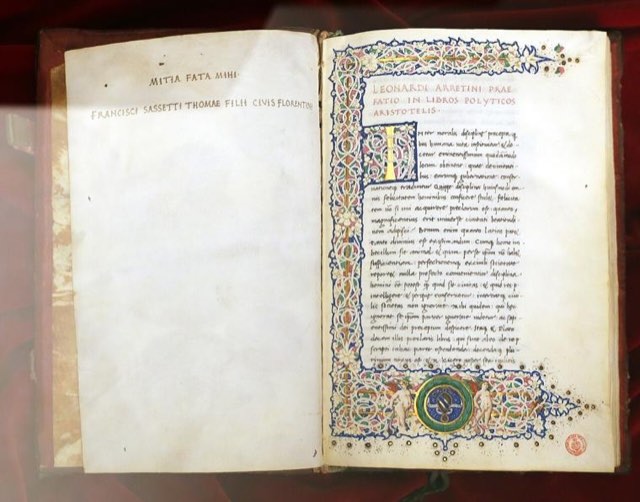
After the discovery of “The Epic of Gilgamesh,” we learned that poetry has been around since the third millennium, BCE (and likely well before that), and that it has survived, in one form or another, in every society since. But what is poetry? What distinguishes it from other forms of literary expression? In this unit, we will seek to clarify these questions by acquainting ourselves with the principle modes, styles, and elements of poetry in English. Along the way, we will read and explicate a number of the most widely anthologized poems in the English tradition, including poems by authors as varied as William Shakespeare and W. H. Auden.

Introduction to the Genre
- What is Poetry?The Open University · read · no longer online
Poetic Imagination
- Impersonation and ImaginationThe Open University · read · archived copy
Poetry and Society
- Sections I, II, III, and IV, and Bartleby’s version of Percy Bysshe Shelley’s A Defence of PoetryProject Gutenberg’s version of Aristotle’s Poetics · read
Poetic Techniques
- Lines and Line-Breaks, Free Verse, and Stanzas and VerseThe Open University · read · archived copy
Poetic Rhythm and Meter
- Stress and Rhythm and MetreThe Open University · read · archived copy
Scansion
- ScansionErik Simpson · read
- Poetry Metrics 1EnglishGuyinTexas’ · watch
Rhyme
- Definition of Rhyme and The Open University’s RhymePoetry Foundation · read
Sound Patterns
- Assonance, Alliteration, and Consonance; Poetry Foundation: Ruth Moose’s Laundry, William Blake’s Ah! Sun-Flower, and Robert Pinsky’s Doctor FrolicThe Saylor Foundation · read
Figurative Language: Metaphors, Similes, and Apostrophes
- Metaphor, Rutgers University: Dr. Jack Lynch’s Definitions of Simile and ApostrophePoetry Foundation’s Definition of · read
The Basic Units: Lines, Couplets, and Stanzas
- Lines, University of Northern Iowa: Dr. Vince Gotera’s Definition of Couplet, and Brooklyn College: Dr. Lilia Melani’s StanzaUniversity of Pennsylvania · Dr. Al Filreis’ Explication of Poetic · read
Stanzaic versus Continuous Forms
- O Captain, My Captain and Song of Myself: Stanzas 1–10Bartleby’s versions of Walt Whitman · read
Fixed Form I: The Sonnets
- Sonnet, William Shakespeare’s Sonnet 18, and Elizabeth Barrett Browning’s How Do I Love Thee?University of Pennsylvania · Dr. Al Filreis’ · readWilliam Shakespeare on Kulturbase
Fixed Form II: Haikus, Villanelles, and the Sestina
- Poetic Form: Haiku, Arizona State University: Dr. Alberto Ríos’ Villanelle and Sestina, Bartleby’s version of Ezra Pound’s In a Station of the Metro, Poets.org’s version of Elizabeth Bishop’s One Art, and Poet.org’s version of Ezra Pound’s Sestina: AltafortePoets.org · read · archived copy
The Ballad and Oral Traditions
- Ballad and Bartleby’s version of John Keats’ La Belle Dame Sans MerceUniversity of Pennsylvania · Dr. Al Filreis’ · read
The Ode: Types, Tones, and Other Traditions
- The Meditative Romantic Ode and Bartleby’s version of William Wordsworth’s Ode: Intimations of ImmortalityBrooklyn College · Dr. Lilia Melani · read
The Elegy
- Elegy and Thomas Gray’s Elegy Written in a Country ChurchyardPoets.org · read · archived copy
Lyric Poetry
- Preface to Lyrical Ballads and Luminarium’s version of John Donne’s The FleaBartleby’s version of William Wordsworth · read
Narrative Poetry
- The Rime of the Ancient Mariner and Dartmouth Reading Room’s version of John Milton’s Paradise Lost: Book 9Bartleby’s version of Samuel Taylor Coleridge · read · archived copy
Dramatic Poetry
- William Shakespeare’s A Midsummer Night’s Dream: Act 1, Scene 1Massachusetts Institute of Technology · readWilliam Shakespeare on Kulturbase
- My Last DuchessPoetry Foundation’s version of Robert Browning · read
Exercise: Explicate a Poem
- Poetry Explications and The Poetry Foundation’s version of William Shakespeare’s Blow, Blow, Thou Winter WindUniversity of North Carolina Writing Center · read · archived copyWilliam Shakespeare on Kulturbase
Chapter III
Narrativity and the Novel
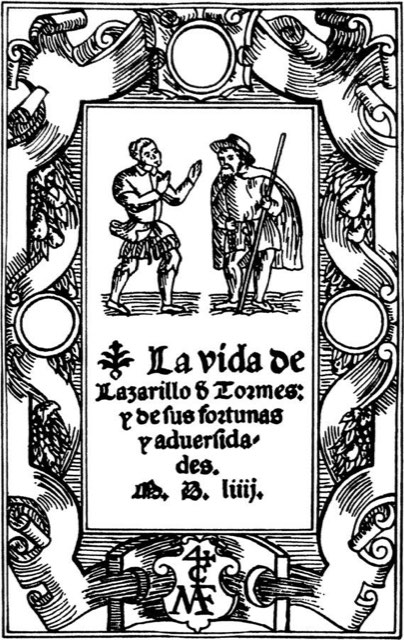
In the preface to his novel, The Ambassadors, Henry James once described novels as “the most independent, the most elastic, the most prodigious of literary forms.” With this high praise in mind, we will begin to examine this most popular of literary forms, from the reasons for its emergence in the first half of the eighteenth century to the mechanics of its construction. We will also acquaint ourselves with a variety of novelistic conventions and subgenres, recognizing – to quote James – the novel’s elasticity and range as a form. By the end of this unit, we will have developed an appreciation for the novel’s distinctive features – that is, what makes a novel a novel – and will be capable of both comprehending and discussing a novel at a high level, with the help of critical terms and theories.
In the Great Books lists Robinson Crusoe · Pride and Prejudice · Emma

What Is a Novel?
- An Introduction to the NovelUniversity of North Carolina, Pembroke · Dr. Mark Canada · read · archived copy
History of the Novel
- The History of the NovelNorth Virginia Community College · Dr. Agatha Taormina · read · archived copy
The Spanish Picaresque, the French Romance, and Other Forerunners to the Novel
- The NovelBrooklyn College · Dr. Lilia Melani · read
“Popular” Fiction: The Middle Class and the Novel
- Robinson Crusoe as Economic ManBrooklyn College · Dr. Lilia Melani · read
Verisimilitude: Reality and Representation in the Novel
- A Day in Eighteenth-Century LondonExcerpts from Samuel Richardson’s Pamela, or Virtue Rewarded and The Norton Anthology of English Literature · read
The Form of the Novel and Early Novelistic Conventions in Daniel Defoe’s Robinson Crusoe
- Daniel Defoe’s Robinson CrusoeProject Gutenberg · read
Characterization and Conflict
- Outline on Literary Elements: CharacterUniversity of Southern Florida · Dr. Marilyn H. Stauffer · read · archived copy
Narrative Technique – Perspective and Style
- Viewpoint and the Victorian Web: Dr. George P. Landow’s How to Read a NovelOxford Tutorials’ · read
Imagery, Symbolism, and Motif: Means of Establishing Theme
- Imagery, Motif, and SymbolismOxford Tutorials’ · read
The Bildungsroman: Goethian Roots
- Explication of the Bildungsroman and Latrobe University: The Looking Glass: New Perspectives on Children’s Literature: LaurenBeth Signore’s Anne of Green Gables: The Transformation from Bildungsroman to Romantic ComedyThe Victorian Web · Dr. Suzanne Hader · read
The Gothic: Tropes and Modes
- The Gothic NovelUniversity of California at Davis · David de Vore · read · archived copy
The Gothic: A Close Reading
- Introduction to The Castle of OtrantoHorace Walpole’s Castle of Otranto and The Norton Anthology of English Literature · read
The Epistolary Novel and Framed Narratives
- Epistolary Novel and Purdue University: Dr. Dino Felluga’s Frame NarrativeEncyclopedia Britannica’s · read · archived copy
The Novel of Manners and Victorian Culture
- The Novel of Manners and The Victorian Web: Dr. Richard Kelly’s The Novelist’s EyeEncyclopedia Britannica’s Definition of · read · archived copy
Historical Novels and National Identity
- The Historical Novel and the Historical NarrativeColumbia University · Dr. Frances Pritchett’s version of Shamsur Rahman Faruqi · read · archived copy
Convention and Parody in Jane Austen’s Northanger Abbey
- Jane Austen’s Northanger AbbeyProject Gutenberg · read · 8 hJane Austen on Kulturbase
Chapter IV
Drama
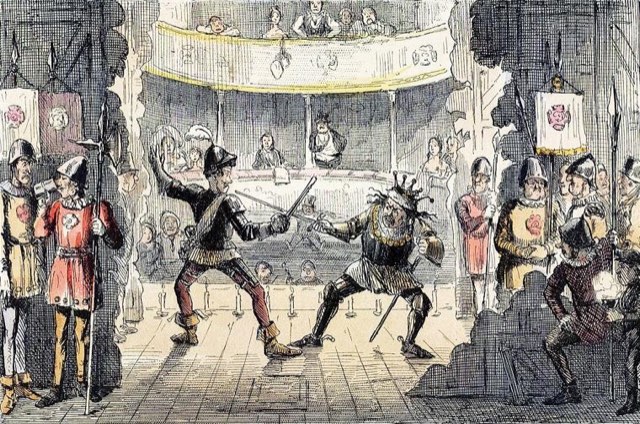
While elements of both poetry and narrative are present in drama, we will now encounter and account for a new dimension in cultural and literary studies: performance. Over the course of this unit, we will sample plays that exemplify different types of dramatic structure, acquainting ourselves with the basic elements of drama and the many purposes it can serve.
In the Great Books lists Hamlet

Classical Roots: Greek Tragedy
- Ancient Greek TheaterReed College · Walter Englert · read · archived copy
Term Toolkit: Chorus, In Media Res, and Other Essentials to the Study of Drama and Theater
- Glossary of Drama Terms and Encyclopedia Britannica’s In Medias ResRobert DiYanni’s Literature · read
The Unities of the Play
- Sophocles’ Oedipus the KingProject Gutenberg · read
Tragedy and Ancient Greek Society
- Tragedy: The Basics: An Introduction to Greek Tragedy and Greek SocietyGrant Valley State University · Dr. Mike Webster · read
Religious Ritual and the Mystery Plays in Medieval England
- Medieval Mystery PlaysUniversity of Arizona · Dr. John C. Ulreich · read · archived copy
Elizabethan Theatre and Class Relations
Overview of Trends in Twentieth-Century Theater
- Modern Theater Is Epic TheaterExcerpts from Bertolt Brecht · read · archived copyBertolt Brecht on Kulturbase
Post-Modern Drama
- Samuel Beckett’s Waiting for GodotSamuel-Beckett.net · readSamuel Beckett on Kulturbase
Theater Culture Today
- Introduction to Postmodern Western TheaterThe Saylor Foundation · read
Chapter V
Rhetoric and the Critical Essay
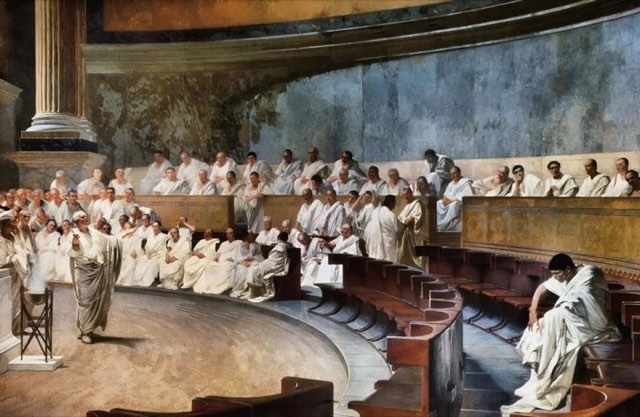
As you have discovered by now, literary criticism requires you to carefully read and analyze literary texts. It also requires you to develop a convincing argument that encourages readers to view a piece of writing in a new way. The best literary criticism can become a form of literature in its own right.

Questions of Audience and Presupposition
- Some Definitions of RhetoricStanford University · Dr. Andrea Lunsford · read · archived copy
Rhetorical Strategies: Ethos, Pathos, Logos, and More
- Ethos, Logos, Pathos: Three Ways to PersuadeCalifornia State University, Los Angeles · Dr. Jim Garrett’s version of Dr. John R. Edlund · read · archived copy
How Texts Interact: Engaging with Discourse
- IntroductionUniversity of Illinois at Chicago · Gerald Graff’s They Say, I Say · read · archived copy
Samuel Taylor Coleridge’s “Lectures and Notes on Shakespeare”
- Lectures and Notes on ShakespeareSamuel Taylor Coleridge · read · archived copy
Dr. R. Allen Shoaf’s “Hamlet: Like Mother, Like Son”
- Hamlet: Like Mother, Like SonUniversity of Florida · Dr. R. Allen Shoaf · read
Shakespeare and Public Discourse
- Shakespeare and the Public Discourse of Sovereignty: ‘Reason of State’ in HamletDr. Anthony DiMatteo · read
About this course
This course is Saylor Academy's ENGL101, Introduction to Literary Studies, one of the complete university courses the Saylor Foundation made free from 2008 and retired in 2015. Saylor licensed its course text under CC BY 3.0; the original is on GitHub. Here it is laid out as chapters, links that have died go to an archived copy from the Internet Archive where one exists, assessments that needed a Saylor login are left out, and people and works are linked to Kulturbase. The readings and lectures belong to their publishers and are linked, not copied. Pictures: Wikimedia Commons, credited under each picture.
All Saylor courses · Free culture courses · The Chautauqua Reading Course