Literature · Saylor ENGL202
Cultural and Literary Expression in the English Renaissance
At the outset of the 16th century, Europeans tended to dismiss English literature as inferior to continental literary traditions; the educated Englishman was obliged to travel to the continent and speak in other languages in order to “culture” himself. By the end of the Renaissance, however, some of the greatest works in the English language—from Shakespeare’s dramas to Thomas More’s Utopia—had been written.
More about this course
In this course, we will read and examine these works, situating them within their socio-historical and literary contexts, while attempting to determine how the art of English language and letters came into its own during this dynamic period. We will begin with an overview of European history during the centuries leading up to the Renaissance in order to acquaint ourselves with the profound cultural and social changes brought about by the Italian Renaissance, the Protestant Reformation, nationalism/colonialism, and the growing power of the middle class. We will then embark upon a genre study, exploring various Renaissance-era achievements in poetry, drama, and polemical writing.
In order to take this course you must:
√ Have access to a computer.
Chapter I
Cultural and Historical Contexts
Let’s begin this course by taking stock of the various cultural and historical developments that would shape and give rise to the literature of the English Renaissance. The period saw a number of dramatic changes in politics (a number of chaotic transformations in monarchic governance took place), religion (the Protestant Church split with the Catholic faith), world power (England expanded its power in the New World), and culture (the Italian Renaissance arrived!). We will learn about each of these developments in detail, relating them to one another and imagining the influence that these changes would have on conceptualizations of the self and the world.
In the Great Books lists Ninety-five Theses
Defining the Renaissance
- Looking at the Renaissance – Defining the RenaissanceThe Open University · read · archived copy
- General Characteristics of the RenaissanceCUNY-Brooklyn · Professor Lilia Melani · read · archived copy
A Return to Classical Traditions
- Classical Influences On the RenaissancePalo Alto College-Palo Alto · Professor Michael S. Seiferth · read · archived copy
- Rome Reborn: The Vatican Library & Renaissance Culture exhibition: HumanismThe Library of Congress’ · read
Italian Influences
- Petrarch and His Influence on English Literaturefrom Peter Borghesi · read
Humanism and Utopianism
- Humanism: An IntroductionNicolaa de Bracton · read · archived copy
- The Medieval Synthesis and the Discovery of Man: The Renaissance followed by Renaissance Humanism by the same authorAmerican Public University · Steven Kreis’ · read · archived copy
- From the Organic Society to Utopian Civic Virtue: Reforming the Poor and Re-Forming the Social Order in England, 1500-1550Illinois State University-Normal · read · archived copy
A Spirit of Inquiry
- The Renaissance and the Age of Discovery Lecture from The Western Tradition series produced by Annenberg MediaU.C.L.A.-Los Angeles · Professor Eugen Weber · watch · archived copy
The Advent of the Printing Press and Literacy
- The World of the Renaissance Print ShopMerry Wiesner-Hanks’ · read · archived copy
- The Machine That Made Us hosted by Stephen FryDailymotion · watch
The Prestige of Latin Versus Pride in the Vernacular
- Growing importance of the vernacular.The Cambridge History of English and American Literature, Volume III. Renascence [sic] and Reformation. Chapter XX. The Language from Chaucer to Shakespeare. Section 3. · read · archived copy
John Wycliffe and Other Early Challenges to the Church’s Power
- John WycliffeThomas E. Martin, Jr. · read · archived copy
- The History of LollardyJeff Hobbs’ · read · archived copy
Martin Luther and the 95 Theses
- Martin LutherGreatsite.com · read
- Martin Luther: The Reluctant RevolutionaryVideo · PBS Video · watch
Henry VIII Becomes Head of the Church in England
- Henry VIIIroyal.gov.uk · read · archived copy
- Henry VII: A Machiavellian Musical MonarchTheodore Harvey · read
Cultural and Social Impact of the Protestant Reformation
- Dissent, Doubt and Spiritual Violence on the Reformation: OverviewThe Norton Anthology of English Literature · read · archived copy
Genealogy of the Monarchy
- Kings and Queens of England from 1485 to the PresentChart · University of Tennessee-Martin · Professor Glenn Everett · watch
From Henry VIII to Elizabeth I: Major Differences and Developments
- Lecture 7 - Late Medieval Religion and Its Critics and Lecture 8 - Reformation and Division, 1530-1558Yale University · Professor Keith Wrightson’s HIST 251 · Early Modern England · Politics, Religion, and Society Under the Tudors and Stuarts · watch
Queen Elizabeth—Life and Legacy
- Queen Elizabeth I (1558-1603)Britroyals’ · read
- Queen Elizabeth I of EnglandKing’s College-Wilkes-Barre · Professor Karen Woods’ · read
- An Audience with Queen Elizabeth I, 1597Andre Hurault-Sieur de Maisse · read · archived copy
Colonial Endeavors
- The Elizabethan Adventurers from Harvard Classics Vol. 51: Lectures on the Harvard ClassicsHarvard University-Cambridge · W.A. Neilson · read · archived copy
The Rise of Nationalism
- Loyalty as an Elizabethan Practice: Establishing the Queen’s PowerPete Grubbs’ · read
Court Culture
- Elizabethan Court Lifecrossref-it.info · read
The Growth of the City and City Life
- The City of London excerpted from Anthony Burgess’ ShakespeareElizabethan.org’s version of · read
- Elizabethan London: A Study in Historical GeographyUniversity of Oklahoma-Norman · Professor Stephen M. Sutherland · read · archived copy
Chapter II
Prose and Polemical Writing
In this unit, we will acquaint ourselves with some of the most noteworthy prose and polemical works of Renaissance-era England, discussing their various rhetorical strategies and practices while relating them to their historical contexts. We will approach these works by author rather than by subject in order to provide us with a fuller portrait of the works in their respective contexts.
In the Great Books lists Utopia · The Discovery of Guiana
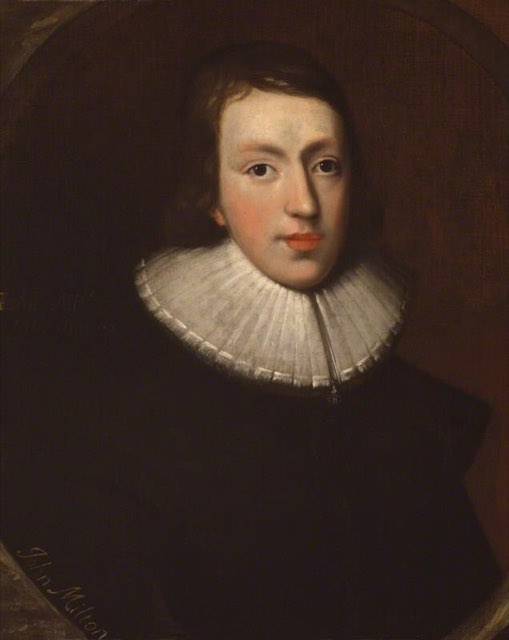

Brief Overview of Thomas More and His Philosophies
- Sir Thomas More, 1478-1535 excerpted from T.E. Bridgett’s Life and Writings of Blessed Thomas More (1913)The History Guide · read · archived copy
Utopianism and Humanism—Contemporary Examples
- Sir Thomas More, Christian Humanism and UtopiaJulia R. Nelson · read · archived copy
- Utopian Thought and Imagination: An Introduction Alternate Reading: http://ratiojuris.blogspot.com/2009/11/utopian-thought-imagination.html(HTML)Alternate Reading · read
More’s Utopia
Rhetorical Techniques in Utopia
- Sir Thomas More, Christian Humanism and UtopiaJulia R. Nelson · read · archived copy
Who Was John Lyly?
- The Life of John LylyAnniina Jokinen · read
- Theatre Database Possible Additional Source: http://www.theatredatabase.com/16th_century/john_lyly.html(HTML)Possible Additional Source · watch · archived copy
Euphuism as a Literary Style: Mannered, Stylized Prose
- Elizabethan Prose Fiction: Euphuismfor 2.2.2-2.2.3 · Professor J.W.H. Atkins’ · read · archived copy
Lyly’s Euphues Works: Style and Relationship to Tradition
Lyly’s Legacy: Influence on Shakespeare, Sidney, and More
- Elizabethan Prose Fiction: Lyly’s influenceProfessor J.W.H. Atkins’ · read · archived copy
The Life of John Foxe
- John Foxe: a biographyfor 2.3.1-2.3.2 · Dr. Thomas S. Freeman · read · archived copy
Foxe’s Book of Martyrs: Style, Technique, and Purpose
- Literary Aspects of Foxe’s Acts and MonumentsDr. John N. King · read · archived copy
The Book of Martyrs’ Reception: Widespread Popularity and Catholic Critiques
- The Early ReceptionProfessor David Loades’ · read · archived copy
Foxe’s Influence on the Formation of Protestant Identity
- Foxe in theological contextProfessor David Loades’ · read · archived copy
Brief Biography of Sir Walter Raleigh
- Sir Walter Raleigh (c.1552-1618)The BBC · read
Encounter with the New World: Conceptualizations and History
- The Renaissance and the New World Lecture from The Western Tradition series produced by Annenberg MediaU.C.L.A.-Los Angeles · Professor Eugen Weber · watch · archived copy
Tradition of Travel Writing
- Falsehood, Fantasy and Forger : 16th century English discovery literature on the New WorldEllen Hampton · read · no longer online
Sir Walter Raleigh’s Travel Writing
The Concept of Self-Fashioning in Elizabethan England
- Greenblatt, Renaissance Self-Fashioning from More to ShakespeareSapience · read · no longer online
Chapter III
Poetry
We will now turn to poetic traditions in Renaissance England, examining various forms and modes that were particularly popular during the period, from the sonnet to the epic poem. We will read a number of representative poems, conducting close readings in order to better understand the conventions and styles then in favor and relating these works to the Renaissance period more generally.
In the Great Books lists Paradise Lost · The Faerie Queene · The Defence of Poesy · Songs and Sonnets · Miscellaneous Poems
The Rise of the Sonnet
- Sonnets in English LiteratureGubernatix · read · archived copy
- I go thinking ) translated by A.S. KlineFrancesco Petrarch’s poem 264 from The Canzoniere ( · read
- Whoso list to huntSir Thomas Wyatt · read
Form and Innovation: Petrarchan, Spenserian, and Shakespearean Sonnets
- Basic Sonnet FormsNelson Miller · read
Sir Philip Sidney: The Courtier and His Sonnets
- Background to Sir Philip Sidney and the Sonnet TraditionProfessor Peter Sinclair · read · archived copy
The Sonnet Sequence
- Astrophil and StellaSir Philip Sidney · read
Tradition of Epic Poetry
- Lecture XLII: Epic Poetry and Lecture XLIII: Homer’s Iliad and Odyssey; Virgil’s AeneidProfessor Hugh Blair · read
Italian Influence: Ludovico Ariosto’s Orlando Furioso
- Orlando FuriosoExcerpt from Ludovico Ariosto · read
Edmund Spenser’s The Faerie Queene: Allegory, Style, and Form
- Orlando FuriosoThe Cambridge History of English and American Literature, Volume III. Renascence [sic] and Reformation. Chapter XI. The Poetry of Spenser. Section 11. · read · archived copy
- The Faerie QueeneThe Cambridge History of English and American Literature, Volume III. Renascence [sic] and Reformation. Chapter XI. The Poetry of Spenser. Section 9. · read · archived copy
- Edmund Spenser’s Faerie Queen – Book II, Canto Xread
John Milton’s Paradise Lost: Religion, Imagination, and Language
- Paradise Lost in context: An OverviewThe Norton Anthology · read · archived copy
- Paradise Lost – Book IJohn Milton · read · archived copy
Marlowe’s Hero and Leander: Greek Mythology in Epyllion Form
- Hero and LeanderThe Poetry Foundation’s version of Christopher Marlowe · read
- EpyllionLuminarium · read
Wit, Stylistic Maneuvers, and Other Characteristics of Metaphysical Poetry
- Definition of Metaphysical PoetryWikispaces · ovms-jasb · read · archived copy
Typical Themes and Concerns
- Introduction to Metaphysical Lyrics & Poems of the Seventeenth Century: Donne to ButlerSir Herbert J.C. Grierson · read · archived copy
Principle Metaphysical Poets: John Donne, Andrew Marvell, and Henry Vaughan
- The Flea, Andrew Marvell’s To His Coy Mistress and Henry Vaughan’s To Amoret gone from himJohn Donne · read
The Tradition of Lyrical Poetry
- Greek Lyric PoetryProfessor Mark Damen · read
Concepts of Love and Emotion in the Renaissance
- Ancient, Medieval and Renaissance Theories of the EmotionsDr. Amy Schmitter · read
The Pastoral Elegy
- John Milton’s Lycidasread · archived copy
Chapter IV
Elizabethan Drama
Something electric happened to drama in Elizabethan England; the plays from this era remain one of the richest, most widely-adored, and most frequently-referenced bodies of literature in literary history. In this unit, we will examine the traditions from which Elizabethan dramatists drew and the conventions, styles, and themes they developed in their own right. We will finish by spending a significant amount of time acquainting ourselves with two of the era’s major dramatists: Christopher Marlowe and the Bard himself, William Shakespeare.
In the Great Books lists Romeo and Juliet · Edward II · The Tragical History of Doctor Faustus
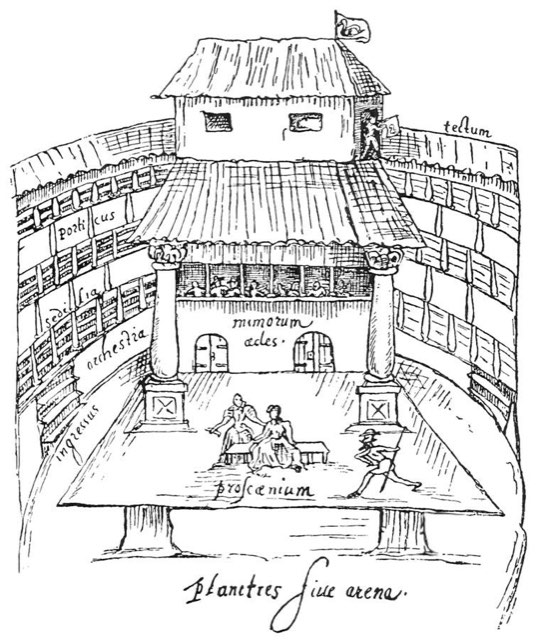

Classical Roots: Greek and Latin Tragedies
- History of TheaterUniversity of South Florida-Tampa · Dr. Patrick M. Finelli · read · archived copy
- Greek TragedyDr. Charles Burton Gulick · read · archived copy
Medieval Traditions: Mystery/Morality Plays and Their Performances
- Moralities, Interludes and Farces of the Middle AgesMartha Fletcher Bellinger · read · archived copy
A Shift to the Secular: the Emergence of Non-Religious Plays
- Elizabethan DramaHarvard University-Cambridge · W.A. Neilson · read · archived copy
Comedy Hits the Stage
- Shakespeare’s Plays: Comedy Dr. Debora B. Shwartz’s Shakespeare’s Plays: ComedyDr. Debora B. Shwartz · read · archived copy
Theater in Elizabethan England
- Shakespeare’s Elizabethan AudienceSamuel Bowles’ · read · archived copy
Theater Companies
- A Lecture on Elizabethan TheaterThomas Larque · read · archived copy
Playhouses
- Renaissance English Drama: Elizabethan PlayhousesArkansas State University-Jonesboro · Dr. Wayne Narey · read
Staging Conventions
- Renaissance English Drama: Elizabethan Staging ConventionsArkansas State University-Jonesboro · Dr. Wayne Narey · read
What Is a Masque?
- History of the Masque GenreHelen Hull, Meg Pearson and Erin Sadlack · read
Ben Johnson and the Art of the Masque
- Johnson’s MasquesThe Cambridge History of English and American Literature in 18 Volumes – Volume VI. The Drama to 1642, Part Two, Section XIII – · read · archived copy
- The Masque of BlacknessBen Johnson · read
Brief Biographic Snapshot
- A Brief Life of Christopher MarloweKevin N. Nensteil · read · archived copy
The Dramatic Blank Verse Tradition
- Creation of Blank Verse as a dramatic instrument.The Cambridge History of English and American Literature in 18 Volumes – Volume V. The Drama to 1642, Part One. Chapter VII. Marlowe and Kyd. Section 15 · read · archived copy
The Birth of English Tragedy in Marlowe’s Works
- The Life and Works of Christopher MarloweWiliam Lyon Phelps’ · read · archived copy
Overview of His Works
Shakespeare the Man: Who Was William Shakespeare?
- AbsoluteShakespeare.com’s “Shakespeare BiographyreadWilliam Shakespeare on Kulturbase
- Shakespeare’s StoryNew Folger Library · read · archived copyWilliam Shakespeare on Kulturbase
Shakespeare the Bard: Overview of His Dramatic Achievements
- All the World’s His StageFarleigh Dickinson University’s FDU Magazine · read
Shakespearean Style, Language, and Technique
- The Review of Arts, Literature, Philosophy and the Humanities’ review of Shakespeare’s Language by Frank Kermoderead · archived copy
- Gwynneth Bowen’s Shakespeare’s Early Styleread · archived copy
- Shakespeare’s Mature Style: Language as DramaUniversity of Toronto-Toronto · Professor David Reibetanz’ · read · archived copy
- Soliloquy BasicsJem Bloomfield · read · archived copy
- Shakespeare Good for the BrainCosmos Online · read · archived copy
Close Reading of Shakespeare’s Work
- Romeo and JulietNew Folger Library · read · archived copy
- Romeo and Juliet – an analysis of the play by Shakespeareread · archived copy
- Romeo and JulietWilliam Shakespeare · readWilliam Shakespeare on KulturbaseRomeo og Julie on Kulturbase
- You Kiss By the BookBaz Luhrman · watch
- Romeo and Juliet : The Balcony SceneRicardo Pineda · watch
Influence on the Canon and the English Language Itself
- Shakespeare: Legacy and Modern InterpretationsThe Kennedy Center · watch
- Learn what literary genius William Shakespeare knew about communication and how you can get it inside your head!Wily Walnut · read · archived copyWilliam Shakespeare on Kulturbase
About this course
This course is Saylor Academy's ENGL202, Cultural and Literary Expression in the English Renaissance, one of the complete university courses the Saylor Foundation made free from 2008 and retired in 2015. Saylor licensed its course text under CC BY 3.0; the original is on GitHub. Here it is laid out as chapters, links that have died go to an archived copy from the Internet Archive where one exists, assessments that needed a Saylor login are left out, and people and works are linked to Kulturbase. The readings and lectures belong to their publishers and are linked, not copied. Pictures: Wikimedia Commons, credited under each picture.
All Saylor courses · Free culture courses · The Chautauqua Reading Course