Literature · Saylor ENGL402
The Poetry of John Milton
In this course, we will study the poetry of John Milton, focusing not only on the texts themselves, but also on the various contexts that are relevant to Milton’s oeuvre, from the tumultuous political and religious period in which Milton lived to the literary network with which his texts interact. We will also take a close look at the man behind Paradise Lost, a man who brazenly announced, relatively early in his poetic career, that he would pen a great epic in the classical tradition.
More about this course
Who was John Milton, and how did he manage to accomplish this goal? Though Milton has gone in and out of literary favor since his death in 1674 (Romantic poets greatly valued his formal techniques as well as his figuration of Hell, while Modernists like T.S. Eliot scowled at his bookish, Puritan austerity), there is no question that Milton’s works shaped the face and the future of English poetry, as well as contemporary books, film, and culture. By the end of this course, you will possess a comprehensive understanding of Milton, his times, and his works.
Upon completion of this course, you will be able to
In order to take this course, you must: √ have access to a computer;
Chapter I
The Life and Times of John Milton
John Milton lived in a period of great religious turmoil, intellectual and artistic exploration, and political change. He witnessed a series of intense political and military conflicts pitting the Parliamentarians against the Royalists, the execution of King Charles I, the institution of a Commonwealth under Oliver Cromwell, and the restoration of the monarchy in 1660 - not to mention a number of developments in the relatively young Church of England. It is nearly impossible to read his poetry without attending to this context, as he actively contributed to lively debates on public affairs and frequently (urgently!) commented on these situations in his literary work.
In the Great Books lists Areopagitica · Comus
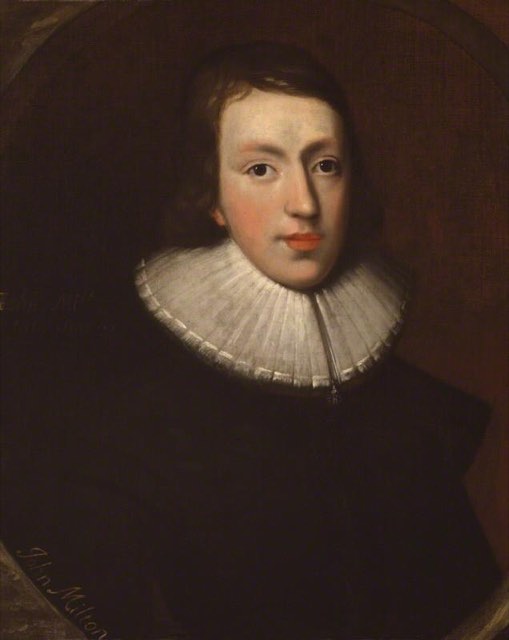

Religion in Peril: Catholicism, Puritanism, and the Protestant Reformation
- Milton’s Religious ContextDarkness Visible · David Parry · read · 15 min · archived copy
Political Changes: Charles I, the Commonwealth, and the Restoration of the Monarchy
- Milton’s Political ContextDarkness Visible · Gabriel Robert · read · 15 min · archived copy
Neo-Classical Intellectual and Artistic Trends
- Neoclassicism: An IntroductionVictorianWeb · read · 15 min
- The Augustan AgeDr. Ruth Nestvold · read · 15 min
The Renaissance’s Legacy
- Neoclassicism: An IntroductionVictorianWeb · read · 5 min
- Introduction to Renaissance/16th Century LiteratureThe Norton Anthology of English Literature · read · 10 min · archived copy
Milton’s Life
- Life of John MiltonLuminarium · read · 10 min
- A Biography of John MiltonDarkness Visible · Katharine Fletcher · read · 10 min · archived copy
Preparing for a Career in Poetry: Rigorous Scholarship in the Humanities and Languages
- Milton’s EducationThe Saylor Foundation · read · 10 min
Contemplating the Priesthood in the Anglican Church
- Milton09MSJ World Civ · read · 5 min · archived copy
Involvement in Political Controversy and Imprisonment
- Of ReformationThe Saylor Foundation · Milton · read · 30 min
Milton’s Revolutionary Arguments for Divorce
- The Doctrine of Discipline and DivorceThe Saylor Foundation · Milton · read · 10 min
Milton’s Blindness
- The Blind ProphetYou Tube · Professor John Rogers’ Lecture #12 · watch · 1 h
- Sonnet XXIIThe Saylor Foundation · Milton · read · 10 min
- Paradise Lost 3.22 - 55The Saylor Foundation · Milton · read · 10 min
- An Approach to Reading and Writing about PoemsCalifornia Polytechnic State University · Dr. Debora Schwartz · read · 5 min · archived copy
- Milton’s BlindnessThe Saylor Foundation · read · 5 min · no longer online
The Concept of a Meaningful Universe
- A Diagram of Milton’s UniverseThe Saylor Foundation · University of California Santa Barbara English Department Knowledge Base Wiki · watch · 5 min
Thoughts on Free Will and Providence
- John Milton’s Christian DoctrineThe Norton Anthology of English Literature · John Carey · read · 10 min · archived copy
Milton’s Politics: Support for the Commonwealth
- Milton’s Ideal RepublicThe Saylor Foundation · read · 10 min · archived copy
- The Ready and Easy Way to Establish a Free CommonwealthThe Saylor Foundation · Milton · read · 30 min
Human Virtue and Milton’s View of the Hereafter: Election and Salvation
- Milton’s Own BeliefsDarkness Visible · David Parry · read · 5 min · archived copy
- Milton’s TheologyUC Santa Barbara English Department Knowledge Base Wiki · read · 5 min · no longer online
Milton’s Puritanism Versus His Heterodoxy
- Milton’s PuritanismDarkness Visible · David Parry · read · 5 min · archived copy
Milton’s View of His Role as a Poet
- Milton and the Role of the PoetThe Saylor Foundation · read · 5 min
Crossing Genres
- Vol. VII: Cavalier and Puritan - Milton’s Literary FormThe Saylor Foundation · The Cambridge History of English and American Literature · read · 5 min · no longer online
Milton the Lyrical Poet: Forms and Legacies
- Milton the Lyrical PoetThe Saylor Foundation · read · 5 min
Milton as Dramatist: The Masque
- Poetry and VirginityYouTube · Professor John Rogers’ Lecture #4 · watch · 1 h
- ComusThe Saylor Foundation · Milton · read · 1 h
- XV: The English MasqueThe Saylor Foundation · Felix Schelling’s Elizabethan Drama, 1558 - 1642 · read · 45 min
Milton, Epic Poet: Paradise Lost and Paradise Regained
- Milton, Epic PoetThe Saylor Foundation · read · 5 min
Milton and Rhetoric: Polemical Prose
- AreopagiticaYouTube · Professor John Rogers’ Lecture #8 · watch · 1 h
- Milton and RhetoricThe Saylor Foundation · read · 5 min
- AreopagiticaThe Saylor Foundation · Milton · read · 1 h
Chapter II
Milton’s Short Poetry
Though best known for his epic poetry, Milton was a talented lyric poet in his own right. He consciously opted to begin his career as a lyrical poet and to reach toward the more grandiose epic genre later in life, modeling himself after the classical poet Virgil.
In the Great Books lists Lycidas · On the Morning of Christ's Nativity · L'Allegro · Il Penseroso
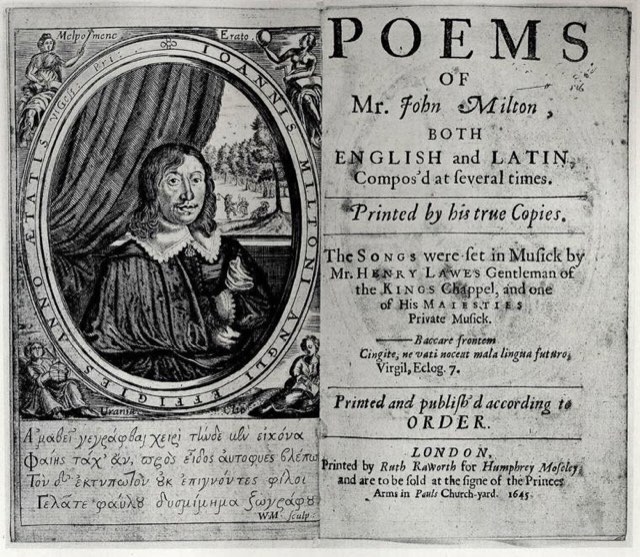

Exposure to Poetry as a Student
- Milton’s Exposure to Poetry as a StudentThe Saylor Foundation · read · 5 min
Milton’s Rejection of Cavalier Poetry
- Milton’s Rejection of Cavalier PoetryThe Saylor Foundation · read · 5 min
- To Amarantha, that she would dishevel her haireThe Saylor Foundation · Richard Lovelace · read · 5 min
Debate between Two Psychological States
- L’Allegro and Il PenserosoTwickenham Press · Professor Nancy Bogen’s notes on * · read · 5 min
- L’Allegro and Il PenserosoTwickenham Press · Professor Nancy Bogen’s Lecture on * · watch · 5 min
- L’AllegroThe Saylor Foundation · Milton · read · 15 min
- Il PenserosoThe Saylor Foundation · Milton · read · 15 min
The Early Elegy/Eulogy
- Poetic Form: ElegyPoets.org · read · 45 min · archived copy
- An Epitaph on the Admirable Dramatic Poet, W. ShakespeareThe Saylor Foundation · Milton · read · 5 min
Early Explorations of the Role of the Poet and the Nature of Work
- Ad Patrem (To His Father )The Saylor Foundation · Milton · read · 15 min
- Credible EmploymentYouTube · Professor John Rogers’ Lecture #3 · watch · 1 h
Milton’s Pastoral Elegy: “Lycidas”
- Pastoral ElegyThe Saylor Foundation · read · 5 min
- ‘Lycidas’ LectureTwickenham Press · Professor Nancy Bogen · watch · 10 min
- LycidasThe Saylor Foundation · Milton · read · 45 min
The Tradition of the Pastoral Elegy
- The Tradition of the Pastoral ElegyThe Saylor Foundation · read · 5 min
Milton’s Variation on the Elegy
- Milton’s Variation on the ElegyThe Saylor Foundation · read · 5 min
Edward King and the Autobiographical Context for the Poem
- Program Notes for her Lycidas LectureTwickenham Press · Professor Nancy Bogen · read · 5 min
Grief, Art, and Milton’s Reflections on Death
- LycidasWinthrop University · Professor Matthew Fike’s Powerpoint on * · watch · 15 min
Classical Influences
- Eclogue XThe Saylor Foundation · Virgil · read · 10 min
Mixing the High and the Low: Trifling Fictions Meet Sacred Truths
- The Life of MiltonThe Saylor Foundation · Samuel Johnson · read · 1 h
An Overview of “Lycidas”: Its Accomplishments and Legacy
- LycidasYouTube · Professor John Rogers’ Lecture #6 · watch · 1 h
- Lycidas, Cont.YouTube · Professor John Rogers’ Lecture #7 · watch · 1 h
What Is a Sonnet? Matters of Form and Subject
- Poetic Form: The SonnetPoets.org · read · 10 min · archived copy
Revitalizing a Dying Tradition
- Revitalizing a Dying TraditionThe Saylor Foundation · read · 5 min
- Milton’s Youthful Works and Poetic Ambitions: Note #2 on Milton’s SonnetsCalifornia State Polytechnic University · Dr. Debora Schwartz · Milton and Paradise Lost · read · 20 min · archived copy
Sonnets as Autobiography?
- How Soon Hath Time (Sonnet 7)The Saylor Foundation · Milton · read · 10 min
- Captain or Colonel (Sonnet 8)The Saylor Foundation · Milton · read · 10 min
- Avenge O Lord (Sonnet 18)The Saylor Foundation · Milton · read · 10 min
- When I Consider (Sonnet 19)The Saylor Foundation · Milton · read · 10 min
- Methought I Saw (Sonnet 23)The Saylor Foundation · Milton · read · 10 min
What Is an Ode? Convention and Innovation
- Poetic Form: The OdePoets.org · read · 5 min · archived copy
Classical Influences on the Miltonic Ode
- The Fifth Ode of Horace, Lib. 1The Saylor Foundation · Milton · read · 5 min
- Introduction to On the Morning of Christ’s NativityThe Saylor Foundation · Alison Moe and Thomas H. Luxon · read · 10 min
The Funeral Ode
- On the Death of a Fair Infant Dying of CoughThe Saylor Foundation · Milton · read · 15 min
The Nativity Ode
- The Infant Cry of GodYouTube · Professor John Rogers’ Lecrure #2 · watch · 1 h
- On the Morning of Christ’s NativityThe Saylor Foundation · Milton · read · 15 min
Milton’s Vision of the Nativity Versus Traditional Representations
- Luke 2:1 - 2:49 - LukeThe Saylor Foundation · The World English Bible (WEB) · read · 10 min
The Ode’s Adaptation of Virgil’s Messianic Eclogue and Issues of Influence
- Eclogue IVThe Saylor Foundation · Virgil · read · 10 min
Puritan Poetics in the Nativity Ode
- Puritan Poetics in the Nativity OdeThe Saylor Foundation · read · 5 min
- The Sixth ElegyThe Saylor Foundation · Milton · read · 15 min
Milton’s View of Redemption
- Milton’s View of RedemptionThe Saylor Foundation · read · 10 min
Athens and Jerusalem: The Intermingling of Classical/Pagan and Christian Elements
- Athens and Jerusalem: The Intermingling of Classical/Pagan and Christian ElementsThe Saylor Foundation · read · 5 min
Chapter III
Paradise Lost
We will now turn to Milton’s most famous work, his epic poem Paradise Lost. The poem addresses the human condition - man’s Fall from grace and the promise of his restoration. We will first examine the intertextual nature of the work - its relationship to existing traditions and works - before progressing through the length of the epic book-by-book, focusing on particular thematic concerns as they emerge. Finally, we will take a broader view of the work, considering its formal and stylistic achievements on the whole.
In the Great Books lists Paradise Lost
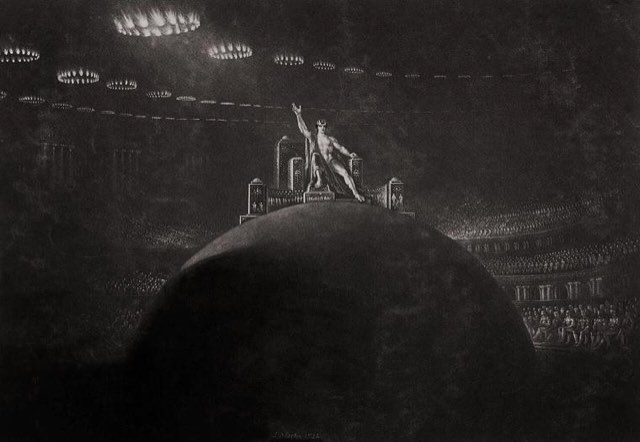

Intertextual Situation
- Paradise Lost in ContextThe Norton Anthology of English Literature · read · 5 min · archived copy
- ‘Paradise Lost: Milton’s Inheritance’— Rewriting Convention through Rethinking GenreDarkness Visible · Ewan Bleiman · read · 10 min · archived copy
The Biblical Version of Creation, Adam and Eve, and the Fall from Grace
- Genesis 1:1 - 3:22The Saylor Foundation · The World English Bible (WEB) · read · 15 min · no longer online
The Homeric Epic and Milton’s Adaptation of Its Conventions
- The Homeric Epic and Milton’s Adaptation of Its ConventionsThe Saylor Foundation · read · 10 min
Milton’s Satan
- Milton’s SatanThe Saylor Foundation · read · 5 min
Borrowing from Edmund Spenser’s Faerie Queene
- Faerie Queene’s Influence on Paradise LostThe Saylor Foundation · read · 5 min
Paradise Lost
- Book SummariesParadiseLost.org · read · 5 min · archived copy
Book I: Invocation and Initial Thoughts on Style
- Paradise Lost, Book IThe Saylor Foundation · Milton · read · 1 h
- Paradise Lost, Book IYouTube · Professor John Rogers’ Lecture #9 · watch · 1 h
- Lecture on Milton’s Paradise LostThe Saylor Foundation · Malaspina University College Professor Ian Johnston · read · 15 min
Books I–II: Representations of Hell and Its Inhabitants
- Paradise Lost, Book IIThe Saylor Foundation · Milton · read · 1 h
- God and MammonYouTube · Professor John Rogers’ Lecture #10 · watch · 1 h
- Lecture on Milton’s Paradise LostThe Saylor Foundation · Malaspina University College Professor Ian Johnston · read · 15 min
Book III: Relationship between Father and Son; Predestination
- Paradise Lost, Book IIIThe Saylor Foundation · Milton · read · 1 h
Books IV - VI: The Representation of Adam and Eve and Gender Relations
- Milton’s Paradise Lost, Book IVThe Saylor Foundation · read · 1 h
- Paradise Lost, Book VThe Saylor Foundation · Milton · read · 1 h
- Paradise Lost, Book VIThe Saylor Foundation · Milton · read · 1 h
- Paradise Lost, Book IVYouTube · Professor John Rogers’ Lecture #14 · watch · 1 h
- Paradise Lost, Book V - VIYouTube · Professor John Rogers’ · watch · 1 h
- Lecture on Milton’s Paradise LostThe Saylor Foundation · Malaspina University College Professor Ian Johnston · read · 15 min
Books VII - VIII: Milton’s Representation of the Creation Story
- Paradise Lost, Book VIIThe Saylor Foundation · Milton · read · 1 h
- Paradise Lost, Book VIIIThe Saylor Foundation · Milton · read · 1 h
- Paradise Lost, Books VII - VIIIYouTube · Professor John Rogers’ Lecture #16 · watch · 1 h
Books IX - X: Human Nature and the Fall of Man
- Paradise Lost, Book IXThe Saylor Foundation · Milton · read · 1 h
- Paradise Lost, Book XThe Saylor Foundation · Milton · read · 1 h
- Paradise Lost, Book IXYouTube · Professor John Rogers’ Lecture #17 · watch · 1 h
- Paradise Lost, Books IX - XYouTube · Professor John Rogers’ · watch · 1 h
Books XI - XII: The Education of Adam and Eve
- Paradise Lost, Book XIThe Saylor Foundation · Milton · read · 1 h
- Paradise Lost, Book XIIThe Saylor Foundation · Milton · read · 1 h
- Paradise Lost, Books XI - XIIYouTube · Professor John Rogers’ · watch · 1 h
- Paradise Lost, Books XI - XII (Cont.)YouTube · Professor John Rogers’ · watch · 1 h
In Media Res Opening, the Invocation of the Muse, and Other Epic Conventions in Paradise Lost
- Poetic Form: The EpicPoets.org · read · 15 min · archived copy
Why an Epic? Issues of Genre, Form, Tone, and Subject
- ‘Answerable Style’: The Genre of Paradise LostThe Saylor Foundation · read · 10 min
- Lecture on Milton’s Paradise LostThe Saylor Foundation · Malaspina University College Professor Ian Johnston · read · 10 min
The Books: Questions of Structure and Organization
- Lecture on Milton’s Paradise LostThe Saylor Foundation · Malaspina University College Professor Ian Johnston · read · 10 min
Style Points
- The Miltonic SimileYouTube · Professor John Rogers’ Lecture #11 · watch · 1 h
- Milton’s Rhetoric and The Cambridge History of English and American Literature, Vol. VII: Cavalier and Puritan, Milton’s Versification and StyleThe Saylor Foundation · Lee Jacobus’ · read · 1 h
- Lecture on Milton’s Paradise LostThe Saylor Foundation · Malaspina University College Professor Ian Johnston · read · 15 min
Chapter IV
Paradise Regained
In this unit, we will explore one of Milton’s very last works, his brief epic Paradise Regained, which tells the story of Jesus’ temptation in the Desert, and the quest for knowledge of self and self-purpose. As with the Paradise Lost unit, we will begin by placing the work in dialogue with other texts and traditions from which Milton drew. We will then trace a number of the work’s major concerns and achievements.
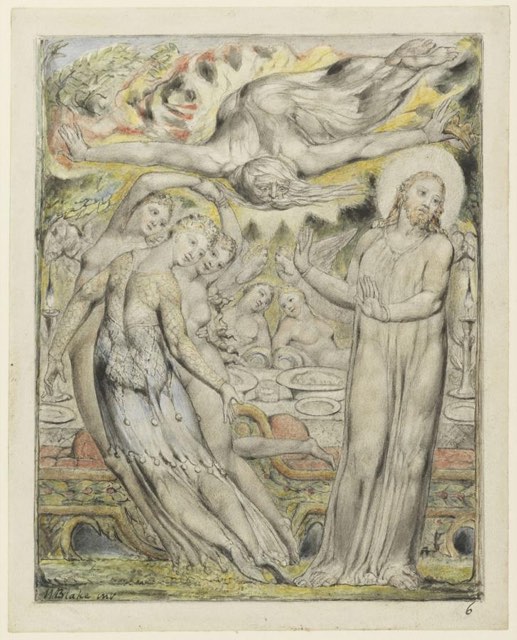

Paradise Regained’s Biographical Relationship to Paradise Lost
- Paradise Regained’s Biographical Relationship to Paradise LostThe Saylor Foundation · read · 15 min
Paradise Regained’s Stylistic Relationship to Paradise Lost
- Paradise Regained’s Stylistic Relationship to Paradise LostThe Saylor Foundation · read · 15 min
The Biblical Version of Jesus’ Temptation
- Matthew 4: 1 - 11; Luke 4: 1 - 13; The Book of JobThe Saylor Foundation · World English Bible · read · 3 h
Thematic Concerns—Representation of Christ as Human
- Christ as HumanThe Saylor Foundation · read · 15 min
Chapter V
Samson Agonistes
In this final unit, we will explore another one of Milton’s very last works, the drama, Samson Agonistes that begins after Samson’s blindness and imprisonment and tells the story of his final hours. Samson Agonistes is sometimes called a companion piece to Paradise Regained, since they have similar themes and they were published at the same time. As with the Paradise Regained *unit, we will begin by placing the work in dialogue with other texts and traditions from which Milton drew. We will then trace a number of the work’s major concerns and achievements.
In the Great Books lists Samson Agonistes
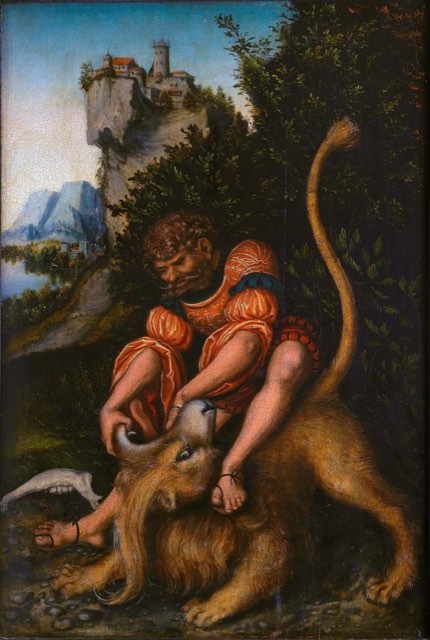

Thematic Relationship of Samson Agonistes to Paradise Regained and to Milton’s Life
- Milton’s SamsonThe Saylor Foundation · read · 15 min
The Biblical Version of Samson’s Life and Death
- The World English Bible (WEB): Judges Chapters 13 - 16Project Gutenberg · read · 45 min · archived copy
- Milton’s Samson AgonistesThe Saylor Foundation · read · 3 h
- Samson AgonistesYouTube · Professor John Rogers’ · watch · 1 h
- Samson Agonistes (cont.)YouTube · Professor John Rogers’ · watch · 1 h
- Dartmouth’s John Milton Reading Room BibliographyDartmouth.edu · read · 30 min · archived copy
- ENGL402 Final ExamThe Saylor Foundation · final exam · no longer online
About this course
This course is Saylor Academy's ENGL402, The Poetry of John Milton, one of the complete university courses the Saylor Foundation made free from 2008 and retired in 2015. Saylor licensed its course text under CC BY 3.0; the original is on GitHub. Here it is laid out as chapters, links that have died go to an archived copy from the Internet Archive where one exists, assessments that needed a Saylor login are left out, and people and works are linked to Kulturbase. The readings and lectures belong to their publishers and are linked, not copied. Pictures: Wikimedia Commons, credited under each picture.
All Saylor courses · Free culture courses · The Chautauqua Reading Course