Literature · Saylor ENGL411
African-American Literature
African American literature grew out of the oral tradition of storytelling and spirituals. In this course, you will consider these verbal modes and their impact on the literary production of African American authors from the Colonial period to the current day.
More about this course
Along with considering the content of literary works, you will examine the cultural, historical, and political contexts of the literature, as well as how the issues of gender, race, and class affect the production and meaning of these works. In this course, you will examine the development of African American literature in seven units: Oral Traditions; The Literature of Slavery; Reconstruction to the New Negro Renaissance Movement; Harlem Renaissance; Realism, Naturalism, and Modernism; Black Arts; and the Contemporary Period. This course begins with a unit that studies African American literature’s inception through oral tradition. This unit will teach you about the beginnings of narrative and will ground your understanding in the development of the literary tradition. We will also identify the principal authors and characteristics of each of these periods and read representative texts.
Upon successful completion of this course, the student will be able to:
In order to take this course, you must:
Chapter I
Oral Traditions
African American culture has always drawn on its historical roots in oral tradition for artistic inspiration. Music, both sacred and secular, has lent its rhythms equally to poetry, sermons, and fiction. Oral folk tales and spirituals have migration themes often referring to Heaven, Africa, and the North. Spirituals often have their themes presented through biblical characters, who persevered and were delivered assurances that they were being watched over by a guardian. One example of the allusion to the Bible is with the story of Exodus. In this unit, we will also examine the influence of spirituals and the blues, address the use of vernacular, and explore signifying and its origin in the folktales and storytelling on the plantation
Origins of African American Language
- Origins of African American LanguageYouTube · Melvyn Bragg · watch · 15 min
Joel Chandler Harris and the Trickster Figure
- The Wonderful Tar-Baby Story (1880)The University of Texas at Austin’s American Literature Archive · Joel Chandler Harris’ · read · archived copy
- Monkeying around: Trickster Figures and American CultureAnnenberg Foundation’s American Passages · A Literary Survey · read · 15 min · archived copy
Paul Laurence Dunbar, Dialect, and Masking
- When Malindy Sings, We Wear the Mask, and A Cabin TaleWright State University Libraries · Paul Laurence Dunbar · read
- Dunbar’s Life and CareerModern American Poetry · Joanne M. Braxton · read · 30 min · archived copy
- On ‘When Malindy Sings’ and Hudson, Revell, Emanuel, and Braxton’s On ‘We Wear the Mask’Modern American Poetry · Revell, Williams, Braxton, and Keeling · read · 30 min · archived copy
The Importance of Negro Spirituals
- Explorations, Spirituals: Negro SpiritualsUniversity of Houston’s Digital History · read · 30 min · archived copy
Perseverance and Deliverance
- Go Down Moses and Songs for Teaching: Swing Low, Sweet ChariotPoemHunter.com · read
The Blues Defined
- The Blues: A HistoryNortheastern State University · Benjamin R. Kracht · read · archived copy
Signifying Defined
- The Signifying Monkey Will Get All Over YouUniversity of Arkansas at Little Rock · Professor J. Briton · read · 30 min · archived copy
African Folktales
- The Trickster in African American LiteratureNational Humanities Center · Trudier Harris · read · 1 h
- Summary of Henry Louis Gates’ The Signifying MonkeyOxford University Press · read · 15 min
- Some Notes & Quotes from Henry Louis Gates, Jr.’s The Signifying MonkeyGeorge Mason University · Susan Tichy · read
- The African American Toast TraditionLouisiana Division of the Arts · Mona Lisa Saloy · read
Chapter II
Literature of Slavery
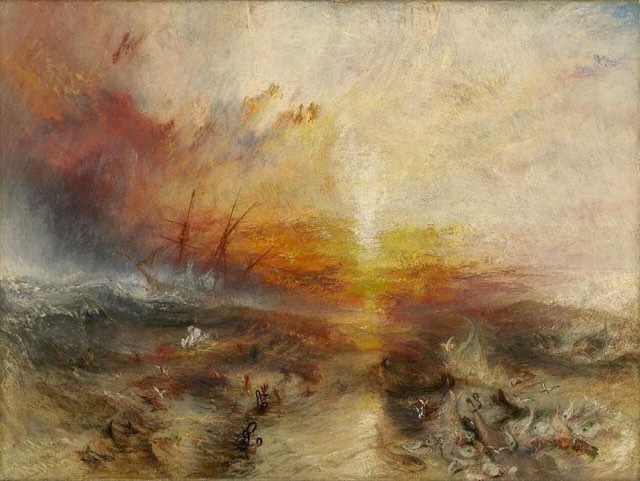
The literature of slavery is the literature of freedom as well. Slave narratives were produced by former slaves and were instrumental in documenting life on the plantations for slaves and for abolitionists to further their cause. This unit will explore the writings of slaves (Wheatley) as well as the slave narratives of those who escaped their captivity (Douglass). In this unit, you will study the characteristics of slave narratives and trace how those narratives influenced the genre of slave novels.
In the Great Books lists What to the Slave Is the Fourth of July?

Conditions of Slavery
- Condition of SlavesUC College Prep’s US History · Lesson 25 King Cotton Topic Three · watch · no longer online
The First African American Poet, Lucy Terry
- Bars FightPoemHunter · Lucy Terry Prince · read
- Lucy Terry Prince - Singer of HistoryMemorial Hall Museum Online · David R. Proper · read · archived copy
Phillis Wheatley as Colonial Poet
- On Being Brought from Africa to America (1773)Virginia Commonwealth University’s version of Phillis Wheatley · read · 15 min
- Phillis WheatleyUniversity of Houston’s Engines of our Ingenuity · John H. Lienhard · read · 15 min
Abolition and the Press
- Abolitionist MovementSouth Carolina State University · Professor Stanley Harrold · read · 1 h · archived copy
David Walker’s Call to Violence
- Appeal in Four ArticlesThe University of North Carolina at Chapel Hill’s version of David Walker · read
- AbolitionismUC College Prep’s US History · Lesson 31 Reform Crusades Topic Four · watch · archived copy
Sojourner Truth: Slavery and Gender
- Ain’t I a Woman?Fordham University’s Modern History Sourcebook · Professor Paul Halsall’s version of Sojourner Truth · read · 15 min
- Slavery and GenderColorado College · Maciej Konieczny and Ugyen Sass · read · archived copy
Characteristics of Slave Narratives
- Episode 7: Slavery and FreedomAnnenberg Foundation’s American Passages · A Literary Survey · watch · archived copy
- The Slave Narrative and Characteristics of the Slave NarrativeWashington State University · Professor Donna Campbell · read · archived copy
Slave Narratives and Abolitionists
- I Will Be Heard! Abolitionism in AmericaCornell University’s Division of Rare and Manuscript Collections · read · 1 h
Frederick Douglass
- Chapter 1University of Virginia, Electronic Text Center · Frederick Douglass’s Narrative of the Life of Frederick Douglass · read · archived copy
- Frederick Douglass: The Story of an Escaped SlaveYouTube · University of Houston · Dr. Barry Wood · watch
Harriet Jacobs and the Question of Slave Narrative Authenticity
- Chapter XVII: The FlightThe University of North Carolina at Chapel Hill’s version of Harriet Jacobs’ Incidents in the Life of a Slave Girl · read · 30 min
- Harriet Ann Jacobs: The Story of a Slave GirlYouTube · University of Houston · Dr. Barry Wood · watch
Sentimentalism as Technique in Slave Novels
- Domestic or Sentimental Fiction, 1820-1865Washington State University · Professor Donna Campbell · read · 15 min · archived copy
The Tragic Mulatto as Trope
- The Tragic Mulatto MythFerris State University · David Pilgrim · read · 30 min · archived copy
William Wells Brown and the Sentimental Fiction of Slavery
- Chapter XV: To-Day a Mistress, To Morrow a SlaveThe University of North Carolina at Chapel Hill’s version of William Wells Brown’s Clotel; or, The President’s Daughter · read · 15 min
- The ‘Unregarded Expressions of the Feelings of the Negroes:’ Gender, Slave Resistance, and William Wells Brown’s Revisions of ClotelCBS Interactive Business Network Resource Library · African American Review, M. Giulia Fabi · read · archived copy
Harriet E. Wilson’s Lesser Known Slave Novel
- Penguin’s Reading Guide to Our Nigread · 15 min · archived copy
- Chapter I: Mag Smith, My MotherUniversity of Virginia’s American Studies · Harriet E. Wilson’s Our Nig · read · 30 min · archived copy
Chapter III
Reconstruction to New Negro Renaissance Movement, 1865-1919
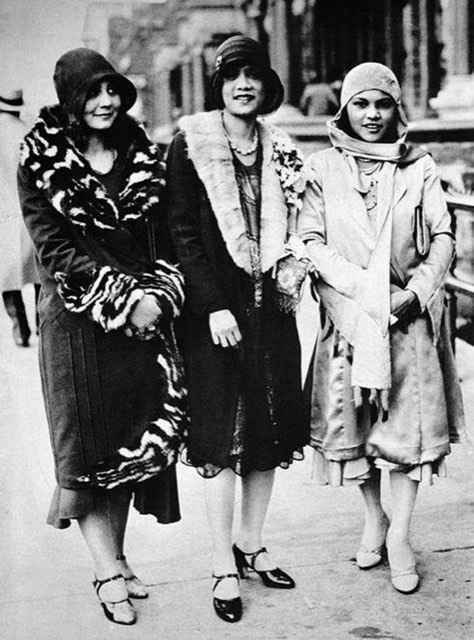
The years after the Civil War extending to the first decade of the twentieth century, were a period when the imperative of racial uplift sometimes conflicted with the artist’s desire to develop as an individual. The 1867 Reconstruction Act struck down many of the restrictions on the lives of African Americans, but the withdrawal of troops from the South in 1877 led the way for oppressive laws and practices to develop. These issues had an impact on African American artists as they addressed the “Negro Problem:” overturning the stereotypes of the plantation myth (Charles Chesnutt); preparing to be American citizens (Booker T.Washington); instituting change through political agitation (W.E.B. Du Bois); addressing issues of color (James Weldon Johnson), and integrating the philosophy of racial uplift (Anna Julia Cooper).
In the Great Books lists The Souls of Black Folk · Atlanta Exposition Speech

Reconstruction
- America’s ReconstructionUniversity of Houston’s Digital History · Eric Foner · read
The Myth of Plantation Nostalgia
- Episode 8: Regional RealismAnnenberg Foundation’s American Passages · A Literary Survey · watch · archived copy
Charles Chesnutt and the Power of Conjure
- The Goophered Grape VineUniversity of Virginia Library’s version of Charles Chesnutt · read · archived copy
Racial Uplift Defined
- Racial Uplift Ideology in the Era of ’The Negro Problem’National Humanities Center · Kevin K. Gaines’ · read · 1 h
Booker T. Washington and the End of Slavery
- Chapter III. The Struggle for an Education (1901)Bartleby.com · Booker T. Washington’s Up from Slavery · read · archived copy
- The New Negro and the Black Image: From Booker T. Washington to Alain LockeNational Humanities Center · Henry Louis Gates, Jr. · read
Double Consciousness Defined
- W.E.B. Du Bois and the Idea of the Double ConsciousnessUniversity of Virginia’s American Studies · Dickinson D. Bruce, Jr. · read · 1 h · archived copy
W.E.B. Du Bois and the Talented Tenth
- Of the Coming of W.E.B Du BoisKim Pearson · read · 30 min
- Chapter VI. The Training of Black MenBartleby.com · W.E.B. Du Bois’s The Souls of Black Folk · read · 1 h · archived copy
- The Souls of Black FolkLibriVox · W.E.B Du Bois · read
Anna Julia and Gendered Racial Uplift
- Womanhood a Vital Element in the Regeneration and Progress of a RaceUniversity of North Carolina at Chapel Hill · Anna Julia Cooper’s A Voice from the South · read
- ’Can Woman Do This Work?’ The Discourse of Racial UpliftHoward University Archives · Shirley Wilson Logan · read · archived copy
Chapter IV
Harlem Renaissance
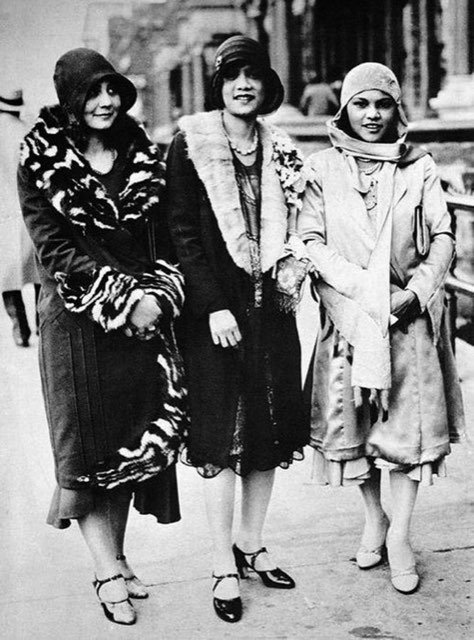
James Weldon Johnson encouraged African Americans to create their own distinctive literature. The authors of the Harlem Renaissance, a term used to describe a period of great artistic development, followed Johnson’s lead. This unit will explore how African Americans of the early twentieth century celebrated their ethnic identity in a time of Modernism, Northern Migration, and racial oppression.
The Harlem Renaissance in New York and Beyond
- The New NegroesYouTube · Open Yale Courses · Jonathan Holloway · watch · 1 h
The New Negro
- The New Negro (1925)National Humanities Center · Alain Locke · read
Claude McKay’s Influence on the Harlem Renaissance
- Claude McKay’s Harlem ShadowsPoet’s Corner Bookshelf · read
- Claude McKay and the New Negro of the 1920’sModern American Poetry · Wayne Cooper · read · archived copy
The Characteristics of the Modernist Movement
- ModernismGreat Writers Inspire · Rebecca Beasley · read · 15 min
Jean Toomer and Modernism
- Reapers and Her Lips Are Copper Wires and Poets.org: Jean Toomer’s Cane: KarinthaPoemHunter.com · Jean Toomer’s Cane · read
- On ‘Her Lips Are Copper Wire’Modern American Poetry · Brown, McKay, North, Jones, Scruggs, and VanDemarr · read · archived copy
- Jean Toomer’s Conflicted Racial IdentityThe Chronicle of Higher Education · Rudolph P. Byrd and Henry Louis Gates, Jr. · read · 1 h
What Was the Northern Migration?
- The MigrationUniversity of Notre Dame · Richard B. Pierce · read · archived copy
The Back to Africa Movement and Marcus Garvey
- Marcus Garvey on Africa for AfricansLehman College · read · 15 min · archived copy
- The Rise of Garveyism and The Harlem RenaissanceBoundless · read · no longer online
Color Consciousness in the African American Community
- PigmentocracyNational Humanities Center · Trudier Harris · read
Embracing and Rejecting Skin Color
- Chapter ThreeNational Humanities Center · Nella Larsen’s Passing · read · 1 h
The Quest for American Racial Identity
- The Mirror and the Veil: The Passing Novel and the Quest for American Racial IdentityAcademic Room · African American Review, John Sheehy · read · 1 h · archived copy
Zora Neale Hurston, Folklife, and Gender
- The Depression, The New Deal, and World War IIThe Library of Congress’s African American Odyssey · read · 15 min · archived copy
- Sweat and The Gilded Six-Bits: Between Hurston’s Biography and EducationFlorida Gulf Coast University · Jill Uppling · read · 30 min · archived copy
- SweatFlorida Gulf Coast University · Barbara L. Williams’ version of Zora Neale Hurston · read · archived copy
- Episode 13: Southern RenaissanceAnnenberg Foundation’s American Passages · A Literary Survey · watch · 15 min · archived copy
Arna Bontemp and Spirituality
- Arna Bontemps’ Life and CareerModern American Poetry · Charles L James and Robert E Fleming · read · 30 min · archived copy
- A Summer Tragedy (1933)Dr. Sandra Crihfield’s American History · Arna Bontemps’ · read · 30 min · archived copy
Langston Hughes as Blues Poet
- Jazz and LiteratureUniversity of California, Davis · Anne Fleischmann and Andy Jone · read · archived copy
- Langston Hughes: The Negro Speaks of Rivers, Harlem, Theme for English B, and The Weary BluesPoets.org · read
- Episode 6: Langston HughesAnnenberg Foundation’s Voices and Visions · watch · archived copy
Rhythm and Poetry
- Episode 10: Rhythms in PoetryAnnenberg Foundation’s American Passages · A Literary Survey · watch · 15 min · archived copy
Chapter V
Civil Rights Era, 1940s to 1960s
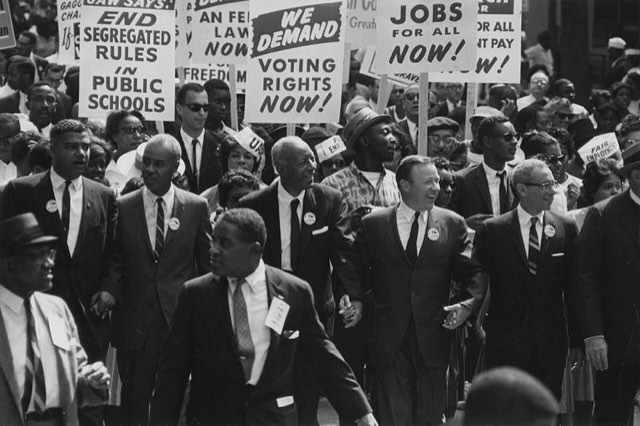
After World War II, African Americans who served their country came home to a world that still did not accept them as equal. The authors of this period struggled to make a place for themselves as Americans, seeking equality in all areas of life, yet not lose their cultural identity. Although African American drama begins with William Wells Brown’s The Escape; Or, A Leap for Freedom(1857), it came into its own in the latter half of the twentieth century with Lorraine Hansberry, Amiri Baraka, and August Wilson with its focus on issues of sexism, racism, and classicism. This unit explores both political and personal movements in drama, poetry, and fiction, as issues of race, sex, and class converge in the highly charged political arenas that would determine the fate of African Americans.

Realism
- Realism in American Literature, 1860-1890Washington State University · Professor Donna Campbell · read · 15 min · archived copy
- Section 6: Realism, Naturalism, Modernism, 1940-1960University of North Carolina at Pembroke · Amy Nickell Taylor’s (ed.) Overview of African American Literature · read · 15 min · archived copy
- Realism, Naturalism, and Modernism in African American LiteratureSlideShare · Cambridge College · Cbrownell · watch · 30 min
Naturalism
- Naturalism in American LiteratureWashington State University · Professor Donna Campbell · read · 15 min · archived copy
Richard Wright’s Influence as a Protest Writer
- The Enduring Importance of Richard WrightThe Journal of Blacks in Higher Education · Milton Moskowitz · read · 30 min
- How ‘Bigger’ Was BornUniversity of Virginia’s version of Richard Wright · read · archived copy
- Black Boys and Native SonsUniversity of Pennsylvania’s version of Irving Howe · read · 1 h
Ralph Ellison and the Myth of Invisibility
- Chapter I. Battle RoyalNorthshire Bookstore · Ralph Ellison’s Invisible Man · read · no longer online
- Episode 14: Becoming VisibleAnnenberg Foundation’s American Passages · A Literary Survey · watch · 15 min · archived copy
Robert Hayden and the Personal Experience Lyric
- Those Winter Sundays (1966)Poetry Foundation · Robert Hayden · read
Gwendolyn Brooks and the Chicago Renaissance
- Promised Land? The Black Chicago Renaissance and afterNorthern Illinois University Libraries · James Hurt · read · 1 h · archived copy
- We Real Cool andKitchenette BuildingPoemHunter.com · Gwendolyn Brooks’ · read
- Stavros, Brooks, Sims, Smith, Lindberg, Sullivan, and Spillers “On ‘We Real Cool’“Modern American Poetry · read · archived copy
Civil Disobedience and Martin Luther King, Jr.
- Civil DisobedienceStanford Encyclopedia of Philosophy · Kimberley Brownlee · read
- Letter from Birmingham Jail (1963)University of Pennsylvania’s African Studies Center · Martin Luther King, Jr. · read · no longer online
Malcolm X and Islam
- The Nation of Islam, Malcolm X, W.D. Muhammad, and Louis FarrakhanUniversity of Georgia · Alan Godlas · read · 15 min · archived copy
- Chapter ElevenShikshantar · Malcolm X’s The Autobiography of Malcolm X · read · archived copy
Chapter VI
Black Arts, 1960-1975
Artists of the Black Arts movement, even while they criticized the aesthetic aims of the movement as a whole, were moved by continuing injustices to be politically active in their art. Considering all aspects of post-Civil Rights era life, they wrote scathingly of the failings of America to create a just system—some from prison, some from urban areas, some from within homosexual relationships. This unit traces a wide range of artistic and cultural ideas. It will examine the aesthetic that at times fought against itself with its narrow conception of what topics could and should be addressed by African American writers and how the African American society should be portrayed in artistic representations.
Black Arts and Black Power
- Documents from the Black Arts MovementModern American Poetry · read · archived copy
The Prison Experience and the Black Revolutionary
- Office Hours with Maurice Wallace on Prison in African-American LiteratureYouTube · Duke University · watch
- Hard Rock Returns to Prison from the Hospital for the Criminal InsanePoets.org · Etheridge Knight · read
- Hard Rock Returns to Prison from the Hospital for the Criminal InsaneModern American Poetry · Hunter, Hill, Vendler, and Seelow’s On · read · archived copy
The Construction of a Woman’s Place and African American Feminism
- The American Vision of LincolnVoices · Nikki Giovanni · read · archived copy
- Women’s Poetry: Selections: Audre LordePittsburgh State University · K. Nichol · read · archived copy
- wishes for sons, the lost baby poem, and homage to my hipsPoemHunter.com · Lucille Clifton · read
Chapter VII
Contemporary
This unit will examine the influence of American postmodernism as well as musical trends, such hip-hop, and the embrace of nontraditional literary genres, on contemporary African American authors. We will situate African American fiction in the context of social, political, and cultural issues of the post-Civil Rights era America. The struggles of communities to overcome drug epidemics, HIV, and continued racism are the focal point of many contemporary African American authors in this unit. The pervasive modern culture of violence and its effect on the African American community and the literature it produces will also be examined.
The Neo Slave Narrative
- Chapter One and Sacred Texts: D.T. Suzuki’s The Manual of Zen Buddhism: The Ten Oxherding PicturesSimon and Schuster · Charles Johnson’s Oxherding Tale · Introduction and · read · archived copy
- Toni Morrison’s Beloved, Excerpt (1987)NPR · read · 1 h
- World Literature, Lecture Five: Toni Morrison’s BelovedNew Jersey Institute of Technology · Norbert Elliot · watch · 30 min · archived copy
Women and Violence in African American Literature
- Alice Walker’s The Color PurpleHarcourt Trade Publishers · read · archived copy
- True Color Shining Through: The Color Purple, an Adequate Portrayal of Domestic ViolenceUniversity of North Carolina · Brett England and Emily Williams’ · read · archived copy
Community in Women’s Fiction
- Everyday UseAmerican Studies at the University of Virginia · Alice Walker · read · 1 h · archived copy
- African American Mothers & Daughters: Socialization, Distance, & ConflictVirginia Tech’s Digital Library and Archives · The ALAN Review · KaaVonia Hinton-Johnson · read · 1 h
Nontraditional Genres of African American Literature: Science Fiction
- Bloodchild and Other Stories (1995)The Washington Post · Octavia Butler · read
- A Critical Examination of Octavia Butler’s ‘Bloodchild’DePauw University · Matt Brauer · read · archived copy
Jazz and Protest in African American Poetry
- A Brief Guide to Jazz PoetryPoets.org · read · 15 min
- Welcome to the Mainland: The Language of Life with Bill MoyersVimeo · Sekou Sundiata · watch
- The Day Duke Raised: May 24th, 1974Poets.org · Quincy Troupe · read
- Root Doctors: Quincy Troupe and Phil UpchurchUniversity of California Television · watch
- Blue Dementia and My Father’s Love LettersPoets.org · Yusef Komunyakaa · read
- The Dogwood Tree; Poem of the Week: Paul Laurence Dunbar’s The Haunted Oak; History Matters: Claude McKay’s If We Must Die; Poetry Foundation: Gwendolyn Brooks’ The Sundays of Satin-Legs Smith; National Humanities Center: Sonia Sanchez’s right on: white americaNational Humanities Center · the annonymous’ · read
- African American Protest PoetryNational Humanities Center · Trudier Harris · read · 2 h
About this course
This course is Saylor Academy's ENGL411, African-American Literature, one of the complete university courses the Saylor Foundation made free from 2008 and retired in 2015. Saylor licensed its course text under CC BY 3.0; the original is on GitHub. Here it is laid out as chapters, links that have died go to an archived copy from the Internet Archive where one exists, assessments that needed a Saylor login are left out, and people and works are linked to Kulturbase. The readings and lectures belong to their publishers and are linked, not copied. Pictures: Wikimedia Commons, credited under each picture.
All Saylor courses · Free culture courses · The Chautauqua Reading Course