History · Saylor HIST101
Ancient Civilizations of the World
In this course, we will study the emergence of the major civilizations of the ancient world, beginning with the Paleolithic Era (about 2.5 million years ago) and finishing with the end of the Middle Ages in fifteenth century A.D. We will pay special attention to how societies evolved across this expanse of time—from fragmented and primitive agricultural communities to more advanced and consolidated civilizations. To do this, we will rely upon textbook readings to provide historical overviews of particular civilizations and then utilize primary-source documents to illuminate the unique features of these individual societies.
More about this course
By the end of the course, you will possess a thorough understanding of important overarching social, political, religious, and economic themes in the ancient world, ranging from the emergence of Confucian philosophy in Asia to the fall of imperial Rome. You will also understand how many aspects of these ancient civilizations continue to remain relevant in today’s world.
Upon successful completion of this course, you will be able to:
In order to take this course, you must:
Chapter I
Neolithic Revolution and the Birth of Civilization
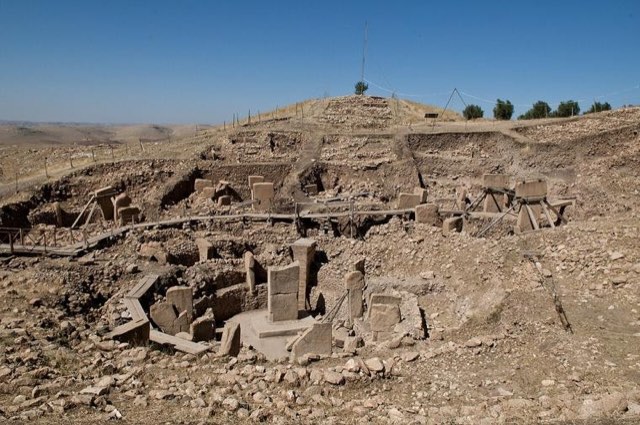
Civilizations are societies that rely on sedentary agriculture, develop social stratification and economic specialization, and create populations that are sufficient to support urban life. However, such civilizations have only existed for the last 9,000 years – a tiny fraction of the time that the human species has inhabited the earth.

What Is Civilization?
- The Invention and Diffusion of CivilizationThe Saylor Foundation · read
- What Is Civilization?The Saylor Foundation · read
Origins of Neolithic Man
- The Origin of CivilizationThe Saylor Foundation · read
- The Neolithic Revolution, Part 1 and Part IIYou Tube · watch
The Development of the Neolithic Age in Africa, the Americas, Asia, and Europe
- Beginning to 8000 B.C.Jack E. Maxfield’s A Comprehensive Outline of World History · read · archived copy
The Development of Early Towns: Jericho and Catal Huyuk
- Chapter 1, Multiple Choice QuizPearson Education’s World Civilizations · The Global Experience · write · no longer online
- Çatalhöyük Comes HomeUCL Institute of Archaeology · Shahina Farid · read · no longer online
Chapter II
The Rise of Civilization in the Middle East, Africa, and the Mediterranean
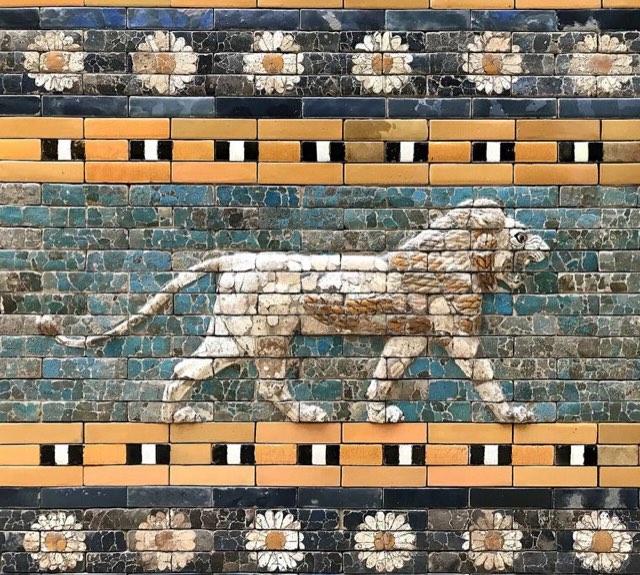
The first mature civilizations of the ancient world, Mesopotamia and Egypt, arose in the Tigris-Euphrates and Nile valleys, respectively. Both were dependent on neighboring river systems, but Mesopotamian civilization and Egyptian civilization differed in significant ways. By 1000 B.C.E., both of these formative civilizations had begun to decline, but they still influenced the development of other smaller civilizations in the Mediterranean littoral.

Mesopotamia
- Lecture 2: Ancient Western Asia and the Civilization of MesopotamiaDr. Steven Kreis’s The History Guide · Lectures on Ancient and Medieval European History · read · archived copy
- The Near East, 3000-1500, B.C.Jack E. Maxfield’s A Comprehensive Outline of World History · read
- General Characteristics of Mesopotamian CivilizationSteve Muhlberger · read
The Emergence of Sumerian Culture
- Robert Temple’s The Epic of GilgameshGateways to Babylon · read · archived copy
- Martin West’s reading of The Epic of Gilgamesh, Tablet XIUniversity of Cambridge · watch · archived copy
- Study Questions for the Epic of GilgameshThe Saylor Foundation · write
The Fall of Sumer and the Rise of the Babylonian Empire
- Babylonian EmpireLivius · Jona Lendering · read
- Code of Hammurabi, c. 1780 B.C.E.Fordham University’s Ancient History Sourcebook · Paul Halsall’s version of · read · archived copy
Ancient Egypt
- Africa, 3000-1500 B.C., Northeast Africa Africa, 1500-1000, B.C., Northeast Africa, and Africa, 1000-700, B.C., Northeast AfricaJack E. Maxfield’s A Comprehensive Outline of World History · read
Egyptian Society and Religion
- E.A. Wallis Budge’s translation of Papyrus of Ani: Egyptian Book of the DeadInternet Archive · read
Dynasties in Egypt: the Old, Middle, and New Kingdoms
- Comprehensive List of Egyptian Kings with ChronologyP.A. Piccione · read
- Egyptian CivilizationDr. Steven Kreis’s The History Guide · Lectures on Ancient and Medieval European History · read · archived copy
Kush and Axum
- Kush and Axum: Empires of East Africa Reading: The Saylor Foundation’s Kush and Axum: Empires of East AfricaThe Saylor Foundation · read
The Minoans
- History of Minoan CreteThe Saylor Foundation · read
- Minoan CreteMetropolitan Museum of Art · Heilbrunn Timeline of Art History · Colette Hemingway and Sean Hemingway · read · archived copy
- The Fall of Minoan CivilizationThe Saylor Foundation · read
The Hebrews
- The Akkadians, Egyptians and the HebrewsDr. Steven Kreis’s The History Guide · Lectures on Ancient and Medieval European History · read · archived copy
- Who Were the HebrewsJewish Virtual Library · Gerald A. Larue · read
- Chapter 2, Multiple Choice QuizPearson Education’s World Civilizations · The Global Experience · write · no longer online
Chapter III
Early Civilizations in South and East Asia
Like the ancient Middle East, civilizations in South and East Asia first developed near great river systems. The Harappan civilization of the Indus River valley developed in the middle of the third millennium B.C.E.—approximately at the same time as the river civilizations of the Middle East. But Harappa was unable to survive natural catastrophes and nomadic incursions and disintegrated as a civilization between 1500 and 1200 B.C.E. In East Asia, however, the Shang civilization served as the foundation of a new and unified civilization—the Zhou dynasty—that endured for millennia. In this unit, we will examine the emergence and decline of these important early civilizations in Asia.
The Indus River Valley
- The Indian Subcontinent, 3000-1500 B.C. and The Indian Subcontinent, 1500-1000 B.C.Jack E. Maxfield’s A Comprehensive Outline of World History · read
- Indus Valley CivilizationThe Saylor Foundation · read
- Economics of the Indus Valley CivilizationCalifornia State University-Chico · Chad Greenwood · read · archived copy
New Civilization in the Indus Valley: Harappa
- The Indus Valley and the Genesis of South Asian CivilizationThe World History Project · Professor R. A. Guisepi · read · archived copy
Aryan Society and Religion
- Aryan Society and ReligionThe Saylor Foundation · read
Early Chinese Civilization
- Lecture Notes: Early Indian and Chinese CivilizationsUniversity of North Carolina-Pembroke · Robert W. Brown · read · archived copy
- Ancient ChinaThe Saylor Foundation · read
- The Ancient Dynasties: China’s PrehistoryThe Saylor Foundation · read
Shang Society and Culture
- The Shang Dynasty, 1600-1050 BCEStanford Program on International and Cross-cultural Education · Selena Lai and Waka Takahashi Brown · read
- Shang Society and Shang CultureThe Saylor Foundation · read
Zhou (Chou) Feudalism and Cultural Change
- The Zhou DynastyThe Saylor Foundation · read
- Chapter 3, Multiple Choice QuizPearson Education’s World Civilizations · The Global Experience · write · no longer online
Chapter IV
The Warring States Period and the Classical Age in China
The breakdown of the Zhou Empire, in the third century B.C.E., permitted the establishment of many small kingdoms ruled by former vassals and incursions of nomadic peoples who lived on the Chinese border. This period of internal warfare—called the “Warring States Period”—stimulated intellectual ferment and the formulation of new conceptions of political and social organization. The creation of the brief Qin Empire in 221 B.C.E. seemed to promise a return to political order. Qin tyranny, however, produced resistance and the collapse of the dynasty in 207 B.C.E. The Han dynasty (which replaced the Qin dynasty) ruled for nearly four centuries, and political unity was achieved through the creation of a large civil bureaucracy.
The Emergence of New Philosophies in China
- Sanjiao: The Three TeachingsColumbia University · Asia for Educators · read
- The Far EastJack E. Maxfield’s A Comprehensive Outline of World History · read
Confucius and Confucianism
- Confucius and the ‘Confucian Tradition’Columbia University · Asia for Educators · read
- ConfuciusStanford Encyclopedia of Philosophy · Jeffrey Riegel · read
- Professor Paul Halsall’s selections from Confucius’s The AnalectsCity University of New York-Brooklyn College · read · archived copy
Lao-tzu and Taoism
- TaoismStanford Encyclopedia of Philosophy · Chad Hansen · read · no longer online
- Defining ‘Daoism’: A Complex HistoryColumbia University · Asia for Educators · read
Buddhism in China
- Buddhism: The ‘Imported’ TraditionColumbia University · Asia for Educators · read
The Qin
- The Far East, 300-201 B.C.Jack E. Maxfield’s A Comprehensive Outline of World History · read
- The Qin DynastyThe Saylor Foundation · read
The Han Dynasty and China’s Classical Age
- The Far East, 200-101 B.C. and The Far East, 100-0 B.C.Jack E. Maxfield’s A Comprehensive Outline of World History · read
- The Han DynastyThe Saylor Foundation · read
- State and Society in Western and Eastern HanHarvard University · Professor Peter Bol · watch · archived copy
The Later Han and Imperial Collapse
- China: The Imperial EraReading · The Saylor Foundation · read
- Chapter 4, Multiple Choice QuizPearson Education’s World Civilizations · The Global Experience · write · no longer online
Chapter V
Classical Greece and the Hellenistic World
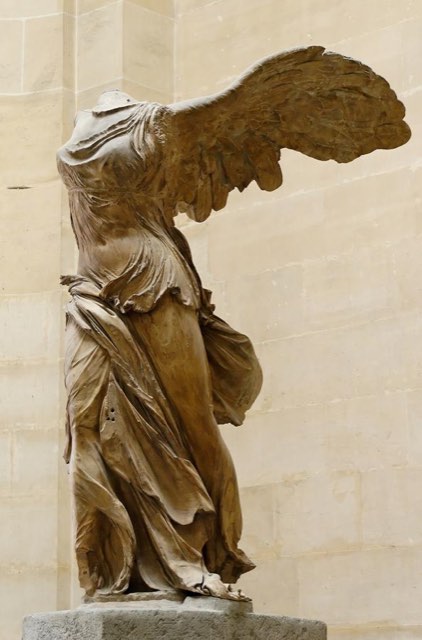
Classical Greek civilization was one of the most influential civilizations to emerge in the ancient world. The Greeks’ conception of government—particularly democracy—as well as philosophy, art, and military strategy had a profound effect upon both ancient and modern history. This sophisticated society had its roots in the Greek Dark Ages—also known as Archaic Greece—a period that was characterized by the proliferation of tiny political units—known as “city-states” or “poleis”—ruled by kings. The classical period of Greece, however, was dominated by two powerful city-states—Athens and Sparta. In this unit, we will focus on Athens and Sparta—their military conflicts, artistic accomplishments, and cultural achievements—as well as the advent of the Hellenistic Age.

Rise of Classical Greece
- Europe: GreeceSelections from Jack E. Maxfield’s A Comprehensive Outline of World History · read
- Introduction to Ancient Greek HistoryYale University · Professor Donald Kagan · watch
- Classical Greece, 500-323 B.C. Lecture 7Dr. Steven Kreis’s The History Guide · Lectures on Ancient and Medieval European History · read · archived copy
The Greek Renaissance
- Lectures on Ancient and Medieval European History: Homer and the Greek Renaissance, 900-600 B.C. Lecture 5Dr. Steven Kreis’s The History Guide · read · archived copy
- Samuel Butler’s 1898 translation of Homer’s The IliadMIT’s The Internet Classics Archive · read · no longer online
Wars and Expansion
- Classical GreeceAncient-Greece · Dr. Thomas Sakoulas · read
Philosophy
- Greek Thought: Socrates, Plato, and Aristotle Lecture 8Dr. Steven Kreis’s The History Guide · Lectures on Ancient and Medieval European History · read · archived copy
The Hellenistic Period
- From Polis to Cosmopolis: Alexander the Great and the Hellenistic World, 323-30 B.C. Lecture 9Dr. Steven Kreis’s The History Guide · Lectures on Ancient and Medieval European History · read · archived copy
- Europe: 400-301 B.C.: Greece and Upper BalkansJack E. Maxfield’s A Comprehensive Outline of World History · read
Macedonian Conquest
- Heilbrunn Timeline of Art History: Colette Hemingway and Seán Hemingway’s The Rise of Macedonia and the Conquests of Alexander the GreatThe Metropolitan Museum of Art · read · archived copy
Greek and Hellenistic Culture
- The Hellenistic Period in World HistoryUniversity of Virginia’s Online Scholarship Initiative · Stanley M. Burstein · read · archived copy
Philosophy and Science
- The Allegory of the CaveThe History Guide · Benjamin Jowett translation of Plato · read
- Greek Thought: Socrates, Plato, and Aristotle Lecture 8Dr. Steven Kreis’s The History Guide · Lectures on Ancient and Medieval European History · read · archived copy
- Chapter 5, Multiple Choice QuizPearson Education’s World Civilizations · the Global Experience · write · no longer online
- Study Questions for Plato’s Allegory of the CaveThe Saylor Foundation · write
Chapter VI
The Roman Kingdom, Republic, and Empire
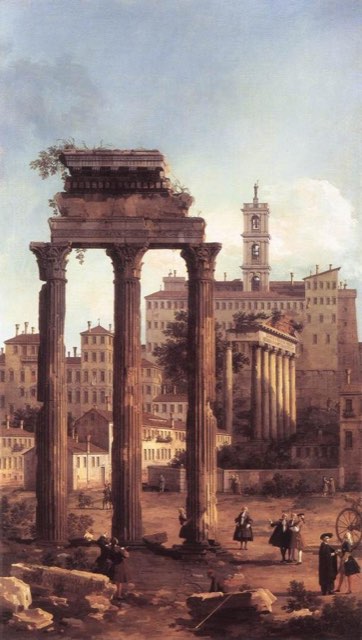
Ancient Rome was characterized by three distinct periods—the Roman Kingdom (from the eight to the sixth century B.C.E.), the Roman Republic (from the sixth to the first century B.C.E.), and the Roman Empire (from the first century B.C.E. to the fifth century A.D. for the Western Roman Empire and to the fifteenth century in the Eastern Roman Empire). How Rome evolved from a monarchy to an oligarchic republic and then to an autocratic empire will be the subject of this unit. During these three phases, innovative ideas about government, law, art, philosophy, and architecture became prominent facets of Roman society—and remain relevant in modern times. However, many of these new ideas emerged during periods of political instability and continuous warfare. In this unit, we will study the creation of republican Rome and the rise of the Roman Empire, while also paying special attention to the violent and volatile nature of this ancient polity. We will also examine the major features of Roman society and culture.

The Roman Kingdom and the Rise of the Roman Republic
- Chapters I-XXIIForumRomanum’s version of William C. Morey’s Outlines of Roman History · read · no longer online
Etruscan Culture and Early Rome
- Early Roman Civilization, 753-509 B.C. Lecture 10Dr. Steven Kreis’s The History Guide · Lectures on Ancient and Medieval European History · read · archived copy
- Etruscan CivilizationUniversity of Colorado · History Department · read · archived copy
The Roman Republic
- Republican Rome, 509-31 B.C. Lecture 11Dr. Steven Kreis’s The History Guide · Lectures on Ancient and Medieval European History · read · archived copy
- Professor Scott Thomason History 101: History of Western Civilization: Lecture 6: The Roman RepublicParkland College · watch · archived copy
Roman Culture and Society
- A Brief Social History of the Roman Empire Lecture 13Dr. Steven Kreis’s The History Guide · Lectures on Ancient and Medieval European History · read · archived copy
Roman Literature
- Sir Samuel Garth, John Dryden, et. al.’s Translation of Ovid’s The MetamorphosesMIT · read
- Study Questions for Ovid’s MetamorphosesThe Saylor Foundation · write
The Roman Empire
- Chapters XXIII-XXIXForumRomanum’s version of William C. Morey’s Outlines of Roman History · read · no longer online
- Augustus Caesar and the Pax Romana Lecture 12Dr. Steven Kreis’s The History Guide · Lectures on Ancient and Medieval European History · read · archived copy
- The Decline and Fall of Rome Lecture 14Dr. Steven Kreis’s The History Guide · Lectures on Ancient and Medieval European History · read · archived copy
The Rise of Christianity
- Christianity as a Cultural Revolution Lecture 15Dr. Steven Kreis’s The History Guide · Lectures on Ancient and Medieval European History · read · archived copy
Christianity and the Roman Empire
- Lecture 15: Christianity as a Cultural RevolutionDr. Steven Kreis’s The History Guide · Lectures on Ancient and Medieval European History · read · archived copy
- Christianity and the Roman EmpireSaylor Foundation · read
- Chapter 7, Multiple Choice QuizPearson Education’s World Civilizations · The Global Experience · write · no longer online
Chapter VII
The Classical Age in India
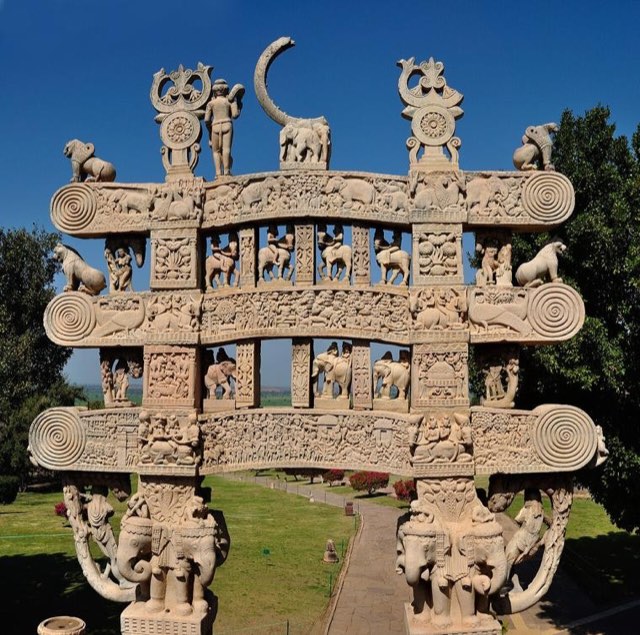
New kingdoms rose to power in Ganges River valley by 500 B.C.E. Urbanization emerged in the capitals of these kingdoms and near major religious temples. But by the sixth century B.C.E., religious thinkers were beginning to challenge the rituals on which the Brahman elite—Vedic priests—depended. The most important of these thinkers, the Buddha, created a new religion that would have world-wide significance. Moreover, the rivalry between Buddhism and Vedic religion, later known as Hinduism, shaped the nature of Indian culture for many centuries. But out of this turmoil India entered a “Golden Age” under the rule of the Gupta dynasty. During this era, new and sophisticated ideas about literature, art, and science became fixtures of Gupta society. In this unit, we will see that classical India during this period was defined by political disunity and religious conflict broken only briefly by unification under the Guptas.

The Mauryan Age
- Mauryan Empire (ca. 323-185 B.C.)The Metropolitan Museum of Art · Heilbrunn Timeline of Art History · Department of Asian Art · read · archived copy
- The Life of Ashoka MauryanCalifornia State University-Chico · Kevin Wold · read · archived copy
- Maurya DynastyLivius · Jona Lendering · read
Buddha and Buddhism
- Ethics in Indian and Tibetan BuddhismStanford Encyclopedia of Philosophy · Charles Goodman · read
- Life of the BuddhaMetropolitan Museum of Art · Heilbrunn Timeline of Art History · Kathryn Selig Brown · read · archived copy
Emergence of the Gupta Empire
- Ancient Civilizations: The Gupta Period of IndiaIndependence Hall Association · read · archived copy
- The Gupta Empire: An Indian Golden Age The Saylor Foundation’s The Gupta Empire: An Indian Golden Age (PDF)The Saylor Foundation · read
Literature, Science, and Art During the Gupta Age
- The Recognition of SakuntalaUniversity of Connecticut · Azfar Hussain’s translation of Kalidasa · read · archived copy
- Chapter 6, Multiple Choice QuizPearson Education’s World Civilizations · The Global Experience · write · no longer online
Chapter VIII
Peoples of the Americas
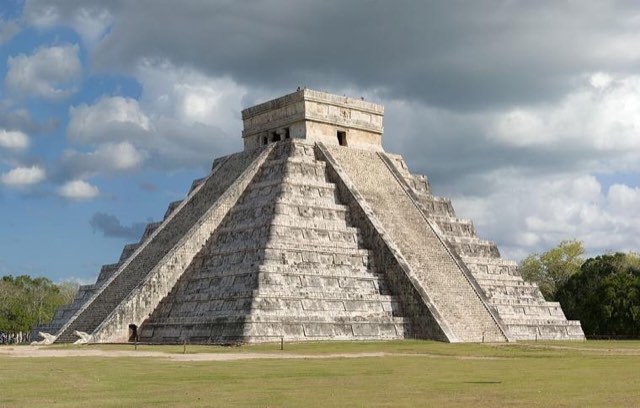
Civilizations in the Americas emerged separately from other major civilizations in the world. The indigenous people of the Americas are believed to have been immigrants from Asia, who crossed over to America during the Ice Age, approximately 20,000 years ago. These new immigrants quickly spread throughout the Americas, in small and culturally distinct groups. The development of agriculture in the Americas five thousand years ago led to the flourish of new culturally advanced societies and innovations. Pre-Columbian American civilizations, such as the Mayas, Aztecs, Incas, and Olmecs were socially stratified and technologically advanced.

Origins of American Societies
- The AmericasSelections from Jack E. Maxfield’s A Comprehensive Outline of World History · read
- History of Mesoamerican CivilizationHistory World · read
Early Development in the Andes
- View of the Civilization of the IncasSam Houston State University · William H. Prescott · read · no longer online
Spread of Civilization in Mesoamerica
- A Comprehensive Outline of World History: America: 5000 – 3000 BCConnexions · Jack E. Maxfield · read
The Olmecs
- A Comprehensive Outline of World History: America: 1500 – 1000 BCConnexions · Jack E. Maxfield · read
Teotihuacán and the Mayas
- The Rise and Fall of the Civilizations of Teotihuacán and the MayasJack E. Maxfield · read
The Toltecs
- Chapter 10: Dawn in the Desert: The Rise of the ToltecsDartmouth College · Professor Vincent H. Malmström · read · archived copy
- The ToltecsThe Saylor Foundation · read
The Chavin
- Understanding Chavin and the Origins of Andean CivilizationJames Q. Jacobs · read
The Tiahuanaco
- The Tiahuanaco CultureThe Saylor Foundation · read
- Chapter 8, Multiple Choice QuizPearson Education’s World Civilizations · The Global Experience · write · no longer online
Chapter IX
The Rise of Islam
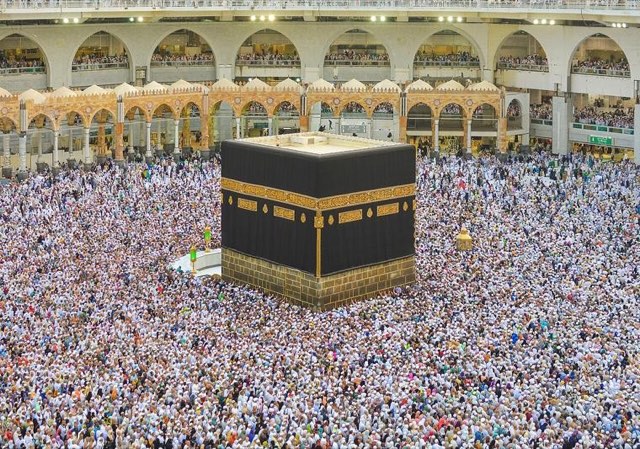
From its point of origin in Arabia, Islam developed into a global civilization that eventually encompassed large portions of the Middle East, Asia, Africa, and Europe. Based upon the teachings of the prophet Mohammad, the Islamic religion was based upon several universal principles—a feature that attracted diverse ethnic groups to the faith. Although initially shunned by the nomadic Berber tribes in Arabia, Islam was eventually accepted in the Middle East; it served as the core of several Islamic empires, including the powerful Umayyads and Abbasids. However, despite the purported religious homogeneity of Islam, the Umayyad and Abbasid dynasties were punctuated by religious discord and political conflicts.

The Arabian World and the Birth of Islam
- The Birth of Islamic CivilizationThe Saylor Foundation · read
- Islam and Islamic CivilizationSam Houston State University · Dana Carleton Munro · read · no longer online
- Heilbrunn Timeline of Art History: Suzan Yalman’s The Birth of IslamReading · The Metropolitan Museum of Art · read · archived copy
Islamic Faith and Practice
- Elements of Belief in the Qur’anBrigham Young University · Fazlur Rahman · read
- Understanding IslamThe Saylor Foundation · read
Islamic Law
- A Concise History of the Middle EastFordham University · Arthur Goldschmidt · read
Islam, Community, and Ethics
- A Concise History of the Middle EastFordham University · Arthur Goldschmidt · read
The Arab Empire of the Umayyads
- The Umayyads: The First Muslim DynastyThe Saylor Foundation · read
- Sunnis and ShiitesThe Saylor Foundation · read
Rise of the Abbasids
- The Abbasid Dynasty: The Golden Age of Islamic CivilizationThe Saylor Foundation · read
Abbasid Society and Culture
- The Art of the Abbasid PeriodMetropolitan Museum of Art · read · archived copy
- Chapter 11, Multiple Choice QuizPearson Education’s World Civilizations · The Global Experience · write · no longer online
Chapter X
African Civilizations
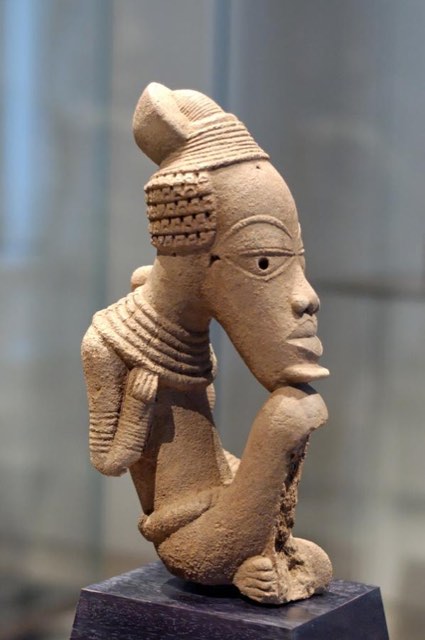
Four major areas of civilization emerged in early Africa: the grasslands south of the Sahara, western Africa, the northern desert regions, and eastern Africa. Each area was unique, but the regions became more interconnected as a result of two major developments: the domestication of the camel and the arrival of Islam in Africa. The camel facilitated trade over long distances, including the vast Sahara Desert, while Islam connected Africa more closely to cultures and trade systems in the Mediterranean and the Middle East.

African Societies
- The Rise Of Civilization In The Middle East And AfricaHistory World International · Dr. R. A. Guisepi · read · archived copy
- Ancient African Civilizations to ca. 1500Dr. Susan J. Herlin · read · archived copy
The Iron Age
- The Rest of the Story about AfricaMesa Community College · Richard Effland · read · no longer online
The Kingdom of Ghana
- Exploring Africa: Africa’s Kingdoms and EmpiresMichigan State University · read · archived copy
- Description of TimbuktuFordham University · Professor Paul Brians’ excerpt of Leo Africanus · The Description of Africa · read · no longer online
Islamic Invasions and Expansion in Africa
- Exploring Africa: Africa’s Kingdoms and EmpiresMichigan State University · read · archived copy
Empire of Mali
- Heilbrunn Timeline of Art History: Department of Arts of Africa, Oceania, and the Americas’ The Empires of the Western Sudan: Mali EmpireThe Metropolitan Museum of Art · read · archived copy
The Hausa Kingdoms
- The Hausa KingdomsThe Saylor Foundation · read
The Songhay Kingdom
- Exploring Africa: Africa Kingdoms and EmpiresMichigan State University · read · archived copy
East Africa and Swahili Culture
- The Story of Africa: The SwahiliBBC World Service · read
Benin and the Forest Kingdoms
- Introduction: Diffusion and Other Problems in the History of African StatesUniversity of Iowa · Professor James Giblin · read · archived copy
Mwenemutapa
- Great ZimbabweThe Saylor Foundation · read
- Chapter 13, Multiple Choice QuizPearson Education’s World Civilizations · The Global Experience · write · no longer online
Chapter XI
Eastern Europe: Byzantium and Orthodox Europe
Two civilizations emerged in early medieval Europe: the Byzantine Empire in eastern Europe and the diverse cultures of western Europe. The Byzantine Empire was founded when the capital of the Roman Empire was transferred to Constantinople in 324 C.E.; it existed until the fifteenth century. While Byzantium transmitted the classical culture of Greek and Rome, it also developed a unique historical and cultural character that synthesized Greek, Roman, European, and Islamic elements.
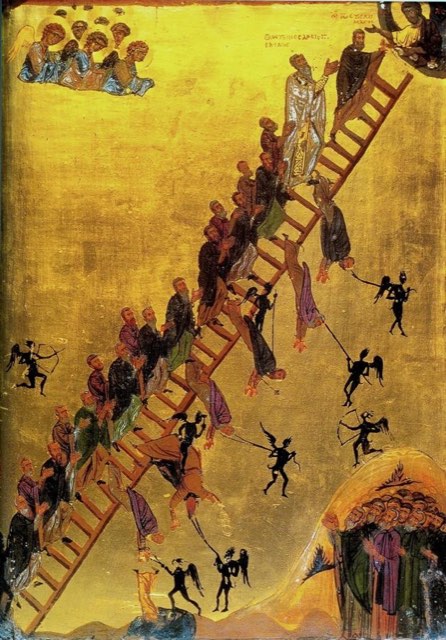

The Byzantine Empire
- The Byzantine Empire, Part 1YouTube.Edu · watch
- Byzantine Civilization Lecture 17Dr. Steven Kreis’s The History Guide · Lectures on Ancient and Medieval European History · read · archived copy
- The Byzantine Empire: IntroductionThe Saylor Foundation · read
- The Byzantine Empire: The Empire of New RomeThe Saylor Foundation · read
The Eastern Roman Empire and Constantinople
- Ibn Battuta’s Travels in Asia and Africa 1324-1354Fordham University’s Medieval Sourcebook · Professor Paul Halsall · read
- Byzantium: The Shining Fortress IntroductionHistory World Project · Professor Donald MacGillivray Nicol · read · archived copy
The Byzantines: Religion, Society, and Empire
- The Byzantine EmpireHistory World Project · Professor Donald MacGillivray Nicol · read · archived copy
Byzantium’s Influence in Eastern Europe
- The Byzantine Impact on Eastern EuropeMyriobiblios · Dimitry Obolensky · read
- The Balkans—Many Peoples, Many ProblemsAmerican Historical Association · Constructing a Postwar World · The G.I. Roundtable Series in Context · read
Culture and Commerce
- Chapter 14, Multiple Choice QuizPearson Education’s World Civilizations · The Global Experience · write · no longer online
Chapter XII
The Rise of Western Europe and the Spread of Civilization
Before the medieval period, western Europe was one of the least sophisticated civilizations in the world. In fact, it was only by inserting itself into foreign trade networks that western Europe developed ties with the wider world. In turn, these ties served as the basis for the emergence of new ideas and technologies during the Middle Ages. Other than the development of new commercial connections, there were two other major characteristics that defined the medieval period in western Europe. The first was Christianity and the Catholic Church (as well as the official language of the Church, Latin). The second was feudalism. The expansion of Catholic Christianity and the feudal system had a profound impact on western Europe in the medieval era.
The Fall of Rome’s Empire and the Rise of Medieval Europe
- The Middle AgesGeorge Mason University · Dr. Maureen Miller · read · archived copy
Charlemagne and the Carolingian Empire
- Einhard’s The Life of CharlemagneFordham University’s Medieval Sourcebook · Professor Paul Halsall · read · no longer online
- Charlemagne and the Carolingian Renaissance Lecture 20Dr. Steven Kreis’s The History Guide · Lectures on Ancient and Medieval European History · read · archived copy
Feudalism
- Feudalism and the Feudal Relationship Lecture 21Dr. Steven Kreis’s The History Guide · Lectures on Ancient and Medieval European History · read · archived copy
Manorialism
- European Agrarian Society: Manorialism Lecture 22Dr. Steven Kreis’s The History Guide · Lectures on Ancient and Medieval European History · read · archived copy
Society and Social Classes
- Geoffrey Chaucer’s Canterbury TalesCity University of New York—Brooklyn College · Michael Murphy · read · archived copy
- Study Questions for Chaucer’s The Canterbury TalesThe Saylor Foundation · write
The Black Death
- Satan Triumphant: The Black Death Lecture 29Dr. Steven Kreis’s The History Guide · Lectures on Ancient and Medieval European History · read · archived copy
Early Medieval Monasticism
- Early Medieval Monasticism Lecture 19Dr. Steven Kreis’s The History Guide · Lectures on Ancient and Medieval European History · read · archived copy
The Crusades
- The Holy Crusades Lecture 25Dr. Steven Kreis’s The History Guide · Lectures on Ancient and Medieval European History · read · archived copy
Heresies and Heretics
- Heretics, Heresies, and the Church Lecture 27Dr. Steven Kreis’s The History Guide · Lectures on Ancient and Medieval European History · read · archived copy
- Chapter 15, Multiple Choice QuizPearson Education’s World Civilizations · The Global Experience · write · no longer online
About this course
This course is Saylor Academy's HIST101, Ancient Civilizations of the World, one of the complete university courses the Saylor Foundation made free from 2008 and retired in 2015. Saylor licensed its course text under CC BY 3.0; the original is on GitHub. Here it is laid out as chapters, links that have died go to an archived copy from the Internet Archive where one exists, assessments that needed a Saylor login are left out, and people and works are linked to Kulturbase. The readings and lectures belong to their publishers and are linked, not copied. Pictures: Wikimedia Commons, credited under each picture.
All Saylor courses · Free culture courses · The Chautauqua Reading Course