History · Saylor HIST104
Historical Methodology: The Art and Craft of the Historian
This course will introduce you to historical research methods and familiarize you with the tools and techniques that historians use to study the past. You will learn about the process of modern historical inquiry and gain a better understanding of the diverse resources that historians use to conduct research.
More about this course
The course will be structured topically. The first four units will focus on research methodology and examine how and why historians conduct research on the past. Later units will examine how different historical resources can be used for historical research. By the end of the course, you will understand how to conduct research on past events and be familiar with the variety of physical and electronic resources available for historical research.
Upon successful completion of this course, the student will be able to:
√ Have access to a computer.
Chapter I
Why Study the Past?
Why should we care about the past? What can we learn from the past? How should we study the past? These three questions form the basis for modern historical inquiry. The concept of history can be a challenge to define and explain. European historian Eugen Weber once offered a succinct assessment: “History is what historians do.” Regardless of how we chose to define history, we recognize that learning about the past can help us better understand the present. In this unit, we will examine the different meanings of history and identify some of the reasons why the study of the past is so important to modern-day researchers. We will also look at the resources that historians use to study the past and discuss the fundamental role that primary-source evidence plays in historical inquiry.
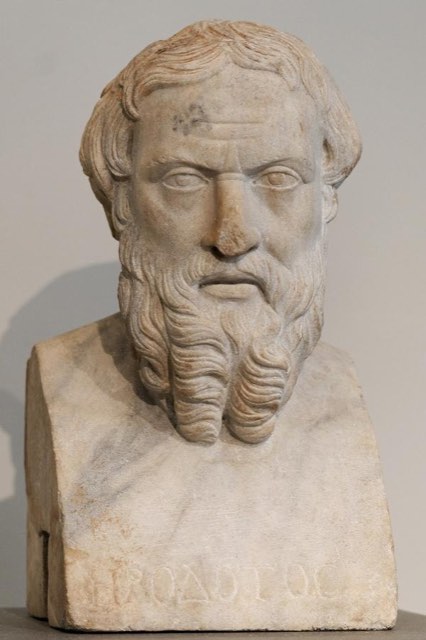

Information That Sheds Light on the Past
- Introduction: What Is History? and The Perception of History as a ScienceOracle Education Foundation · Think Quest’s The Science of History · Perceiving History and Time · read
The Act of Presenting Conclusions Informed by Research on the Past
- Reviews in History: Professor Arthur Marwick’s The Fundamentals of HistoryInstitute of Historical Research at the University of London · read · archived copy
- Seminar in Historical Methods: Historical Inquiry and the Practice of Being a HistorianMassachussetts Institute of Technology · Professor Anne McCant · watch · 45 min
Common Themes and Conceptual Frameworks
- What to Teach: Conceptual FrameworksStudentsfriend.com · Michael G. Maxwell · read · archived copy
A Search for Context and Meaning
- Historical ContextThe Saylor Foundation · read
- All People are Living Histories—Which is Why History MattersThe Institute of Historical Research’s version of Professor Penelope J. Corfield · read · archived copy
Secondary Sources
- Section 2.1: How to Read a History AssignmentDr. Steven Kreis’s The History Guide · A Student’s Guide to the Study of History · read · archived copy
Primary Sources
- Why Study History through Primary SourcesFordham University’s Internet Medieval Sourcebook · Professor Paul Halsall · read
- Unit 1 QuizThe Saylor Foundation · write
Chapter II
Basic Historical Research Skills
Historians must employ basic research and writing skills in order to present information about the past to others. Researchers should not start investigating a topic until they prepare a basic research agenda. Developing a thesis and formulating research questions will help a historian stay focused on his or her topic. Researchers must know how to locate primary and secondary sources on their subjects and conduct research using these sources. Finally, researchers must be able to organize their information and produce a research essay, or informational document, that explains what they learned about the topic and the significance of their research. In this unit, we will examine the preliminary steps that historians must take before they begin research, and we will learn how to obtain historical information using primary and secondary sources. We will also examine how to organize historical data and write a formal history essay or research report.
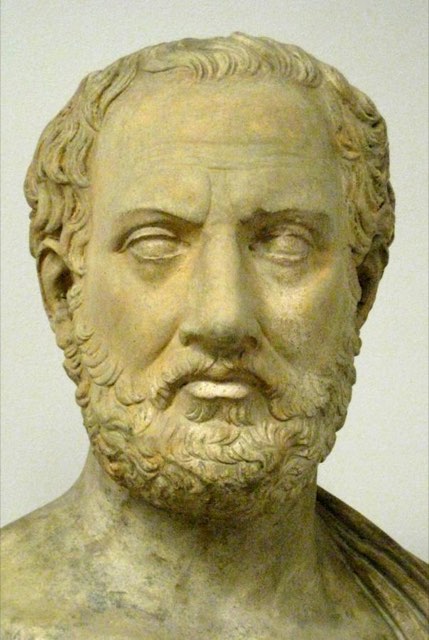

Selecting a Topic
- Research EssayThe Saylor Foundation · read
Narrowing the Scope of the Research/Formulating Research Questions
- Research Essay: ‘Imaging Your Topic’The Saylor Foundation · read
Formulating a Thesis
- Chapter Five: The Working Thesis ExerciseDr. Steven D. Krause’s The Process of Research Writing · read
Secondary Sources
- Section 4.4: The Research Essay—Off to the Library and Section 4.6: The Research Essay—How to Choose the Right BooksDr. Steven Kreis’s The History Guide · A Student’s Guide to the Study of History · read · archived copy
Primary Sources
- Primary Sources Yale University Library: Primary SourcesYale University Library · read · archived copy
Developing an Annotated Bibliography
- Chapter 6: The Annotated Bibliography ExerciseDr. Steven D. Krause’s The Process of Research Writing · read
Preparing an Outline
- Developing an Outline: Four Main Components for Developing an Outline, Why and How to Create a Useful Outline, and Types of Outlines and SamplesPurdue University Online Writing Labs · Elyssa Tardiff’s and Allen Brizee · read · archived copy
Reading Primary Sources
- Reading Primary SourcesUniversity of North Carolina at Pembroke · Professor Robert W. Brown · read · archived copy
Taking Notes on Sources
- Section 4.7: The Research Essay—Taking NotesDr. Steven Kreis’s The History Guide · A Student’s Guide to the Study of History · read · archived copy
- Taking Notes from Research ReadingThe Saylor Foundation · read
Preparing to Write an Essay
- Invention: Starting the Writing ProcessPurdue University’s Online Writing Labs · Stacy Weida’s and Karl Stolley · read · archived copy
Different Types of Historical Research Projects
- Chapter 11: Alternate Ways to Present Your ResearchDr. Steven D. Krause’s The Process of Research Writing · read
Historical Writing Practices
- Section 4.9: The Research Essay—Budgeting Your Time and Section 4.10: The Research Essay—Writing the EssayDr. Steven Kreis’s The History Guide · A Student’s Guide to the Study of History · read · archived copy
- 6.c. A Style Sheet for History Writers, The Scholarly Voice, and Paper-Writing ChecklistBowdoin College · Dr. Patrick Rael’s Reading, Writing, and Researching for History · A Guide for College Students · read · archived copy
- Ten Commandments of Good Historical WritingUniversity of St. Thomas · Professor Theron F. Schlabach · read · archived copy
Citing Your Sources—Avoiding Plagiarism
- Chapter Three: Quoting, Paraphrasing, and Avoiding Plagiarism and Chapter Twelve: Citing Your Research Using MLA or APA StyleDr. Steven D. Krause’s The Process of Research Writing · read
- Section 4.11: The Research Essay—FootnotesDr. Steven Kreis’s The History Guide · A Student’s Guide to the Study of History · read · archived copy
- Avoiding Plagiarism: Overview and Contradictions, Is It Plagiarism Yet?, and Safe PracticesPurdue University’s Online Writing Lab · Karl Stolley’s and Allen Brizee · read · archived copy
Proofreading and Final Edits
- Proofreading: Where Do I Begin?, Finding Common Errors, Suggestions for Proofreading Your Paper, Revising for Cohesion, and Steps for Revising Your PaperPurdue University’s Online Writing Lab · Jaclyn M. Wells’s, Morgan Sousa’s, Mia Martini’s, and Allen Brizee · read · archived copy
- Exercise: Paraphrasing ExercisePurdue University’s Online Writing Lab · write · archived copy
- HIST104: Unit 2 QuizThe Saylor Foundation · write
Chapter III
Research Challenges
Historical research can be challenging. Sources may be difficult to understand or may appear contradictory. Projects involving large amounts of quantitative data can be hard to organize and present to others. Historical research in the real world often involves long hours of searching records for small pieces of data. Occasionally, researchers may run across information that they do not understand or that takes their project in a completely different direction. In this unit, we will address some of the everyday challenges that historical researchers face and look at how experienced researchers deal with these issues. We will also address how overcoming these challenges can lead to research breakthroughs and unexpected discoveries.
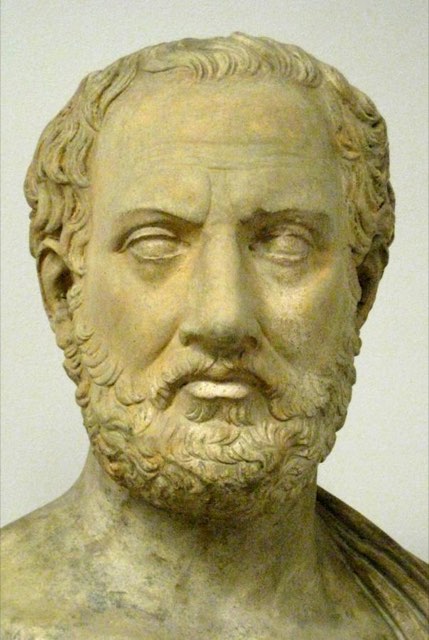
Differences between Research Approaches
- Qualitative vs. Quantitative ResearchSt. Mary’s University of Minnesota · read · archived copy
Qualitative Analysis Approach (Traditional History)
- Module R11: Historical Research Methods OutlineOklahoma State University · Dr. James P. Key · read · archived copy
Quantitative Analysis Approach (Cleometrics)
- History Matters: Making Sense of Numbers: Reading and Organizing Quantitative Evidence, What Is Quantitative History?, and Why Historians Started CountingAmerican Social History Productions, Inc.’s and Visible Knowledge Project · read
Locating and Using Quantitative Historical Data
- History Matters: Making Sense of Numbers: How Do I Locate Quantitative Data and Assess Reliability?, How Do I Link Records?, Sampling: Do I Have To Count Everything?, How Do I Locate Patterns?: Totals and Rates, How Do I Locate Patterns?: Averages, How Do I Organize Data into Categories and “How Are Data PatAmerican Social History Productions, Inc.’s and Visible Knowledge Project · read
Advantages and Disadvantages of Qualitative and Quantitative Research Approaches
- Seminar in Historical Methods: Historical Inquiry and the Practice of Being a HistorianMIT · Professor Anne McCants · watch
Interpreting Sources
- Seminar in Historical Methods: Historical Inquiry and the Practice of Being a HistorianMIT · Professor Anne McCants · watch
Evaluating Accuracy and Veracity of Sources
- Document Analysis Worksheets: Written Document, Photograph, and ArtifactThe National Archives · read
- Guidelines for Evaluating Primary SourcesNew York University Libraries · read · archived copy
Investigating Sources
- Seminar in Historical Methods: Historical Inquiry and the Practice of Being a HistorianMIT · Professor Anne McCants · watch
Identifying Bias
- What is History?: Bias: Introduction, Bias in Secondary Sources, and Bias in Primary SourcesDurham University · read · archived copy
Historical “Memory” Versus Historical Evidence
- Professing History: Distinguishing between Memory and the Past from The Chronicle of Higher EducationThe University of California Santa Barbara History Department’s version of Elliot J. Gorn · read
Knowledge Gaps
- Seminar in Historical Methods: Historical Inquiry and the Practice of Being a HistorianMIT · Professor Anne McCants · watch
Balancing Breadth and Depth of Historical Knowledge
- How to Teach: Toward a Philosophy of MeaningAstudentsfriend.com · Michael G. Maxwell · read
Learning to Ask Questions and Locate Answers
- Learning Historical Reasearch: Po-Yi Hung and Abigail Popp’s How to Frame a Researchable QuestionWilliamcronon.net · William Cronon · read
- History Matters: Scholars in Action: Analyze an 1804 InventoryAmerican Social History Productions, Inc.’s and Visible Knowledge Project · write
- History Matters: Scholars in Action: Analyze a Colonial NewspaperAmerican Social History Productions, Inc.’s and Visible Knowledge Project · write
- History Matters: Scholars in Action: Analyze a DaguerreotypeAmerican Social History Productions, Inc.’s and the Visible Knowledge Project · write
- HIST104: Unit 3 QuizThe Saylor Foundation · write
Chapter IV
Historiography
Historians are influenced by the unique political, economic, social, and cultural contexts of their lives. ‘Consequently, historians have looked at past events and reached very different conclusions. The process of analyzing how historians from different time periods have interpreted the past is known as historiography. Contemporary historical researchers need a basic understanding of historiography in order to comprehend how the historical profession has changed over time. Understanding trends in history research and interpretation make contemporary scholars more aware of potential biases in secondary historical sources. In this unit, we will explore how history writing has changed over the past two millennia. We will also evaluate modern historiographic trends and look at how these trends have changed the nature of contemporary historical research and writing.
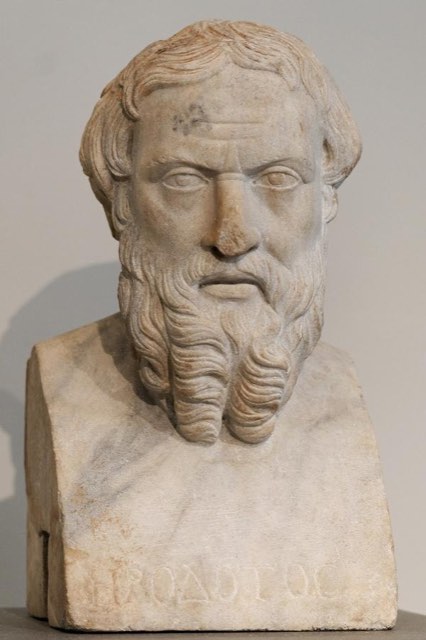
The Process of Writing History
- What History IsInstitute of Historical Research · Professor Alun Munslow · read · archived copy
Political, Economic, Social, and Cultural Influences and Perspectives
- Historiography: Introduction | Theories and Perspectives on Doing HistoryDr. Adrian Worsfold · read · no longer online
Learning How to Read and Critique Sources
- Historical CriticismNew Advent’s The Catholic Encyclopedia · read
Understanding How the Study of History Has Changed Over Time
- Historiography: How Historians Do HistorySilvapages · Brett N. Silva · read
All History Is Current History
- An Antitotalitarian History of the French Revolution: François Furet’s Pensar La Révolution Français in the Intellectual Politics of the Late 1970sThe Society for French Historical Studies’ version of Michael Scott Christofferson · read · archived copy
Influential Historiographic Trends of the 19th and 20th Centuries
- History and HistoriansAnswers.com · Abraham S. Eisenstadt · read
Empiricism and Positivism
- H2G2: Historiography—The Rankian School of ThoughtBBC · read · no longer online
Progressive Historians
- From Revolution to Reconstruction: Selections from Mike Crane’s Progressive Historiography of the American War for Independence: Introduction, Charles Beard, Of These Men, How Shall I Speak? and ConclusionsUniversity of Groningen · read · archived copy
The Annales School
- Historiography—The Annales School of ThoughtH2G2 · read · archived copy
Consensus School
- Historiography, AmericanAnswers.com · read
Social History
- Social HistoryThe Institute of Historical Research’s version of Professor Emeritus Eric Evans · read · archived copy
The “Linguistic Turn” in Historical Studies
- The ‘Linguistic Turn’California State University at Long Beach · Sharlene Sayegh · read · archived copy
Postmodernism and the Search for Truth
- Postmodernism and History Writing: Methodologies and Archival ResearchSuite101.com · Lito Apostolakou · read · archived copy
Atlantic World: An Emerging Modern Historical Trend
- What Is Atlantic History?Michael Jiménez and Marcus Rediker · read · archived copy
- HIST104: Unit 4 QuizThe Saylor Foundation · write
Chapter V
Research Libraries
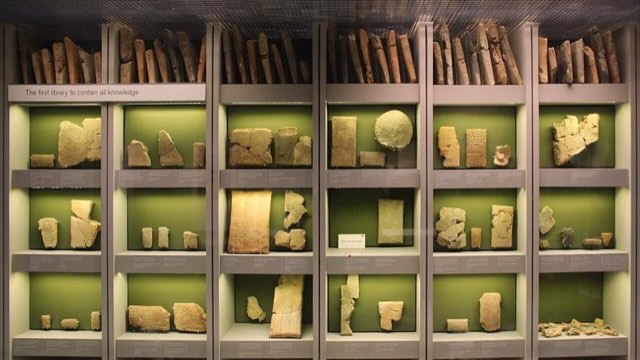
Research libraries are excellent locations for starting historical research projects. These libraries generally contain books, journals, and other materials on a wide variety of historical subjects. Reference librarians will assist researches by identifying and locating materials for their projects and providing guidance about individual libraries’ holdings. Research libraries also have online catalogues that will help researchers locate materials quickly and efficiently. In this unit, we will look at how to conduct historical research at research libraries and examine some of the research tools that these libraries have available for patrons.

Different Types of Libraries
- Types of LibrariesThe American Library Association · read
Preparing to Conduct Library Research
- Research Preparation WorksheetTrent University’s Thomas J. Bata Library · read · archived copy
Reference Services: Electronic References
- Virtual Reference ShelfThe Library of Congress’s Ask a Librarian · read
Special Collections Departments
- Welcome to Special CollectionsiTunes U · University of South Florida Tampa Library Special Collections Department · Mark Greenburg · watch · no longer online
Conducting Online Catalogue Searches
- Searching Online Catalogues: WebCatConnexions · David Getman’s and Paula Sanders · read
Locating Electronic Resources
- Find ResourcesNew York University Libraries · read · archived copy
Using InterLibrary Loan
- Borrowing Resources through Interlibrary Loan: IliadConnexions · David Getman’s and Paula Sanders’ · read
Microfilm and Microfiche
- Conducting Research Using Microfiche, Microfilm, and MicrocardConnexions · David Getman’s and Paula Sanders’ · read
- Loading MicrofilmYouTube · Gsulibrarytraining · watch
- HIST104: Unit 5 QuizThe Saylor Foundation · write
Chapter VI
How to Use an Archive
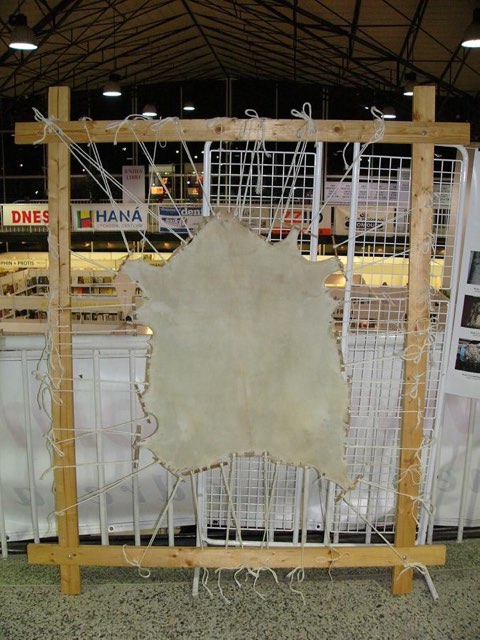
Archives maintain collections of primary-source documents and historical objects. Some archives house documents and objects from many different sources, while others contain documents and objects from a single source. Archives are an important resource for researchers looking for historical documents about a specific topic. Archives maintain catalogues and finding aids for their collections. Researchers should refer to these finding aids in order to locate specific documents. In this unit, we will learn how to conduct historical research using archival records. We will also discuss archival research practices and various digital technologies that can assist researchers with their work.

Important Terminology
- Research Guides: DefinitionsNew York University Libraries’ · read · no longer online
General Preparation
- Getting Started OverviewThe National Archives · read
Important Protocols and Restrictions
- Research Guides: Visiting Special CollectionsNew York University Libraries’ · read · no longer online
Accessing and Using Rare Documents
- Rare Research: How to Do Primary Research with Rare DocumentsYouTube · The University of Manitoba Archives and Special Collections · watch
Finding Collections
- Research Guides: Finding Archival CollectionsNew York University Libraries’ · read · no longer online
Handling Archival Materials
- Research Guides: Handling Special Collections MaterialsNew York University Libraries’ · read · no longer online
Using Digital Tools for Archival Research
- Historical Research in the ‘Digital Era’: Techniques, and the More Obvious Pros and ConsThe National Maritime Museum’s Journal for Maritime Research · Dr. Howard J. Fuller · read · no longer online
- HIST104: Unit 6 QuizThe Saylor Foundation · write
Chapter VII
Electronic Research Tools
In recent years, the Internet has become a powerful tool for historical research. In addition to hosting online catalogues for physical libraries and archives, the Internet also offers virtual libraries and archives. These repositories contain diverse historical resources, including digital books, journal articles, and primary-source document collections. Unfortunately, the Internet also contains inaccurate and misleading collections of historical data. Identifying and locating reputable sources of historical information on the Internet can be challenging, but this skill will become increasingly necessary for contemporary historical researchers as more and more information becomes available online. In this unit, we will evaluate online research practices and discuss important Internet-based tools that can help researchers locate reputable secondary and primary sources. We will also examine contemporary trends in online history research and discuss new approaches that scholars are using to find and evaluate historical data across the Internet.
Advantages and Disadvantages of Internet-based Research
- Research: Internet vs. LibraryThe Saylor Foundation · read
Important Considerations When Conducting Research Online
- Evaluating Internet Research SourcesVirtualSalt · Professor Robert Harris · read
- Evaluating Web Pages: Techniques to Apply & Questions to AskThe University of California Berkeley Library’s Finding Information on the Internet · A Tutorial · read · no longer online
Search Strategies
- Recommended Search Strategies: Analyze Your Topic & Search with Peripheral VisionThe University of California Berkeley Library’s Finding Information on the Internet · A Tutorial · read · no longer online
Search Engines
- Recommended Search EnginesThe University of California Berkeley Library’s Finding Information on the Internet · A Tutorial · read · no longer online
Subject Directories
- Recommended Subject DirectoriesThe University of California Berkeley Library’s Finding Information on the Internet · A Tutorial · read · no longer online
Full-Text Books and Journal Articles Online
- Electronic Books, Papers, Documents, and TextsThe University of Texas-Pan American Library · read · archived copy
Primary-Source Documents Online
- Reference and Use Services Association: The Institution and Research Services Committee’s Using Primary Sources on the WebAmerican Library Association · read
Online Research and Writing Tools
- Research + ToolsThe George Mason University Center for History and New Media · read
Trend Tracker
- Professor Dan Cohen’s Digital Humanities Blogread · no longer online
- HIST104: Unit 7 QuizThe Saylor Foundation · write
Chapter VIII
Other Historical Resources
Primary-source documents are an important resource for historians, but researchers have additional means at their disposal for learning about the past. Researchers can conduct interviews, study historical objects and structures, and evaluate different forms of popular media in order to gain more information about how people lived in the past. In this unit, we will look at how oral history, material culture studies, and cultural analysis can be used for historical research. We will examine the benefits of each approach and evaluate how these three historical research practices can complement traditional primary-source analytical techniques.
The Value of Oral History for Research
- Interpreting and Using Oral HistoryThe Saylor Foundation · read
Interview Techniques and Best Practices
- Interviews and ObservationsiTunes U · University of Wisconsin Oshkosh · Professor Peter Meyerson · watch · no longer online
Evaluating Historical Objects
- History Works: Material Culture TutorialThe Ohio Historical Society · read · no longer online
The Built Environment
- A Guide to Researching the History of a New York City BuildingThe New York Society Library’s version of Christopher Gray · read · archived copy
Pop Culture
- Popular Culture: Popular CultureCulturalpolitics.net · Professor T.V. Reed · read · archived copy
Evaluating Cultural Sources
- Popular Culture: Textural Analysis, Historical Analysis, Audience Analysis, and Production AnalysisCulturalpolitics.net · Professor T.V. Reed · read · archived copy
- History Matters: Making Sense of Oral History: Who Is Talking?, Who Is The Interviewer?, What Are They Talking About?, Why Are They Talking?, and What Are The Circumstances of the Interview?American Social History Productions, Inc.’s and Visible Knowledge Project · do
- HIST104: Unit 8 QuizThe Saylor Foundation · write
Chapter IX
What is History good for?
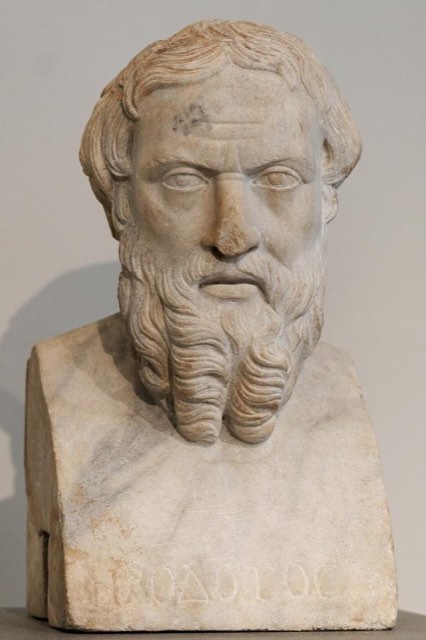
In this course, we have looked at what it means to be a historian and conduct historical research. We have evaluated research practices and discussed how to locate and use historical information for various purposes. In this final unit, we will look at professional and personal applications for historical research. We will discuss careers in history and look at other ways that historical research can be disseminated to the general public. Finally, we will address how history can be a fun and engaging hobby for people of all ages.
Teaching
- Historians in the Classroom: Schools, Colleges, and UniversitiesAmerican Historical Association’s Careers for Students of History · read · archived copy
Museums
- Historians in MuseumsAmerican Historical Association’s Careers for Students of History · read · archived copy
Archival Work
- Historians in ArchivesAmerican Historical Association’s Careers for Students of History · read · archived copy
Government
- Historians in Federal, State, and Local GovernmentAmerican Historical Association’s Careers for Students of History · read · archived copy
Private Industry
- Historians as Consultants and ContractorsAmerican Historical Association’s Careers for Students of History · read · archived copy
Online
- Can You Do Serious History on the Web?Roy Rosenzweig Center for History and New Media · AHA’s Perspectives (February 1998) · Carl Smith · read
Journals
- The Golden Age of the Scholarly Article Is NowAmerican Historical Association’s Perspectives · Robert A. Schneider · read · archived copy
Books
- Getting Published by a University PressAmerican Historical Association’s Perspectives · Elaine Maisner · read · archived copy
Other Media
- Pragmatic as well as Prescient: Digital History Education at George Mason UniversityAmerican Historical Association’s Perspectives on History · Daniel J. Cohen · read · archived copy
Historical Reenactments and Living History
- Living History HelpThe Association for Living History, Farm, and Agricultural Museums · read
- HIST104: Unit 9 QuizThe Saylor Foundation · write
- HIST104: End of Course Short Answer QuizThe Saylor Foundation · write
About this course
This course is Saylor Academy's HIST104, Historical Methodology: The Art and Craft of the Historian, one of the complete university courses the Saylor Foundation made free from 2008 and retired in 2015. Saylor licensed its course text under CC BY 3.0; the original is on GitHub. Here it is laid out as chapters, links that have died go to an archived copy from the Internet Archive where one exists, assessments that needed a Saylor login are left out, and people and works are linked to Kulturbase. The readings and lectures belong to their publishers and are linked, not copied. Pictures: Wikimedia Commons, credited under each picture.
All Saylor courses · Free culture courses · The Chautauqua Reading Course