History · Saylor HIST201
History of Europe, 1000 to 1800
****This course will introduce you to the history of Europe from the medieval period to the Age of Revolutions in the eighteenth century. You will learn about the major political, economic, and social changes that took place in Europe during this 800-year period.
More about this course
The course will be structured chronologically. Each unit will include representative primary-source documents that illustrate important overarching political, economic, and social themes, such as the Renaissance, the Protestant Reformation, European expansion overseas, and the French Revolution. By the end of the course, you will understand how Europe had transformed from a fragmented and volatile network of medieval polities into a series of independent nation-states by 1800.
Upon successful completion of this course, the student will be able to:
In order to take this course, you must:
Chapter I
The Middle Ages
By the tenth century, Germanic monarchs had established and consolidated kingdoms across Europe. The Catholic Church also extended its power during this period; church reforms and the threat of Islamic expansion renewed the Church’s authority in European politics and society. The Crusades—a series of religious wars launched by the Holy Roman Empire to restore Christian control of the Holy Land—which began in 1096, were the most conspicuous sign of the rise and expansion of Christian Europe.
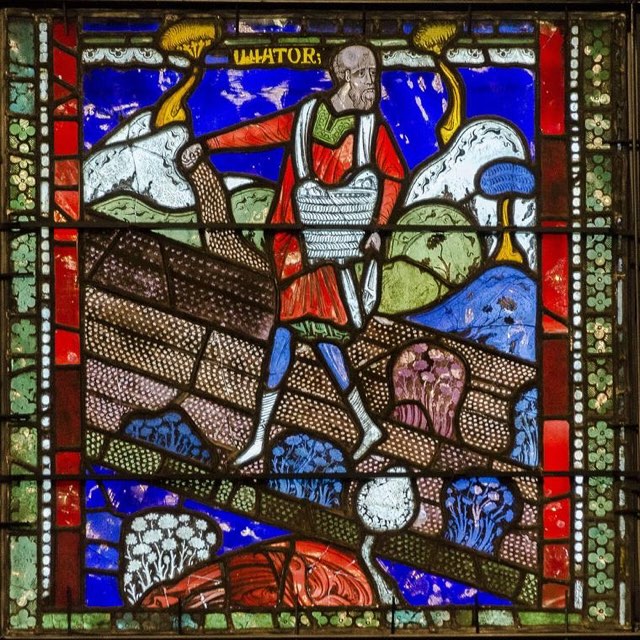

The Frankish Kingdom
- The Frankish EmpireThe Saylor Foundation · read
Charlemagne and the Carolingian Renaissance
- Lecture 20: Charlemagne and the Carolingian RenaissanceDr. Steven Kreis’s The History Guide · Lectures on Ancient and Medieval European History · read · archived copy
- Lecture 15: Europe and the Superior Being: Napoleon; HistoryDoctor.net: Dr. Larry D. Gates’s (ed.) The Era of Napoleon BonaparteDr. Steven Kreis’s The History Guide · Lectures on Early Modern European Intellectual History · read · archived copy
Medieval France: The Fall of the Carolingian Empire
- The Fall of the Carolingian Empire.The Saylor Foundation · read
Medieval England
- The Lives of Medieval PeasantsThe Saylor Foundation · read
The Peoples of the Middle Ages and Their Languages
- The Anglo-Saxons and Their LanguageWestern Michigan University’s The Medieval Institute · Peter S. Barker’s Introduction to Old English · read · archived copy
The Medieval World View
- Lecture 3: The Medieval World View (2)Dr. Steven Kreis’s The History Guide · Lectures on Ancient and Medieval European History · read · archived copy
The 12th Century Renaissance
- Lecture 26: The 12th Century RenaissanceDr. Steven Kreis’s The History Guide · Lectures on Ancient and Medieval European History · read · archived copy
Aquinas and Dante
- Lecture 28: Aquinas and DanteDr. Steven Kreis’s The History Guide · Lectures on Ancient and Medieval European History · read · archived copy
The Three Orders
- Lecture 23: Medieval Society: The Three OrdersDr. Steven Kreis’s The History Guide · Lectures on Ancient and Medieval European History · read · archived copy
Feudalism
- Lecture 21: Feudalism and the Feudal RelationshipDr. Steven Kreis’s The History Guide · Lectures on Ancient and Medieval European History · read · archived copy
Manorialism
- Lecture 22: European Agrarian Society: ManorialismDr. Steven Kreis’s The History Guide · Lectures on Ancient and Medieval European History · read · archived copy
The Black Death
- Lecture 29: Satan Triumphant: The Black DeathDr. Steven Kreis’s The History Guide · Lectures on Ancient and Medieval European History · read · archived copy
- IntroductionFordham University’s Internet Medieval Source Book · Paul Halsall’s version of M. Rigg’s translation of Giovanni Boccaccio’s The Decameron · read
Early Medieval Monasticism
- Early Medieval MonasticismThe Saylor Foundation · read
Holy Crusades
- Lecture 25: The Holy CrusadesDr. Steven Kreis’s The History Guide · Lectures on Ancient and Medieval European History · read · archived copy
Heretics and Heresies
- Lecture 27: Heretics, Heresies, and the ChurchDr. Steven Kreis’s The History Guide · Lectures on Ancient and Medieval European History · read · archived copy
Consequences of the Black Death
- Lecture 30: In the Wake of the Black DeathDr. Steven Kreis’s The History Guide · Lectures on Ancient and Medieval European History · read · archived copy
The Hundred Years’ War
- Lectures in Medieval History: The Hundred Years’ War, 1336-1453University of Kansas · Professor Lynn Harry Nelson · read
Chapter II
Renaissance
In Italy during the late Middle Ages, the contours of a new cultural movement—the Renaissance—began to emerge in urban centers such as Rome, Venice, Florence, and Milan. Meaning “rebirth” in French, “the Renaissance” refers to a revival of classical Greek and Roman sources, an emphasis on realism in art, and educational reform. Renaissance thinkers emphasized humanism—a moral philosophy that considers humans to be of primary importance—in art, philosophy, politics, science, and religion. This new interest in humanism represented a drastic shift away from the focus on the divine that had dominated medieval European thought for centuries. By the sixteenth century, Renaissance culture had spread to other regions of Europe. In this unit, we will study the profound impact that Renaissance ideas had on European society, religion, and politics. We will also compare and contrast the Italian Renaissance with Renaissances in other parts of Europe.
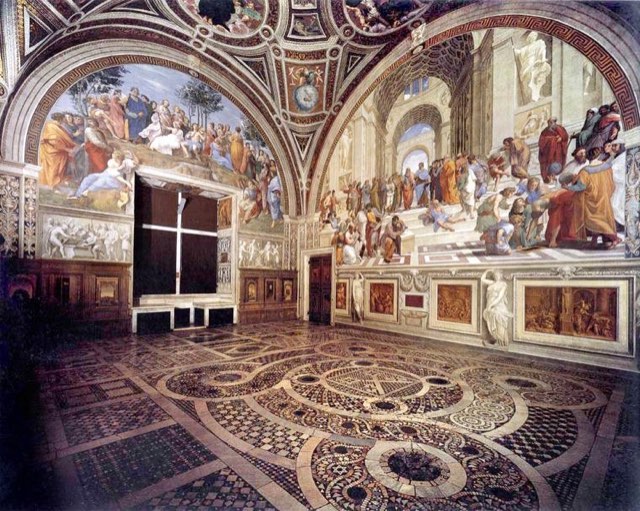

Origins of the Renaissance
- The Italian City States of the Renaissance and The Meaning of the Italian Renaissance: Interpretation and SynthesisUniversity of Kansas · Carrie Library · Professor William Gilbert’s Renaissance and Reformation · read · archived copy
From Medieval to Renaissance
- Lecture 4: The Medieval Synthesis and the Discovery of Man: the RenaissanceDr. Steven Kreis’s The History Guide · Lectures on Modern European Intellectual History · read · archived copy
Portraits of the Renaissance
- Lecture 1: Renaissance PortraitsDr. Steven Kreis’s The History Guide · Lectures on Early Modern European History · read · archived copy
Humanism
- Italian Humanism; Peter Sadlon’s version of A.S. Kline’s translation of Francesco Petrarch’s Il Canzoniere, Sonnet 264; Peter Sadlon’s version of Holly Barbaciia’s I Go Thinking: I’vo Pensando and Petrarch’s Paths of DesireUniversity of Kansas · Carrie Library · Professor William Gilbert’s Renaissance and Reformation · read · archived copy
Renaissance Neo-Platonism
- NeoplatonismThe Saylor Foundation · read
Pico della Mirandola
- Giovanni Pico dell MirandolaStanford Encyclopedia of Philosophy · Brian Copenhaver · read
Niccoló Machiavelli
- Niccolò Machiavelli and Columbia University: The Institute for Learning Technologies’ version of W.K. Marriott’s translation of Niccolò Machiavelli’s The PrinceStanford Encyclopedia of Philosophy · Cary Nederman · read
Leonardo da Vinci
- Leonardo da VinciThe Saylor Foundation · read
Renaissance Art in Northern Europe
- Chapter 22: Renaissance Art in Northern EuropeThe Virtual Library · Bill Gilbert · read · archived copy
Christian Humanism
- Chapter 9: The Northern Renaissance and the Background of the ReformationThe Virtual Library · Bill Gilbert · read · archived copy
Chapter III
The European Age of Discovery
The Renaissance set the stage for European state consolidation and expansion overseas between 1450 and 1650. In the fifteenth century, powerful monarchs launched the first stage of global imperialism. New developments in maritime technology and a desire to expand the influence of Christianity motivated European rulers to sponsor exploration and conquest in the New World. In this unit, we will see how the creation of new commercial and political networks caused profound change: they introduced new peoples, ideas, and cultures to Europeans, while also wreaking havoc on indigenous cultures of the New World.
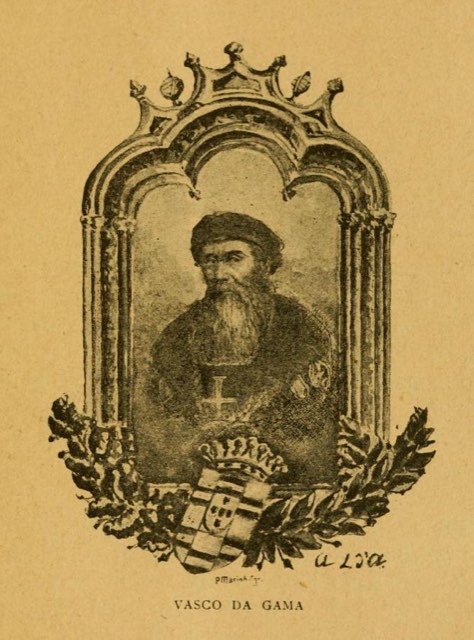

Reasons and Motivations
- Lecture 2: The Age of DiscoveryDr. Steven Kreis’s The History Guide · Lectures on Early Modern European History · read · archived copy
- The European Voyages of Exploration: IntroductionThe Saylor Foundation · read
The Portuguese
- The European Voyages of Exploration: PortugalThe Saylor Foundation · read
The Spanish
- Latin America and the ConquistadorsThe Saylor Foundation · read
- Imperial Spain: Castile and AragonThe Saylor Foundation · read
The Problem of Christopher Columbus
- European Voyages of Exploration: Christopher Columbus and the Spanish EmpireThe Saylor Foundation · read
The Spanish in the Caribbean
- The European Voyages of Exploration: The Caribbean: First ContactThe Saylor Foundation · read
Magellan and the “Western Isles”
- Magellan: Missing in ActionThe Gilder Lehrman Institute of American History · Laurence Bergreen · read · archived copy
Cortez and New Spain
- The Spanish Conquest (1519-1521) and Canadian Libraries Internet Archive’s version of Bernal Diaz del Castillo’s True History of the Conquest of MexicoMexConnect · Dale Hoyt Palfrey · read
Pizarro and the Incas
- Pizarro and the ConquistadorsU.S. Country Studies · Rex A. Hudson, ed., Peru · A Country Study · read
The Dutch in North America
- Conflict and Commerce: the Rise and Fall of New NetherlandThe Gilder Lehrman Institute of American History · Simon Middleton · read · archived copy
French and English Exploration
- Jamestown and the Founding of English AmericaThe Gilder Lehrman Institute of American History · James Horn · read · archived copy
- New France, New Horizons: On French Soil in AmericaChamplaign2004.org · watch · archived copy
The Portuguese in Brazil
- Frontier Expansion that Shaped Brazil and Early ColonizationU.S. Country Studies · Rex A. Hudson’s (ed.) Brazil · A Country Study · read
Indigenous Peoples
- Native American Discoveries of EuropeThe Gilder Lehrman Institute of American History · Daniel Richter · read · archived copy
The Columbian Exchange
- The Columbian ExchangeThe Gilder Lehrman Institute of American History · Alfred Crosby · read · archived copy
Trade
- Trade Products in Early Modern HistoryUniversity of Minnesota’s James Ford Bell Library · read · archived copy
Chapter IV
The Era of Reformation
The Protestant Reformation began in 1517, when a little-known German priest, Martin Luther, nailed his ninety-five theses protesting the sale of indulgences—the full or partial remission of punishment for sins—to a church door. The weaknesses of the Catholic Church during the late Middle Ages, including corrupt popes, schisms, and unresolved doctrinal issues, made Europeans receptive to Luther’s protests and calls for reform. Although the Reformation began in Germany, it spread throughout Europe during the sixteenth century. Protestant reformers, such as John Calvin, substituted their own scriptural beliefs for those held in Rome. The Catholic Church, however, launched a powerful Counter-Reformation by calling a major church council at Trent and by encouraging the formation of new Catholic religious orders.
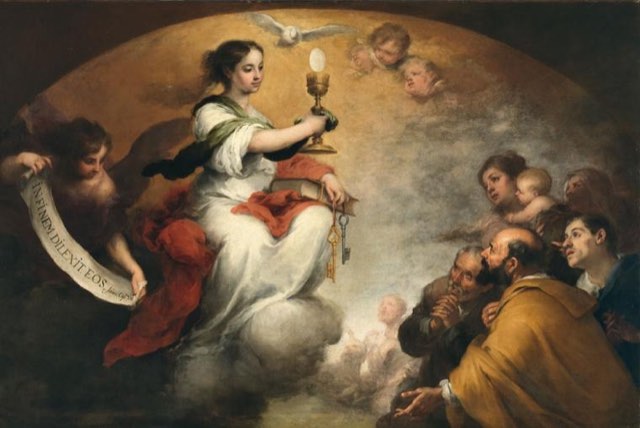

The Spirit of Reform
- Lecture 3: The Protestant ReformationDr. Steven Kreis’s The History Guide · Lectures on Early Modern European History · read · archived copy
The Impact of Martin Luther
- Martin LutheriTunes U · Dr. Frank A. James III · watch · archived copy
The Radical Reformation
- Lecture 4: The Impact of Luther and the Radical Reformation and The Virtual Library: Bill Gilbert’s Chapter 15: The Radicals of the ReformationDr. Steven Kreis’s The History Guide · Lectures on Early Modern European History · read · archived copy
The Reformation in Germany and Scandinavia
- Chapter 12: The Reformation in Germany and ScandinaviaThe Virtual Library · Bill Gilbert · read · archived copy
The Reformation in Southern Germany and Switzerland
- Chapter 13: The Reformation in Southern Germany and SwitzerlandThe Virtual Library · Bill Gilbert · read · archived copy
The Reformation in England
- The Reformation in EnglandBoise State University · Skip Knox’s Europe in the Age of Reformation · read · archived copy
Calvinism
- Chapter 14: Calvin and GenevaThe Virtual Library · Bill Gilbert · read · archived copy
Church Reforms
- Chapter 19: The Counter Reformation and Dr. Steven Kreis’s The History Guide: Lectures on Early Modern European History: Lecture 5: The Catholic ReformationThe Virtual Library · Bill Gilbert · read · archived copy
Chapter V
The Age of Religious Wars, 1546-1648
From Martin Luther’s death in 1546 to the middle of the seventeenth century, religiously- and politically-inspired violence dominated Europe. France endured nearly fifty years of civil war and strife—mainly due to conflicts between Calvinists and Catholics. Catholic Spain struggled against Protestant England and the Netherlands. The Thirty Years’ War, a conflict between Catholics and Protestants within the Holy Roman Empire, devastated central Europe. In this unit, we will see how the religious conflicts unleashed by the Reformation caused war, devastation, and political divisions throughout Europe.
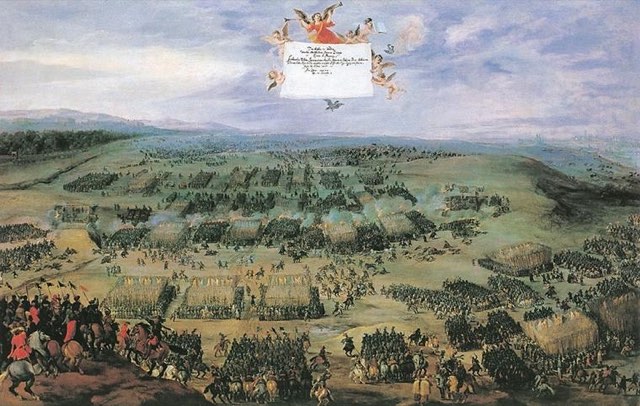

The French Religious Wars
- The Wars of Religion: Part I and The Wars of Religion: Part II; Hanover College: Hanover Historical Texts Project’s version of J.H. Robinson’s (ed.) The Massacre of St. Bartholomew’s DayLe Poulet Gauche · C.T. Iannuzzo · read · archived copy
The Revolt of the Netherlands
- Europe in the Age of the Reformation: The Revolt of the NetherlandsBoise State University · read · archived copy
Phillip II and the Spanish Armada
- The Spanish Armada, 1588 and Fordham University’s Modern History Sourcebook: Paul Halsall’s version of Queen Elizabeth I: Against the Spanish Armada, 1588 SpeechLuminarium Encyclopedia Project’s Entry on · read
Queen Mary and Continuing Religious Conflicts in England
- Mary I: Queen of EnglandTudorhistory.org · read
The Thirty Years’ War
- The Thirty Years’ WarProfessor Gerhard Rempel · read · archived copy
Post-Reformation Political Philosophy
- Chapter 21: Political Thought in the Sixteenth CenturyThe Virtual Library · Bill Gilbert · read · archived copy
Intellectual Currents of the 1600s
- Lecture 8: The New Intellectual Order: Man, Nature and Society; Luminarium’s Michel de Montaigne, Essays, Book I: Chapter XXX, Of the Caniballes, and Book II: Chapter XIX, Of the Liberty of ConscienceDr. Steven Kreis’s The History Guide · Lectures on Early Modern European Intellectual History · read · archived copy
Chapter VI
Absolutism and Constitutionalism in Western Europe
In the wake of the religious wars of the seventeenth century, monarchs in western Europe attempted to consolidate and increase their power. Many sought to fashion themselves as “absolute” monarchs—sole leaders whose power exceeded that of the people, the government, and/or the Church. However, these efforts were met with varied results. In France, Louis XIV (known as the “Sun King”) successfully established himself as an absolutist ruler. But the Netherlands, on the other hand, expulsed Catholic absolutist Spain in 1572 and created a Dutch Republic that supported religious toleration and republican government. In England, a constitutional crisis centered on the question of whether sovereignty was vested in the king or Parliament resulted in the beheading of Charles I, a civil war, and the Glorious Revolution of 1688. In this unit, we will examine why absolutism was successfully implemented in France and why it was challenged or defeated in the Dutch Republic and in England.
Absolutism Defined
- Lecture 2: Absolutism and the StateYale University · Professor John Merriman · watch
- Age of Absolutism and Salem State College: Professor Thomas Page’s Age of AbsolutismGulf Coast Community College · Professor Richard Baldwin · read · archived copy
Foundations of French Absolutism
- Creating French Culture: Treasures from the Bibliothéque Nationale de France: The Path to Royal Absolutism and University of Wisconsin: J.P. Sommerville’s Absolutism and the Divine Right of KingsLibrary of Congress · read
The Absolute Monarchy
- Creating French Culture: Treasures from the Bibliothéque Nationale de France: The Rise and Fall of the Absolute MonarchyLibrary of Congress · read
Louis XIV
- Louis XIVWestern New England College · Professor Gerhard Rempel · read · archived copy
The Wars of Louis XIV
- The Wars of Louis XIVNipissing University · Professor Steve Muhlberger · read · archived copy
The Decline of Absolutist Spain
- The Decline of SpainUniversity of Wisconsin · Professor J.P. Sommerville · read
Constitutionalism in England
- Lecture 3: Dutch and British ExceptionalismYale University · Professor John Merriman · watch
Religious Issues
- England in the 17th CenturyUnion County College · Dr. Harold Damerow · read · archived copy
Sovereignty in the King or Parliament?
- Lecture 7: The English Civil WarDr. Steven Kreis’s The History Guide · Lectures on Early Modern European History · read · archived copy
Cromwell and the Protectorate
- Oliver Cromwell: Constitutional Crisis in EnglandWestern New England College · Professor Gerhard Rempel · read · archived copy
The Interregnum, the Restoration, and the Glorious Revolution
- The Glorious Revolution and Nipissing University: Steve Muhlberger’s The Glorious RevolutionBBC’s British History In-depth · Dr. Edward Vallance · read
War with France and England
- The Dutch in the 17th Century and Authorama.com’s version of George Edmundson’s History of Holland: Chapter VI: The Beginnings of the Dutch Republic; Fordham University’s Internet Modern History Sourcebook: Paul Halsall’s version of Dutch Declaration of IndependenceUniversity of Wisconsin · J.P. Sommerville · read
Chapter VII
Absolutism in Eastern Europe
The Thirty Years’ War left Central and Eastern Europe far less economically advanced than their counterparts in western Europe. In the wake of the war, monarchs in Prussia, Austria, and Russia attempted to centralize their authority and strengthen their respective states. The Austrian Habsburgs recognized the weaknesses of the Holy Roman Empire and began to consolidate their power outside of Germany. In Russia, Peter the Great attempted to implement political reform, forge alliances with Western Europe, and deflect attacks from the powerful Ottoman Empire. In addition, serfdom revived in Eastern Europe, giving rulers more power over land and peasants.
Lords and Peasants in Eastern Europe
- The Origin, Growth and Abolition of Personal Servitude in RussiaYale · Maxime Kovalesky · read
Prussia
- The Reforms of Maria Theresa and Josef II and Nipissing University: Steve Muhlberger’s Absolutist Government in the Eighteenth Century: The Case of PrussiaLibrary of Congress · Eric Solsten (ed.)’s Austria · A Country Study · read
Mongol Invasions and the Rise of Moscow
- The Russian StateThe Saylor Foundation · read
Peter the Great
- Lecture 4: Peter the GreatYale University · Professor John Merriman · watch
- Peter’s RussiaWestern New England College · Professor Gerhard Rempel · read · archived copy
Chapter VIII
New Directions in Thought and Culture
The Renaissance paved the way for the emergence of a rational and secular worldview in Europe in the late 1600s. The Scientific Revolution and the Enlightenment represented the culmination of the shift from the medieval era to the modern world. Scientific revolutionaries overturned the authority of medieval and classical sources, such as Aristotle and Ptolemy, in an attempt to understand and explain man in the natural world according to mathematical reasoning. For example, the Polish astronomer Nicholas Copernicus asserted that we live in a heliocentric cosmos and Isaac Newton proposed a set of universal laws and claimed that we live in a mechanical universe (a cosmos governed by the same mathematical laws of gravity on Earth). Meanwhile, political philosophers of the Enlightenment emphasized reason as the primary source of legitimacy and authority. Studies examining the origin of political authority and the progress of society had a fundamental impact upon the political development of Europe.
The Scientific Revolution
- The Scientific RevolutionThe Saylor Foundation · read
Aristotle to Copernicus
- The New Astronomy and Cosmology of the Scientific Revolution: Nicolaus Copernicus, Tycho Brahe, and Johannes KeplerThe Saylor Foundation · read
- Lecture 10: The Scientific Revolution: 1543-1600Dr. Steven Kreis’s The History Guide · Lectures on Early Modern European History · read · archived copy
From Brahe to Galileo
- Lecture 11: The Scientific Revolution: 1600-1642Dr. Steven Kreis’s The History Guide · Lectures on Early Modern European History · read · archived copy
- Galileo GalileiThe Saylor Foundation · read
Newton and Descartes
- Lecture 12: The Scientific Revolution: 1642-1730Dr. Steven Kreis’s The History Guide · Lectures on Early Modern European History · read · archived copy
- Other Scientific AdvancesThe Saylor Foundation · read
Science and Humanism
- Humanism and the Scientific Revolution: Bacon’s Rejection of AristotleUniversity of California eScholarship · Steven Varvis · read
Politics and Science
- The Scientific Revolution of the 17th Century and the Political Revolutions of the 18th CenturyGeorge Mason University · Professor R. Cherubin · read
The Enlightenment
- Lecture 5: The Enlightenment and the Public SphereYale University · Professor John Merriman · watch
- The EnlightenmentWashington State University · Professor Paul Brians’ · read · archived copy
The Early Enlightenment and the Philosophes
- Lecture 9: Écrasez l’infâme!: The Triumph of Science and the Heavenly City of the 18th Century PhilosopheDr. Steven Kreis’s The History Guide · Lectures on Early Modern European Intellectual History · read · archived copy
- Philosophy of Science and the Scientific MethodThe Saylor Foundation · read
The High Enlightenment
- Lecture 10: The Vision of Human Progress: Vico, Gibbon, and Condorcet and Fordham University’s Modern History Sourcebook: Paul Halsall’s version of Condorcet: The Future Progress of the Human MindDr. Steven Kreis’s The History Guide · Lectures on Early Modern European Intellectual History · read · archived copy
Women and the Enlightenment
- Women from the Renaissance to the EnlightenmentThe Saylor Foundation · read
Benevolent Absolutism
- Catherine the Great and Frederick II’s Essay on Forms of GovernmentFordham University’s Modern History Sourcebook · read
Chapter IX
Social and Economic Change in the Eighteenth Century
The end of the bubonic plague and the absence of devastating wars opened the door to significant changes in society and economy during the 1700s. Population growth skyrocketed and created an unprecedented demand for food. This in turn spurred an agricultural revolution in which land was improved and transformed into viable farmland. Meanwhile, the rise of the cottage industry—the production of goods in the home rather than in the factory—fueled the growth of manufacturing and urbanization. At the same time, European nations created an Atlantic economy that centered upon the African slave trade, New World plantation produce, and European textiles and manufactured goods.
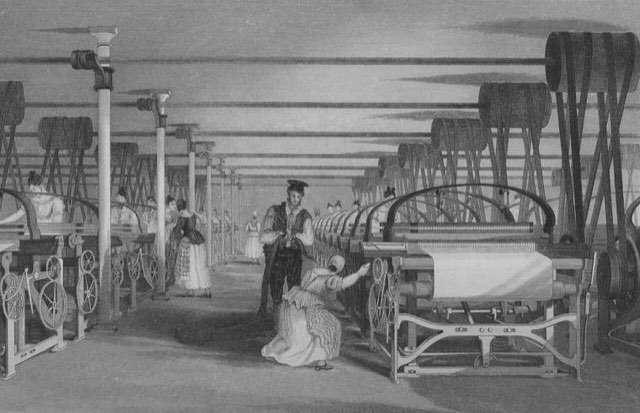

The Open Field System
- The Peasants: Advances in Agricultural Technology, 800-1000University of Kansas · Lynn Harry Nelson’s Medieval History Lectures · read
Agricultural Improvement in England and the Netherlands
- Agricultural Revolution in England, 1500-1800 and Fordham University: Paul Halsall’s Causes of the Industrial RevolutionBBC’s British History In-depth · Professor Mark Overton · read
Population Growth
- Lecture 7: Demographic Transition in Europe; Mortality DeclineYale University · Professor Robert Wyman · watch
Cottage Industry or Proto-Industrialization
- Proto-IndustrializationUniversity of Nevada, Las Vegas · Dr. Gregory Brown · read · archived copy
The Growth of Foreign Trade
- The Atlantic World Slave Economy and the Development Process in England, 1650-1850 and Western New England College: Professor Gerhard Rempel’s MercantilismDr. Joseph E. Inikori · read · archived copy
Adam Smith and Economic Liberalism
- Adam Smith; Columbia University’s version of Adam Smith’s The Wealth of Nation: The Case for Free Trade and Lower Taxes; Fordham University: The Modern History Sourcebook: Excerpts from Adam Smith’s The Wealth of NationsLiberty Fund’s Concise Encyclopedia of Economics Entry on · read
Women and Family Life
- 18th Century Society and Economy: Marriage and Family LifeLisaHistory.net · Lisa M. Lane · read · archived copy
European Medicine in the Eighteenth Century
- The Medical Response to Epidemic Disease in the Long Eighteenth CenturyInstitute of History Research · Anne Hardy · read · archived copy
Towns
- The 18th Century Town and Its InhabitantsWestern New England College · Professor Gerhard Rempel · read · archived copy
Chapter X
The Age of Revolutions, 1775-1815
The Enlightenment’s emphasis on political legitimacy and authority—as well as the perceived corruption of absolute monarchs—inspired several revolutions in the latter eighteenth century. In France and in America, many citizens began to question why the majority of a nation’s people were denied equal rights or liberty. In 1776 and 1789, respectively, the Americans and French revolted against the tyrannical and illegitimate authority of aristocrats in order to protect the sovereign rule of the people. In America, patriots replaced the British monarchy with a confederated republic. In France, revolutionaries abolished the constitutional monarchy in favor of a new republic. However, the French republic was short-lived—Napoleon proclaimed himself dictator of France in 1799. In this unit, we will examine the emerging contest between the rule of the people and the rule of a few in the Euro-American world. This contest manifested itself in two different but related revolutions that had a lasting impact upon Europe.
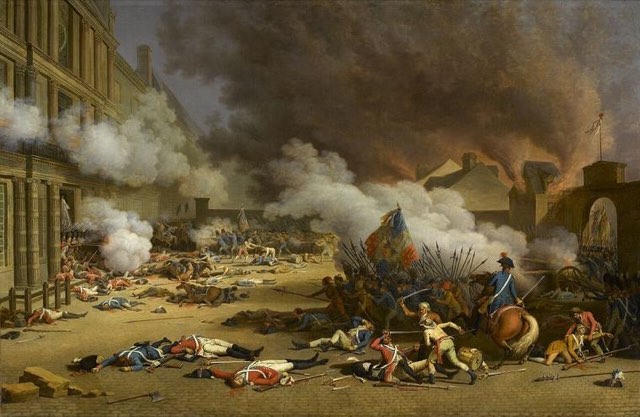

Atlantic Revolutions
- Revolution in America and FranceWestern New England College · Professor Gerhard Rempel · read · no longer online
The Demise of the Ancient Regime
- Structure of Everyday Life in the Ancien Regime and Dr. Steven Kreis’s The History Guide: Lectures on Early Modern European Intellectual History: Lecture 11: The Origins of the French RevolutionFordham University · Paul Halsall · read · archived copy
Breakdown of the Old Order
- French Revolution (Part I)Khan Academy · watch
Reforms
- The French RevolutionAcademic Earth · University of California at Los Angeles · Professor Lynn Hunt · watch · archived copy
- French Revolution (Part 2)Khan Academy · watch
- Lecture 12: The French Revolution: The Moderate Stage: 1789-1792 and Yale Law School: The Avalon Project’s version of Marquis de Lafayette’s Declaration of the Rights of Man, 1789Dr. Steven Kreis’s The History Guide · Lectures on Early Modern European Intellectual History · read · archived copy
Killing the King
- French Revolution (Part 3)—Reign of TerrorKhan Academy · watch
The Thermidorian Reaction and the Directory
- Lecture 6: Maximilien Robespierre and the French RevolutionYale University · Professor John Merriman · watch
- Lecture 13: The French Revolution: The Radical Stage: 1792-1794 and Fordham University: Paul Halsall’s The Radical RevolutionDr. Steven Kreis’s The History Guide · Lectures on Early Modern European Intellectual History · read · archived copy
England’s Reaction to the Revolution
- Lecture 14: The Language of Politics: England and the French Revolution and Fordham University’s Modern History Sourcebook: Paul Halsall’s version of Edmund Burke, Reflections on the Revolution in France, 1791Dr. Steven Kreis’s The History Guide · Lectures on Early Modern European Intellectual History · read · archived copy
The 18th Brumaire
- French Revolution (Part 4)—The Rise of Napoleon BonaparteKhan Academy · watch
Wars and the Continental System
- Napoleon and the Wars of the First and Second CoalitionsKhan Academy · watch
- Napoleon and the War of the Third CoalitionKhan Academy · watch
- Napoleon and the War of the Fourth CoalitionKhan Academy · watch
- Napoleon’s Peninsular CampaignsKhan Academy · watch
- French Invasion of RussiaKhan Academy · watch
- Napoleon Forced to AbdicateKhan Academy · watch
- Lecture 7: NapoleonYale University · Professor John Merriman · watch
- Lecture 15: Europe and the Superior Being: Napoleon and Fordham University: Paul Halsall’s Napoleon and RomanticismDr. Steven Kreis’s The History Guide · Lectures on Early Modern European Intellectual History · read · archived copy
- Napoleonic Period CollectionUniversity of Washington · University Libraries Digital Collections’ · watch
About this course
This course is Saylor Academy's HIST201, History of Europe, 1000 to 1800, one of the complete university courses the Saylor Foundation made free from 2008 and retired in 2015. Saylor licensed its course text under CC BY 3.0; the original is on GitHub. Here it is laid out as chapters, links that have died go to an archived copy from the Internet Archive where one exists, assessments that needed a Saylor login are left out, and people and works are linked to Kulturbase. The readings and lectures belong to their publishers and are linked, not copied. Pictures: Wikimedia Commons, credited under each picture.
All Saylor courses · Free culture courses · The Chautauqua Reading Course