History · Saylor HIST241
Pre-Modern Northeast Asia
This course will introduce you to the history of East Asia from the early Yellow River civilizations to the Qing Dynasty in the late eighteenth century. You will learn about the major political, economic, and social changes that took place in China, Japan, Korea, and Vietnam during this period.
More about this course
The course will be structured chronologically. Each unit will include representative primary-source documents that illustrate important overarching political, economic, and social themes, such as the development of a coherent Chinese identity, Chinese imperial aspirations in Vietnam, Korea, and Japan, the expansion of Western influence and trade networks, the Mongol invasions, and the role of Confucianism and Buddhism in East Asian culture. By the end of the course, you will understand how East Asia transformed from fragmented and warring societies into consolidated imperial states that sought to separate themselves from Western religion and commerce. The course will present a variety of resources that will discuss the social, political, cultural, technological, and materials aspects of East Asian society.
Upon successful completion of this course, students will be able to:
In order to take this course, you must:
Chapter I
Yellow River Civilizations
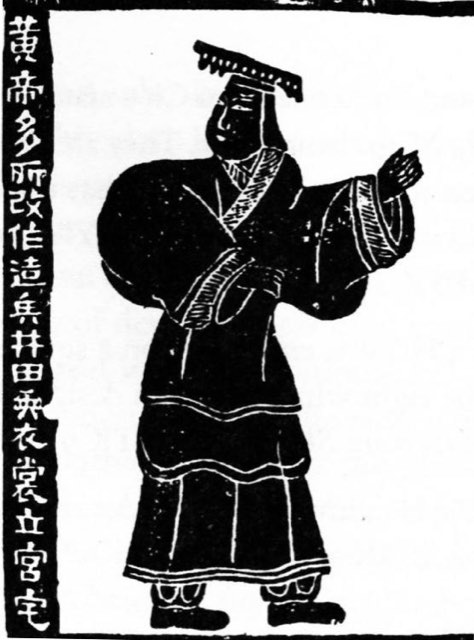
The first Chinese civilizations emerged along the Yellow River—the second longest river in China—by the second millennium B.C.E. Despite its nickname of “China’s Sorrow,” agricultural societies, drawn by the river’s fertile soil, developed sophisticated irrigation techniques. The Yangshao culture emerged around 2500 B.C.E. and was dependent upon hunting, fishing, and some agriculture. But the Longshan/Xia culture, which developed in 2000 B.C.E., became a more sedentary agricultural community of large, walled villages. These societies formed the basis for the emergence of the Shang in 1500 B.C.E., a feudal society that became the basis of Chinese civilization—they expanded irrigation systems, monopolized the use of bronze, and developed a system of writing. It was not long, however, before the power of the Shang declined, and the Zhou (1029-258 B.C.E.), a Turkic people once ruled by the Shang, rose to power. The Zhou seized new territory in the Yangtze River valley and established authority by forging alliances with regional nobles.

The Shang Era
- Chapter 2: Classical ChinaPenn State University · Professor Gregory James Smits’ Topics in Pre-Modern Chinese History · read · no longer online
Precursors: The Yangshao, Longshan, and Xia
- Archaic ChinaiTunes U · Bristol Community College History of Modern East Asia · Professor Maureen Melvin Sowa · watch · archived copy
Shang Society
- 015 The Shang DynastyiTunes · The China History Podcast · Lazlo Montgomery · watch · archived copy
Shang Culture
- Sima Qian’s Records of the Grand HistorianFordham University’s East Asian History Sourcebook · Paul Halsall · read · 1 h · archived copy
Rise of the Zhou
- Chapter 2: Classical ChinaPenn State University · Professor Gregory James Smits’ Topics in Pre-Modern Chinese History · read · 1 h · archived copy
Zhou Feudalism
- 059 The Duke of ZhouiTunes · The China History Podcast · Lazlo Montgomery · watch · 30 min · archived copy
“Mandate of Heaven”
- The Emperor and the Mandate of HeavenColumbia University · Asia for Educators’ Confucian Teaching · watch
- Selections from the Shu Jing (The Classic of History) (6th Cent. BCE)Fordham University’s East Asian History Sourcebook · Paul Halsall · read · 30 min · archived copy
Cultural Implications of the Zhou Dynasty
- King Wen is on HighCarson-Newman College · Dr. Kip Wheeler’s Chinese Poetry and the Shih Ching/Book of Songs and version of the poem · read
- Shang and Zhou Dynasties: The Bronze Age of ChinaThe Metropolitan Museum of Art · Department of Asian Art · read · archived copy
Chapter II
Consolidation in China: The Qin and the Han
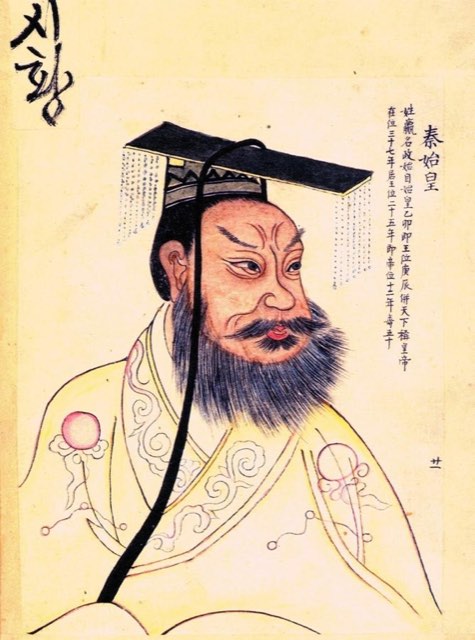
The power of the Zhou dynasty began to falter in the third century B.C.E. Rather than consolidating their power into a central authority, the Zhou had used regional alliances to maintain their influence. But when these alliances weakened, so did the Zhou. The breakdown of the Zhou Empire permitted both the establishment of many small kingdoms ruled by former vassals and invasions by nomadic peoples who lived on the Chinese border. However, this period of internal warfare known as the Warring States Period stimulated intellectual ferment and drove Chinese philosophers, such as Lao-Tzu and Confucius, to question the spiritual and ethical meaning of the political turmoil. The establishment of the brief Qin Empire in 221 B.C.E. seemed to promise a return to political order. Emperor Shi Huangdi not only used brutal techniques and legalist doctrine to consolidate his power, but he also built the beginnings of the Great Wall of China, standardized a system of weights and measures, conducted a census of his people, and expanded his empire. Qin tyranny, however, produced resistance, especially among the conscripted peasants and farmers whose labors built the empire and the dynasty collapsed in 207 B.C.E. The Han dynasty (which replaced the Qin dynasty) ruled for nearly four centuries (with a brief interruption) by achieving political unity through the creation of a large civil bureaucracy that set a precedent for future dynastic rule in China. After the collapse of the Han Dynasty, China splintered into multiple kingdoms for several centuries. This period of the Three Kindgoms, though fragmented politically, would ultimately be the cultural inspiration for future Chinese scholars and authors.

Philosophy and Political Turmoil
- Dr. Kip Wheeler’s Confucius and ConfucianismCarson-Newman College · read
Confucian Thought and Ideals
- Confucius and ConfucianismiTunes U · Suffolk University · Dr. Ronald Suleski · watch · 1 h · archived copy
- Selections from the AnalectsFordham University’s East Asian History Sourcebook · Paul Halsall’s version of Confucius’ · read · archived copy
Heirs of Confucius
- Xunzi’s Selections from Xunzi (c. 213 BCE)Fordham University’s East Asian History Sourcebook · Paul Halsall · read · archived copy
Daoist/Taoist Alternatives
- Dr. Kip Wheeler’s The Tao and TaoismCarson-Newman College · read · 1 h
- Lao-Tzu, Dao De Jing/TaoTe Ching: SelectionsFordham University’s East Asian History Sourcebook · Paul Halsall · read · archived copy
Transformations
- Chapter 2: Classical ChinaPenn State University · Professor Gregory James Smits’ Topics in Pre-Modern Chinese History · read · 45 min · archived copy
Legalism
- Chapter 5: LegalismPenn State University · Professor Gregory James Smits’ Topics in Pre-Modern Chinese History · read · 45 min · archived copy
Shi Huangdi, Emperor of China
- Sima Qian’s The Legalist Polices of the Qin, Selections from The Records of the Grand HistorianFordham University’s East Asian History Sourcebook · Paul Halsall · read · archived copy
The Han Dynasty and Foundations of China’s Classical Age
- Chinese History: Early Feudal Era: Han Dynasty (206 BC - 220 AD)The Ohio State University · Professor Mark Bender’s Module 2 · Histories of East Asia · read · 30 min · no longer online
- Week 9 –The Han DynastyiTunes U · Harrisburg Area Community College · Dr. Richard Moss · watch · 45 min · archived copy
Trade Routes of the Silk Road
- 047 Adventurer Zhang QianiTunes · The China History Podcast · Lazlo Montgomery · watch · 45 min · archived copy
- Week 8 – The Silk RoadiTunes U · Harrisburg Area Community College · Dr. Richard Moss · watch · 30 min · archived copy
The Later Han, Imperial Collapse, and the Three Kingdoms
- 022 The Three Kingdoms, the Jin Dynasty and the Sixteen KingdomsiTunes · The China History Podcast · Lazlo Montgomery · watch · 45 min · archived copy
- Chinese History: Period of Disunion and Alien Empires (220-581 AD)The Ohio State University · Professor Mark Bender’s Module 2 · Histories of East Asia · read · 30 min · no longer online
Class and Gender Roles in Han Society
- Ban Zhao’s Lessons for a Woman Fordham University’s East Asian History Sourcebook: Paul Halsall’s version of Ban Zhao’s Lessons for a WomanFordham University’s East Asian History Sourcebook · Paul Halsall · read · 1 h · archived copy
The Arts and Material Culture of the Han
- Han Art and Material CultureThe Saylor Foundation · watch · 30 min
Chapter III
China’s Golden Age: The Sui, Tang, and Song Dynasties
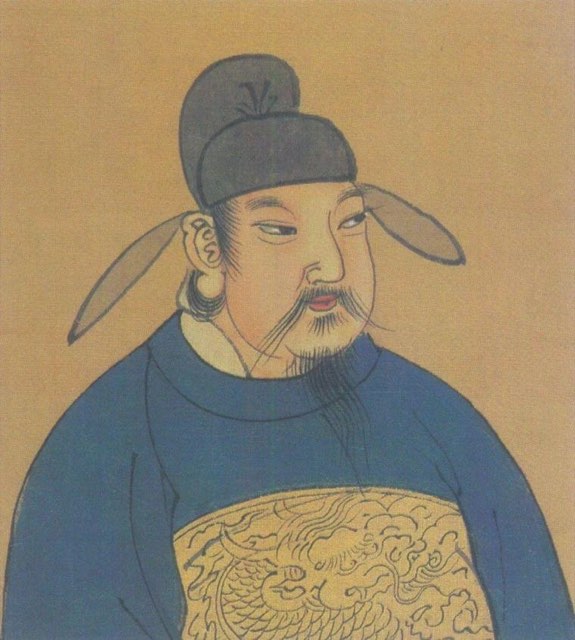
After the fall of the Han dynasty in 589 C.E., China descended into political and cultural turmoil. The bureaucracy collapsed and a “foreign” religion—Buddhism— replaced Confucianism as the primary force in cultural life. The scholar-gentry lost power to landed families. Decline was evident in technology, in the economy, and in the cities. But beginning in the latter sixth century, three successive dynasties restored the Chinese bureaucracy and economy. As you will see in this unit, the Sui, Tang and Song reinvigorated the Chinese political system, engineered massive public works projects, distributed land in an equitable manner and revived the Confucian order. These influential dynasties ushered in China’s “golden age,” an era of technological, artistic, and literary flourishing that ultimately formed connections with the cultures and societies of Europe.

The Sui Dynasty
- Chapter 8: The Middle DynastiesPenn State University · Professor Gregory James Smits’ Topics in Pre-Modern Chinese History · read · 1 h · archived copy
The Return of Centralized Dynastic Control
- 024 The Sui DynastyiTunes · The China History Podcast · Lazlo Montgomery · watch · 30 min · archived copy
Cultural Importance of the Examination System
- Tang-1iTunes U · University of Louisville’s Survey of Asian Art · watch · 45 min · archived copy
The Growth of Buddhism in China
- BuddhismUniversity of Washington’s Visual Sourcebook of Chinese Civilization History · Professor Patricia Buckley Ebrey · read · 1 h
The Song Dynasty
- Chapter 8: The Middle DynastiesPenn State University · Professor Gregory James Smits’ Topics in Pre-Modern Chinese History · read · 30 min · archived copy
Revival of Confucian Thought
- Neo-ConfucianismColumbia University · Asia for Educators · Patricia Ebrey and Conrad Schirokauer’s The Song Confucian Revival · read · 1 h · archived copy
Attempts at Reform
- Scholar-Officials of the Song and the Examination SystemColumbia University · Asia for Educators · Patricia Ebrey and Conrad Schirokauer’s The Song Confucian Revival · read · archived copy
The Rivals of the Song and the Flight to the South
- Northern Rivals: Liao, Jin, Xi Xia, and the MongolsColumbia University · Asia for Educators · Patricia Ebrey and Conrad Schirokauer’s Song Engagement with the Outside World · read · 1 h · archived copy
Culture and Society during the Golden Age
- Life in the Song Seen through a 12th Century ScrollColumbia University · Asia for Educators · Patricia Ebrey and Conrad Schirokauer’s The Song Dynasty in China (960-1279) · read · 30 min · archived copy
Population Rise
- Population BoomColumbia University · Asia for Educators · Patricia Ebrey and Conrad Schirokauer’s The Song Economic Revolution · read · archived copy
Commercial Expansion and International Trade
- Commercialization and From Copper Coins to Paper NotesColumbia University · Asia for Educators · Patricia Ebrey and Conrad Schirokauer’s The Song Economic Revolution · read · archived copy
- International Trade, Overland and Maritime and According to Marco PoloColumbia University · Asia for Educators · Patricia Ebrey and Conrad Schirokauer’s Song Engagement with the Outside World · read · 1 h · archived copy
Urban Environments
- A New Kind of City Emerges and Hangzhou and the Urban EliteColumbia University · Asia for Educators · Patricia Ebrey and Conrad Schirokauer’s The Cities of the Song · read · 1 h · archived copy
Expanding Agrarian Production
- Rice CultivationColumbia University · Asia for Educators · Patricia Ebrey and Conrad Schirokauer’s Technological Advances during the Song · read · 1 h · archived copy
Scholarship and Art
- Song DynastiesiTunes U · University of Louisville’s Survey of Asian Art · watch · 1 h · archived copy
- Great Tang Poets: Li Bo, the Outsider Poet (701-762) and Li Po’s Drinking Alone by MoonlightColumbia University · Asia for Educators’ · read
- The Three Perfections and Su ShiColumbia University · Asia for Educators · Patricia Ebrey and Conrad Schirokauer’s The Song Confucian Revival · read · 1 h · archived copy
Chapter IV
Japan
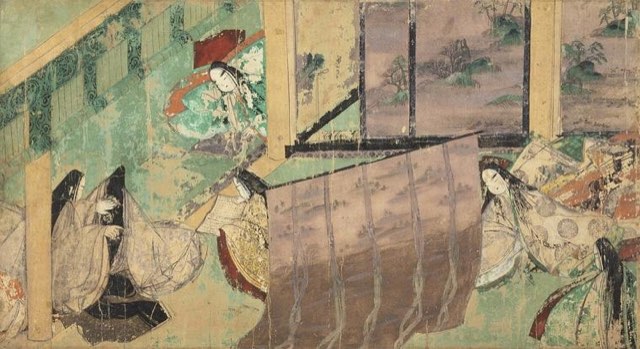
Countries on China’s borders, including Japan, were deeply influenced by their powerful neighbor. Not only did China attempt to expand its power into these regions, but these areas also attempted to emulate many aspects of Chinese society.

Early Japan
- Japanese HistoryThe Ohio State University · Professor Mark Bender’s Module 2 · Histories of East Asia · read · 30 min · no longer online
Jomon and Yayoi
- Yayoi Culture (ca. 4th century B.C.-3rd century A.D.)The Metropolitan Museum of Art · Department of Asian Art · read · 45 min · archived copy
Nara
- The Legendary Past: The Age of GodsColumbia University · Asia for Educators’ · read · 1 h
- Commentary on the Kojiki 712 C.E.University of California at Berkeley’s Japanese Historical Text Initiative · Dr. Delmer Brown · read · 45 min
- Commentary on the Chronicles of Japan (Nihon Shoki), 720 C.E.University of California at Berkeley’s Japanese Historical Text Initiative · Dr. Delmer Brown · read · 30 min
Heian Court Life and Culture
- Classic Court Culture: Media of Reception and Identity: Heian Period (794-1185)Princeton University Art Museum’s Asian Art Collection · read · archived copy
- Chapter 8: Heian Period LiteraturePenn State University · Professor Gregory James Smits’ Topics in Medieval Japanese History · read · 3 h · archived copy
- Asia for Educators: Murasaki Shikibu’s Tale of the GenjiColumbia University · read · 30 min
Decline of Imperial Power
- Chapter 5: The Rise of the Warriors and the ‘Age of Anxiety’Penn State University · Professor Gregory James Smits’ Topics in Pre-Modern Japanese History · read · 1 h · archived copy
Mappo, Buddhism, and Religion in Early Japan
- H?j?ki (An Account of My Hut)Columbia University’s East Asian Curriculum Project · Kamo no Chomei · read · 30 min
Feudal Japan
- Japanese HistoryThe Ohio State University · Professor Mark Bender’s Module 2 · Histories of East Asia · read · 45 min · no longer online
- Medieval Japan: An Introductory LessonThe University of Colorado’s The Center for Asian Studies · The Program for Teaching East Asia · Ethan Segal · read · 1 h · archived copy
Cultural Impact of the Samurai
- Asia for Educators’ The Tale of the HeikeColumbia University · read · 1 h
Ashikaga/Muromachi Period and the Origins of Japan’s Unification
- Muromachi Period (1392-1573)The Metropolitan Museum of Art · Department of Asian Art · read · 1 h · archived copy
Chapter V
Korea and Vietnam
Similarly to Japan, the earliest developing societies in Korea and Vietnam also felt the direct influence of their Chinese neighbors.
Korea
- Korean HistoryThe Ohio State University · Professor Mark Bender’s Module 2 · Histories of East Asia · read · 2 h · no longer online
The Unified Shilla and Koryo Dynasties
- Ceramics of the Goreyo/Koryo and Joseon/Choson DynastiesiTunes U · Asian Art Museum · Dr. Robert Mowry · watch · 1 h · archived copy
Buddhism in Korea
- Korean Buddhist Sculpture (5th-9th Century)The Metropolitan Museum of Art · Department of Asian Art · Soyoung Lee · read · 30 min · archived copy
Life in the Red and Mekong River Deltas
- PrehistoryMichigan State University · Asian Studies Center’s Windows on Asia · Vietnam-History · read · 15 min · archived copy
Han Conquest, Resistance, and Rebellion
- Chinese Colonization (200BC to 938AD)Michigan State University · Asian Studies Center’s Windows on Asia · Vietnam-History · read · 15 min · archived copy
Independence from China
- Vietnamese Independence (950 - 1859)Michigan State University · Asian Studies Center’s Windows on Asia · Vietnam-History · read · 15 min · archived copy
Vietnamese Culture
- Art and ArchitectureMichigan State University · Asian Studies Center’s Windows on Asia · Vietnam-Culture · read · 1 h · archived copy
- When Heroism Is Not Enough: Three Women Warriors of Vietnam, Their Historians and World HistoryWorld History Connected · Marc Jason Gilbert · read · 2 h · archived copy
Chapter VI
The Yuan Dynasty
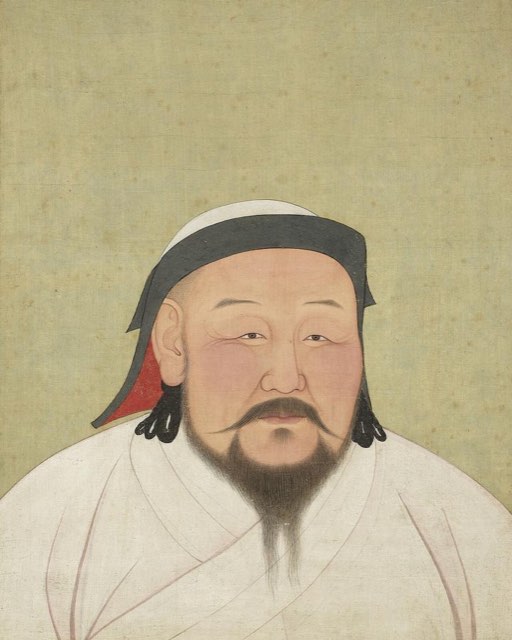
The Mongols—nomads of central Asia—dominated world history during the thirteenth century. The Mongols invaded many postclassical empires and built an extensive cultural and commercial network. Led by Chinggis Khan and his successors, the Mongols brought China, Persia, Tibet, Asia Minor, and southern Russia under their control. Though the Mongols are often portrayed as barbarians and destructive warriors, most of the peoples they conquered lived in relative peace, enjoyed religious tolerance, and had a unified law code. The Mongol empire also opened trade routes and communication between different regions in Asia. In the mid-1200s, Kubilai Khan, the grandson of Chinggis Khan, invaded China and conquered the Song dynasty. Known as the House of Yuan, Kubilai Khan’s regime attempted to preserve a distinction between Mongol and Chinese culture. Chinese were forbidden from learning the Mongol writing system, intermarriage was prohibited between Mongols and Chinese, and Chinese religious customs and civil service examinations were largely ignored. However, Kubilai Khan styled a Chinese-influenced court in Tatu (Beijing).

The Rise of the Yuan
- Yuan Dynasty (1271 to 1368)Michigan State University · Asian Studies Center’s Windows on Asia · China – History · read · 15 min · archived copy
The Defeat of the Song
- Yuan Dynasty PaintingiTunes U · University of Louisville’s Survey of Asian Art · watch · 30 min · archived copy
Absolute Monarchy and Centralized Government
- What Was the Mongols’ Influence on China? Khubilai Khan in China and Life in China under Mongol RuleColumbia University · Asia for Educators’ The Mongols in China · read · 2 h
Cross-cultural Encounters
- On the TartarsFordham University’s Internet Medieval Sourcebook · Paul Halsall’s version of Marco Polo · read · 1 h
The Later Yuan and Reasons for Collapse
- Military Successes and Failures and Public Works FailuresColumbia University · Asia for Educators’ The Mongols in China · Beginnings of Mongol Collapse · read · 1 h
Chapter VII
East Asia in a New Global
When Vasco da Gama, the Portuguese explorer, discovered trading routes to Asia in the fifteenth century, it revolutionized the European world. However, the Chinese and Japanese were only marginally affected by European contact. While Europeans were keen to procure Asian goods—paper, silk, cotton textiles, glass, gunpowder—the peoples of China, Japan, and Korea had little interest in Europeans or their trade goods.
Portuguese and the Age of Discovery
- The Age of DiscoverySmithsonian Institution · Freer & Sackler Galleries’ Encompassing the Globe · Portugal and the World in the 16th and 17th Centuries Online Exhibit · read · archived copy
Vasco da Gama and the Estado da India
- The Indian Ocean from Muscat to Spice IslandsSmithsonian Institution · Freer & Sackler Galleries’ Encompassing the Globe · Portugal and the World in the 16th and 17th Centuries Online Exhibit · read · archived copy
- Vasco da Gama’s Round Africa to India, 1497-1498 CEFordham University’s Modern History Sourcebook · Paul Halsall · read · 3 h
A Chinese Desire for Silver, Not Manufactured Goods
- The Silver Trade, Part 1Columbia University · Asia for Educators’ · read · 30 min
The Impact of Arab Traders
- The Silk Road and Arab Sea RoutesHofstra University · Department of Global Studies & Geography · Dr. Jean-Paul Rodrigue’s The Geography of Transport Systems · read · archived copy
Trade in the Indian Ocean Basin
- The Indian Ocean from Muscat to Spice IslandsSmithsonian Institution · Freer & Sackler Galleries’ Encompassing the Globe · Portugal and the World in the 16th and 17th Centuries Online Exhibit · read · 15 min · archived copy
From Porcelain to Paper to Silk: Prized Commodities from China
- Timeline of Chinese Inventions and China’s Gifts to the WestColumbia University · Asia for Educators’ · watch · 2 h · archived copy
- The Art of PrintingFordham University’s East Asian History Sourcebook · Paul Halsall’s version of Matteo Ricci · read · 15 min · archived copy
- Merchants and Missionaries in ChinaSmithsonian Institution · Freer & Sackler Galleries’ Encompassing the Globe · Portugal and the World in the 16th and 17th Centuries Online Exhibit · read · 15 min · archived copy
Spices
- The History of the Spice Trade in IndiaEmory University · Postcolonial Studies · Louise Marie M. Cornillez · read · 15 min · archived copy
The Dutch in Asia
- Session 2: Spices and the Dutch.Columbia University’s FATHOM Archive · Anthony Farrington’s Trading Places · The East India Company and Asia · read · 30 min · archived copy
The British in Asia
- Elizabeth I: Exploration and Foreign PolicyUniversity of Wisconsin · Professor J. P. Sommerville · read · archived copy
- Sessions 1, 4, and 5Columbia University’s FATHOM Archive · Anthony Farrington’s Trading Places · The East India Company and Asia · read · 2 h · archived copy
Missionary Efforts
- Report from China 1305Fordham University’s Internet Medieval Sourcebook · Paul Halsall’s version of John of Monte Corvino · read · 30 min
Chapter VIII
Splendid Isolation: Ming China and Japan
Squeezed between two “foreign” dynasties—the Yuan and the Qing—the Ming dynasty attempted to place Chinese governance back in Chinese hands. Oppressed by the rule of the Mongols, the Ming rose to power when Zhu Yuanzhang, a military commander of peasant origins, led a revolt against the Mongols. He declared himself emperor Hongwu in 1368 and sought to expel all Mongols and their influences. After establishing himself at the capital in Nanjing, Hongwu worked to remedy what he saw as the defects of the Mongol system. He styled himself as an absolutist ruler and consolidated his authority over the nobility. He also reintroduced the civil service examination system and assumed control of much of the administration of his empire. However, although commercial exchange between Ming China and European states increased exponentially during this time, Hongwu and his successors believed that isolationism, rather than exploration and expansion, would best preserve China.
The Rise of the Ming Dynasty
- Chinese History: Shift towards Modern times: Ming Dynasty (1368 to 1644)The Ohio State University · Professor Mark Bender’s Module 2 · Histories of East Asia · read · 15 min · no longer online
Ming Culture
- Painting as Visual and Material Culture in Ming ChinaiTunes U · Oxford University · Craig Clunas’ · watch · 1 h · archived copy
- GardensUniversity of Washington’s Visual Sourcebook of Chinese CivilizationHistory · Professor Patricia Buckley Ebrey · read
Zhenghe Expeditions and Commercial Prosperity
- Ancient Chinese ExplorersPBS NOVA · Evan Hadingham · read · 30 min
- The Ming VoyagesColumbia University · Asia for Educators · Dr. Sue Gronewald · read · 1 h
Political Unity in Japan
- Japanese HistoryThe Ohio State University · Professor Mark Bender’s Module 2 · Histories of East Asia · read · 15 min · no longer online
- Chapter 6: Early-Modern Japan, The Political NarrativePenn State University · Professor Gregory James Smits’ Topics in Pre-Modern Japanese History · read · 1 h · archived copy
The Floating World and Tokugawa Culture
- Chapter 7: The World of Sex in Tokugawa and Meiji JapanPenn State University · Professor Gregory James Smits’ Topics in Japanese Cultural History · read · 30 min · archived copy
- Onna daigaku / Greater Learning for WomenGeorge Mason University · Roy Rosenzweig Center for History’s Women in World History · Early Modern Period Primary Sources · Kaibara Ekiken or Kaibara Token · read · 45 min
European and Christian Influences
- Arrival of the Southern BarbariansSmithsonian Institution · Freer & Sackler Galleries’ Encompassing the Globe · Portugal and the World in the 16th and 17th Centuries Online Exhibit · read · archived copy
- St. Francis Xavier’s Letter from Japan, to the Society of Jesus at Goa, 1551Fordham University’s Modern History Sourcebook · Paul Halsall · read · 1 h
Isolationism
- Closed Country Edict of 1635 and Exclusion of the Portuguese, 1639Wake Forest University · Professor Sarah Lyons Watts’ version of Tokugawa Iemitsu · read · 1 h
Chapter IX
The Last Dynasty: Qing China
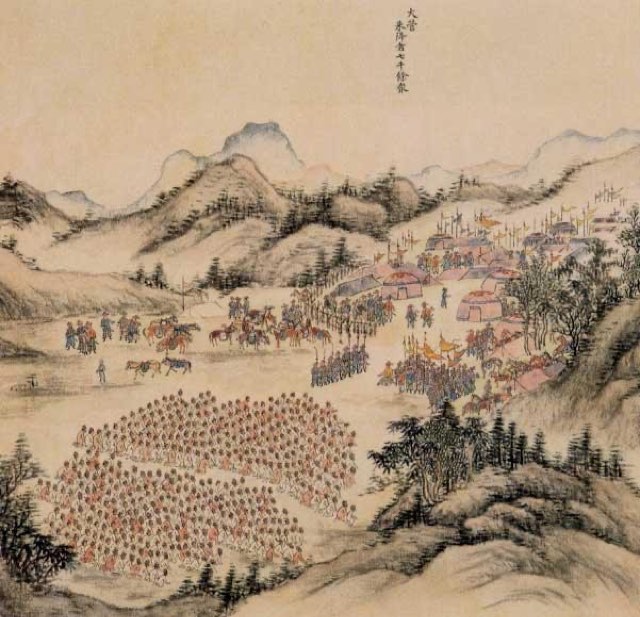
The Qing Dynasty was founded when the Manchu—a Tungusic people from what is now northeast China—overthrew the Ming dynasty in 1644. The Qing incorporated many elements of the former Ming state but also attempted institute a system of more direct rule through local officials. The Qing retained the civil service examination system and preserved the role of the scholar-gentry. Nevertheless, despite the Qing’s efforts to continue many Ming traditions and customs, tensions between the Manchu rulers and the native Han Chinese continued to exist. As the ruling minority, the Qing exercised their control over the Chinese majority by imposing a Queue Order—shaving the head except for a single long braid—and through literary censorship. The punishment for defying the Qing government—through literature or by growing one’s hair—was usually death. But by the eighteenth century, Qing control was showing signs of weakness. The examination system was plagued by corruption, with many wealthy families buying political posts or inheriting them. Money for internal improvements and other projects often ended up in the pockets of local bureaucrats. And several floods and famines only added to the political unrest and social strife that was brewing in the Qing state. Then, in 1796, the White Lotus Rebellion broke out between impoverished and overtaxed settlers and Manchu rulers. Although the Manchu eventually quelled the rebellion in 1804, the conflict killed 16 million people and shattered the image of an invincible Qing state.

The Manchu State
- The Grandeur of the Qing State and The Kangxi and Qianlong EmperorsColumbia University and The Metropolitan Museum of Art · Recording the Grandeur of the Qing · Maxwell K. Hearn and Madeleine Zelin · read · 1 h · archived copy
Economy and Society
- The Grandeur of the Qing EconomyColumbia University and The Metropolitan Museum of Art · Recording the Grandeur of the Qing · Madeleine Zelin · read · 1 h · archived copy
- K’ang Hsi’ The Sacred Edicts (1670)read · 15 min · archived copy
A Corrupt Examination System
- Wu Ching-tzu/Wu JingziRulin Waishi (The Scholars)Indiana University of Pennsylvania, Professor Alan Baumler · read · no longer online
Floods and Famine
- Qing China’s Internal Crisis: Land Shortage, Famine, Rural PovertyColumbia University · Asia for Educators’ · read · 30 min
About this course
This course is Saylor Academy's HIST241, Pre-Modern Northeast Asia, one of the complete university courses the Saylor Foundation made free from 2008 and retired in 2015. Saylor licensed its course text under CC BY 3.0; the original is on GitHub. Here it is laid out as chapters, links that have died go to an archived copy from the Internet Archive where one exists, assessments that needed a Saylor login are left out, and people and works are linked to Kulturbase. The readings and lectures belong to their publishers and are linked, not copied. Pictures: Wikimedia Commons, credited under each picture.
All Saylor courses · Free culture courses · The Chautauqua Reading Course