History · Saylor HIST362
Modern Revolutions
In the 1970s, the Chinese Communist leader Zhou Enlai was asked to assess the outcomes of the French Revolution of 1789. He supposedly answered: “It is too soon to say.” Though this story has a somewhat apocryphal status, it captures a fundamental truth about the world in which we live: it is a world which has been shaped by revolutions, and their legacies are always difficult to evaluate.
More about this course
In this course, you will gain a better understanding of the modern world by studying some of the most important political revolutions that took place between the 17th century and today. You will seek to understand the causes of each revolution, analyze the ideologies that inspired the revolutionaries, examine revolutionary uses of violence, and consider how historical revolutions still shape contemporary politics. Close and critical readings of historical sources will be crucial in this process. The course begins with a theoretical analysis of revolutions and a careful examination of pre-revolutionary Europe and the Enlightenment. Subsequent units examine the English Revolution of the 17th century; the American and the French Revolutions, which are often described as the crucible of modernity; the Mexican Revolution, which changed the history of Latin America; the Russian and the Chinese Revolutions, which sought to create Marxist states; the Iranian Revolution, which created an Islamic Republic; and finally, the Eastern European revolutions of 1989, which brought about radical changes without recourse to violence. By the end of the course, you will be able to identify commonalities and differences among these revolutions and understand how—individually and collectively—they transformed the modern world.
Upon successful completion of this course, the student will be able to: ? Provide a concise historical narrative of each of the revolutions presented in the course. ? Identify the origins and causes of each revolution, and compare revolutions with respect to their causes. ? Analyze the goals and ideals of the revolutionaries, and compare how these functioned in various modern revolutions. ? Discuss how revolutions in various parts of the world have affected women’s rights. ? Analyze how religious and secular worldviews came into conflict during times of upheaval and revolution. ? Discuss the patterns and dynamics of revolutionary violence, and evaluate how revolutionaries have used nonviolent tactics against oppressive regimes ? Evaluate connections between revolutionary ideologies and revolutionary events. ? Analyze how the legacies of each revolution are present in modern politics.. ? Describe and evaluate competing theoretical models of revolutionary change. ? Interpret primary historical documents.
In order to take this course, you must:
Chapter I
What is a Revolution?
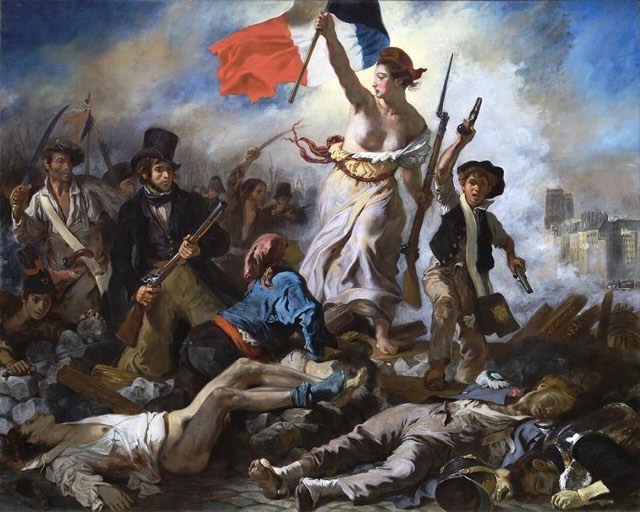
This unit will seek to answer the seemingly basic question: what is a revolution? Historians have debated this question since the great political revolutions of the 18th and 19th centuries. Most scholars will agree that dramatic transformations of political systems of a nation, often accompanied by violence, qualify as a revolution, but few agree about the fundamental factors that cause revolutions. In this unit, you will examine various types of revolutions and evaluate theoretical models that seek to explain the causes and consequences of revolutions. You will consider how such theoretical models help to make sense of history and how they sometimes hinder understanding.

Common Meanings
- Merriam-Webster Dictionarydo · 15 min · archived copy
Political Revolutions
- World Revolutions - Lecture 1ACosmoLearning · University of Houston · Professor Thomas O’Brien · watch · 15 min · archived copy
The Scientific Revolution
- The Scientific Revolution: Definition, Concept, and HistoryUniversity of Florida · Professor Robert H. Hatch · read · 15 min · archived copy
The Industrial Revolution
- Lecture 8 - Industrial RevolutionsAcademic Earth · Yale University · Professor John Merriman · watch · 1 h
“Revolt Against Positivism”
- Lecture 27: The Revolt Against the Western Intellectual Tradition: Friedrich Nietzsche and the Birth of ModernismDr. Steven Kreis’s The History Guide · Lectures on Modern European History · read · 30 min · archived copy
Theory and History: Influential Analytic Models for Interpreting Revolutionary Change
- World Revolutions - Lecture 1ACosmoLearning · University of Houston · Professor Thomas O’Brien · watch · 1 h · archived copy
Hanna Arendt’s Analysis of Revolutions
- Arendt’s On Revolution and Its Implications for Political SciencePolitics and Metapolitics · Arya Rejaee · read · 30 min · archived copy
Violent versus Nonviolent Revolutionary Change
- Velvet Revolution, The ProspectsThe New York Review of Books · Timothy Garton Ash · read · 1 h
- Unit 1 Quiz: Defining and Analyzing Revolutions and Unit 1 Quiz – Guide to RespondingThe Saylor Foundation · write · 1.5 h
Chapter II
Revolutions and Modernity
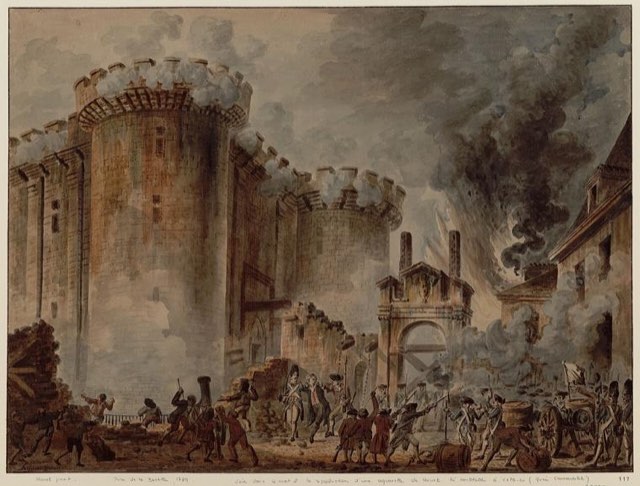
It is a commonplace among historians that the ‘modern age’ began with the French Revolution. Though there were revolutions in the ancient world, many argue that something radically new appeared in history at the end of the eighteenth century. In this unit, you will explore the connection between revolutions and modernity by focusing on the following questions: What was the western world like before modernity? What ideas inspired the French Revolution, and what was modern about them? Your analysis of pre-revolutionary Europe will also give you a point of comparison for later units, which turn to non-western revolutions.

French Absolutism in the Broader European Context
- Absolutism and the StateAcademic Earth · Yale University · Professor John Merriman · watch · archived copy
French Absolute Monarchy and Its Symbols
- Creating French Culture: Treasures from the Bibliothéque Nationale de France: The Rise and Fall of the Absolute MonarchyU.S. Library of Congress · read · 30 min
Tax Farming
- France’s Slow Transition from Privatized to Government-Administered Tax Collection: Tax Farming in the Eighteenth CenturyRutgers University · Professor Eugene N. White · read · 1 h · archived copy
The English Political System
- Lecture 3: Dutch and British ExceptionalismAcademic Earth · Yale University · Professor John Merriman · watch · archived copy
Religion and the State in Seventeenth-Century England
- England in the 17th CenturyUnion County College · Dr. Harold Damerow · read · 15 min · archived copy
Overview of the Most Important Themes and Characteristics of the Enlightenment
- The Enlightenment and the Public SphereAcademic Earth · Yale University · Professor John Merriman · watch · 1 h · archived copy
Jean Jacques Rousseau
- The Social Contract ExcerptsFordham University’s Internet Modern History Sourcebook · Paul Halsall’s version of Jean Jacques Rousseau · read · 1 h
Immanuel Kant
- What Is Enlightenment?Fordham University’s Internet Modern History Sourcebook · Paul Halsall’s version of Immanuel Kant’s 1784 Essay · read · 1 h
Marquis de Condorcet
- The Future Progress of the Human MindFordham University’s Internet Modern History Sourcebook · Paul Halsall’s version of Condorcet’s 1794 Essay · read · 1 h
The Transformation of European Life and Culture
- Modernity and HistoryKazys Varnelis · read · 30 min · archived copy
Modernization Theory: Europe and the World
- Modernization TheoryLearn Sociology · read · 1 h · archived copy
Competing Conceptions of Equality
- EqualityStanford Encyclopedia of Philosophy · Stefan Gosepath · read · 2 h
The Modern State and Violence
- Max Weber (1864-1920): The Rationalization of SocietyMatheiu Delfem’s Classical Sociological Theory · A Review of Themes, Concepts, and Perspectives · read · 30 min · archived copy
- Unit 2 Quiz: History and Modernity and Unit 2 Quiz – Guide to RespondingThe Saylor Foundation · write · 1.5 h
Chapter III
Seventeenth-Century England - Revolution or Civil War?
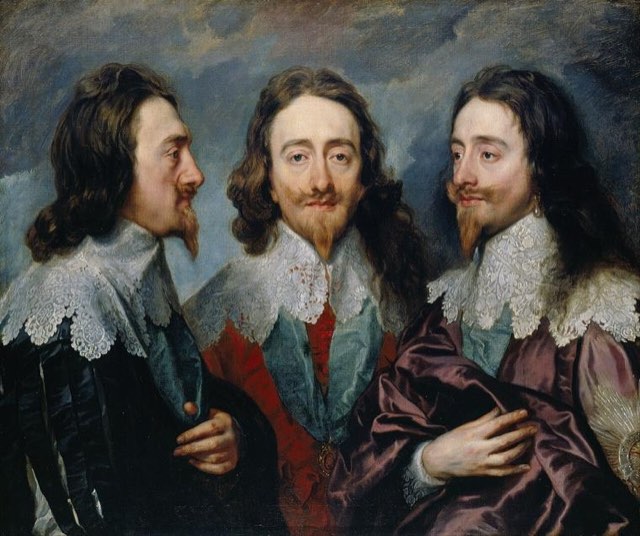
In this unit, you will study the English Revolution, or rather several waves of revolutionary events between 1640 and 1688, events which became an important inspiration for Enlightenment thinkers and for revolutionaries in America and France. The English Revolution was, however, an incomplete one in that it established a constitutional monarchy and not a republic. You will analyze the differences between civil war and revolution, the political and symbolic significance of beheading the king, and the hugely influential documents produced by the English revolutionaries.

Origins of the English Revolution
- World Revolutions – Lecture 2ACosmoLearning · University of Houston · Professor Thomas O’Brien · watch · 1 h · archived copy
Overview and Chronology
- Glorious RevolutionUnion County College · Dr. Harold Damerow · read · 1 h · archived copy
The English Civil War
- Lecture 7: The English Civil WarDr. Steven Kreis’s The History Guide · Lectures on Early Modern European History · read · 1 h · archived copy
- World Revolutions – Lecture 2BCosmoLearning · University of Houston · Professor Thomas O’Brien · watch · archived copy
Cromwell and the Protectorate
- The Protectorate of Oliver Cromwell, 1653-8 and University of Virginia: Kevin A. Creed’s The Pamphleteers Protestant Champion: Viewing Oliver Cromwell Through the Media of his DayUniversity of Wisconsin · Professor Johann Sommerville · read · 1.5 h · archived copy
Interregnum, Restoration, and the Glorious Revolution
- The Glorious RevolutionBBC’s British History In-depth · Dr. Edward Vallance · read · 15 min
The English Bill of Rights
- The English Bill of Rights of 1689Yale University · Lillian Goldman Law Library’s The Avalon Project · read · 30 min
John Locke
- Locke: Equality, Freedom, Property and the Right to DissentCosmoLearning · Yale University · Professor Ivan Szelenyi · watch · 1 h · archived copy
- A Letter Concerning Toleration (1689)University of Chicago’s version of John Locke · read · 1 h
Religious Toleration
- Persecution and Toleration in Protestant England 1558-1689Reviews in History · Keith Lindley’s Review of John Coffey · read · 1 h · archived copy
Marxist Interpretations
- The English Revolution 1640The Marxists Archive · Christopher Hill · read · 2 h
Legal Precedents and Ideals
- The Importance of the U.S. Constitution and the Bill of RightsGlobal Dialog Project · read · 30 min · archived copy
Political Possibilities Opened by the Revolutionary Events
- Unit 3 Quiz: The English Revolution and Unit 3 Quiz – Guide to RespondingThe Saylor Foundation · write · 1.2 h
Chapter IV
The American Revolution - Ideas and Experience
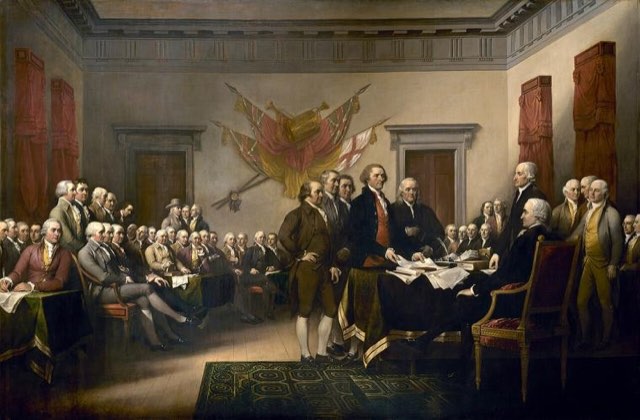
By the middle of the eighteenth century, Britain had colonies and trading posts throughout the world. It emerged victorious from the Seven Years’ War (1756-1763), but the war pushed it to impose new taxes on the American Colonies. This, in turn, provoked the colonists’ resistance, which eventually led to revolution and the creation of the United States. With time, the initially limited goals of greater local control over trade and taxes were replaced by calls for independence and creation of democratic institutions which would help govern the new nation. The American Revolutionary War (1775-1783) brought about complete separation from Britain, but there was no consensus regarding the institutions and values which should structure the newly independent state. As the Revolution proceeded, its leaders debated the nature of freedom and government, the best ways of structuring the state, the proper relationship between religion and politics, and other fundamentally important topics. Their views about all of these issues often reflected their fundamental beliefs and assumptions about human nature. In this unit, you will explore the American revolutionary experience, the creation of the United States, and the most important ideas and ideals which helped shape this time of rapid political and social transformation.

How to Study the American Revolution
- Introduction: Freeman’s Top Five Tips for Studying the American RevolutionAcademic Earth · Yale University · Professor Joanne Freeman · watch · 45 min · archived copy
Timeline and Key Problems of the Revolutionary Era
- The Era of the American Revolution 1763-1800Sage American History · Henry J. Sage · read · 30 min
- Timeline of the Revolutionary WarIndependence Hall Association · read · archived copy
Daily Life in the Colonies
- Being a British ColonistAcademic Earth · Yale University · Professor Joanne Freeman · watch · archived copy
British Policies after the Seven Years’ War
- History of England: British Policy toward the American Colonies (1760-1774)Library 4 History · Charles M. Andrews’ · read · 15 min · archived copy
Colonial Resistance
- Logic of ResistanceAcademic Earth · Yale University · Professor Joanne Freeman · watch · 1 h · archived copy
- Was the American Revolution Inevitable?BBC’s British History In-depth · Professor Francis D. Cogliano · read · 30 min
From Resistance to War and Independence
- World Revolutions - Lecture 3ACosmoLearning · University of Houston · Professor Thomas O’Brien · watch · 1 h · archived copy
- The American Revolution 1775-1777 and The American Revolution 1778-1783Sage American History: Henry J. Sage · read · 1 h
Competing Visions of the New State and the Constitution
- Keys to Understanding the Constitution: Important Points to RememberSage American History: Henry J. Sage · read · 30 min · no longer online
- Carol Berkin on the Federalists and AntifederalistsYouTube · The Gilder Lehrman Institute of American History · watch · 15 min
Thomas Paine and the Question of Independence
- Common SenseThomas Paine · read · 4.5 h
The Declaration of Independence, 1776
- The Declaration of IndependenceYale University · Lillian Goldman Law Library’s Avalon Project · read · 30 min
The Constitution of the United States, 1787
- Constitution of the United States: Bill of RightsYale University · Lillian Goldman Law Library’s Avalon Project · read · 15 min
Outcomes and Legacies: The American Political System and Historical Memory
- Being an American: The Legacy of the RevolutionAcademic Earth · Yale University · Professor Joanne Freeman · read · 1 h · archived copy
- Unit 4 Quiz: The American Revolution and Unit 4 Quiz – Guide to RespondingThe Saylor Foundation · write · 1.5 h
Chapter V
The French Revolution and the Birth of Modernity
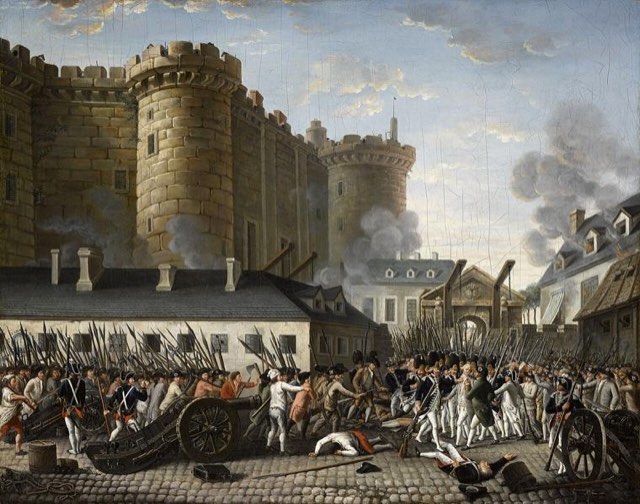
The French Revolution was perhaps the most important of modern revolutions. In this unit, you will analyze its causes, dynamics, ideologies, and legacies. During the course of the revolution, its leaders abolished the monarchy and altered most of France’s social and political institutions in order to make them more rational and more modern. They proclaimed a republic, instituted parliamentary elections, introduced educational reforms, created a new revolutionary calendar, and reorganized France’s electoral districts to make representation more democratic. The revolution, however, turned sharply away from its initial ideals when the new government began to use violence and terror to maintain its hold on power. By 1799 the revolution succumbed to Napoleon’s dictatorship. In what follows, you will examine the ideas that inspired the revolutionaries, the logic of revolutionary idealism and violence, and the relationship between Napoleon and the Revolution. You will also consider ways in which the struggle that started in France in 1789 continued in Europe in the 1830s, 40s, and 70s.

Social, Political, and Economic Origins
- French Revolution (Part I)Khan Academy · watch
- Modern and Contemporary European History: The French Revolution: Causes, Outcomes, Conflicting InterpretationsMount Holyoke College · Mr. Schwartz · read · 30 min · archived copy
- World Revolutions – Lecture 4ACosmoLearning · University of Houston · Professor Thomas O’Brien · watch · 1 h · archived copy
- Social Causes of the RevolutionGeorge Mason University · Roy Rosenzweig Center for History and New Media’s Liberty, Equality, Fraternity – Exploring the French Revolution · read · 30 min · archived copy
The Revolution and the Legacy of the Enlightenment
- Enlightenment and Human RightsGeorge Mason University · Roy Rosenzweig Center for History and New Media’s Liberty, Equality, Fraternity – Exploring the French Revolution · read · 30 min · archived copy
- Lecture 11: The Origins of the French RevolutionDr. Steven Kreis’s The History Guide · Lectures on Early Modern European Intellectual History · read · 1 h · archived copy
- The Influence of the Enlightenment on the French Revolution18th Century History · Rick Brainard · read · 30 min · archived copy
The Chronology of Revolutionary Events: From Estates General to Napoleon
- Principal Dates and Time Line of the French RevolutionMarxists Internet Archive · read · 1 h
Popular Protest and the Problem of Political Authority
- World Revolutions – Lecture 4BCosmoLearning · University of Houston · Professor Thomas O’Brien · watch · archived copy
- Monarchy EmbattledGeorge Mason University · Roy Rosenzweig Center for History and New Media’s Liberty, Equality, Fraternity – Exploring the French Revolution · read · 30 min · archived copy
Rights, Freedoms, and Duties in Revolutionary Documents
- The Declaration of the Rights of Man and CitizenYale University · Lillian Goldman Law Library’s Avalon Project · read · 30 min
- Admission of Jews to Rights of Citizenship, 27 September 1791 and Olympe de Gouges’ The Declaration of the Rights of Woman (September 1791)George Mason University · Roy Rosenzweig Center for History and New Media’s Liberty, Equality, Fraternity – Exploring the French Revolution · read · 30 min · archived copy
The Republic
- French Revolution (Part 2)Khan Academy · watch
- Paris and the Politics of Revolution and The Monarchy FallsGeorge Mason University · Roy Rosenzweig Center for History and New Media’s Liberty, Equality, Fraternity – Exploring the French Revolution · read · 1 h · archived copy
- Constitution of 1793George Mason University · Roy Rosenzweig Center for History and New Media’s Liberty, Equality, Fraternity – Exploring the French Revolution · read · 30 min · archived copy
Robespierre and The Reign of Terror
- French Revolution (Part 3)—Reign of TerrorKhan Academy · watch
- Maximilien Robespierre and the French RevolutionYale University · Professor John Merriman · watch · 15 min · archived copy
- War, Terror, and ResistanceGeorge Mason University · Roy Rosenzweig Center for History and New Media’s Liberty, Equality, Fraternity – Exploring the French Revolution · read · 1 h · archived copy
Thermidorean Reaction and the Directory
- The Eleventh of ThermidorGeorge Mason University · Roy Rosenzweig Center for History and New Media’s Liberty, Equality, Fraternity – Exploring the French Revolution · read · archived copy
Napoleon Bonaparte’s Dictatorship: Fulfillment or Betrayal of the Revolution?
- Brumaire: Bonaparte’s Justification and The Napoleonic ExperienceGeorge Mason University · Roy Rosenzweig Center for History and New Media’s Liberty, Equality, Fraternity – Exploring the French Revolution · read · 1 h · archived copy
- French Revolution (Part 4)—The Rise of Napoleon BonaparteKhan Academy · watch
Social, Political, and Cultural Legacies
- Legacies of the RevolutionGeorge Mason University · Roy Rosenzweig Center for History and New Media’s Liberty, Equality, Fraternity – Exploring the French Revolution · read · 1 h · archived copy
The Napoleonic Code, Centralization, and Rationalization of State Administration
- The French Civil Code (1804)George Mason University · Roy Rosenzweig Center for History and New Media’s Liberty, Equality, Fraternity – Exploring the French Revolution · read · 15 min · archived copy
The Revolutions of 1830
- France 1830 (1) – Restoration and France 1815-1830 (2) – Charles XYouTube · Winchester University Journalism Program · Lectures · watch · 30 min
The Revolutions of 1848
- Why No Revolution in 1848 BritainAcademic Earth · Yale University · Professor John Merriman · watch · archived copy
The Paris Commune
- History of the Paris CommuneMarxists Internet Archive · read · 30 min
Echoes of the Revolution throughout the World
- Slavery and the Haitian RevolutionGeorge Mason University · Roy Rosenzweig Center for History and New Media’s Liberty, Equality, Fraternity – Exploring the French Revolution · read · 30 min · archived copy
- Unit 5 Quiz: The French Revolution and Unit 5 Quiz – Guide to RespondingThe Saylor Foundation · write · 1.5 h
Chapter VI
Revolutionary Mexico and the Legacies of Colonialism
In many ways, the Mexican Revolution of 1910 represented the culmination of a century of political and social conflict in Latin and South America, following independence from Spanish and Portuguese colonial rule. While Mexico had ostensibly become a democracy after it separated from Spain, the nation’s political, economic, and social institutions were dominated by wealthy elites. Lower and middle-class Mexicans had little political power and constantly faced oppression by corrupt landlords and political officials. The Mexican Revolution initially began as an upper-middle-class political conflict between the nation’s long-time president, Porfirio Diaz, and political challenger Francisco Madero, but it gradually expanded to encompass all classes of Mexican society. The conflict eventually led to Diaz’s fall from power, but a series of coups and counter-coups prevented the return of stable government. Poor farmers and indigenous peoples also took advantage of revolutionary chaos to challenge the political and economic power of wealthy landlords and local officials. Political and social order was gradually restored to Mexico by the early 1930s, after Mexico’s new president Lazaro Cardenas implemented a number of social reforms designed to address some of the extreme social and economic inequalities in the nation. In this unit, you will analyze the origins of the Mexican Revolution and examine how it affected all aspects of Mexican society. You will also explore the broader consequences of the revolution for the people and political institutions of Mexico, Latin America, and South America.
The Legacy of Colonialism
- Lecture 1: The Colonial Heritage of Independent Latin AmericaVimeo · Oberlin College · Professor Steven Volk’s Latin America · State and Nation since Independence · watch · 1 h
Independence Movements
- Lecture 2: Shaping Latin American Independence: Force and the StateVimeo · Oberlin College · Professor Steven Volk’s Latin America · State and Nation since Independence · watch · 45 min
- Independence in Latin America - A ChronologyDickinson College · Professor Marcelo J. Borges’ · read · 15 min · archived copy
The End of the Spanish Empire
- The Spanish-American War: IntroductionHispanic Division of the Library of Congress · The World of 1898 · read · 30 min
Society, Politics, and the Catholic Church in the Nineteenth Century
- World Revolutions – Lecture 6ACosmoLearning · University of Houston · Professor Thomas O’Brien · watch · 1 h · archived copy
Rural Life and Mexico’s Peasants
- The Mexican RevolutionUniversity of Manchester Department of Social Anthropology and the ERA Consortium’s Peasant Social Worlds and Their Transformations · read · 2 h · archived copy
Colonial Legacies and the Mexican Economy
- Down from Colonialism: Mexico’s 19th Century CrisisThe Historical Text Archive · Jamie O. Rodríguez · read · 1 h
Mexican Liberalism and the Rise of Porfirio Díaz
- Lecture 12: Mexican Liberalism - From Juarez to the PorfiriatoVimeo · Oberlin College · Professor Steven Volk’s Latin America · State and Nation since Independence · watch
Corruption of the Diaz Regime
- Lecture 13: The PorfiriatoVimeo · Oberlin College · Professor Steven Volk’s Latin America · State and Nation since Independence · watch
The Revolution and Twentieth-Century Mexico
- Lecture 14: The Five Mexican RevolutionsVimeo · Oberlin College · Professor Steven Volk’s Latin America · State and Nation since Independence · watch · 45 min
The Armed Phase of the Revolution 1910-1920
- World Revolutions – Lecture 6BCosmoLearning · University of Houston · Professor Thomas O’Brien · watch · 1 h · archived copy
- Mexican Revolution Timeline 1910-1920MexicanHistory.org · read · 30 min · archived copy
Madero’s Rebellion and Presidency
- The Revolution 1910-1920U.S. Library of Congress · Tim L. Merrill and Ramón Miró’s (eds.) Mexico · A Country Study · read · 20 min
- Madero, Francisco IThe Historical Text Archive · Rosa Maria Stoops’ · read · 25 min
Agrarian Revolutionaries – Emiliano Zapata’s Challenge to the Madero Government
- Plan of AyalaThe Historical Text Archive · Joseph Judge’s analysis of the · read · 30 min
- Plan of Ayala (November 28, 1911)The Historical Text Archive’s Version of Emiliano Zapata · read · 30 min
Huerta’s Coup d’état
- Huerta’s DictatorshipU.S. Library of Congress · Tim L. Merrill and Ramón Miró’s (eds.) Mexico · A Country Study · read
- Huerta, Victoriano: Excellent General or Terrible Tyrant?The Historical Text Archive · Josh Burnham · read · 20 min
The Victory of the Constitutionalists and Carranza’s Leadership
- The Constitution of 1917 and Carranza’s PresidencyU.S. Library of Congress · Tim L. Merrill and Ramón Miró’s (eds.) Mexico · A Country Study · read · 30 min
Mexico’s Constitution of 1917: Individual Rights
- Title 1, Chapter 1: Individual GuaranteesThe Historical Text Archive · Mexico · 1917 Constitution (Becker version) · read · 2 h
Mexico’s Constitution of 1917: Securing the Dignity of Labor and the Question of Economic Rights
- Title VI: Labor and Social SecurityThe Historical Text Archive · Mexico · 1917 Constitution (Becker version) · read · 45 min
The Obregon Presidency: Restoration of Political Stability
- The Obregón Presidency, 1920-24U.S. Library of Congress · Tim L. Merrill and Ramón Miró’s (eds.) Mexico · A Country Study · read · 15 min
Religion and the Mexican Revolution
- Political Catholicism in Revolutionary Mexico, 1900-1926Kellogg Institute for International Studies · Professor Robert Curley · read · 3 h · archived copy
- Mexico’s 1917 Constitution (Becker version)The Historical Text Archive · do · 30 min
Economic Reforms
- The Legacy and Promise of the Mexican RevolutionYouTube · UCLA · Mr. Cuauhtémoc Cárdenas · watch
Liberal Democracy and One-Party Rule
- The Calles Presidency, 1924-48, The Maximato, Cardenismo and the Revolution Rekindled and Institutional Revolutionary Party (PRI)U.S. Library of Congress · Tim L. Merrill and Ramón Miró’s (eds.) Mexico · A Country Study · read · 1 h
Regional and International Consequences
- Mexican Revolution and the Great War Reading: International World History Project: Peter N. Stearns, Michael Adas, and Stuart B. Schwartz’s Mexican Revolution and the Great WarInternational World History Project · Peter N. Stearns, Michael Adas, and Stuart B. Schwartz · read · 30 min · archived copy
Cultural Legacies
- Documenting the Revolution – Casasola and CorridoArizona State University · Dr. Celestino Fernández · read · archived copy
- Unit 6 Quiz: The Mexican Revolution and Unit 6 Quiz – Guide to RespondingThe Saylor Foundation · write · 1.5 h
Chapter VII
Revolutionary Russia – Marxist Theory and Agrarian Realities
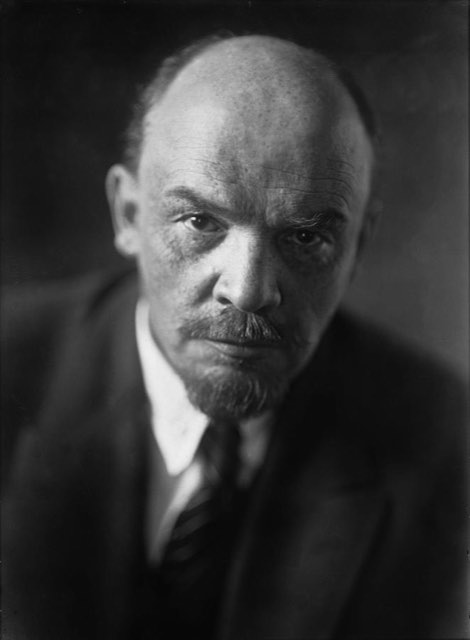
The revolutions of 1905 and 1917 reshaped Russia’s political institutions and led to nearly a century of conflict with the West. During the 1905 revolution, Russian liberals challenged the absolute authority of the Russian tsar. A broad revolutionary coalition of workers and middle-class Russians used economic and political means to demand democratic concessions from the Russian state. While these gains were temporary, they served as an inspiration for later revolutionaries. At the height of World War One in 1917, a coalition of Russian liberals and socialists once again challenged Russia’s autocratic government. Through a series of general strikes and political protests in February of 1917, they forced the abdication of Tsar Nicholas II. Liberal leaders established a weak provisional national government, while socialist officials organized local soviets, or political councils, of workers in Russia’s industrial communities. These political bodies soon came into conflict. By October of 1917, the Bolshevik Party, a Communist organization under the leadership of Vladimir Lenin, staged a revolution against the provisional government and seized control of the state. The Bolsheviks used military force to consolidate power and establish control over local soviets. Throughout the 1920s, Lenin and his successor Joseph Stalin imposed Communism on Russia’s political, economic, and social institutions. Communist leaders also attempted to export the revolution to the West by supporting Communist political organizations in Europe and the United States.

The Russian Empire and the Problem of Modernization
- World Revolutions – Lecture 7ACosmoLearning · University of Houston · Professor Thomas O’Brien · watch · 1 h · archived copy
The 1890s: Fast Industrialization and Its Social Costs
- Glenn E. Curtis’s (ed.) Russia: A Country Study: Transformation of Russia in the Nineteenth CenturyU.S. Library of Congress · read · 30 min
Russian Orthodoxy: the Church and the State
- The Russian Orthodox ChurchU.S. Library of Congress · Glenn E. Curtis’s (ed.) Russia · A Country Study · read · 30 min
The Changing International Situation and the Breakdown of European Alliances
- Glenn E. Curtis’s (ed.) Russia: A Country Study: Transformation of Russia in the Nineteenth CenturyU.S. Library of Congress · read · 30 min
The Russo-Japanese War of 1904-5
- Glenn E. Curtis’s (ed.) Russia: A Country Study: Transformation of Russia in the Nineteenth CenturyU.S. Library of Congress · read · 30 min
Chronology of the Nineteenth Century and the Revolutionary Events: 1825 – 1924
- Chronology of Russian RevolutionUniversity of Arizona · Professor David Ortiz, Jr. · read · archived copy
Manifesto of the Communist Party: London, 1848
- Manifesto of the Communist Party: Preamble and Chapter I: Bourgeois and ProleteriansMarxists Internet Archive · Samuel Moore and Frederick Engels’s 1888 version of the · read · 1 h
The Duma and Russian Liberalism
- The Last Years of the AutocracyU.S. Library of Congress · Glenn E. Curtis’s (ed.) Russia · A Country Study · read · 45 min
The Revolutionary Coalition: Competing Groups and Their Aims
- Programme of the Social-Democratic Workers’ Party and The Menshevik PartyThe Marxists Archive · Russian Social-Democratic Labour Party Second Congress’ · read · 30 min
The October Manifesto and Political Compromise
- Manifesto of 17 October 1905Durham University · Russian History Home Page · Russian History 1905-1930 · read · 15 min · archived copy
The Revolutions of 1917
- The Deepening of the Russian Revolution 1917MIT · do · 1 h
February: Abdication of the Tsar and Establishment of the Provisional Government
- Modern Civilization 1750-Present, Lecture 12YouTube · UCLA · read
Competing for Authority: The Kerensky Government and the Soviets
- Revolutions and Civil WarU.S. Library of Congress · Glenn E. Curtis’s (ed.) Russia · A Country Study · read · 30 min
- April ThesesThe Marxist Internet Archive’s version of V.I. Lenin · read · 45 min
October 1917 – The Bolshevik Seizure of Power
- Revolutions and Civil WarU.S. Library of Congress · Glenn E. Curtis’s (ed.) Russia · A Country Study · read · 10 min
- Declaration of the Rights of the Toiling and Exploited PeoplesDurham University · Russian History Home Page · Russian History 1905-1930 · read · 20 min · archived copy
Civil War and the Peace Treaty with Germany
- Revolutions and Civil WarU.S. Library of Congress · Glenn E. Curtis’s (ed.) Russia · A Country Study · read · 15 min
Revolutionary Terror and Violence
- On the Organization of and Extraordinary Commission to Fight Counter Revolution, Letter to Dzerzhinskii, December 19, 1917Durham University · Russian History Home Page · Russian History 1905-1930 · Vladmir Illyich Lenin (1870-1924) · read · 15 min · archived copy
- The State and Revolution ExcerptsFordham University’s Internet Modern History Sourcebook · Paul Halsall’s version of Vladimir Illyich Lenin · read · 1 h
Consolidation of Power and Building the First Communist State
- World Revolutions – Lecture 7BCosmoLearning · University of Houston · Professor Thomas O’Brien · watch · 1 h · archived copy
- The Era of the New Economic PolicyU.S. Library of Congress · Glenn E. Curtis’s (ed.) Russia · A Country Study · read · 30 min
1945 and the Iron Curtain – Creation of the Soviet Bloc
- Eastern Europe 1945-56 and Czechoslovakia 1968The University of Kansas · Dr. Anna M. Cienciala’s Nationalism and Communism in East Central Europe · Lecture 17 · read · 1 h · archived copy
Cold War and the Nuclear Arms Race
- Cold War: A Brief HistoryThe Atomic Archive · read · 30 min
- Unit 7 Quiz: The Russian Revolution and Unit 7 Quiz – Guide to RespondingThe Saylor Foundation · write · 1.5 h
Chapter VIII
Two Revolutions in China - Liberalism and Marxism in a New Context
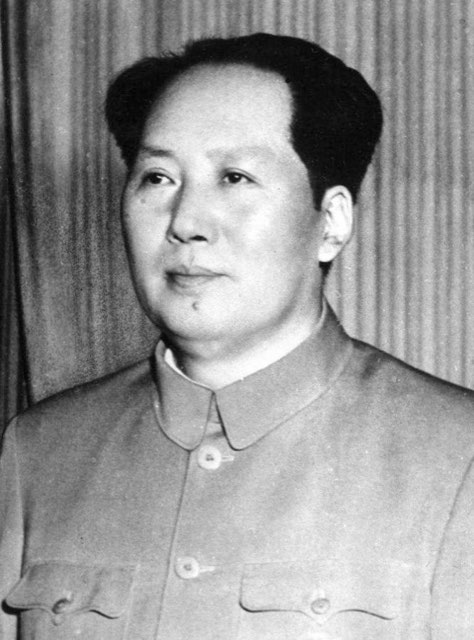
In the twentieth century, China experienced two revolutions which dramatically reshaped its social and political institutions. In 1911, nationalist forces overthrew the Qing Dynasty and established a republican government. The experiment with democracy did not last long and the nation soon fell into anarchy. Throughout the 1920s and 1930s, the revolutionary Chinese Communist Party battled Chinese Nationalists for political control over major regions of the country. Both sides agreed to a truce in order to respond to the Japanese invasion of China in the late 1930s, but the Communists and the Nationalists resumed their civil war following the end of the Second World War in 1945. In 1949, Mao Zedong’s communist forces defeated the Nationalist forces and established a communist government in China. Communist policies resulted in large-scale land reforms and the government instituted dramatic industrial development initiatives. While these policies contributed to China’s remarkable economic development, they also resulted in the suffering and death of millions of Chinese citizens. In this unit, you will investigate how China’s 20th-century revolutions altered the nation politically, economically, and socially. You will also evaluate the international consequences of these revolutions and their broader implications for global history.

China: Social, Historical, and Political Background
- Introduction to China’s Modern HistoryColumbia University · Asia for Educators’ · read · 30 min
- World Revolutions – Lecture 8ACosmoLearning · University of Houston · Professor Thomas O’Brien · watch · 1 h · archived copy
Xinhai Revolution and Its Failure: 1911 - 1927
- Foreign Models for a Chinese RepublicHarvard Extension School Open Learning Initiative · Chinese Studies Online Courses · Traditions and Transformations. Dr. Peter K. Bol and William C. Kirby’s Lecture 26 · read · archived copy
The Attempt to Establish a Republic
- The Republican Revolution of 1911 and Republican ChinaU.S. Library of Congress · Robert L. Worden, Andrea Matles Savada, and Ronald E. Dolan’s (eds.) · China · A Country Study · read · 30 min
Conflicts between Communists and Nationalists
- World Revolutions – Lecture 8BCosmoLearning · University of Houston · Professor Thomas O’Brien · watch · archived copy
- Nationalism and CommunismU.S. Library of Congress · Robert L. Worden, Andrea Matles Savada, and Ronald E. Dolan’s (eds.) · China · A Country Study · read · 20 min
- Selections from A Program of National Reconstruction: The Three Stages of Revolution (1918)Columbia University · Asia for Educators’ version of Sun Yat-sen · read · 15 min · archived copy
The May Fourth Movement
- Before and After the May Fourth MovementColumbia University · Asia for Educators’ · read · 30 min
The Long March
- The Long March (1934-1936)Columbia University · Asia for Educators’ · read · 30 min
Suspension of Hostilities during the Japanese Invasion
- Anti-Japanese WarU.S. Library of Congress · Robert L. Worden, Andrea Matles Savada, and Ronald E. Dolan’s (eds.) · China · A Country Study · read · 15 min
Return to Civil War
- Return to Civil WarU.S. Library of Congress · Robert L. Worden, Andrea Matles Savada, and Ronald E. Dolan’s (eds.) · China · A Country Study · read · 15 min
Victory of Communist Forces and Consolidation of the New Government
- The People’s Republic of China and The Transition to Socialism, 1953-57U.S. Library of Congress · Robert L. Worden, Andrea Matles Savada, and Ronald E. Dolan’s (eds.) · China · A Country Study · read · 30 min
Mao Zedong’s Political and Economic Objectives
- Mao Zedong: Biographical and Political ProfileColumbia University · Asia for Educators’ · read · 15 min
- Commonly Read Speeches and Writings of Mao Zedong (1927-1945)Columbia University · Asia for Educators’ · read · 30 min
Tensions between Communism and Traditional Religion in China
- 20th Century: Communism and Internal Challenges to TraditionColumbia University · Asia for Educators’ · read · 15 min
Chinese-Soviet Relations and the Cold War
- IntroductionPrinceton University Press · Lorenz M. Lüthi’s The Sino-Soviet Split · Cold War in the Communist World · read · 1 h · archived copy
Agrarian Land Reforms and Terror Campaigns against Enemies of the State
- The Cultural Revolution Series – An OverviewRadio86.com · All About China · read · 30 min · no longer online
Development Plans
- The Great Leap Forward, 1958-60U.S. Library of Congress · Robert L. Worden, Andrea Matles Savada, and Ronald E. Dolan’s (eds.) · China · A Country Study · read · 30 min
Social and Cultural Consequences
- The Cultural Revolution 1966-1976U.S. Library of Congress · Robert L. Worden, Andrea Matles Savada, and Ronald E. Dolan’s (eds.) · China · A Country Study · read · 30 min
Economic and Social Consequences
- Capitalism, Socialism, and the 1949 Chinese Revolution: What Was the Cold War All about?Mount Holyoke College · Dr. Satya J. Gabriel · read · 1 h · archived copy
- Unit 8 Quiz: The Chinese Revolution and Unit 8 Quiz – Guide to RespondingThe Saylor Foundation · write · 1.5 h
Chapter IX
Revolution and Religion - The Islamic Republic of Iran
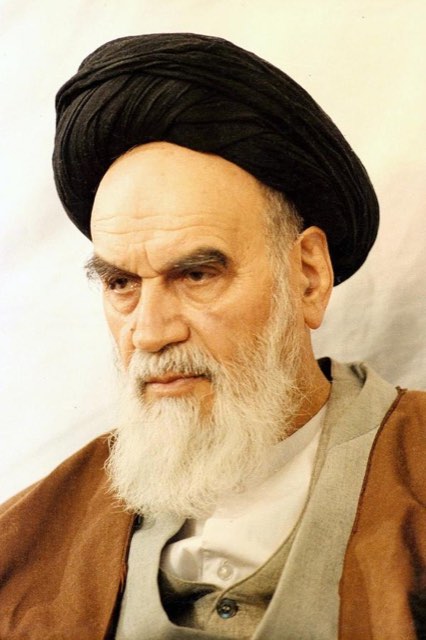
Iran’s Islamic Revolution of 1978-1979 shared similarities with other 20th century revolutions, but religion played a central role in the revolutionary events. In the late 1970s, a broad coalition of religious leaders, students, workers, and middle-class Iranians challenged the political power of Shah Mohammad Reza Pahlavi, Iran’s secular, autocratic leader. A series of strikes and demonstrations in 1978 forced the Shah to flee Iran. Following his departure, Iran’s theocratic leaders appointed Ayatollah Ruhollah Khomeini as the new supreme religious leader of the Islamic Republic of Iran. Khomeini consolidated power by arresting and persecuting members of the secular political groups that had initially supported the revolution. As with the Shah, Khomeini did not tolerate political or social dissent. He used state institutions to eliminate dissent and impose a fundamentalist, socio-religious political system on the nation.

Origins of the Iranian Revolution
- World Revolutions – Lecture 12ACosmoLearning · University of Houston · Professor Thomas O’Brien · watch · 1 h · archived copy
Iran in the Broader Regional Context
- Lecture 23: Iran under the ShahsiTunes U · Columbia University · Richard Bulliet’s W3719 History of the Modern Middle East · read · 1 h · archived copy
Religious Background of the Iranian Revolution
- The Religious Background of the 1979 Revolution in IranReligious Studies and Baha’i Studies · Dr. Moojan Momen · read · 1 h · archived copy
Class and Economic Factors
- Class Analysis of the Iranian Revolution of 1979Mount Holyoke College · Satya J. Gabriel · read · 1 h · archived copy
Diverse Currents in Twentieth-Century Islam
- Islamic WorldviewUniversity of Notre Dame · Professor A. Rashied Omar’s Islamic Ethics of War and Peace · Lecture 1 · read · 30 min · archived copy
Revolutionary Events
- World Revolutions – Lecture 12BCosmoLearning · University of Houston · Professor Thomas O’Brien · watch · archived copy
- Lecture 23: Iran under the ShahsiTunes U · Columbia University · Richard Bulliet’s W3719 History of the Modern Middle East · watch · 1 h · archived copy
Formation of a Broad Revolutionary Coalition and Collapse of the Pahlavi Dynasty
- The Coming of the Revolution and The Bakhtiar GovernmentU.S. Library of Congress · Helen Chapin Metz’s (ed.) Iran · A Country Study · read · 45 min
Organization of the Theocratic Islamic Republic
- The Revolution, The New Constitution, and The Bani Sadr PresidencyU.S. Library of Congress · Helen Chapin Metz’s (ed.) Iran · A Country Study · read · 1 h
Consolidating the Revolution
- Terror and Repression and Consolidation of the RevolutionU.S. Library of Congress · Helen Chapin Metz’s (ed.) Iran · A Country Study · read · 1 h
Ayatollah Khomeini’s “Islamic Government”
- The Form of Islamic GovernmentIran Chamber Society’s version of Ayatullah Ruhallah Khomeini’s Islamic Government · read · 45 min
Khomeini on Women in Islam
- The Position of Women from the Viewpoint of Imam KhomeiniIran Chamber Society · read · 45 min
The Revolution and the Status of Women
- Iranian Women Between Resistance and RepressionFora.tv Conference Center · Dr. Haleh Esfandiari · watch · archived copy
- Unit 9 Quiz: The Iranian Revolution and Unit 9 Quiz – Guide to RespondingThe Saylor Foundation · write · 1.2 h
Chapter X
1989 – Nonviolence and the End of The Cold War
In the mid 1980s, the Soviet Union underwent extensive political and economic reforms known as Glasnost and Perestroika. During this time, democracy advocates in many East European nations within the Soviet Bloc began to openly challenge communist authorities and communist rule. The governments initially attempted to suppress this opposition, but many gradually recognized the futility of the effort. In 1989, a series of mostly non-violent revolutions swept the Warsaw Pact nations of Eastern Europe and effectively ended communist rule in these countries. Provisional democratic governments took control and began making arrangements for free and open elections. Meanwhile, in the summer of 1989, Chinese democracy advocates, inspired by the revolutions in Eastern Europe, staged a major protest in Tiananmen Square. The Chinese government eventually used police and military forces to violently put down the democracy movement and reestablish firm communist control of the nation. For the Soviet Union, the Eastern European revolutions of 1989 led to a gradual thawing of relations with the West. In 1991, conservative communist officials in Russia attempted to stage a coup and regain control of the state. The people of Moscow successfully resisted their efforts, but the coup attempt revealed the declining power of the party. In December of 1991, the Soviet Union was officially disbanded and Russia’s long experiment with Communism came to an end.
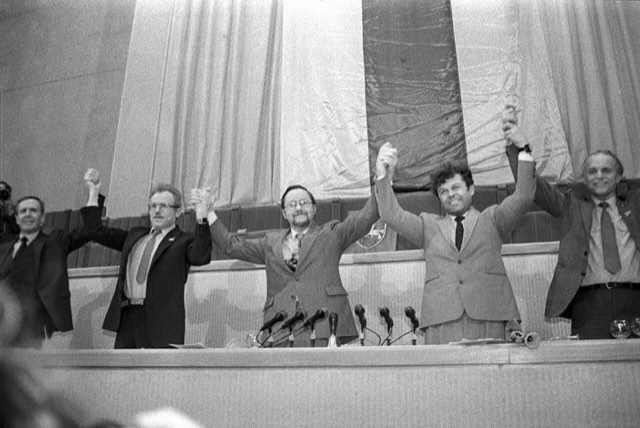

Nonviolent Revolution in Eastern Europe – Historical Background
- Origins of Change in Eastern EuropeGeorge Mason University · Roy Rosenzweig Center for History and New Media’s Making the History of 1989 · read · 30 min · archived copy
- Introduction and Paths to 1989American.gov Archive · The Berlin Wall · 20 Years Later · read · 30 min · archived copy
The Soviet Union between World War II 1992
- Lecture 16: 1989: The Walls Came Tumbling DownDr. Steven Kreis’s The History Guide · Lectures on Early Modern European Intellectual History · read · 1 h · archived copy
Soviet Bloc Countries between 1945 and 1968
- Eastern Europe 1945-56 and Czechoslovakia 1968University of Kansas · Dr. Anna M. Cienciala’s Nationalism and Communism in East Central Europe · Lecture 17 · watch · 1 h · archived copy
Dissident Movements and Transformation of the Soviet Bloc Countries before 1980
- Poland 1956-81 and Lecture 18B Hungary, Czechoslovakia, and East Germany 1968-1980; The Balkans, 1948-1980University of Kansas · Dr. Anna M. Cienciala’s Nationalism and Communism in East Central Europe · Lecture 18A · watch · 2 h · archived copy
The Final Decade of Communism in Eastern Europe
- Toward the Collapse of Communism and Dr. Steven Kreis’s The History Guide: Lectures on Early Modern European Intellectual History: Lecture 16: 1989: The Walls Came Tumbling DownUniversity of Kansas · Dr. Anna M. Cienciala’s Nationalism and Communism in East Central Europe · Lecture 19A · watch · 1 h · archived copy
Revolutionary Events: Commonalities and Local Differences
- The Collapse of Communism in Eastern Europe, 1989University of Kansas · Dr. Anna M. Cienciala’s Nationalism and Communism in East Central Europe · Lecture 19B · read · 1 h · archived copy
Poland
- Geremek on Solidarity’s Strategy of Restraint in the Spring of 1989George Mason University · Roy Rosenzweig Center for History and New Media’s Making the History of 1989 · read · 20 min · archived copy
Hungary
- Record of Conversation between Representative of the Opposition Roundtable and Boris StukalinGeorge Mason University · Roy Rosenzweig Center for History and New Media’s Making the History of 1989 · read · 20 min · archived copy
East Germany
- Bonn Embassy Cable, The German Question and ReunificationGeorge Mason University · Roy Rosenzweig Center for History and New Media’s Making the History of 1989 · read · 20 min · archived copy
- I Will Remember That Day All My LifeAmerican.gov Archive · The Berlin Wall · 20 Years Later · Adam Michnik · read · 30 min · archived copy
Czechoslovakia
- Vaclav Havel’s First New Year’s Presidential Address to the Nation – January 1, 1990George Mason University · read · 30 min · archived copy
Romania
- Romania – Letter of the Six, March 1989George Mason University · Roy Rosenzweig Center for History and New Media’s Making the History of 1989 · read · 30 min · archived copy
Outcomes of Eastern European Revolutions
- Central and Eastern Europe since the Fall of CommunismUniversity of Kansas · Dr. Anna M. Cienciala’s Nationalism and Communism in East Central Europe · Lecture 20A · read · 2 h · archived copy
- Unit 10 Quiz: 1989 – Nonviolence and the End of the Cold War and Unit 10 Quiz – Guide to RespondingThe Saylor Foundation · write · 1.2 h
Chapter XI
Revolutions in Perspective
This unit provides a critical overview of the revolutions examined in this course. It returns to broad questions about revolutions and contemporary realities: how have revolutions shaped the modern world? Is violence a necessary component of revolutionary change? What are the connections between revolutionary ideas and revolutionary action? Are deteriorating economic conditions the most important cause of revolutionary unrest or can other factors take precedence? Approaching the material in this unit with these questions in mind will help you trace the commonalities, differences, and linkages among modern revolutionary movements. By studying the historiographical essays and analyses included in this unit, you will also return to the problem of identifying useful theoretical models of revolutionary change and confronting these with existing historical evidence. Finally, you will identify and analyze ways in which contemporary politics throughout the world still show traces of revolutionary legacies.
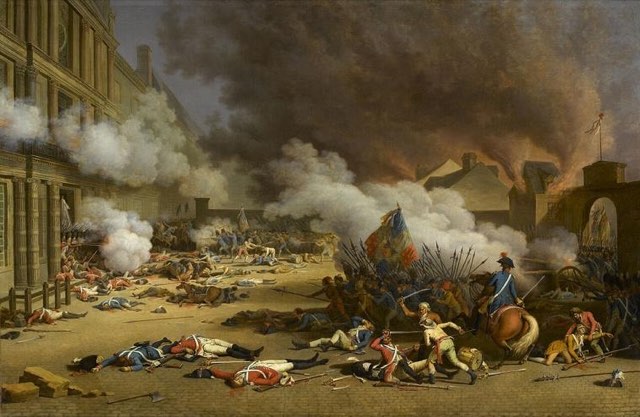

Select Problems from the Historiography of Modern Revolutionary Movements
- Select Problems from the Historiography of Modern Revolutionary Movementswatch · 1 h · archived copy
Is the Era of Revolutions Over?
- World Revolutions – Lecture 13BCosmoLearning · University of Houston · Professor Tomas O’Brien · watch · 1 h · archived copy
- Unit 11 Quiz: Revolutions in Perspective and Unit 11 Quiz – Guide to RespondingThe Saylor Foundation · write · 1 h
About this course
This course is Saylor Academy's HIST362, Modern Revolutions, one of the complete university courses the Saylor Foundation made free from 2008 and retired in 2015. Saylor licensed its course text under CC BY 3.0; the original is on GitHub. Here it is laid out as chapters, links that have died go to an archived copy from the Internet Archive where one exists, assessments that needed a Saylor login are left out, and people and works are linked to Kulturbase. The readings and lectures belong to their publishers and are linked, not copied. Pictures: Wikimedia Commons, credited under each picture.
All Saylor courses · Free culture courses · The Chautauqua Reading Course