History · Saylor HIST363
Global Perspectives on Industrialization
This course will focus on the emergence and evolution of industrial societies around the world. We will begin by comparing the legacies of industry in ancient and early modern Europe and Asia and examining the agricultural and commercial advances that laid the groundwork for the Industrial Revolution of the 18th and 19th centuries.
More about this course
We will then follow the history of industrialization in different parts of the world, taking a close look at the economic, social, and environmental effects of industrialization. The course is organized chronologically and thematically. Each unit will focus on key developments in the history of industry as well as on representative areas of the globe, using primary-source documents, secondary readings, and multimedia resources to illustrate the dynamic nature of industrial change. By the end of the course, you will understand how industrialization developed, spread across the globe, and shaped everyday life in the modern era.
Upon successful completion of this course, students will be able to:
In order to take this course, you must:
Chapter I
Industrialization and Theories of Economic Change
In the late 18th century, the world economy embarked on a rapid process of change. During this Industrial Revolution, new technologies greatly magnified the productivity of workers, while fossil fuels pushed manufacturing and transportation systems far beyond the natural limits of human and animal power. As these advances drove the cost of industrial production down, consumption of manufactured goods skyrocketed around the world. By the end of the 19th century, nearly every society on Earth had been affected by the arrival of new products, new means of transportation, new weapons, and new ideas. Scholars have tried to explain the causes of this great transformation since it began. This unit will explain what industrialization is and provide a brief overview of what the Industrial Revolution was and how it revolutionized people’s lives. We will then study different interpretations of economic theory that attempted to account for these dramatic changes, beginning with pre-industrial theories and culminating with current perspectives on the global economy.
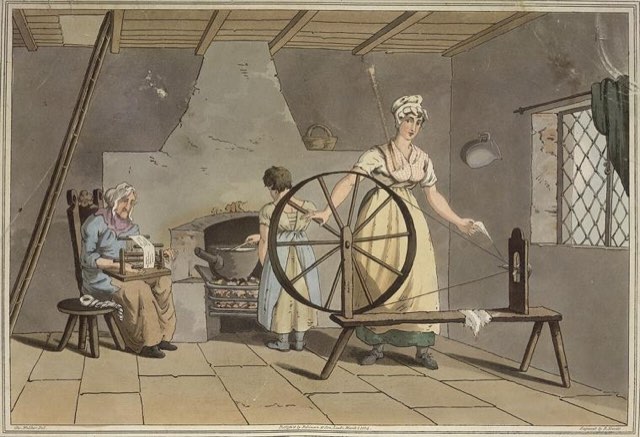

The Industrial Revolution in England
- Lecture 17: The Origins of the Industrial Revolution in EnglandDr. Steven Kreis’s The History Guide · Lectures on Modern European Intellectual History · read · archived copy
Changing Daily Lives
- Turning Points in History—Industrial Revolution.YouTube · Bill Blakemore · watch
Mercantilism
- MercantilismEconLib.org · The Concise Encyclopedia of Economics · Laura LaHaye · read
Adam Smith
- Adam Smith; Fordham University’s Internet Modern History Sourcebook: Paul Halsall’s version of Adam Smith’s The Wealth of Nations, 1776EconLib.org · The Concise Encyclopedia of Economics · read
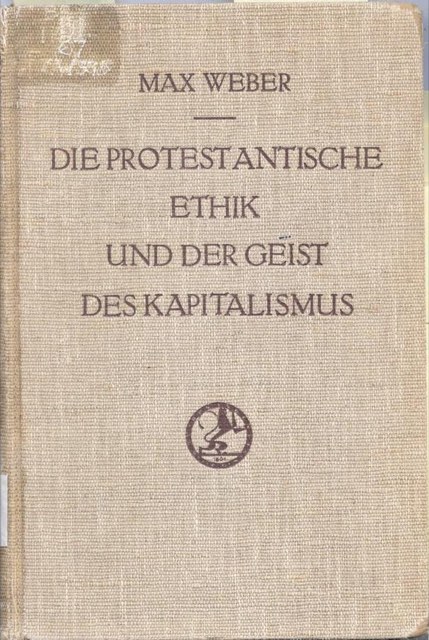
Max Weber
- Chapter I: Religious Affiliation and Social Stratification Marxists.org: Max Weber’s Chapter I: Religious Affiliation and Social StratificationMarxists.org · Max Weber · read
Friedrich List
- What Did Frederick List Actually Say? Some Clarifications on the Infant Industry Argument; Fordham University’s Internet Modern History Sourcebook: Paul Halsall’s version of George Frederich List’s National EconomyUnited Nations Conference on Trade and Development · Discussion Paper 149 · Mehdi Shaefaeddin · read · archived copy
Karl Marx
- Marxist Economics; Washington State University: Paul Brians’s Reading About the World, Volume 2: Karl Marx’s and Friedrich Engel’s The Communist Manifesto (1848)University of the West of England · Professor J. Paul Dunne · read
Joseph Schumpeter
- On the Concept of Social ValueMarxists.org · read
The “Stages of Growth” Theory
- Chapter 2: The Five Stages of GrowthMt. Holyoke College · Vincent Ferraro’s version of W.W. Rostow’s The Stages of Economic Growth · A Non-Communist Manifesto · read · archived copy
“Dependency” Theory
- Dependency Theory: An IntroductionMt. Holyoke College · Vincent Ferraro · read · 30 min
- Comparing Economic TheoriesThe Saylor Foundation · write
Chapter II
Ancient and Early Modern Industry
Industry did not begin with the Industrial Revolution. Ancient societies produced consumer goods on a large scale, serving markets spread over hundreds or even thousands of miles. In ancient Rome, India and China, large populations, centralized governments, and well-connected international trading routes created vast markets for all manner of goods, ranging from military and agricultural equipment to textiles and home décor. Entrepreneurs seeking to profit from these markets developed new techniques and new tools for mass production that laid the groundwork for future industrial advances. Many of these technological advances fell into disuse during the medieval period, but entrepreneurs continued to develop new commercial practices to organize and finance large-scale business. In this unit, we will examine several important industries that developed in the ancient world, such as mining, metallurgy, and textiles. We will then see how merchant entrepreneurs developed the tools and institutions that led to capitalism.
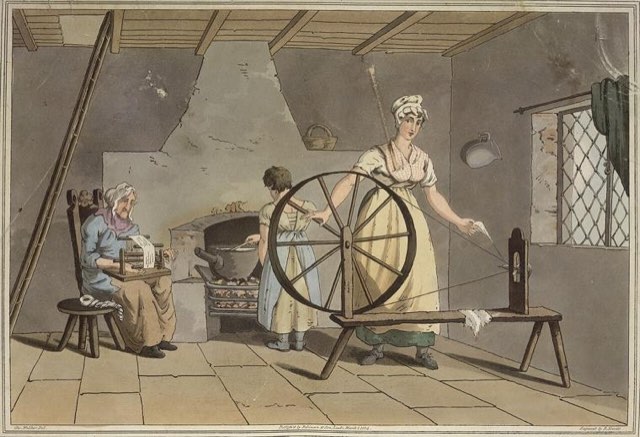
Mining
- Lecture 13: A Brief Social History of the Roman Empire; University of North Carolina-Chapel Hill: Lynne Cohen Duncan’s Roman Deep-Vein MiningDr. Steven Kreis’s The History Guide · Lectures on Ancient and Medieval European History · read · 1 h · archived copy
Glass Production
- Roman GlassThe Metropolitan Museum of Art · Heilbrunn Timeline of Art History · Rosemarie Trentinella · read · archived copy
- The Roman Glass IndustryYouTube · TitusLabeinus · watch · no longer online
Markets and Distribution
- Imperial Rome and Ostia PodcastThe Open University · watch
The “Four Great Inventions”
- Kaleidoscope: Science and Invention: Gunpowder, Printing, Paper, and CompassCulturalChina.org · read · archived copy
Metalworking
- The Beginning of Metallurgy in Ancient China and Copper.org’s Copper and Bronze in Ancient China.Denver Art Museum’s Asian Art Department · Emma C. Bunker · read · archived copy
Applying Industry to Agriculture
- History of Horticulture : “Lectures 12-13: Agricultural Origins in AsiaPurdue University · Jules Janick · watch
Germania
- Germania InferiorLivius.org · Jona Lendering · read · archived copy
India
- M. P. Gandhi’s The Indian Cotton Textile Industry, Chapters 1 and 2Internet Archive · read · 1 h
Merchant Capitalism in the Mediterranean and Baltic Seas
- The Western Tradition: 30: The Rise of the Trading CitiesLearner.org · Eugen Weber · watch · archived copy
- History of Capitalism: To the 17th CenturyHistory World · Bamber Gascoigne · read
- Early Capitalist Development in EuropeThe Saylor Foundation · write
Trading Companies and Consumer Goods
- The History of the Dutch East Indies CompanyGresham College · Dr. Thomas Crump · watch · archived copy
Chapter III
Capitalism, Agriculture, and Industry
Capitalism, an economic system based on the private ownership of productive power, made the Industrial Revolution possible by creating demands for goods and incentives for entrepreneurs to invest in production. Capitalism had its origins in merchant activity, but by the 17th and 18th centuries, it began to penetrate traditional agricultural and industrial sectors. New crops from the Americas and new ideas about agricultural production led to an Agricultural Revolution in Europe, resulting in growing populations as well as the creation of new wealth among landowners. Capitalism matured as an economic system in the Atlantic World, where investors used capital to buy land in the Americas and captive labor from Africa to produce consumer goods like tobacco, sugar, and cotton for growing world markets. Throughout the period, capitalist merchants tapped existing handicraft producers of manufactured goods, using saved capital to finance industrial production on a growing scale. In this unit, we will analyze the impact of the Agricultural Revolution on Europe and see how it encouraged the growth of capitalism in Europe, across the Atlantic, and around the world.

The “Columbian Exchange”
- Unit 16: Food, Demographics, and CultureLearner.org’s Bridging World History · watch · archived copy
The Agricultural Revolution in Europe
- Agricultural Revolution in England 1500-1850BBC · British History In-Depth · Professor Mark Overton · read
Demographic Change in Europe
- Unifying the European Experience: Historical Lessons of Pan-European Development: Paolo Malanima’s and Oliver Volckart’s Chapter 1.10: Urbanisation, 1700-1870Centre for Economic Policy Research · read · no longer online
Rural Manufacturing in Europe
- Cottage Industry and the Factory SystemHistoryWithMrGreen.com · Duncan Bythell · read · archived copy
Handicraft Production in Asia
- ConnectionsAmerican Historical Association · 1993 Presidential Address · Louise A. Tilly · read · 1 h · archived copy
Raw Materials from the Americas
- The Atlantic World Slave Economy and the Development Process in England, 1650-1850Urhobo Historical Society · Dr. Joseph E. Inikori · read · archived copy
Labor from Africa
- Enslavement and IndustrialisationBBC · British History In-Depth · Robin Blackburn · read
- Industrialization in a Global ContextThe Saylor Foundation · write · 1 h
Chapter IV
The Industrial Revolution in England
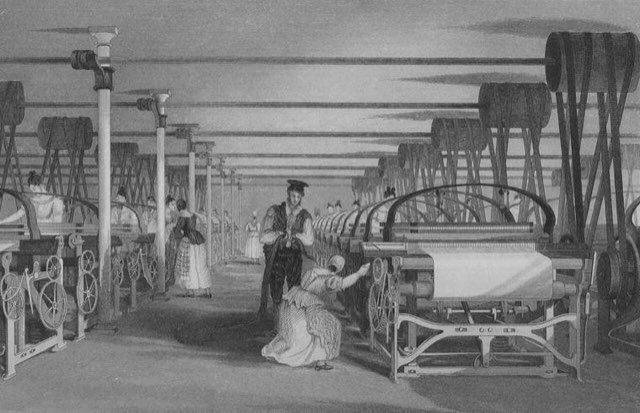
The Industrial Revolution began in England, which was by 1750 one of the wealthiest capitalist states in the world. The Industrial Revolution began in England’s textile industry, which was struggling to produce goods cheaper and faster for growing consumer markets. Businessmen and factory workers, rather than scientists, developed key inventions that solved major bottlenecks in textile production. As the scale of production grew, the factory emerged as a centralized location where wage laborers could work on machines and raw material provided by capitalist entrepreneurs. By the late 18th century, steam power was adapted to power factory machinery, sparking an even bigger surge in the size, speed, and productivity of industrial machines. Heavy industries like ironworking were also revolutionized by new ideas, and new transportation technologies were developed to move products farther and faster.

Coal Mining in England
- Lecture 8: Industrial RevolutioniTunes U · Yale University · John Merriman · watch · archived copy
- Capital and Steam Power: General State of Industry: Coal Mines and Iron WorksUniversity of Rochester · Steam Engine Library · John Lord · read · archived copy
The Steam Engine
- Age of the Engineer, 1820-1880: PowerMaking the Modern World · Stories Timeline · watch · 1 h · archived copy
Revolutionizing Wool and Cotton Spinning
- Cotton Times: Understanding the Industrial Revolution: Spinning MachineryDoug Peacock · read · archived copy
- Leeds Woolen Workers Petition and Letter from Leeds Cloth MerchantsFordham University’s Modern History Sourcebook · read
Resistance to Mechanization
- Power, Politics, and Protest: LudditesThe National Archives (UK) · Education · read
- Primary Source Analysis I: Textile MechanizationThe Saylor Foundation · write
The Factory System
- Textiles: From Domestic to Factory ProductionMaking the Modern World · Learning Modules · History · watch · archived copy
- Age of the Engineer, 1820-1880: Power: Power for ProductionMaking the Modern World · Stories Timeline · watch · archived copy
- Andrew Ure’s The Philosophy of the Manufacturers, (1835) ExcerptFordham University’s Modern History Sourcebook · Paul Halsall · read
Iron
- A Brief History of Iron and Steel ProductionSaint Anselm College · Professor Joseph S. Spoerl · read · archived copy
- New Steel: The Bessemer ConverterMaking the Modern World · Stories Timeline · The Second Industrial Revolution, 1870-1914 · New Science, New Materials, New Power · watch · 15 min · archived copy
Railroads
- The Flow of History: FC112: Railroads and Their Impact (c. 1825-1900)Chris Butler · read · archived copy
- The Industrial Revolution and the Railroad SystemMount Holyoke College · Professor Robert Schwartz · watch · archived copy
Steamships
- Lecture 5: The Iron-Hulled Ocean-Going Steamship: One Economic World, Indivisible, 1870-1914University of California at Berkeley · Brad DeLong · read · archived copy
Protection of Trade Secrets
- Intellectual Property Rights, the Industrial Revolution, and the Beginnings of Modern Economic Growth; Archives.Gov: Joan Brodsky Schur’s Eli Whitney’s Patent for the Cotton GinNorthwestern University · Joel Mokyr · read
Economic Espionage and Trade Missions
- A Manufactured City: Lowell’s Grand ExperimentSimmons College · Katharine Dunn · read · 15 min · archived copy
Migrations of Workers
- Immigration and Emigration: Industrial EspionageBBC · Legacies · watch
Chapter V
The Social and Political Impact of Industrialization
Industrialization was not merely a change in the way societies produced goods. It brought a transformation in the way people lived, turning rural towns into urban manufacturing centers. Newly industrialized societies faced health problems and challenges to conventional family and social structures. Politics in industrialized societies were transformed as traditional landed elites gave way to industrial capitalists and the burgeoning “middle class” of businessmen and professionals. Workers also began to challenge traditional political systems, drawing on new ideologies to suggest alternatives the developing capitalist-industrial world in which they lived In this unit, we will survey the sweeping changes that industrialization brought to Europe and the rest of the world between the late 18th and mid-19th centuries. We will then examine how working class and middle class individuals and organizations used these changes to challenge traditional elites.
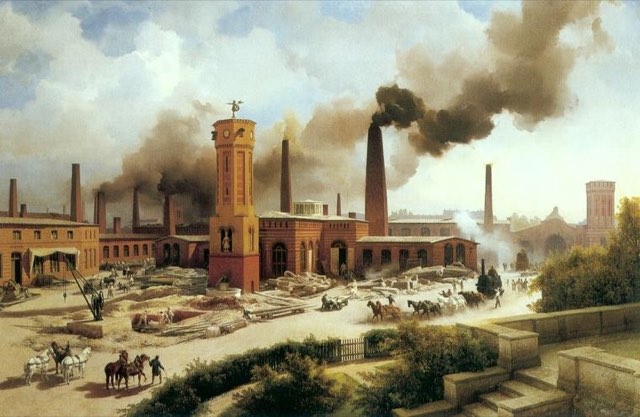

Growth of Urban Manufacturing
- Lecture 12: Nineteenth Century CitiesiTunes U · Yale University · John Merriman · watch · archived copy
Rapid Growth of Industrial Cities
- Density of Population, 1910; Wadsworth Publishing: Jackson J. Spielvogel’s Western Civilization: Interactive Maps: The Industrialization of Europe by 1850University of South Florida’s Florida Center for Instructional Technology · Maps ETC · watch
Women as Workers
- Lecture 8—Industrial Revolutions, Chapter 3—Women’s Work in the Industrial RevolutionOpen Yale Courses · John Merriman · watch
Child Labor
- Childhood and Child Labour in the British Industrial RevolutionEconomic History Society · Jane Humphries · watch · archived copy
Wealth from Industry and Trade
- The Rise of the Victorian Middle ClassBBC · History In-Depth · Dr. Donna Loftus · read
Political Aspirations
- The Reform Acts and Dr. Marjie Bloy’s The Reform Act Crisis and Terms of the 1832 Reform ActVictorian Web · Professor Glenn Everett · read
French Socialism
- Lecture 19: The French Revolution and the Socialist Tradition: Early French Communists and Lecture 20: The French Revolution and the Socialist Tradition: English Democratic SocialistsDr. Steven Kreis’s The History Guide · Lectures on Modern European Intellectual History · read · archived copy
Utopian Socialism
- Lecture 21: The Utopian Socialists: Charles Fourier and Lecture 22: The Utopian Socialists: Robert Owen and Saint-SimonDr. Steven Kreis’s The History Guide · Lectures on Modern European Intellectual History · read · 45 min · archived copy
Chartism
- ChartismOhio University · Encyclopedia of 1848 Revolutions · read · archived copy
On the Road to Revolution
- Lecture 5—Revolutionary MovementsAcademicEarth.org · Lynn Hunt · watch · archived copy
Causes
- French Economic Situation, 1847–1852Encyclopedia of 1848 Revolutions · Yvonne Crewbow · read · archived copy
Spread
- Documents of the Revolution of 1848 in FranceHanover Historical Texts Project · read
- Carl Shurz: A Look Back at 1848, 1907Fordham University’s Modern History Sourcebook · read
- Primary Source Analysis II: The Revolutions of 1848The Saylor Foundation · write
Restoration of Order
- Conservative Resistance to Revolution in FranceEncyclopedia of 1848 Revolutions · Steven Kale · read · archived copy
Chapter VI
Imperialism and Industrialization in Asia
The Industrial Revolution came late to East Asia. By many accounts, China was more industrially developed than Western Europe before 1800, but England and the rest of Western Europe soon surged ahead with the aid of cheap coal, steam power, and the vast natural resources and markets provided by the Americas. Industrialized European states forced their way into traditionally limited markets in both China and Japan during the mid-19th century, flooding both countries with manufactured goods. Chinese officials bitterly resisted European imperial encroachments and lost a losing battle against economic and military imperialism, and Japanese leaders only grudgingly granted limited concessions to foreign interests. While China buckled under the weight of imperialism and domestic insurrection, Japan’s government adopted the military and industrial technology of the West to build a strong, centralized state. By the end of the 19th century, Japan was an industrialized, imperialistic power able to successfully resist foreign pressure. In this unit, we will examine the factors that contributed to two very different outcomes in China and Japan as the forces of industrialization began to affect them in the 19th century.
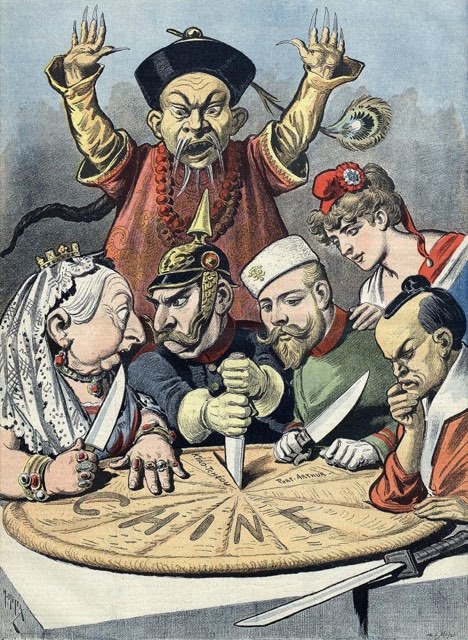

Proto-Industrialization and Trade in Qing China
- Skills, Rights and Resources in the East Asian Path to DevelopmentLondon School of Economics · Kenneth Pomeranz · watch
- Rise and Fall of Canton Trade SystemMassachusetts Institute of Technology · Peter C. Perdue · read · 30 min · archived copy
The “Great Divergence”
- China and Europe: 1500-2000 and Beyond: What Is ‘Modern’?: China and Europe: 1780-1937H-NET · Peter C. Perdue’s Review of Kenneth Pomeranz’s The Great Divergence · China, Europe, and the Making of the Modern World Economy; Columbia University · Kenneth Pomeranz’s and Bin Wong · read
The Opium Wars and Western Imperialism
- China: Traditions and Transformations: Lecture 23: Opium and the Opium WarsHarvard University · Open Learning Initiative · Dr. Peter K. Bol’s and Dr. William C. Kirby · watch · no longer online
Exclusion Acts
- The Seclusion of JapanWake Forest University · Sarah Lyons Watts · read
The Opening of Japan
- Part 1: Tracing the History: Section 4. Opening of Japan and Japan-Netherlands RelationsNational Diet Library · Japan-Netherlands Exchange in the Edo Period · read
Proto-Industrialization in Japan
- A Resume of the History of Japanese IndustriesGoogle Books · Count ?kuma’s Fifty Years of New Japan · Junichir? Suzuki · read · 1 h
New Industrial Policies
- Unit 19: Global IndustrializationLearner.org’s Bridging World History · watch · archived copy
- Economic Development of Japan: Lecture 3: Meiji: Key Goals of the New GovernmentNational Graduate Institute for Policy Studies · Professor K. Ohno · read · archived copy
The Scramble for Africa
- Scramble for AfricaNew World Encyclopedia · read
The New Imperialism
- Lecture 15—Imperialists and Boy ScoutsYale Open Course · Dr. John Merriman · watch
- Comparing Industrial Legacies: China, Japan, and Africa.The Saylor Foundation · write
Chapter VII
Mass Production, the Labor Movement, and the Consumer Society
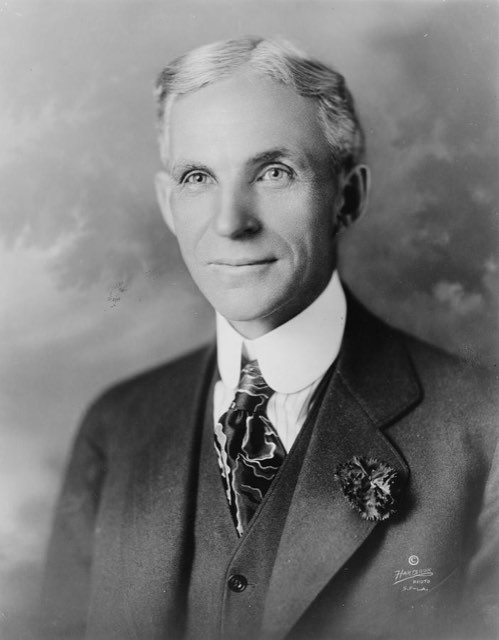
In the late 19th and early 20th centuries, a so-called “Second Industrial Revolution” centered on electronics and chemicals brought new changes to industrial production and everyday life. While the inventions and early successes of the first Industrial Revolution were the work of small businessmen and individual capitalists, the innovations of the second phase came out of large business organizations. Fierce competition among these companies led to the consolidation of industries by monopoly firms or the creation of cartels. New ideas changed how people worked within these giant firms, resulting in even greater improvements in the speed and efficiency of production. Workers reacted to these changes by forming political associations, seeking bargaining power with large capitalists. For all classes, this period represented a transition to a mass society, characterized by the large-scale marketing and distribution of products, services, and ideas. New machines and new media turned individuals living in limited regions into consumers of products and information from a vast national or international community. In this unit, we will examine the institutional, political, and social changes that came to industrialized societies in the 19th and 20th centuries.
_-_Hartsook_photo_LCCN94506959_Trim.jpg)
Large Corporations
- The Rise of Big BusinessUniversity of Houston · Digital History · read
Cartels and Monopoly Capitalism
- The Lords of Industry reprinted from the North American ReviewThe School of Cooperative Individualism · Henry Demarest Lloyd · read · archived copy
Taylorism and Fordism
- Frederick Taylor and Scientific Management; Fordham University’s Modern History Sourcebook: Paul Halsall’s version of Frederick W. Taylor’s The Principles of Scientific Management, 1911; Willamette University: Fred Thompson’s Fordism, Post-Fordism and the Flexible System of ProductionInternet Center for Management and Business Administration · read
Workers and Capitalists in the United States
- Industrialization and the Working ClassUniversity of Houston · Digital History · read
- Capital and Labor Relations, 1880-1920.The Saylor Foundation · write
Workers and Capitalists in Europe
- Lecture 7: Mass Politics and the Political Challenge from the LeftiTunes U · Yale University · John Merriman · watch · archived copy
Workers and Capitalists in Asia
- The Formation of Japanese Labor Movement, 1868-1914 and Fusataro Takano: Chinese Tailors’ Strike in ShanghaiHosei University · Ohara Institute for Social Research · Kazuo Nimura · read · archived copy
Industrialized Agriculture
- A Brief History of Agriculture and Food Production; The Rise of ‘Industrial Agriculture’John Hopkins Bloomberg School of Public Health · Shawn Mackenzie’s Lecture 5 · watch · archived copy
Mass Communications and Mass Marketing
- The Rise of Mass CommunicationUniversity of Houston · Digital History · read
- Understanding AdvertisingGeorge Mason University · Exploring U.S. History · Professor Michael O’Malley · read
Chapter VIII
Economic Crisis and War in the 20th Century
While the Industrial Revolution brought great prosperity to many parts of the world, it also ushered in many new challenges. In 1914, tensions between capitalist powers spilled over into war, and the new weapons of industrial age produced a horrific slaughter in Europe. After the war, industrial powers struggled to recover in a decade of economic highs and lows. The weak global economy collapsed in 1929, causing widespread unemployment in industrialized societies. The failure of the international community to maintain prosperity and peace led to the Second World War, which devastated Europe and Asia. After the war, the United States and its allies devised a new system for managing the international economy, while the Soviet Union and its allies pulled new satellite states into a socialist economic system. In this unit, we will examine the effects of industrialization on war, as well as the effects of war on industrialization. We will also study the economic crises of the 1920s and 1930s and compare different recovery strategies.
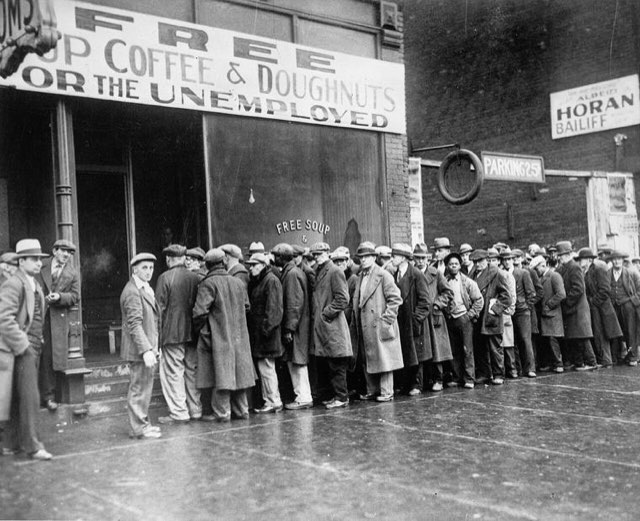

Industrial Rivalry in Europe
- Chapter V: Division of the World among Capitalist AssociationsMarxists.org · Vladimir Ilyich Lenin’s Imperialism, the Highest Stage of Capitalism · read
Industrialized Warfare
- Age of the Mass, 1914-1939: World War OneMaking the Modern World · Stories Timeline · watch · archived copy
The United States and World War I
- America and World War ISage American History: · read · archived copy
Boom and Bust in the 1920s
- Episode One: The Battle of Ideas: Chapter 2: The Old Order Fails, Chapter 4: A Capitalist Collapse, and Chapter 5: Global DepressionPBS · Commanding Heights · watch · archived copy
- Great DepressionEconlib.org’s The Concise Encyclopedia of Economics · Gene Smiley · read
Recovery Efforts
- Economic Recovery in the Great DepressionEconomic History Association · Frank G. Steindl · read · archived copy
- Crisis of Capitalism: The Great Depression.The Saylor Foundation · write
Economic Causes
- World War and Society in the 20th Century: Lecture 12: Sinews of War: Labor, Production, FinanceHarvard University · Open Learning Initiative · Dr. Charles S. Maier · watch · no longer online
Wartime Innovations
- Nylon: Miracle or Marketing?Smithsonian Institution · Natural Museum of American History · Lemelson Center for the Study of Invention and Innovation · read · archived copy
The U.S. Economy During the Second World War
- The American Economy during World War IIEH.net · Christopher J. Tassava · read · archived copy
Postwar Planning and the Bretton Woods Conference
- Episode One: The Battle of Ideas: Chapter 6: Worldwide War, Chapter 7: Planning the Peace, and Chapter 8: Pilgrim MountainPBS · Commanding Heights · watch · archived copy
- Conference at Bretton WoodsUniversity of North Carolina at Chapel Hill · iBiblio.org · read
The Marshall Plan
- The Marshall PlanGeorge C. Marshall Foundation · read
Chapter IX
Alternative Models of Industrialization
After the First World War, a revolutionary government in Russia tried to create an alternative model to capitalist industrial development. The new Soviet Union accomplished massive industrial feats before and during the Second World War but at enormous cost to the environment and to Soviet citizens. In China, a successful communist revolution ushered in another experiment in socialist industrialization after 1949, first along Soviet lines and then according to the plans of Mao Zedong. After the Second World War, leaders in India and other newly independent states tried to find a “third way” of development, rejecting capitalism as well as Soviet-style socialism as pathways to industrialization. In this unit, we will examine alternative plans for industrial development from the Soviet Union, China, and India. We will analyze the efficacy and costs of these different approaches, comparing them to the model followed by capitalist states.
The Bolshevik Revolution
- Episode One: The Battle of Ideas: Chapter 3: Communism on the HeightsPBS · Commanding Heights · read · archived copy
Economic Policy under Lenin
- 1917: Economic Apparatus and 1921: The New Economic PolicySeventeen Moments in Soviet History · Lewis Siegelbaum · read · archived copy
Stalinist Industrialization
- 1924: Industrialization Debate, 1929: Shock Workers and 1929: Years of Great ChangeSeventeen Moments in Soviet History · Lewis Siegelbaum · read · archived copy
The Chinese Revolution
- China in the 20th CenturyKing’s College · John Bowblis · read
Sino-Soviet Cooperation
- Sino-Soviet CooperationInternational Institute of Social History · read
The “Great Leap Forward”
- Communist Alternatives to Industrialization.The Saylor Foundation · write · 1 h
- China: The Great Leap Forward, 1958-60Countrystudies.us · Robert L. Worden’s, Andrea Matles Savana’s, and Ronald E. Dolan’s (eds.) · read
- Great Leap ForwardInternational Institute of Social History · watch · 30 min
India under British Rule
- The Economic and Social Impact of Colonial Rule in IndiaUniversity of Groningen · Groningen Growth and Development Centre · Angus Maddison · read
State Capitalism and the Five-Year Plan
- Episode One: The Battle of Ideas: Chapter 10: India’s Way; Episode Two: The Agony of Reform: Chapter 4: India’s Permit RajPBS · Commanding Heights · read · archived copy
Import Substitution
- Import Substitution IndustrializationWikipedia · read · 1 h
Chapter X
Globalization and the Industrialization in the Late 20th Century
The second half of the twentieth century saw many changes in the pattern of industrialization. While the capitalist states of the West enjoyed two decades of prosperity after 1945, problems in the global economy led to stagnation and decline in many manufacturing sectors in the 1960s and 1970s. Manufacturing power shifted from the West to the East, beginning with the reindustrialization of Japan, South Korea, and Taiwan. Light and then heavy manufacturing moved to Asian production sites, as the cost of labor in the West rose. Southeast Asian states and then communist China entered the market as low-cost producers in the late 1970s and 1980s as previous barriers to international trade were eliminated. By the 1990s, free trade had replaced protectionism as the dominant economic ideology in the industrialized world, creating new opportunities for industrialized and industrializing states as well as new challenges to the stability of the global economic system.
Post-1945 Prosperity
- The Social Market Economy and The Economic Miracle and Beyond; Countrystudies.us: United States History: The Postwar Economy: 1945-1960Countrystudies.us · Eric Solsten’s (ed.) Germany · A Country Study · read
Problems of the 1960s-1970s
- Episode One: The Battle of Ideas: Chapter 11: Chicago against the Tide, Chapter 12: The Specter of Stagflation, and Chapter 13: A Mixed Economy FloundersPBS · Commanding Heights · watch · archived copy
Economic Origins of the European Union
- The History of the European Union: 1945-1959: A Peaceful Europe—The Beginnings of CooperationEuropean Union · watch · archived copy
Reconstruction of Japan
- Economic Development of Japan: 10: Postwar Recovery 1945-1949 and 11: Post High Growth 1950s-1960sNational Graduate Institute for Policy Studies · Professor K. Ohno · read · archived copy
The “Four Tigers”
- Economic History of Hong Kong, Myung Soo Cha’s The Economic History of Korea, Kelly Olds’s The Economic History of Taiwan ; International Monetary Fund: Michael Sarel’s Growth in East Asia: What We Can and What We Cannot InferEconomic History Association · Catherine R. Schenk · read · archived copy
“Opening” of China
- China: Traditions and Transformations: Lecture 35: Greater China? and Lecture 36: Two Chinese CompaniesHarvard University · Open Learning Initiative · Dr. Peter K. Bol’s and Dr. William C. Kirby · watch · no longer online
Industrialization and Free Trade around the World
- Episode Two: The Agony of Reform: Chapter 5: Latin American Dependencia, Chapter 10: Bolivia at the Brink, Chapter 17: India Escapes Collapse, and Chapter 21: A Decade of Radical ChangePBS · Commanding Heights · watch · archived copy
From the GATT to the WTO
- Lecture 21: Doing Business in China, Lecture 23: Negotiating China’s Accession and Lecture 25: Is China a Developing Country?iTunes U · The Open University · TU187 · Development · Context and Practice · watch · archived copy
- Timeline: World Trade Organization and Profile: World Trade OrganizationBBC · read
- Features of the Global Economy Since 1945.The Saylor Foundation · write · 1 h
About this course
This course is Saylor Academy's HIST363, Global Perspectives on Industrialization, one of the complete university courses the Saylor Foundation made free from 2008 and retired in 2015. Saylor licensed its course text under CC BY 3.0; the original is on GitHub. Here it is laid out as chapters, links that have died go to an archived copy from the Internet Archive where one exists, assessments that needed a Saylor login are left out, and people and works are linked to Kulturbase. The readings and lectures belong to their publishers and are linked, not copied. Pictures: Wikimedia Commons, credited under each picture.
All Saylor courses · Free culture courses · The Chautauqua Reading Course