Music · Saylor MUS101
Introduction to Music
This course provides an introductory survey of the Western classical tradition, exploring music both as a phenomenon of sound and culture. The focus of this course is the development of aural skills that lead to an understanding and appreciation of music.
More about this course
Making use of live performances and streaming audio available on the Internet, we will listen to and explore some of the most important and influential repertoires and genres of music that emerged in the last four centuries: High Renaissance vocal music, the cantatas and oratorios of Bach and Handel, Mozart’s comic operas, the monumental orchestral works of the Romantic movement, and the major musical movements of twentieth-century Europe and America, revealing significant connections with contemporary pop and jazz styles. These styles have become an enduring part of the world of music in the twenty-first century, traveling out of the concert hall and conservatory into the larger world via movies, television, and the Internet. This course will begin by studying the fundamentals of music, developing a working definition of music. You will then learn listening skills and musical elements that will be useful as you survey samples of famous compositions throughout this course. Lastly, you will be grounded in the historical contexts for Western classical music. You will learn to make connections between the distinctive styles and the cultural, historical, and social factors that influenced them. By the end of this course, you will have a greater knowledge and appreciation of the history, aesthetics, techniques, forms, and genres of Western classical music.
Upon successful completion of this course, the student will be able to:
In order to take this course, you must:
Chapter I
What is Music?
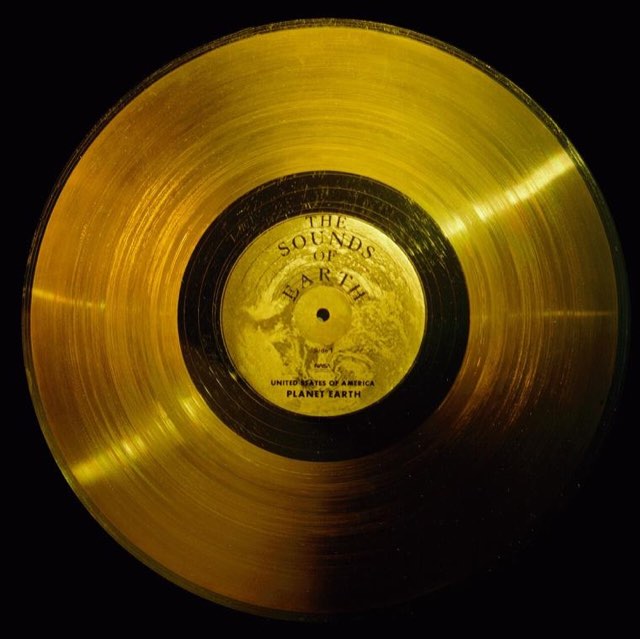
This unit investigates some fundamental questions about the nature of music. How do we define music? What, if anything, makes music different from noise? How has music been used to create beauty and represent nature? How does it act on our emotions? What notions of “talent” and “genius” exist in classical music? What have scientists discovered about music’s effects on the brain? In this unit, we will explore some different perspectives on how music tells stories and expresses and creates meaning in our lives. Also, we will explore some different definitions, notions, and characteristics of classical, popular, and folk music in the West.

Music: Preliminary Ideas
- Elements of Music, Part 1: Preliminary IdeasSan Diego State University · Danlee Mitchell · read · archived copy
- Music and the MindYouTube · University of California Television · watch
- Chapter 1: A Bolt from the Blue: Sudden MusicophiliaThe New York Times · Oliver Sacks’s Musicophilia · read
Towards a Definition of Music
- Towards a Definition of MusicPhilip Tagg · read
What Kind of Music?
- Classical MusicWordIQ · read · archived copy
- What Is Classical Music?The Saylor Foundation · write
Chapter II
Learning to Listen
Music communicates emotions and ideas, telling stories through sound. Composers and musicians work with the building blocks of sound: pitch, rhythm, dynamics, texture, and tone color, which is the quality of a musical sound. Organizing these elements to create a whole, or the art of large-scale design, allows artists to create what we call musical form. The choices that composers make in their music are not only highly personal and intuitive but contingent on cultural traditions and norms. Musical instruments were created to extend the capacity of the human voice and body. In this unit, we will explore the elements of music and principles of formal design, and we will become familiar with the vocabulary used to describe and analyze music. Learning the language of music will enable you to sharpen your listening skills as well as your appreciation of music.
The Language of Music
- A Symphonic Revolution: Ludwig van Beethoven: EroicaThe San Francisco Symphony’s Michael Tilson Thomas · watchLudwig van Beethoven on Kulturbase
Rhythm
- RhythmConnexions · Catherine Schmidt-Jones · read
- Rhythm and MeterBBC · GSCE Bitesize · watch
- Lecture 3: Rhythm: Fundamentals and Lecture 4: Rhythm: Jazz, Pop, and ClassicalYale University · Professor Craig Wright · watch
- Identifying MetersG Major Music Theory · watch
Melody
- MelodyBBC · GCSE Bitesize · watch
- MelodyConnexions · Catherine Schmidt-Jones · watch
- Lecture 5: Melody: Notes, Scales, Nuts and BoltsYale University · Professor Craig Wright · watch
Harmony
- Major Keys and ScalesConnexions · Catherine Schmidt-Jones · watch
- Harmony in Western MusicConnexions · Anthony Brandt · watch
- Chord ProgressionWikipedia · read
- Duke of EarlYouTube · rasc1944 · Gene Chandler · watch
- Lecture 7: Harmony: Chords and How to Build ThemYale University · Professor Craig Wright · watch
Instruments and Genres
- Listen by InstrumentThe Dallas Symphony Orchestra · DSO Kids · watch · archived copy
- Orchestral InstrumentsConnexions · Catherine Schmidt-Jones’ · read
- InstrumentationBBC · GCSE Bitesize · watch
- Benjamin Britten’s The Young Person’s Guide to the Orchestra: Transcript of NarrationOracle ThinkQuest · read · archived copyBenjamin Britten on Kulturbase
- Simon Rattle conducts Benjamin Britten’s The Young Person’s Guide to the Orchestra, Part 1 and Part 2YouTube · watchBenjamin Britten on Kulturbase
- Discovering Music: Listening Notes of Mussorgsky’s Pictures at an ExhibitionBBC · watch · 1 h · no longer online
- Promenade from Mussorgsky’s Pictures at an ExhibitionWikipedia · Skidmore College Orchestra’s performance of the · watch
- Gnomus from Mussorgsky’s Pictures at an ExhibitionWikipedia · Skidmore College Orchestra’s performance of · watch
- The Old Castle from Mussorgsky’s Pictures at an ExhibitionWikipedia · Skidmore College Orchestra’s performance of · watch
- Interlude, Tuileries, Cattle (Bydlo), Ballet of the Unhatched Chicks (Балет невылупившихся птенцов), and Two Polish Jews (Samuel Goldenberg and Schmuÿle) from Mussorgsky’s Pictures at an ExhibitionWikipedia · Skidmore College Orchestra’s performances of · watch
- Catacombs/The Hut on Fowl’s Legs (Baba Yaga) from Mussorgsky’s Pictures at an ExhibitionWikipedia · Skidmore College Orchestra’s s performance of · watch
- Great Gate of Kiev (La grande porte de kiev) from Mussorgsky’s Pictures at an ExhibitionWikipedia · Skidmore College Orchestra’s performance of · watch
- Guided Listening 1: Mussorgsky’s Pictures at an ExhibitionThe Saylor Foundation · write
Chapter III
Musical Structure
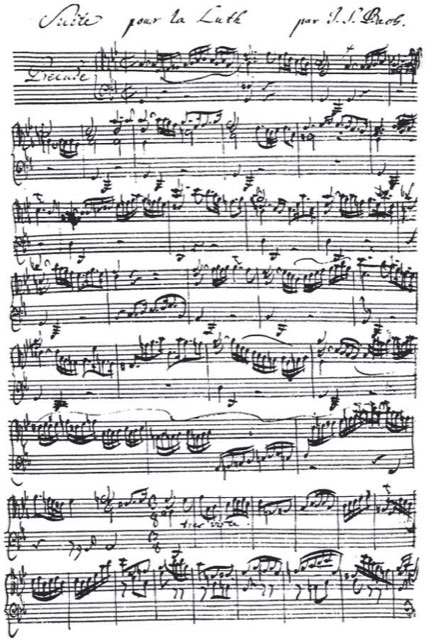
This unit deals with formal elements of design—the shape, arrangement, relationship, or organization of the various elements of music. Building on the basics of melody, harmony, and rhythm from Unit 1, we begin with a common variety of harmonic progressions—bass patterns consisting of simple chord progressions. As we will see in musical examples taken from Mozart, Beethoven, the Beach Boys, the Dave Matthews Band, and Justin Timberlake, composers from both the classical and popular music worlds draw on the same bass patterns. By analyzing longer works, we examine the large-scale forms used in popular and classical music: verse-chorus, sonata-allegro, fugue, and theme and variations form. We will briefly explore the manifestations of some of these forms in literature, painting, and other disciplines. This unit will end with a review of all the forms discussed in the lectures and readings.

Bass Patterns
- Bass Patterns: Blues and RockYale University · Professor Craig Wright · watch
Introducing Form in Music
- Musical FormConnexions · Anthony Brandt · read
- Listening Gallery: Musical FormConnexions · Anthony Brandt · watch
- Musical Forms: Binary Form and Ternary FormTeoria.com · J. Rodríguez Alvira · watch · archived copy
Sonata Allegro Form
- Musical Forms: Sonata FormTeoria.com · J. Rodríguez Alvira · watch · archived copy
- Lecture 9: Sonata-Allegro Form in Mozart and BeethovenYale University · Professor Craig Wright · watch
Theme and Variations
- Lecture 10: Sonata-Allegro and Theme and VariationsYale University · Professor Craig Wright · watch
- Theme and Variation AssignmentDuke University · write · archived copy
Rondo Form
- Musical Forms: Rondo FormTeoria.com · J. Rodríguez Alvira · read · archived copy
Fugue
- Lecture 13: Fugue: Bach, Bizet, and Bernstein.Yale University · Professor Craig Wright · watch
Ostinato Form
- Ostinato Form in the Music of Purcell, Pachelbel, Elton John, and Vitamin C.Yale University · Professor Craig Wright’s Lecture 14 · watchElton John on Kulturbase
Chapter IV
Musical Styles
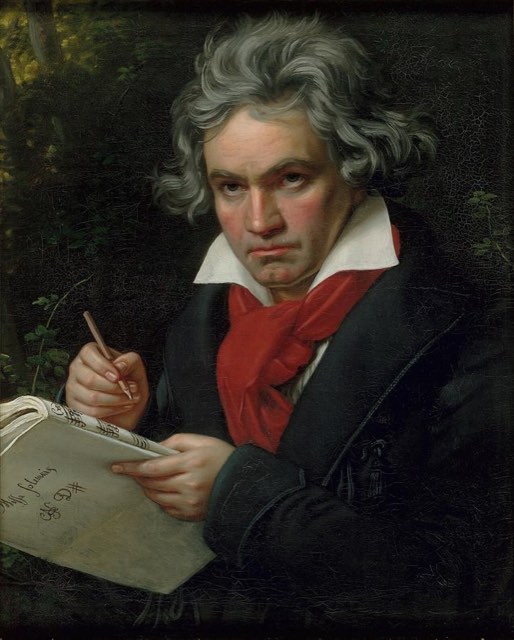
Style in music is generally the distinctive sound created by an artist, composer, or performing group. This unit explores the continuum of Western musical creativity from the medieval period to the twentieth century, with attention to the social and cultural context for the development of musical styles. Subunit 4.1 explores the role of chant in medieval monasteries and cathedrals and the development of multipart music (polyphony) in the Renaissance. Subunit 4.2 focuses on the Baroque era (1600-1750), with a detailed look at the vocal music of Bach and Handel. The Classical style (1750-1820) is taught in Subunit 4.3. The next subunit focuses on the development of the Romantic style in the early nineteenth century, from the piano music of Beethoven to songs by Mahler. You will observe how the genre of symphonic music changed from the eighteenth to the nineteenth century, as well as the nature of the orchestra itself, listening to excerpts from Tchaikovsky, Dvorak, Wagner, and Mahler. In this unit, you will also learn about the key musical developments of the twentieth century: musical impressionism, modernism, and postmodernism, focusing on the music of Debussy, Ravel, Stravinsky, Copland, and Cage. This course concludes with a review of the various styles and time periods of Western music history.

Medieval and Renaissance Music
- Lecture 15: Benedictine Chant and Music in the Sistine ChapelYale University · Professor Craig Wright · watch
The Chant Phenomenon
- ChantNational Public Radio’s Milestones of the Millennium Series · Martin Goldsmith’s and Father J.F. Weber · watch · archived copy
- The Gregorian ChantThe Saylor Foundation · write
The Gothic Revolution
- The Gothic RevolutionThe BBC’s Sacred Music · watch · no longer online
Music in the Middle Ages
- Secular Music in the Middle AgesThe Saylor Foundation · write
The Renaissance
- The RenaissanceIpl.org · Robert Sherrane’s Music History 102 · watch · archived copy
- Music in the RenaissanceThe Metropolitan Museum of Art’s Heilbrunn Timeline of Art History · Rebecca Arkenberg · read · archived copy
Sacred Music in the Renaissance
- Giovanni Pierliugi da PalestrinaNational Public Radio’s Milestones of the Millennium · Peter Phillips’s and Tom Kelly · watch · archived copy
- Virtual Tour of the Sistine ChapelVatican.va · watch
- Tallis, Byrd, and the TudorsThe BBC’s Sacred Music · watch · no longer online
- Renaissance Love SongsWashington State University · Paul Brians’ · read · archived copy
- The Renaissance MadrigalThe Saylor Foundation · write
The Baroque: Definitions and Background
- Baroque Music Defined and Baroque Musicians and Composers Readings: Baroquemusic.org: Michael Sartorius’s Baroque Music Defined(HTML) and Baroque Musicians and ComposersBaroquemusic.org · Michael Sartorius · read · archived copy
- Baroque Music, Part 1San Diego State University · Elaine Thornburgh · watch · no longer online
The Music of J.S. Bach
- Bach’s Life in Pictures and MusicBaroquemusic.org · Michael Sartorius · watch · archived copy
Bach’s Sacred Music
- J.S. Bach and the Lutheran LegacyThe BBC’s Sacred Music · watch · no longer online
- Lecture 16: Baroque Music: The Vocal Music of Johann Sebastian BachYale University · Professor Craig Wright · watchJohann Sebastian Bach on Kulturbase
- Baroque Music, Part I: Sacred Vocal Music and Bach and the Baroque CantataSan Diego State University · Elaine Thornburgh · watch · no longer online
Georg Frederick Handel
- Handel’s Messiahwatch · no longer online
- Guided Listening 2: Handel’s Messiah Libretto and Study Guide and Elements of Music and Meaning in Handel’s MessiahThe Saylor Foundation · write
The Classical Style
- The Classical PeriodIpl.org · Robert Sherrane’s Music History 102 · A Guide to Western Composers and Their Music · read · archived copy
- The EnlightenmentNational Public Radio’s Milestones of the Millennium · Lisa Simeone’s and Nicholas Till · watch · archived copy
The Development of Modern Keyboard Instruments
- The Piano: Viennese InstrumentsThe Metropolitan Museum · Heilbrunn Timeline of Art History · Jayson Kerr Dobney · read · archived copy
- The Evolution of the PianoNational Public Radio’s Milestones of the Millennium · Martin Goldsmith’s and Charles Rosen · watch · archived copy
- Lecture 18: Piano Music of Mozart and BeethovenYale University · Professor Craig Wright · watch
Mozart and the Enlightenment
- Letters of Wolfgang Amadeus Mozart edited by Frederick Keirst and Henry Krehbiehl in Mozart, the Man and the Artist, as Revealed in his Own Words (Dover, 1965)Project Gutenberg · read · no longer onlineWolfgang Amadeus Mozart on Kulturbase
- Study Guide for Milos Forman’s Amadeus and Music and Society in Eighteenth Century EuropeThe Saylor Foundation · write
The Classical Symphony
- Symphony: An Interactive GuideOracle ThinkQuest · watch · archived copy
- Guided Listening 3: The Art of the Symphony in Beethoven’s Symphony No. 5 in C Minor and Beethoven’s Fifth Symphony: Hearing and Describing the Structure of the Classical SymphonyThe Saylor Foundation · write
Romanticism
- Classical and Romantic MusicSan Diego State University · Professor Jeffrey Swann · watch · archived copy
The Symphony in the Nineteenth Century
- Lecture 20: The Colossal Symphony: Beethoven, Berlioz, Mahler, and ShostakovichYale University · Professor Craig Wright · watch
- Michel Austin’s (transl.) version of Hector Berlioz’s Extracts from the Treatise on Orchestration and Instrumentation (1843/44)The Hector Berlioz Website · watchHector Berlioz on Kulturbase
- Symphony FantastiqueNational Public Radio’s Milestones of the Millennium · Martin Goldsmith’s and Michael Tilson Thomas · watch · archived copy
- Berlioz’s Symphonie FantastiqueThe San Francisco Symphony’s Keeping Score · watch
Impressionism and Exoticism
- Debussy’s LiberationSan Diego State University · Professor Jeffrey Swann · read · archived copy
- Lecture 21: Musical Impressionism and Exoticism: Debussy, Ravel, and MonetYale University · Professor Craig Wright · watch
- Claude DebussyNational Public Radio’s Milestones of the Millennium · Jan Swafford · watch · archived copyClaude Debussy on Kulturbase
Modernism: Mahler and Stravinksy
- Igor StravinskyNational Public Radio’s Milestones of the Millennium · Philip Glass’s and Robert Craft · watch · archived copy
- Igor Stravinsky’s The Rite of SpringThe San Francisco Symphony’s Keeping Score · watch
- Lecture 22: Modernism and MahlerYale University · Professor Craig Wright · watch
- Program Notes for Stravinsky’s Rite of SpringThe Hilton Head Symphony · Alan M. Rothenberg · read · no longer online
- Music and Modernism in the 20th Century: Stravinsky’s Rite of SpringThe Saylor Foundation · write · no longer online
The Second Viennese School
- Twentieth Century Music: Part OneSan Diego State University · Professor Jack Logan · read · archived copy
- Schoenberg - Pierrot Lunaire: An Atonal LandmarkScena.org · John Winiarz · read
- Moonstruck from Pierrot LunaireYouTube · Arnold Schoenberg · watch · no longer online
Two American Originals: Copland and Ives
- Appalachian Spring by Aaron CoplandNational Public Radio’s Milestones of the Millennium · Robert Kapilow’s and John Adams · watch · archived copyAaron Copland on KulturbaseAppalachian Spring on Kulturbase
- Copland: In Search of the American SoundThe San Francisco Symphony’s Keeping Score · watch
- 20th Century Music, Part 2: Charles IvesSan Diego State University · Professor Jack Logan · read · archived copy
Musical Postmodernism
- Sounds of Silence: John Cage’s 4’ 33Larry J. Solomon · read · archived copyJohn Cage on Kulturbase
- Performance of John Cage’s 4’ 33YouTube · pezziz · watch · no longer onlineJohn Cage on Kulturbase
- Guided Listening 4: John Cage and Postmodern Musical AestheticsThe Saylor Foundation · writeJohn Cage on Kulturbase
Review of Musical Styles
- Lecture 23: Review of Musical StylesYale University · Professor Craig Wright · watch
- Final Course Reflections EssayThe Saylor Foundation · write
About this course
This course is Saylor Academy's MUS101, Introduction to Music, one of the complete university courses the Saylor Foundation made free from 2008 and retired in 2015. Saylor licensed its course text under CC BY 3.0; the original is on GitHub. Here it is laid out as chapters, links that have died go to an archived copy from the Internet Archive where one exists, assessments that needed a Saylor login are left out, and people and works are linked to Kulturbase. The readings and lectures belong to their publishers and are linked, not copied. Pictures: Wikimedia Commons, credited under each picture.
All Saylor courses · Free culture courses · The Chautauqua Reading Course