Philosophy · Saylor PHIL101
Introduction to Philosophy
This course will introduce you to the major topics, problems, and methods of philosophy and surveys the writings of a number of major historical figures in the field. Philosophy can be - and has been - defined in many different ways by many different thinkers.
More about this course
In a scholarly sense, philosophy is the study of the history of human thought. It requires familiarity with great ideas understood through the various major thinkers in world history. In its most general sense, philosophy is simply the investigation of life’s “big questions.” We will explore such fundamental questions in several of the core areas of philosophy, including metaphysics, epistemology, political philosophy, ethics, and the philosophy of religion. With the help of commentaries and discussions from a number of contemporary philosophers, we will read and reflect on texts by major Western and non-Western thinkers including Lao Tzu, Buddha, Confucius, Plato, Aristotle, Saint Anselm, René Descartes, Blaise Pascal, John Locke, Immanuel Kant, Thomas Hobbes, John Stuart Mill, Friedrich Nietzsche, Karl Marx, and Bertrand Russell. This course aims to not only familiarize you with philosophers and problems but to also improve your ability to think critically about the issues, develop your own ideas about them, and express these ideas clearly and persuasively in writing. Unit 1 introduces philosophy as a discipline and provides a sense of its subject matter and methodology. Unit 2 addresses topics in metaphysics and epistemology - traditionally the “core” areas of philosophy. Units 2, 3, and 4 cover moral, political, and religious philosophy, respectively. Each unit presents selections from a set of philosophers whose works are traditionally compared on the same themes in order to set up contrasting approaches and opinions.
Upon successful completion of this course, you will be able to:
In order to take this course, you must:
Chapter I
What Is Philosophy?
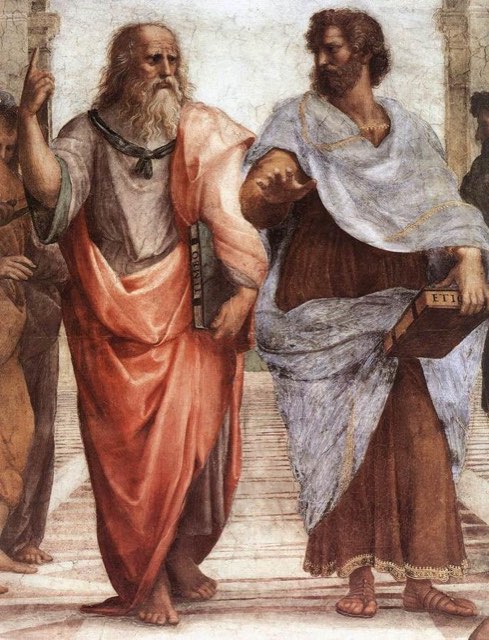
What is philosophy all about, and why should we study it? The second question is easier to answer than the first. Studying philosophy gives us insight into the world and our place within it and thus provides us with a guide for conducting our lives. Understood as the history of human thought, philosophy relates to the beginning of nearly every other major academic discipline - from physics to psychology, from religious studies to biology, and so on. Not only does philosophy force us to think hard about difficult and fundamental questions, it also teaches us how to think - providing us with analytical skills we can use in many other areas. As for the question of what philosophy is about, it is helpful to begin, as many great philosophers have, with the idea that the nature of philosophy is itself a matter for philosophical debate. Phrasing it this way gives us a sense of what to expect throughout this course, because whatever particular topics philosophers are concerned with, their practice is always one of questioning. Philosophers from many different time periods and cultures have asked questions and tried to answer these questions in ways that can be compared and contrasted. For example, some philosophers believed that true knowledge came from contemplation and understanding of the human mind, while others felt that reliable knowledge came from sensory experiences and testing ideas against the physical world. The following are some questions philosophers might consider: How do I know that what I believe is true? What is the difference between right and wrong? What makes an action just? What makes a painting beautiful? Does God exist? Are ideas and concepts more “real,” or is physical matter more “real?” What happens to us after we die? What kind of government is justified? In this unit, we will look at the question “What does it mean to study philosophy?”

Why Study Philosophy?
- Why Study Philosophy?Wayne State University · Dr. John Corvino · watch · 10 min · archived copy
- The Value of Philosophy in Our Daily LivesBigThink.com · Rutgers University · Dr. Tim Maudlin · watch · 10 min
- What Does a Philosopher Do?BigThink.com · Princeton University · Dr. Kwame Anthony Appiah · watch · 20 min
The Intrinsic Value of Philosophical Investigation for Aristotle
- Aristotle’s Ethics, the Nature of Happiness and the Golden MeanYouTube · AudibleSuperfan · Will Durant · watch · 15 min
- Book IAristotle’s Metaphysics · read · 4 h
The Intrinsic Value of Philosophical Investigation for Descartes
- Cogito Ergo SumBBC Radio · Melvyn Bragg · watch · 1 h
The Intrinsic Value of Philosophical Investigation for Bertrand Russell
- Chapter XV: The Value of PhilosophyBertrand Russell’s · The Problems of Philosophy · read · 1 hBertrand Russell on Kulturbase
The Main Areas of Philosophy
- Philosophy: A Brief Guide for UndergraduatesThe American Philosophical Association · read · 30 min · archived copy
- A Romp through the History of Philosophy from the Pre-Socratics to the Present DayiTunes U · University of Oxford · Dr. Marianne Talbot · watch · 1 h · archived copy
What Is an Argument?
- ArgumentUniversity of Tennessee at Martin’s Internet Encyclopedia of Philosophy · read · 30 min
Guidelines for Writing Philosophy Papers
- Guidelines for Philosophical WritingUniversity of Notre Dame · Dr. William Ramsey · read · 1 h
Review the Glossary of Technical Terms in Philosophy
- Philosophical Terms and MethodsJim Pryor · read · 30 min
- Assessment #1The Saylor Foundation · write · 1 h
Chapter II
Metaphysics and Epistemology
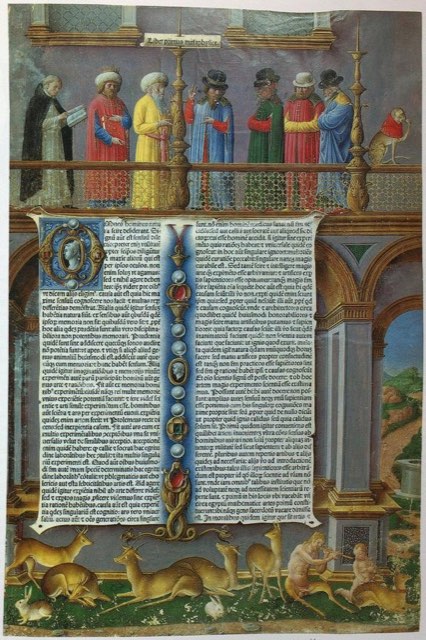
One of the traditional philosophical questions, “What, if anything, really exists?” has been addressed in a variety of different time periods in history. Philosophy can perhaps be understood as a great conversation, with different philosophers sharing ideas and trying to answer each other’s skeptical doubts across time periods and cultures. In seeking answers to the ultimate questions of existence and knowledge, philosophers looked for their answers in different ways. Some philosophers believed that the method we use to gain knowledge is most important; that method might involve reason and thinking (rationalism) or sensory interaction with the world around us (empiricism). Philosophers also developed theories of what is truly “real” or what we have knowledge of; some philosophers found that ideas and concepts are known (idealism) and others found that matter, substance, or atoms are what we know (idealism). What is there that we can be sure is not just an appearance, an illusion, or a useful fiction? Do atoms really exist? What about such abstract entities as beauty and justice? Most of us are fairly certain that the objects we see and touch - such ordinary things as tables and chairs, pieces of cake, and other people - really exist. But what if even these familiar features of our world are mere phantoms? What if the only entity that truly exists is one’s own mind? Metaphysics is the area of philosophy that tries to specify the conditions for something being real. Once you begin to consider the question of what really exists, you will notice that a second question immediately presents itself: “How do you know?” This is the central question of epistemology. Epistemology is the area of philosophy devoted to finding out what knowledge itself is and how it works. How do we know when we obtain actual knowledge and not something else - something considered “weaker,” such as belief, opinion, or, worse, just plain ignorance? What characteristics do our thoughts require in order to qualify as genuine knowledge? Most of the time, questions in metaphysics and epistemology go hand in hand, and they have to be tackled together. In this unit, we will examine some of the most influential metaphysical and epistemological theories in the history of philosophy. One of the major issues that philosophers in both the East and West discussed was the difference between what we see around us and what is real, eternal, unchanging, and true. The philosopher, Lao Tzu, discussed the apparent impermanence and imperfection of the world and addressed issues of insincerity in interpersonal relationships in the Tao Te Ching. Just a few hundred years later, the Greek philosopher Plato wrote of the cave allegory in The Republic - the cave is a thought experiment that neatly demonstrates the distinction between appearance and reality as well as the difficulty of discerning which is which. It is a fascinating point of continuity and comparison that philosophers in both the Eastern and Western traditions were concerned with impermanence and the idea that appearances can deceive us. We will then examine the problem of where our knowledge comes from - whether it comes from within us or from outside sources. Our guides in this debate will be René Descartes and John Locke, the principal advocates of rationalism and empiricism, respectively. We will also see that the rationalism and empiricism of Descartes and Locke was met with a skeptical response by David Hume. Next, we will look at the writings of Immanuel Kant, the thinker credited with introducing the most sweeping revolution in how we conceptualize knowledge and reality. Finally, we will investigate George Berkeley, whose immaterialism compares to the ancient Chinese tradition of Daoist metaphysics and epistemology that we began our unit with, as seen in Lao Tzu’s* Tao Te Ching.
In the Great Books lists The Republic · An Essay Concerning Human Understanding · Meditations on First Philosophy · Critique of Pure Reason

Overview of Metaphysics and Epistemology
- Metaphysics and EpistemologyiTunes U · University of Oxford · Dr. Marianne Talbot · watch · 1 h
Outline of the Daoist Philosophical Tradition
- Reflections on the Tao Te ChingUniversity of Evansville · Dr. Mike Carson · read · 30 min · archived copy
- Daoist PhilosophyUniversity of Tennessee at Martin’s Internet Encyclopedia of Philosophy · Dr. Ronnie Littlejohn · read · 1 h
The Tao Te Ching: A Metaphysics beyond Words
- Lao Tzu’s Tao Te Chingwatch · 2 h · archived copy
The Zhuangzi: Epistemology Is a Matter of Perspective
- Selection from The ZhuangziPatricia Ebrey’s Chinese Civilization · A Sourcebook · read · 30 min · archived copy
Plato’s Historical and Intellectual Context
- Plato (427 - 347 BCE)University of Tennessee at Martin’s Internet Encyclopedia of Philosophy · Dr. Thomas Brickhouse and Dr. Nicholas D. Smith · read · 15 min
Introducing Plato’s The Republic
- Plato - The RepubliciTunes U · Dr. Nigel Warburton’s Philosophy · The Classics · watch · 45 min · archived copy
Understanding Plato’s Aesthetics and Theory of Forms
- Plato’s Philosophy of ArtiTunes U · University of Oxford · James Grant · read · 1 h · archived copy
- Plato’s Middle Period Metaphysics and EpistemologyStanford Encyclopedia of Philosophy · Dr. Allan Silverman · read · 3 h
Spinoza’s Response to Descartes
- Benedict De Spinoza (1632 - 1677)Internet Encyclopedia of Philosophy · Loyola University of Chicago · Dr. Blake Dutton · read · 3 h
Descartes’s Historical and Intellectual Context
- René Descartes (1596 - 1650): OverviewInternet Encyclopedia of Philosophy · Dr. Justin Skirry · read
Descartes’s Rationalist Method of Doubt
- Meditation I. and Meditation II.René Descartes · Meditations on First Philosophy · read · 1 h
Understanding Descartes’s Meditations
- Descartes - MeditationsiTunes U · Dr. Nigel Warburton · Philosophy · The Classics · watch · 1 h · archived copy
- A Study Guide to Descartes’ *MeditationsMassachusetts Institute of Technology OpenCourseWare · Dr. Rae Langton · read · 1 h
Rationalism vs. Empiricism
- Rationalism vs. EmpiricismStanford Encyclopedia of Philosophy · Dr. Peter Markie · read · 1 h
Locke against Innate Ideas
- Book I, Chapter IIJohn Locke · An Essay Concerning Human Understanding · read · 2 h
Understanding Locke’s Essay
- Locke - EssayiTunes U · Dr. Nigel Warburton · Philosophy · The Classics · watch · 20 min · archived copy
- Assessment #2The Saylor Foundation · write · 1 h
Introduction to David Hume
- Lecture 3.1 Introduction to David HumeYouTube · University of Oxford · Peter Millian · read · 30 min
Summary of David Hume’s Major Arguments
- David HumeStanford Encyclopedia of Philosophy · Dr. William Edward Morris · read · 1 h
Understanding The Zhuangzi
- Zhuangzi and Nagarjuna on the Truth of No TruthNational Taiwan University · Dr. David Loy · read · 45 min
Western Philosophical Parallels to Eastern Philosophy
- George Berkeley, Empiricist Philosopher and BishopBBC · Andrew Robinson · read · 20 min · archived copy
Kant’s Historical Context and Preview of His Contribution
- Kant: MetaphysicsInternet Encyclopedia of Philosophy · Dr. Matt McCormick · read · 1 h
Kant’s Copernican Revolution: Why Almost All Metaphysics Is Impossible
- Preamble on the Peculiarities of All Metaphysical CognitionImmanuel Kant · Prolegomena to Any Future Metaphysics · read · 2 h
Understanding Kant’s Copernican Revolution
- Kant - Critique of Pure ReasoniTunes U · Dr. Nigel Warburton · Philosophy · The Classics · watch · 15 min · archived copy
Kant as Enlightenment Thinker
- The Limits of Reason and the Philosophy of Common SenseiTunes U · Missouri State University · Dr. Daniel Kaufman · watch · 15 min · archived copy
Western Philosophical Parallels to Eastern Philosophy
- George Berkeley, Empiricist Philosopher and BishopBBC · Andrew Robinson · read · 30 min · archived copy
- Assessment #3The Saylor Foundation · write · 2 h
Chapter III
Political Philosophy
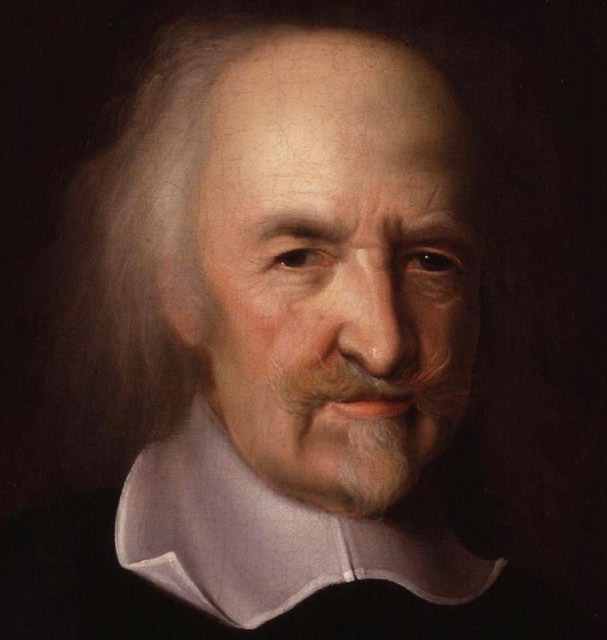
Political philosophy deals with questions about how human societies ought to be governed or how they ought to govern themselves. In this unit, we will read selections from one major political thinker from the East - Confucius, as well as five major political philosophers from the West - Plato, Niccolò Machiavelli, Thomas Hobbes, John Stuart Mill, Karl Marx, and John Rawls. Despite vast differences between them, each of these thinkers bases his political philosophy on some understanding of human nature. How one should govern or how the state ought to be organized depends on the basic characteristics of its members and also on the characteristics of its rulers. For Confucius, the leader is a virtuous human being, an idea that resonates with the previous Unit 3 material on ethics (especially the theory of Aristotle.) For Plato, it is philosophers’ natural inclination to become intimately acquainted with truth that makes them the perfect rulers. For Machiavelli, it is the intrinsic tendency for human beings to be immoral and self-interested that demands a strategic and sometimes brutal ruler. For Hobbes, it is an even more primal animosity of human beings toward one another that leads people to band together for mutual survival. John Stuart Mill, in the work On Liberty, holds that the individual freedom of expression and thought must be maintained and that a “tyranny of the majority” must be avoided in life under government rule. Marx’s political philosophy stems from his conviction that human beings are alienated from their basic nature by capitalist societies, while John Rawls describes a distribution of justice, goods, and liberties among the various members of society.
In the Great Books lists The Social Contract · Analects · The Prince · Leviathan · On Liberty · Economic and Philosophic Manuscripts of 1844

Outline of Confucius’s Political Philosophy
- ConfuciusStanford Encyclopedia of Philosophy · Dr. Jeffrey Riegel · read · 45 min
A Sampling of Confucius’s Doctrines
- The Analects, ExcerptsCUNY Brooklyn · Confucius’s * · read · 1 h · archived copy
Understanding Confucius’s Political Philosophy
- The Way of ConfuciusiTunes U · University of Utah · Dr. Eric Hutton · watch · 1 h · archived copy
Discussion of Confucius’s Philosophy and The Analects
- Early ConfucianismPenn State University · Gregory Smits’ · read · 2 h
Outline of Plato’s Political Philosophy
- Plato’s Political PhilosophyUniversity of Tennessee at Martin’s Internet Encyclopedia of Philosophy: Dr. W. J. Korab-Karpowicz · read · 2 h
Rule by Philosopher Kings
- Book VI and Book VIIPlato · The Republic · read
Understanding Plato’s Theory of Philosopher Kings
- Book VI and Book VIICliffsNotes · Republic by Plato - Summary and Analysis · read · 2 h · archived copy
Plato as Totalitarian? The Criticisms of Karl Popper
- Plato’s Ethics and Politics in The Republic: 4. Politics, Part One: The Ideal ConstitutionStanford Encyclopedia of Philosophy · Dr. Eric Brown · read · 1 h
Outline of Machiavelli’s Political Philosophy
- Niccolò MachiavelliStanford Encyclopedia of Philosophy · Dr. Cary Nederman · read
Machiavelli’s Pragmatic View of Political Power
- Chapter XV, Chapter XVI, Chapter XVII, and Chapter XXINiccolò Machiavelli · The Prince · read
Understanding Machiavelli’s Political Philosophy
- Machiavelli - The PrinceiTunes U · Dr. Nigel Warburton · Philosophy · The Classics: · watch · archived copy
Machiavelli’s Relation to His Predecessors
- New Modes and Orders: Machiavelli, The Prince (Chapters 13 - 26)Yale University · Dr. Steven B. Smith · watch
Outline of Hobbes’s Political Philosophy of the Social Contract
- Thomas Hobbes: The Monster of MalmesburyiTunes U · University of Oxford · Dr. Peter Millican · watch · archived copy
- Hobbes’s Moral and Political PhilosophyStanford Encyclopedia of Philosophy · Dr. Sharon A. Lloyd and Dr. Susanne Sreedhar · read
The State of Nature and the Social Contract
- Chapter XIII and Chapter XIVThomas Hobbes · Leviathan · read
Hobbes in Historical and Intellectual Context
- HobbesiTunes U · Open University · Dr. Jon Pike and Dr. Quentin Skinner · watch
Locke and the Social Contract
- Constitutional Government: Locke, Second Treatise (1 - 5)Yale University · Dr. Steven B. Smith · watch · 1 h
Rousseau and the Social Contract
- Democracy and Participation: Rousseau, Social Contract, I - IIYale University · Dr. Steven B. Smith · watch · 1 h
- Assessment #4The Saylor Foundation · write · 2 h
John Stuart Mill’s “On Liberty”
- Mill: Utilitarianism and LibertyYale University · Dr. Iván Szelényi · watch · 30 min
Historical Background for Karl Marx
- The Moral Foundations of History: Lecture 9: The Marxian ChallengeYale University · Dr. Ian Shapiro · read · 1 h
Marx’s Theory of Alienated Labor
- Estranged LabourKarl Marx · The Economic and Philosophical Manuscripts of 1844: · read · 2 h
Understanding Marx’s Theory of Alienated Labor
- Marx’s Theory of AlienationYale University · Dr. Iván Szelényi · watch · 1 h
- MarxismThe Library of Economics and Liberty · Dr. David Prychitko · read
Understanding Rawls’s Theory of Justice
- Lecture 16: The Rawlsian Social ContractYale University · Dr. Ian Shapiro’s The Moral Foundations of Politics · watch · 1 h
- Assessment #5The Saylor Foundation · write · 2 h
Chapter IV
Ethics and Moral Philosophy
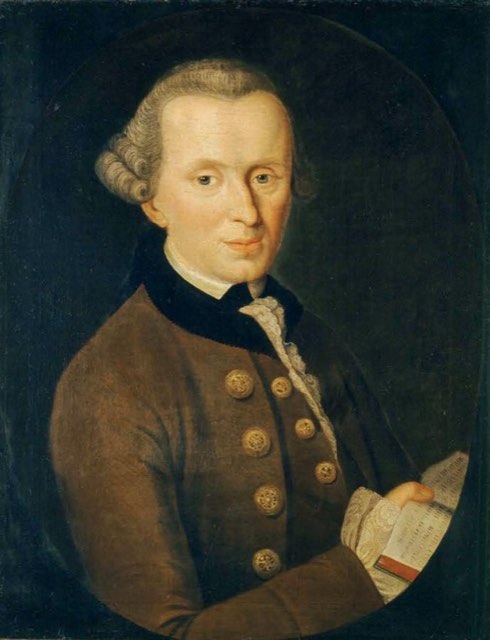
Similarly to political philosophy, ethics also deals with questions of how things ought to be rather than how they are. Ethics tends to treat these questions at the level of the individual human being rather than at the level of the community or the state. At various points in the history of ethical theory, the value of ethical actions and the measure we can use to determine if an action is good or bad have been located in different parts of the action. Is it in the virtue, character, or moral development of the person doing the action (this view is associated with Aristotle and ancient Greece)? Is it located in the intentions or the motivations that inspire the action in the first place (this view would be associated with the early Modern period and Immanuel Kant’s ethics)? Or, is the value of the action based in the results or the consequences that the action brings about in the end (this would be the view of modern utilitarian philosophers like John Stuart Mill)? Specific ethical questions come in many forms and varieties: Is it always wrong to commit murder? What about if it would save the lives of others or if it would end someone’s suffering? Do people still have basic rights even if they do something despicable? Are close family members entitled to better treatment than strangers off of the street? Philosophers have tended to answer ethical questions by creating general theories of how to live and of what actions are right and wrong. In this unit, we will investigate the three most influential ethical theories - namely, those of Aristotle, Immanuel Kant, and John Stuart Mill. Each of these theorists identifies a different basis for the ethical life. Ethics is grounded in either virtue (Aristotle), duty (Kant), or the consequences of our actions (Mill). The tricky part is figuring out which of these views is the right one, because they each seem to resonate with different aspects of our moral sensibilities.
In the Great Books lists Nicomachean Ethics · Groundwork of the Metaphysic of Morals · Utilitarianism

Outline of Plato’s Political Philosophy
- Plato’s Political PhilosophyInternet Encyclopedia of Philosophy · Dr. W. J. Korab-Karpowicz · read
Understanding Plato’s Theory of Philosopher Kings
- Book VI and Book VIICliffsNotes · The Republic by Plato - Summary and Analysis · read · archived copy
Outline of Aristotle’s Virtue Ethics
- Aristotle’s LifeStanford Encyclopedia of Philosophy · Dr. Christopher Shields’ · read · 1 h
- Aristotle’s EthicsStanford Encyclopedia of Philosophy · Dr. Richard Kraut · read · 1 h
Aristotle’s Virtue Ethics
- Book I and Book IIAristotle’s Nicomachean Ethics · read · 5 h
Understanding Aristotle’s Virtue Ethics
- Aristotle - Nicomachean EthicsiTunes U · Dr. Nigel Warburton’s Philosophy · The Classics: · watch · 45 min · archived copy
Some Objections to Virtue Ethics
- Virtue EthicsStanford Encyclopedia of Philosophy · Dr. Rosalind Hursthouse · read · 1 h
Outline of Kant’s Duty-Based Ethics
- Kant’s Moral PhilosophyStanford Encyclopedia of Philosophy · Dr. Robert Johnson · read · 2 h
Kant’s Categorical Imperative
- Second Section: Transition from Popular Moral Philosophy to the Metaphysic of MoralsImmanuel Kant’s Fundamental Principles of the Metaphysics of Morals · read · 3 h
Understanding Kant’s Duty-Based Ethics
- Kant - Groundwork of Metaphysics of MoralsiTunes U · Dr. Nigel Warburton’s Philosophy · The Classics: · watch · 30 min · archived copy
Outline of Mill’s Utilitarian Ethics
- John Stuart MillStanford Encyclopedia of Philosophy · Dr. Fred Wilson · read · 30 min
Mill’s Utilitarian Ethics
- Chapter II: What Utilitarianism IsJohn Stuart Mill’s Utilitarianism · read · 2 h
Understanding Mill’s Utilitarian Ethics
- Mill - UtilitarianismiTunes U · Dr. Nigel Warburton’s Philosophy · The Classics · watch · 30 min · archived copy
Comparing Ethical Theories
- Utilitarianism and Its CritiquesYale University · Dr. Tamar Szabó Gendler’s Philosophy and the Science of Human Nature · watch · 1 h
Applied Ethics and Democratic Justice
- Democratic Justice: ApplicationsYale University · Dr. Ian Shapiro · watch · 1 h
Applied Ethics Today: Life and Death, Moral Status, and Designer Babies
- Life and Death, Jeff McMahan’s Moral Status, and Julian Savulescu’s Designer BabiesOxford Centre for Neuroethics · University of Oxford · Peter Singer · watch · 1 h · archived copy
- Assessment #6The Saylor Foundation · write · 2 h
Chapter V
Philosophy of Religion
Some of the most fascinating philosophical questions fall under the rubric of the philosophy of religion. In many different time periods, cultures, and religious traditions people have asked questions that we now associate with the sub-field of philosophy known as philosophy of religion. This area of philosophy tackles such topics as: What happens to us after we die? Do we possess an immortal soul? Does God exist? If God exists, how does He affect human life and the rest of the world? Nearly always, the issue is the question of the respective roles of faith and reason - whether they are fundamentally complimentary or opposed. Although many philosophers of religion are themselves believers in one faith or another, being religious is not a prerequisite for engaging in philosophical inquiry about religion. Many westerners raised in the Judeo-Christian context have particular ideas about the soul and about God. In eastern religions, there may be no concept of an immortal soul, and the notion of God may be multifaceted or may refer to consciousness acting as one with all being, all existence. In this unit, we will be surveying a number of influential approaches to religious topics. We will begin with a look at Plato’s arguments for the immortality of the soul. We will then address the question of God’s existence, considering arguments from Saint Anselm, René Descartes, and Blaise Pascal. We will also confront Friedrich Nietzsche’s famous and provocative assertion that “God is dead.” Finally, we will introduce an Eastern point of comparison by looking at some Buddhist teachings about the self and the possibility of achieving enlightenment.
In the Great Books lists Phaedo · Beyond Good and Evil · Thus Spoke Zarathustra · On the Genealogy of Morality

Plato and the Immortality of the Soul
- Introduction to Plato’s Phaedo; Arguments for the Existence of the Soul, Part II and Plato Part II: Arguments for the Immortality of the SoulYale University · Dr. Shelly Kagan · watch · 1 h
Plato’s Phaedo
- PhaedoPlato · read · 8 h
Understanding Plato’s Phaedo
- Plato’s PhaedoHartwick College · Dr. Dale E. Burrington’s Guides to the Socratic Dialogues: · read · 1 h · archived copy
- Platonic Arguments for the Immortality of the SoulUniversity of Notre Dame · Dr. Jeff Speaks’ · read · 30 min
- Introduction to Plato’s Phaedo; Arguments for the Existence of the Soul, Part II and Arguments for the Existence of the Soul, Part IV; Plato, Part IYale University · Dr. Shelly Kagan · watch · 2 h
Saint Anselm of Canterbury and the Ontological Argument
- ProslogionVirginia Tech · Dr. David Burr’s Saint Anselm · read · 2 h
Understanding and Evaluating Anselm’s Ontological Argument
- Ontological ArgumentUniversity of Tennessee at Martin’s Internet Encyclopedia of Philosophy · Dr. Kenneth Einar Himma · read · 1 h
Descartes’s Causal Argument
- Meditation IIIRené Descartes’s Meditations on First Philosophy · read · 2 h
Understanding Descartes’s Causal Argument
- A Study Guide to Descartes’ MeditationsMassachusetts Institute of Technology OpenCourseWare · Dr. Rae Langton · read
- René Descartes (1596 - 1650): OverviewUniversity of Tennessee at Martin’s Internet Encyclopedia of Philosophy: Dr. Justin Skirry · read · 20 min
Pascal’s Wager: Believing in God for Pragmatic Reasons
- A Selection from PenséesBlaise Pascal · read · 30 min
Understanding Pascal’s Wager
- The Argument from Pascal’s WagerDr. Peter Kreeft · read · 30 min
- Pascal’s WagerStanford Encyclopedia of Philosophy · Dr. Alan Hájek · read · 1 h
- Assessment #7The Saylor Foundation · write · 2 h
Nietzsche’s Revaluation of Traditional Scientific and Religious Values
- Friedrich Nietzsche (1844 - 1900)University of Tennessee at Martin’s Internet Encyclopedia of Philosophy · Dr. Dale Wilkerson · read · 30 min
- NihilismUniversity of Tennessee at Martin’s Internet Encyclopedia of Philosophy: Dr. Alan Pratt · read · 30 min
Nietzsche’s Parable of the Madman (and Other Aphorisms)
- Friedrich Nietzsche’s The Joyful Wisdomread · 45 min
Understanding Nietzsche’s “Philosophy of the Future”
- Prelude to a Philosophy of the Future*Friedrich Nietzsche’s *Beyond Good and Evil · read · 1 h
Outline of Buddhism
- Introduction to BuddhismStanford University · Waka Takahashi Brown · read
Buddhist Principles in the Dhammapada
- The Dhammapada-Gautama BuddhaUniversity of Evansville · John Richards · read · 2 h · archived copy
Buddha’s Epistemology and Metaphysics
- Buddha (c.480 BCE - c.400 BCE)University of Tennessee at Martin’s Internet Encyclopedia of Philosophy · Dr. Abraham Velez · read · 1 h
The Teachings of Buddha
- The BuddhaPBS Video · David Grubin · watch · 2 h · archived copy
The Pessimism of Arthur Schopenhauer
- On the Suffering of the WorldYouTube · Arthur Schopenhauer · watch · 45 min · no longer online
- Assessment #8The Saylor Foundation · write · 2 h
About this course
This course is Saylor Academy's PHIL101, Introduction to Philosophy, one of the complete university courses the Saylor Foundation made free from 2008 and retired in 2015. Saylor licensed its course text under CC BY 3.0; the original is on GitHub. Here it is laid out as chapters, links that have died go to an archived copy from the Internet Archive where one exists, assessments that needed a Saylor login are left out, and people and works are linked to Kulturbase. The readings and lectures belong to their publishers and are linked, not copied. Pictures: Wikimedia Commons, credited under each picture.
All Saylor courses · Free culture courses · The Chautauqua Reading Course